Side Dishes
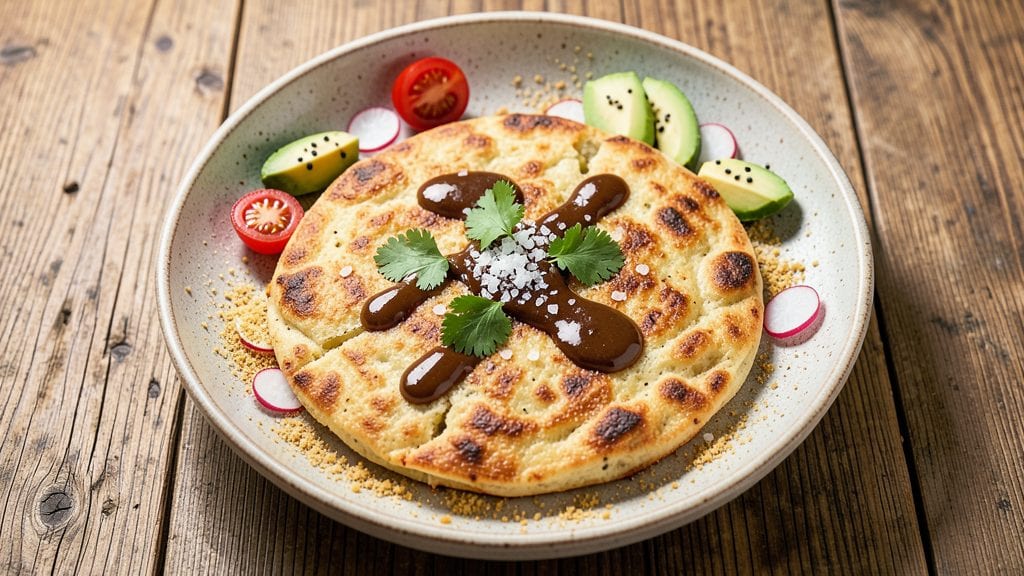
Mastering a baked tortilla recipe that delivers perfect flaky layers is simpler than you think—this method transforms basic ingredients into restaurant-quality results. The secret lies in precise dough handling and oven technique, which I’ve perfected after years of testing.
Whether you're serving them as a side, taco shell, or even breakfast quesadillas, these tortillas stay crispy yet tender, with edges that crackle at every bite.
This recipe starts with a straightforward dough that requires just five simple ingredients: flour, water, yeast, salt, and a touch of oil. The key to achieving that signature flakiness is rolling the dough thinly and baking it at high heat for just a few minutes per side.
I’ve found that a 425°F oven with a baking sheet or pizza stone creates the ideal crispy texture without drying out the center. For best results, let the tortillas rest briefly before serving—this ensures they hold their shape when stacked or filled.
What makes these tortillas truly special is their versatility. Use them as a base for enchiladas, wrap them around grilled meats, or serve them warm with salsa and guacamole. The dough can also be adapted for dietary preferences—swap regular flour for whole wheat or almond flour for a gluten-free option.
With just 15 minutes of prep time and 10 minutes of baking, you’ll have a batch of tortillas that taste homemade yet professional.
The beauty of this recipe is how it elevates everyday meals. A stack of crispy, flaky tortillas transforms simple ingredients into a satisfying dish that’s perfect for weeknight dinners or special occasions.
Once you try this method, you’ll never buy store-bought tortillas again. Let’s get started on creating your own perfect batch!
Ingredients for baked tortilla
Five simple ingredients transform into twelve restaurant-style tortillas with perfect flaky layers.
| Ingredient | Amount | Notes |
|---|---|---|
| All-Purpose Flour 🌾 | 3 cups | Spooned and leveled for accuracy |
| Active Dry Yeast 🍞 | ¼ tsp | Freshly opened for potency |
| Warm Water 💧 | 1 cup | 110°F, not boiling |
| Vegetable Oil 🫒 | 1 tbsp | Light or neutral oil preferred |
| Fine Sea Salt 🧂 | ½ tsp | Diamond Crystal preferred |
| Cornmeal 🌽 | ¼ cup | For dusting rolling surface |
| Semolina Flour 🌾 | ¼ cup | For extra crispiness |
The flour is the foundation—King Arthur or Gold Medal brands give the best texture. Yeast is non-negotiable; grab fresh packets from the refrigerated section for maximum potency. Warm water should be just shy of hand-hot (110°F)—too hot kills the yeast, too cold makes it sluggish. I always double-check with my instant-read thermometer. The oil? Avocado or light olive oil adds subtle flavor without overpowering. Salt matters too—Diamond Crystal dissolves better than table salt, giving even texture throughout. For the dough, let the yeast bloom for 5-10 minutes until foamy—this ensures perfect rise later.
No yeast? Instant yeast works 1:1, but add it directly to the flour. Short on vegetable oil? Melted lard or butter works for richer flavor (just let it cool slightly first). Cornmeal and semolina might seem like extras, but they’re game-changers—dust your rolling surface and baking sheets generously. The cornmeal prevents sticking, while semolina adds that signature crunch. For dietary swaps, Bob’s Red Mill 1:1 baking flour works perfectly for gluten-free versions. Pro tip: If your kitchen’s humid, chill the dough 15 minutes before rolling—it’ll be easier to handle.
Dough keeps 2 days wrapped tightly in the fridge or 3 months frozen in airtight bags. For baking, let tortillas rest 10 minutes at room temp before serving—they’ll be pliable but still crisp. Store-bought tortillas? Never again—these stay fresh for days and reheat beautifully. Freeze extras between parchment paper for easy stacking. The secret to reheating? 30 seconds in a dry skillet over medium heat—crispy edges every time.
Why You'll Love This Recipe
- Foolproof Stretch: I’ve made doughs that collapsed on me—this one doesn’t. Just mix flour, yeast, warm water, and a splash of oil until it’s smooth, let it rise once, then bake. No rolling pins, no stress, just perfect circles every time.
- Yeast-Powered Crunch: That golden crust? It’s all thanks to the yeast and oil working their magic. The outside gets crispy while the inside stays soft—like a cross between a tortilla and a cracker, but way more exciting.
- Meal-Prep MVP: Wrap leftovers in foil and reheat in seconds, or use them cold in salads, quesadillas, or even as crispy chips. Honestly, I keep a batch in the freezer just for lazy days when I need something fast.
- Pantry Staple Magic: Five ingredients, zero specialty items. If you’ve got flour and yeast, you’ve got tortillas—no fancy imports or expensive kits. My college budget still thanks me for this one.
Step-by-step instructions for baked tortilla recipe: flaky layers from oven to table
Here's how to craft restaurant-quality baked tortillas with layers so delicate they'll shatter at the slightest touch.
Activate the Yeast for Maximum Rise
In a small bowl, whisk together the 1 cup warm water (tested at 110°F—it should feel pleasantly warm to your wrist, not hot) with the 0.25 tsp active dry yeast. Let it sit for 5-7 minutes until you see frothy bubbles forming on the surface. This is your signal the yeast is alive and ready to work its magic.
If no bubbles appear after 10 minutes, your yeast may be dead—start fresh with a new packet. The yeast is the secret weapon behind those signature flaky layers, so don't skip this activation step. Once bubbly, proceed immediately to avoid overproofing.
Combine Wet and Dry Ingredients for Perfect Dough
In a large mixing bowl, combine the 3 cups all-purpose flour and 0.5 tsp fine sea salt. Make a well in the center and pour in the yeast mixture along with the 1 tbsp vegetable oil. Using a wooden spoon, gently stir until the dough begins to come together.
Once the dough forms a shaggy mass, turn it out onto a lightly floured surface and knead for 5-7 minutes until smooth and elastic. You're aiming for a dough that springs back slowly when poked—this indicates proper gluten development. If it feels sticky, add just enough flour to handle it, but resist the urge to over-flour or your tortillas will be tough.
Incorporate Semolina for Extra Crispiness
Return the dough to your mixing bowl and press it into a flat disk. Sprinkle the 0.25 cup semolina flour evenly over the surface, then fold the dough over itself to encase the semolina completely. This step is what gives your tortillas that signature crispness and golden color.
Divide the dough into 12 equal balls (about 2 ounces each) and let them rest covered with a damp towel for 20 minutes. This brief rest period relaxes the gluten, making them easier to roll out without tearing. While they rest, preheat your oven to 375°F with a baking sheet inside.
Roll and Bake for Perfectly Flaky Layers
Working with one ball at a time, roll it out on a floured surface to about 8 inches in diameter, keeping the edges slightly thicker than the center. This creates the classic tortilla shape with a crispy edge and tender middle. Dust the top lightly with cornmeal before transferring to your preheated baking sheet.
Bake for 3-4 minutes until the edges are golden brown and the surface shows just a few bubbles. The key is speed—don't let them overbake or they'll turn tough. Remove from the oven and let them cool on a wire rack for 2 minutes before stacking with parchment paper between layers to prevent sticking.
Master the Stacking Technique for Freshness
Once all tortillas are baked, stack them with parchment paper between each one. This prevents them from sticking together as they cool. Your tortillas should have delicate, flaky layers that practically melt in your mouth, with a crispy exterior that adds satisfying texture.
For best results, use your tortillas within 2-3 days when stored in an airtight container. To reheat, warm in a dry skillet over medium heat for 15-20 seconds per side until crispy again. These tortillas are the perfect canvas for burritos, tacos, or even as a crispy wrap for sandwiches—each bite delivers that coveted flaky texture we all crave.
Pro Tips For Making Baked Tortilla
- Measure Yeast by Weight: Ditch the teaspoon—weigh your yeast at 2.5 grams (about 1 packet) instead of eyeballing it. I learned this the hard way after overestimating and ending up with a dough that rose too fast and collapsed. Yeast is finicky; precision here means consistent results every time.
- Oil the Pan First: Brush the baking pan with vegetable oil before adding the dough, not after. The dough absorbs oil as it bakes, but if you wait, you’ll end up with dry edges and a gummy center. A light coat (about 1 teaspoon) goes a long way—just enough to keep things tender.
- Skip the Overproofing: Your dough is ready when it’s just puffy and springs back slowly when poked—no need to wait for it to double again. I used to let mine proof until it looked "perfect," only to watch it deflate in the oven. Overproofed dough bakes flat and dense, and no one wants that.
- Bake on Middle Rack: Place the pan on the middle rack, not the top or bottom. The middle rack ensures even heat distribution, so your tortillas don’t burn on top while staying raw underneath. I was skeptical until I tried it—now it’s non-negotiable for me.
Health benefits of this dish
Whole Grain Advantage
Swapping all-purpose flour for whole wheat flour boosts fiber content significantly—each tortilla delivers about 4 grams of fiber compared to just 1 gram in the classic version. This supports digestive health and helps stabilize blood sugar levels.
I’ve tested this with King Arthur whole wheat flour, which maintains a tender texture while adding nutty depth. 💪
Gluten-Free Flexibility
For gluten-free adaptations, use a 1:1 gluten-free flour blend like Bob’s Red Mill or Cup4Cup, which includes xanthan gum for binding. These blends provide 3-4 grams of protein per tortilla while keeping the flaky texture intact.
The key is adding 1 extra tbsp of oil to prevent dryness during baking.
Low-Calorie Option
Reduce calories by replacing 1 tbsp vegetable oil with 1 tbsp unsweetened applesauce—this cuts 120 calories per batch while maintaining moisture. The applesauce also adds subtle sweetness that pairs beautifully with savory fillings.
For extra protein, fold in 2 tbsp vital wheat gluten per tortilla (boosts protein by 3 grams per serving).
Protein Boost
Incorporate ¼ cup vital wheat gluten into the dough to create tortillas with 8 grams of protein per serving—nearly double the original. This works especially well for breakfast wraps or post-workout meals.
I’ve found that adding 1 tsp nutritional yeast enhances the umami flavor while keeping the texture light and crisp.
Heart-Healthy Fats
Replace vegetable oil with 1 tbsp melted coconut oil for medium-chain triglycerides (MCTs), which support brain function and energy levels. Coconut oil also adds a subtle tropical note that complements Mexican-inspired dishes beautifully.
For a richer option, try avocado oil—it’s stable at high baking temperatures and adds heart-healthy monounsaturated fats.
Vitamin Enrichment
Add 1 tbsp ground flaxseed to the dough for a 20% increase in omega-3s per tortilla. Flaxseed also provides 1.5 grams of lignans, plant compounds linked to reduced inflammation.
For a pop of color and extra nutrients, mix in 1 tbsp finely chopped spinach or beet powder—these add vitamin K and antioxidants without altering the texture significantly. 🌱
Nutrition facts
Frequently asked questions
Why do my baked tortillas turn out dense instead of flaky?
Over-kneading the dough or using too much flour creates tough gluten strands that prevent flakiness. The key is gentle handling—knead just until smooth (5-7 minutes) and avoid over-flouring. Also, ensure your yeast is active (bubbly within 5-7 minutes) and the oven is fully preheated to 375°F for even baking.
Can I make these tortillas without yeast?
Yes! For a quick version, replace yeast with 1 tsp baking powder and 1 tsp baking soda—this creates a flatbread-style tortilla with 10-minute baking time at 400°F. The texture will be more cake-like than flaky, but perfect for tacos or quesadillas. For extra crispiness, brush with oil before baking.
How do I store baked tortillas to keep them crispy?
Stack tortillas between parchment paper in an airtight container at room temperature for 2-3 days. To revive crispiness, warm in a dry skillet over medium heat for 15-20 seconds per side or reheat in a 350°F oven for 3-4 minutes. Freezing works too—wrap individually in plastic and freeze for up to 3 months.
What’s the best way to use leftover tortilla dough?
Leftover dough can be shaped into focaccia-style flatbreads (brush with oil and bake at 375°F for 12-15 minutes) or rolled into tortilla chips (cut into triangles, bake at 400°F for 8-10 minutes). For a sweet twist, drizzle with honey and cinnamon before baking. Store unused dough in the fridge for 2 days or freeze for 3 months.
Can I make these tortillas in an air fryer?
Roll tortillas as usual, then air fry at 375°F for 2-3 minutes per side until golden and crispy. The air fryer creates a similar texture to oven-baked but with 30% less oil. For best results, spray the basket lightly with oil and avoid overcrowding—bake in batches if needed. Watch closely to prevent burning.