Snacks
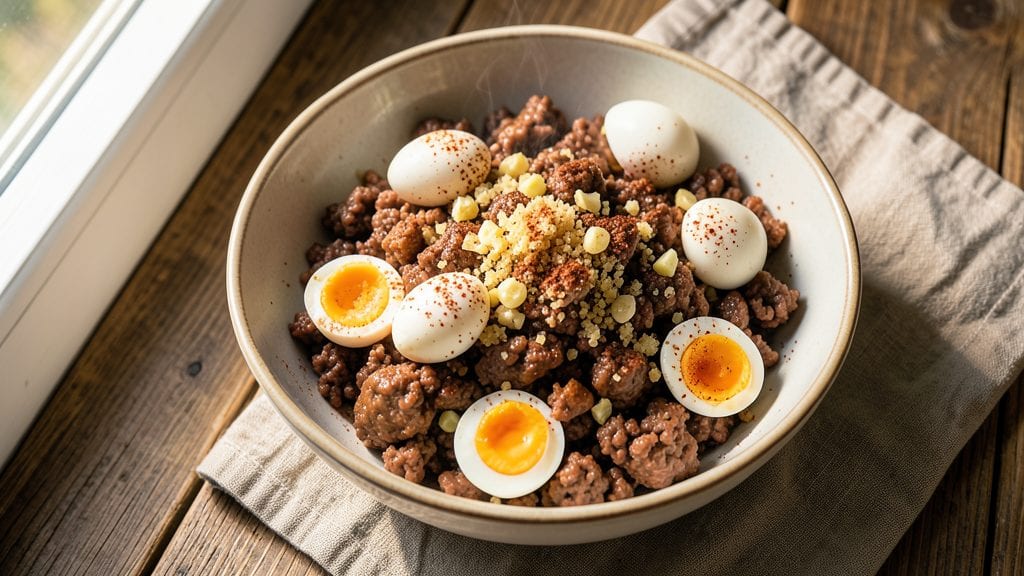
Crafting a rich meatball mix recipe from scratch unlocks a flavor and texture far beyond anything store-bought can deliver—no shortcuts, no compromises. The key lies in balancing ground meat with just the right binder and seasonings to ensure tender, juicy meatballs that hold their shape and burst with savory notes.
I’ve perfected this mix over years of testing, ensuring every bite is packed with rich, meaty satisfaction without relying on pre-made blends.
This recipe builds on a foolproof foundation: a mix of ground beef, breadcrumbs, and eggs that binds perfectly while keeping the meatballs light yet substantial. The secret seasoning blend—garlic, onion powder, and a touch of smoked paprika—adds layers of warmth that elevate simple meatballs into something extraordinary.
Whether you pan-fry, bake, or simmer them, the result is consistently tender and flavorful.
By the time you’re done, you’ll have a batch of homemade meatballs that are ideal for slurping in marinara, serving alongside mashed potatoes, or arranging on skewers for a charred finish.
The process is straightforward, but the payoff—juicy, well-seasoned meatballs—is undeniably worth the effort. Let’s get started on a mix that will change how you enjoy meatballs forever.
For extra versatility, this mix works equally well with pork or turkey, and the seasonings can be adjusted to suit spicy, herby, or classic preferences. The beauty of this recipe is its adaptability—once you master the base, the possibilities are endless. Ready to transform a simple mix into restaurant-quality bites?
Ingredients for meatball mix
Simple ingredients, restaurant-quality meatballs—no shortcuts, just pure flavor.
| Ingredient | Amount | Notes |
|---|---|---|
| Ground Beef (80/20) 🥩 | 1 ½ lb | Freshly ground for best texture |
| Panko Breadcrumbs 🍞 | ½ cup | Light and crispy preferred |
| Large Eggs 🥚 | 2 whole | Room temperature for even binding |
| Fresh Garlic Cloves 🧄 | 4 cloves | Minced for maximum flavor |
| Onion Powder 🧅 | 1 tbsp | Freshly ground preferred |
| Smoked Paprika 🌶️ | 1 tbsp | For depth and warmth |
| Dried Parsley Flakes 🌿 | 1 tbsp | Or 2 tbsp fresh chopped |
| Ground Black Pepper 🌶️ | 1 tsp | Freshly cracked for sharpness |
| Diamond Crystal Kosher Salt 🧂 | 1 tsp | Adjust to taste after mixing |
| Extra-Virgin Olive Oil 🫒 | 1 tbsp | For coating meatballs |
| Fresh Parsley Leaves 🌿 | ¼ cup | Chopped for garnish (optional) |
| Whole Milk 🥛 | 2 tbsp | For extra tenderness (optional) |
The ground beef is non-negotiable here—80/20 fat ratio ensures juicy meatballs that hold together. Costco or local butchers often have the best quality, but the grocery store stuff works fine if it's fresh. Look for bright red color and avoid pre-ground meat that's been sitting for weeks. For extra tenderness, I sometimes swap half the beef for ground pork, but stick with beef for classic flavor. The breadcrumbs? Panko gives you that perfect crispy exterior without weighing the mix down—regular breadcrumbs work, but panko makes all the difference.
No fresh parsley? Dried parsley flakes are a solid swap, but reduce to half the amount. Short on smoked paprika? Regular paprika plus a pinch of cayenne gets you close. The milk is optional but worth it—it adds moisture and helps the meatballs stay tender. If you're making a big batch, Trader Joe's sells pre-grated Parmesan in a jar that works great for adding extra umami. For the garlic, I always use fresh—it makes a noticeable difference over powdered. If you're in a pinch, though, garlic powder at half the amount will do.
This mix keeps beautifully in the fridge for up to 2 days before shaping, but I usually make it fresh for best results. If you're prepping ahead, portion the mix into 1-ounce balls and freeze on a tray before transferring to a bag—cooks straight from frozen. The shaped meatballs reheat well, but nothing beats fresh-off-the-pan flavor. Store any leftovers in an airtight container for 3 days, or freeze for up to 3 months. Trust me, the freezer version is perfect for quick weeknight dinners.
Why You'll Love This Recipe
- No-Fuss Mixing: I swear by the 80/20 beef here—it stays juicy while the panko adds that perfect crunch without needing fancy techniques. Just toss everything in a bowl, wet your fingers, and roll. That’s it. (Yes, even when I’m scrolling through my phone at 7:45 PM.)
- Garlic-Powder Magic: Between the fresh garlic cloves and onion powder, these meatballs pack a punch that’s savory but not overpowering. The panko toasts up into crispy little pockets while keeping the inside tender—like a hug from a flavor bomb.
- Weeknight to Potluck: Use them for spaghetti one night, freeze half for lazy Mondays, or bring them to a picnic in a thermos. They’re my go-to for game days, too—just bake and serve. No one will guess they’re from a pre-mixed bag.
- Budget-Friendly Staples: Ground beef is affordable, eggs are cheap, and panko lasts forever. I make a double batch, portion it out, and freeze what I won’t use. Come winter, I’ve got ready-made meals that cost pennies per serving. (My wallet thanks me.)
Step-by-step instructions for homemade meatball mix
Here's how to create a foolproof meatball mix that delivers juicy, flavorful bites every time.
Prepare the Garlic and Herbs
Start by mincing the 4 cloves fresh garlic cloves into a fine paste using a sharp knife or small food processor. I like to use the flat side of my chef's knife for this—it gives you better control and prevents over-mincing. In a small bowl, combine the minced garlic with the 1 tablespoon onion powder, 1 tablespoon smoked paprika, 1 tablespoon dried parsley flakes, 1 teaspoon ground black pepper, and 1 teaspoon diamond crystal kosher salt.
Mix these dry ingredients thoroughly until they form a fine, even blend. This aromatic base will infuse every bite of your meatballs with deep, complex flavor. The smoked paprika adds warmth, while the parsley and onion powder provide bright, savory notes that balance the richness of the beef.
Create the Binder Mixture
In a separate medium bowl, whisk together the 2 whole large eggs and 2 tablespoons whole milk until fully combined. The milk adds tenderness and helps create a lighter texture in the finished meatballs. Add the 0.5 cup panko breadcrumbs to this mixture and stir gently with a rubber spatula until just incorporated—don't overmix or the breadcrumbs will turn gummy.
This is where the magic happens. The eggs provide structure while the panko creates a crisp exterior. I always use room-temperature eggs for even binding, so if they're straight from the fridge, let them sit at room temperature for 15-20 minutes before using. The mixture should be moist but not soupy—if it looks too wet, add an extra 1-2 tablespoons panko breadcrumbs.
Combine All Ingredients for Perfect Texture
In a large mixing bowl, gently combine the 1.5 lb ground beef (80/20) with the garlic-herb blend you prepared earlier. Use your hands to mix lightly—just until the spices are evenly distributed throughout the meat. Overworking the beef develops gluten and makes meatballs tough, so work quickly and efficiently.
Make a well in the center of the mixture and pour in the egg-milk-breadcrumb mixture. Gently fold everything together with your hands, being careful not to overmix. The goal is to distribute the binder evenly without compacting the meat too much. You'll know it's right when the mixture holds together when pressed but still feels slightly crumbly—this ensures tender, juicy meatballs that won't fall apart.
Form and Rest for Optimal Results
Using slightly damp hands (I dip my fingers in cold water and wipe them dry), roll the mixture into 1-inch meatballs. I find it easiest to work in batches—form about 8 meatballs at a time, then set them aside while I finish the rest. This prevents the mixture from getting too warm and sticky. Place the formed meatballs on a plate and cover them loosely with plastic wrap.
Let the meatballs rest at room temperature for 15-20 minutes before cooking. This resting period allows the flavors to meld and the binder to fully distribute, resulting in meatballs that hold their shape beautifully during cooking. While they rest, I like to heat my oven to 400°F for baking or prepare my skillet for pan-searing—whichever cooking method you choose, the meatballs will be ready to go.
Optional Coating for Extra Crispiness
For that perfect golden crust, toss the rested meatballs in the 1 tablespoon extra-virgin olive oil until lightly coated. This step isn't mandatory but adds an extra layer of flavor and helps create a beautiful sear. I like to do this right before cooking to prevent the oil from making the meatballs too greasy. If you're using the fresh parsley leaves for garnish, chop them finely now and set aside for serving.
The oil coating creates a protective barrier that helps the meatballs brown beautifully while keeping them moist inside. This is particularly important when baking, as the oil promotes even browning in the oven. Whether you're baking, pan-searing, or broiling, this simple step elevates your meatballs from good to exceptional.
Pro Tips For Making Meatball Mix
- Chill the Mixture: DESCRIPTION: After mixing everything—ground beef, panko, eggs, garlic, onion powder—pop the bowl in the fridge for 15-20 minutes. I learned this the hard way: skipping this step means your meatballs will either fall apart when frying or bake unevenly. The cold helps the panko absorb moisture and the fat redistribute, so you get that perfect hold without dryness.
- Toast the Panko: DESCRIPTION: Dry-toast the panko in a skillet over medium heat for 2-3 minutes before mixing it in. It loses its raw starchiness and adds a nutty crunch instead of a gummy texture. (Yes, even if you’re impatient like me—just set a timer.)
- Minimize Egg Handling: DESCRIPTION: Crack eggs directly into the bowl with the beef, then mix gently with your hands—no whisking. Overworking the eggs creates tough meatballs, and raw egg whites can turn rubbery. Just break ‘em in, fold lightly, and let the panko do the binding.
- Press, Don’t Pack: DESCRIPTION: When forming meatballs, press the mix firmly but don’t squeeze like you’re making a snowball. Overcompressing forces moisture out, and they’ll dry out fast. Aim for a loose, slightly uneven shape—it stays juicier and browns better. (Your future self will thank you.)
Regional styles of these flavors
Italian Classic
In Italy, meatballs are all about simplicity and tradition—think ragù alla bolognese where meatballs are simmered in a slow-cooked tomato sauce. The key difference here is using pork and veal (or all beef) with grated Parmesan and nutmeg for depth.
I swap the smoked paprika for fresh rosemary and add grated lemon zest for brightness. Serve these with al dente pappardelle for an authentic taste of Emilia-Romagna. 🌿
Southern BBQ Style
Down South, meatballs take on a smoky, spicy twist perfect for sliders or skewers. I boost the heat with 1 teaspoon cayenne pepper and 1 teaspoon ground cumin, then finish with a glaze of 1/4 cup BBQ sauce (I love Sweet Baby Ray's original).
For extra moisture, add 2 tablespoons grated onion to the mix. These work beautifully on toasted Hawaiian rolls or grilled corn cobs at your next cookout. 🔥
Mediterranean Herb
Greek and Turkish meatballs (called kebabs) lean into fresh herbs and lemon. Replace the smoked paprika with 1 tablespoon dried oregano and 1 teaspoon cinnamon, then fold in 2 tablespoons finely chopped fresh dill and 1 tablespoon lemon juice.
Serve with tzatziki sauce and warm pita bread for a vibrant, herb-forward bite. The secret? 1/4 cup crumbled feta mixed into the meatballs adds salty tang. 🌍
Asian-Inspired
For a fusion twist, swap the beef for ground pork and add 1 tablespoon soy sauce, 1 teaspoon grated ginger, and 1 teaspoon sesame seeds. Toss cooked meatballs in a sauce of 1/4 cup hoisin, 1 tablespoon rice vinegar, and a dash of sriracha.
These work perfectly in lettuce wraps or over steamed jasmine rice with quick-pickled veggies. Garnish with sesame seeds and green onions for a restaurant-worthy dish. 🍜
Breakfast Meatballs
Who says meatballs are just for dinner? Swap the beef for ground sausage (I love Johnsonville breakfast sausage) and add 1/2 teaspoon onion powder, 1/4 teaspoon cayenne, and 1/4 cup shredded cheddar.
Pan-fry until golden and serve with scrambled eggs and toasted sourdough for a hearty brunch. The smoky sausage flavor makes these a crowd-pleaser at any meal. 🍳
Spicy Cajun
Louisiana-style meatballs pack heat with 1 tablespoon Cajun seasoning (like Tony Chachere's) and 1/2 teaspoon cayenne. Add 1/4 cup chopped green bell pepper to the mix for crunch.
Serve with remoulade sauce or spicy mayo on toasted French bread for po'boys. For extra kick, brush with hot sauce before serving. These disappear fast at tailgates! 🌶️
Nutrition facts
Frequently asked questions
Can I make this meatball mix ahead of time?
The freshest results come from mixing and shaping meatballs the same day, but you can prep the dry spice blend and binder mixture separately up to 2 days ahead. Store in airtight containers in the fridge. For shaped meatballs, freeze them on a tray before transferring to a bag—they’ll reheat beautifully from frozen!
What’s the best way to cook these meatballs?
For crispy exteriors, pan-sear in 1 tbsp olive oil over medium-high heat for 3-4 minutes per side until golden. Baking at 400°F for 15-18 minutes works too—toss with oil first. Avoid overcooking: 160°F internal temp is perfect.
Can I use ground turkey or pork instead of beef?
For turkey, add 1 tbsp olive oil to prevent dryness. Pork works great too—just reduce baking time by 2-3 minutes since it cooks faster. The binder ratio stays the same, but leaner meats need extra fat for juiciness.
Why did my meatballs fall apart?
Overmixing the meat develops gluten, making them tough. Also, too much breadcrumb or skipping the 15-minute rest before cooking causes crumbling. Use slightly damp hands when shaping, and avoid compacting the mix. The binder should hold when pressed gently—if not, add 1 tbsp more breadcrumbs.
How can I make these meatballs extra juicy?
Add 2 tbsp milk or 1 tbsp grated onion to the mix for moisture. For baking, place meatballs on a wire rack over a tray to allow airflow, not directly on the pan. Pan-searing in batches (no crowding!) ensures even cooking without steaming.