Side Dishes
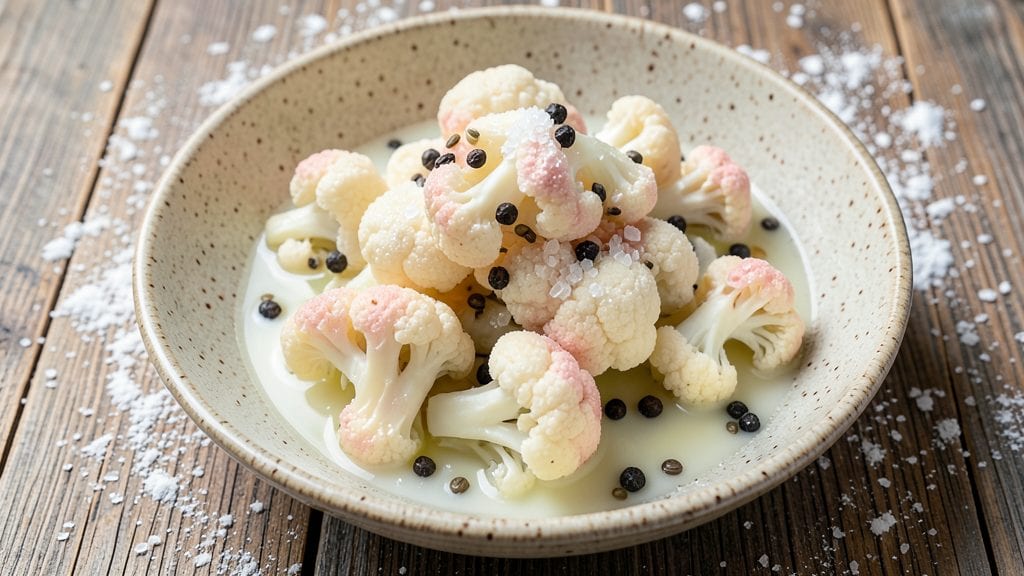
This old-fashioned sweet pickled cauliflower transforms humble florets into vinegar-kissed, sugar-dusted bites that add tangy crunch to sandwiches, bowls, and charcuterie boards. The traditional method—no shortcuts—yields a bright, slightly sweet preserve that keeps beautifully for weeks, perfect for those who appreciate time-honored techniques over modern conveniences.
The secret lies in the brine: a precise balance of white vinegar, sugar, and salt, with just enough mustard seeds and black peppercorns to echo classic pickling traditions.
Unlike quick-pickled versions, this recipe relies on a 24-hour fermentation at room temperature, allowing flavors to meld deeply while maintaining that satisfying crunch. The result? Florets that stay vibrant, tender-crisp, and irresistibly tangy.
By the time you’re done, you’ll have a jar of vinegar-kissed cauliflower that elevates any dish—think sandwiches with a bright, crunchy bite, grain bowls with a tangy contrast, or even as a standalone appetizer with a sprinkle of flaky salt.
The old-fashioned method ensures no compromises: no artificial colors, no rushed processes, just pure, flavorful preservation.
Store in the refrigerator for up to 3 months, and don’t hesitate to experiment with variations—add a pinch of red pepper flakes for heat or a bay leaf for depth.
This isn’t just a side; it’s a versatile, crunchy centerpiece that deserves a place in your pantry. Let’s get started.
Ingredients for old fashioned sweet pickled cauliflower
Nine ingredients. One jar. Traditional pickling transformed into modern crunchy brilliance.
| Ingredient | Amount | Notes |
|---|---|---|
| Fresh Cauliflower 🥬 | 1 whole | Cut into even florets, stems removed |
| White Vinegar 💧 | 2 cups | Distilled, 5% acidity preferred |
| Granulated Sugar 🍚 | 1 cup | White or raw cane preferred |
| Diamond Crystal Kosher Salt 🧂 | 1 ½ tbsp | Not table salt, for proper balance |
| Mustard Seeds 🌶️ | 1 tsp | Whole, yellow or brown preferred |
| Black Peppercorns 🌶️ | 6 whole | Freshly cracked for aroma |
| Fresh Dill Sprigs 🌿 | 2 whole | For subtle herbal brightness |
| Flaky Sea Salt 🧂 | 1 tbsp | For finishing, Maldon preferred |
| Distilled Water 💧 | 2 cups | Filtered preferred for clarity |
| Lemon Peel 🍋 | 1 tbsp | Finely minced, organic preferred |
The cauliflower's quality determines the final texture—opt for fresh, firm heads with tightly packed florets. Organic varieties often have brighter flavor, though conventional works fine. For the vinegar, distilled white vinegar from brands like Heinz or White House ensures consistent acidity. Sugar should be fine granulated; Domino or C&H brands work reliably. The kosher salt is non-negotiable—Diamond Crystal dissolves more cleanly than table salt, preventing cloudy brine. Mustard seeds and peppercorns should be whole and aromatic; Penzeys Spices offers excellent quality for these spices. Fresh dill adds subtle complexity, though dried works in a pinch if you're short on time.
No white vinegar? Apple cider vinegar works but may impart slight fruitiness. Substituting sugar with honey creates a more complex flavor profile but requires reducing the amount by one-third to maintain proper balance. For those avoiding salt, lightly sweetened pickling salt can replace kosher salt at a 1:1 ratio. The lemon peel adds brightness—if unavailable, lemon juice at 1 tbsp provides similar acidity. For a spicier variation, add red pepper flakes at 0.5 tsp alongside the black peppercorns. The water should be filtered to prevent any off-flavors that tap water might introduce.
This preserve maintains peak quality when stored in a sterilized glass jar with an airtight seal. Keep refrigerated for up to 3 months, though the flavor continues developing over time. For longer storage, transfer to the freezer where it remains viable for 6 months. The cauliflower's crunch is best enjoyed within the first month. When ready to serve, sprinkle with flaky Maldon salt for an elegant finish. The brine can also be used as a tangy dressing when diluted with water.
Why You'll Love This Recipe
- Five-Minute Prep: I swear, this takes less time than boiling water for pasta. Just chop the cauliflower into even florets, toss them in a jar with vinegar, sugar, and salt—no peeling, no blanching, no fuss. The mustard seeds add a tiny crunch without extra work.
- Sweet-Tangy Magic: That perfect balance of sugar and vinegar? It’s like a grown-up version of pickled veggies you’d eat straight from the jar. The cauliflower soaks up just enough sweetness to make it irresistibly crisp-tender, with a little bite from the mustard seeds.
- Party Snack Star: Between us, this is my secret weapon for gatherings. Serve it cold as a crunchy appetizer, or let it sit at room temp for a crowd—it’s sturdy enough to pass around without wilting. (Yes, even on a Tuesday night.)
- Lasts a Month: Honestly, I make a big batch and forget about it. The vinegar and sugar preserve it so well that it stays crisp and flavorful for weeks. Plus, it’s cheaper than buying pre-packaged pickles—just cauliflower and pantry staples.
Step-by-step instructions for sweet pickled cauliflower
Transform humble cauliflower into a sweet, tangy crunch that elevates sandwiches and bowls with this classic technique.
Prepare the Cauliflower and Brine Base
Cut the whole fresh cauliflower into even florets, removing any stems and discarding the tough outer leaves. The florets should be roughly 1 to 1½ inches in size for even pickling. In a large bowl, combine the 2 cups white vinegar, 1 cup granulated sugar, 1.5 tablespoons diamond crystal kosher salt, and 2 cups distilled water. Stir vigorously until the sugar and salt fully dissolve—this creates the foundational brine.
Here's the thing—proper dissolution is critical. If sugar crystals remain undissolved, they'll settle on the cauliflower and create uneven sweetness. I like to heat the mixture gently over low heat for 1-2 minutes while stirring until completely clear, then let it cool to room temperature before proceeding. This step ensures maximum flavor extraction and even pickling throughout.
Season and Layer the Cauliflower
Add the cauliflower florets to the cooled brine mixture. Using a wooden spoon, gently stir to submerge all pieces completely. The cauliflower should float initially, but as it absorbs the brine, it will sink. Add the 1 teaspoon mustard seeds, 6 whole black peppercorns, and 2 whole fresh dill sprigs to the jar, pressing them lightly into the florets to distribute their flavors.
Don't skip this layering step—it creates flavor pockets that infuse the cauliflower more thoroughly. I press the spices directly into the florets using the back of a spoon, ensuring they make contact with multiple surfaces. The mustard seeds add subtle heat, peppercorns provide aromatic depth, and dill contributes herbal brightness that pairs beautifully with the sweet-tangy profile.
Add Acid and Finish the Brine
Stir in the 1 tablespoon finely minced lemon peel, distributing it evenly throughout the mixture. The citrus notes will complement the vinegar's acidity and add a bright, refreshing dimension to the finished pickles. Give everything a final stir to ensure the lemon peel is fully incorporated and no cauliflower pieces remain submerged only at the edges.
This is where the magic happens—the lemon peel's oils and acids will mingle with the vinegar and sugar to create that signature sweet-tart balance. I like to press the lemon peel pieces against the cauliflower florets to maximize surface contact. The peel should be finely minced but not pulverized—you want visible bits that will soften slightly during pickling while still contributing texture.
Seal and Steep for Perfect Texture
Transfer the cauliflower and brine to a clean, airtight glass jar, pressing down gently to eliminate any air pockets. Seal the jar tightly and let it rest at room temperature for 24 hours before refrigerating. During this initial period, the cauliflower will absorb the brine and begin developing its signature sweet-tangy flavor profile. The texture should transform from crisp to tender-crisp, retaining just enough bite to provide satisfying crunch.
I know it's tempting to refrigerate immediately, but that first 24-hour room-temperature steep is crucial. It allows the flavors to meld more completely and ensures the cauliflower develops that perfect tender-crisp texture. After the initial 24 hours, transfer the jar to the refrigerator where it will continue developing flavor for at least 3 days before reaching peak deliciousness. The longer it steeps, the more complex the flavor becomes.
Finish and Serve with Flaky Salt
After at least 3 days of refrigeration, the pickled cauliflower will be ready to serve. Before using, drain the cauliflower and transfer it to a serving dish. Sprinkle generously with the 1 tablespoon flaky sea salt, using a light hand to distribute it evenly over the florets. The salt crystals should adhere to the cauliflower's surface, adding a final textural and flavor dimension.
This finishing step transforms the pickles from good to exceptional. The flaky sea salt provides a delicate crunch that contrasts beautifully with the tender cauliflower, while its mineral notes complement the sweet-tart profile. Serve immediately or store in an airtight container in the refrigerator for up to 2 weeks. The pickles will continue developing subtle flavor complexity over time, making them perfect for sandwiches, grain bowls, or as a tangy crunchy topping for roasted meats.
Pro Tips For Making Old Fashioned Sweet Pickled Cauliflower
- Cut Small, Even Pieces: I learned this the hard way—big cauliflower chunks turn mushy while small florets stay crisp. Aim for 1-inch pieces or smaller, and trim the core so every bite is consistent.
- Boil Vinegar First: Heat the vinegar to a simmer before adding sugar and salt—this dissolves everything faster and prevents clumpy brine. Skip this, and you’ll end up with grainy, uneven pickling.
- Don’t Crowd the Jar: Pack cauliflower loosely in jars—too tight, and the liquid can’t circulate, leaving some pieces bland. Use a spoon to press florets gently but leave space for the brine to work its magic.
- Toast the Mustard Seeds: Dry-toast the mustard seeds in a separate pan for 30 seconds before adding them to the vinegar—this deepens their flavor and prevents a bitter aftertaste. (Yes, even if you’re impatient like me.)
Health benefits of these flavors
Probiotic Powerhouse
Fermented foods like this sweet pickled cauliflower are natural probiotic powerhouses, supporting gut health by introducing beneficial bacteria to your microbiome. The 24-hour room-temperature steep creates ideal conditions for fermentation, though not as extensive as sauerkraut.
Still, you'll get live cultures that aid digestion and may boost immunity. The vinegar also helps preserve these beneficial bacteria during storage. 💪
Low-Calorie Crunch
With only about 30 calories per ½ cup serving, this pickled cauliflower makes a satisfying crunch without the calorie burden of chips or crackers. The combination of vinegar and sugar creates that addictive sweet-tangy flavor while keeping the vegetable content high.
It's perfect for those watching calories but still craving texture in their meals.
Rich in Vitamin C
Cauliflower is naturally packed with vitamin C, and the pickling process helps preserve this nutrient better than boiling or steaming would. A single serving provides about 30% of your daily vitamin C needs, supporting collagen production and immune function.
The lemon peel in the recipe adds even more citrus-derived vitamin C to the mix.
Blood Sugar Benefits
While the sugar in the brine might seem concerning for blood sugar, the vinegar actually helps moderate blood glucose responses. Studies show vinegar consumption can improve insulin sensitivity, making this pickled cauliflower a surprisingly blood-sugar-friendly option when enjoyed in moderation. The fiber in cauliflower also helps slow sugar absorption.
Antioxidant Boost
The black peppercorns and mustard seeds in the brine contribute valuable antioxidants that combat cellular damage. The vinegar itself contains acetic acid, which has been shown to have antioxidant properties. Together, these ingredients create a preserve that's not just delicious but also packed with compounds that support long-term health.
Versatile Nutrition
This pickled cauliflower delivers a surprising nutritional punch while remaining incredibly versatile. The combination of vegetable, vinegar, and spices creates a probiotic-rich, vitamin-packed side that works with virtually any main dish. It's especially valuable for those looking to add more vegetables to their diet without sacrificing flavor or texture. ✨
Nutrition facts
Frequently asked questions
Why does the recipe call for a 24-hour room-temperature steep instead of refrigerating immediately?
The 24-hour room-temperature steep is essential for developing the perfect tender-crisp texture and allowing flavors to meld completely. This traditional method creates a deeper sweet-tart balance and ensures even pickling throughout the florets. Refrigerating immediately can result in uneven texture and less vibrant flavor.
Can I use apple cider vinegar instead of white vinegar?
Yes, you can substitute apple cider vinegar, but expect a slightly fruitier flavor profile. For the classic sweet-tart balance, stick with white vinegar (5% acidity). If using apple cider, reduce the sugar by 1 tablespoon to prevent over-sweetness. The acidity level matters most for proper preservation.
How long will the pickled cauliflower keep, and how should I store it?
Store in a sealed glass jar in the refrigerator for up to 3 months for peak quality. After opening, transfer to an airtight container and consume within 2 weeks. For longer storage, freeze for up to 6 months, though texture may soften slightly. Always use sterilized jars to prevent spoilage.
What can I do if my cauliflower turns mushy instead of staying crisp?
Mushy texture usually means over-fermentation or improper brine balance. Ensure your florets are 1-1½ inches in size and use the full 2 cups of vinegar and 1 cup of sugar. For best results, refrigerate after the 24-hour room-temperature steep. If it's already too soft, try using the brine as a tangy dressing instead.
Can I make this recipe without sugar?
While possible, sugar plays a crucial role in balancing the vinegar's acidity and enhancing preservation. For a sugar-free version, reduce the sugar to ½ cup and add 1 tablespoon** of honey or maple syrup to maintain some sweetness. The texture may be slightly less tender, but it will still develop flavor.