
Sauces & Condiments
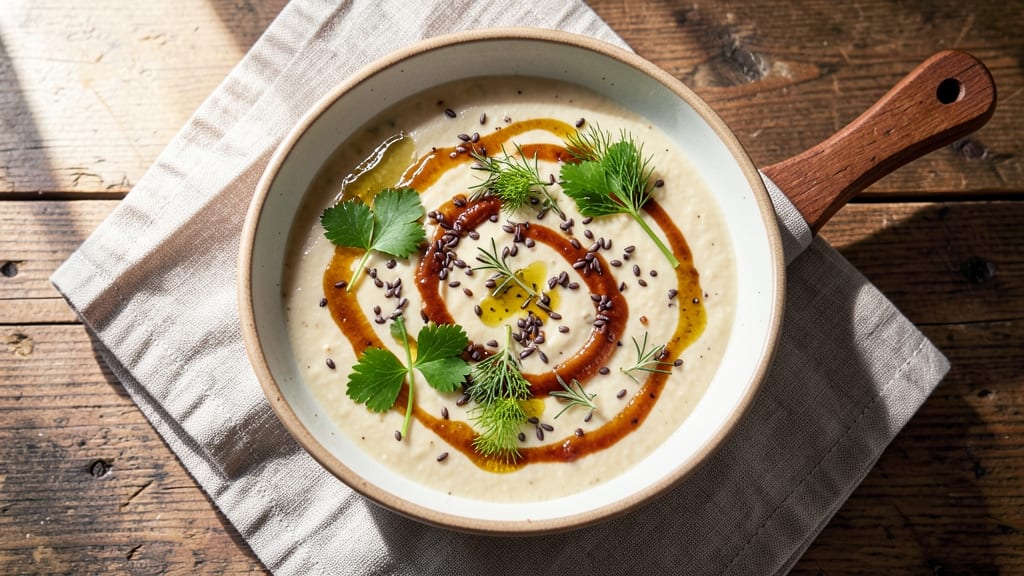
This Amish bread dressing recipe brings the heart of Pennsylvania farmhouse kitchens to your table, where every spoonful carries the warmth of tradition and the bold flavors of herbs, mustard, and slow-simmered spices.
The secret lies in balancing tangy vinegar with rich oil and earthy celery seeds, creating a dressing that enhances everything from roasted vegetables to holiday meats—perfect for storing and using all season long.
What sets this dressing apart is its versatility—it works as a marinade, a dipping sauce, or a finishing drizzle, yet its roots run deep in Amish cooking traditions.
The recipe relies on simple pantry staples like apple cider vinegar and Dijon mustard, but it’s the herb blend (parsley, thyme, and dill) that transforms this into something truly special. No fancy techniques required—just whisk, steep, and let the flavors meld over time.
Imagine the aromatic depth of this dressing clinging to crispy roasted Brussels sprouts or drizzled over a platter of holiday ham. The texture is silky yet robust, with just enough bite from the mustard and celery seeds to cut through rich dishes.
It keeps well in the fridge for up to two weeks, making it ideal for prepping ahead of gatherings where comfort food takes center stage.
Whether you're hosting Thanksgiving, prepping for a family dinner, or simply craving a taste of old-world simplicity, this dressing delivers restaurant-quality flavor with minimal effort. The ingredients are straightforward, but the results are anything but ordinary—a true taste of home, bottled in a jar.
Let’s get started on making yours today.
Ingredients for amish bread dressing
Ten simple yet potent ingredients transform into a dressing that embodies Amish homestead traditions.
| Ingredient | Amount | Notes |
|---|---|---|
| Dijon Mustard 🍯 | ⅓ cup | High-quality, smooth texture preferred |
| Apple Cider Vinegar 🍎 | ½ cup | Raw, unfiltered preferred for depth |
| Extra-Virgin Olive Oil 🫒 | 1 cup | Lightly fruity, not overly peppery |
| Fresh Parsley Leaves 🌿 | ½ cup | Finely chopped, stems removed |
| Fresh Dill Weeds 🌿 | ¼ cup | Finely chopped, tender stems included |
| Fresh Thyme Leaves 🌿 | 1 tbsp | Finely chopped, from sprigs |
| Celery Seeds 🌿 | 1 tbsp | Toasted lightly for enhanced aroma |
| Granulated Garlic 🧄 | 1 tbsp | Finely minced preferred |
| Diamond Crystal Kosher Salt 🧂 | 1 ½ tsp | Adjust to taste for balance |
| Black Peppercorns 🌶️ | ½ tsp | Freshly cracked for optimal flavor |
The foundation of this dressing lies in its herb blend, where fresh parsley, dill, and thyme create an aromatic profile reminiscent of Pennsylvania farmhouse kitchens. For optimal freshness, source herbs from local markets or Whole Foods—look for vibrant green leaves with no wilting. Celery seeds should be purchased from specialty spice merchants like Penzeys for their superior quality; pre-ground seeds often lose potency quickly. The apple cider vinegar must be raw and unfiltered—Bragg or Texas Pete are excellent choices, as they retain more flavor compounds than commercial brands. Extra-virgin olive oil should be stored in a cool, dark place to preserve its delicate fruity notes, and California Olive Ranch provides a reliable, flavorful option.
Substitutions should maintain the dressing's balance of acidity, richness, and herbal complexity. If fresh dill is unavailable, dried dill at one-third the quantity works, though the flavor will be more muted. For a tangier profile, substitute white wine vinegar for apple cider vinegar, though the depth of flavor will differ slightly. Worcestershire sauce can replace Dijon mustard in a pinch, but reduce to 2 tablespoons to avoid overpowering the dressing. Celery seed can be omitted entirely if you prefer a milder flavor, though its earthy note is integral to the traditional Amish profile. For those without a mortar and pestle, a spice grinder will suffice for lightly toasting the celery seeds before adding them to the mixture.
This dressing maintains peak quality when stored in an airtight glass jar in the refrigerator for up to two weeks. For extended storage, transfer to a sterile container and freeze for up to six months, though the texture may slightly alter upon thawing. The dressing thickens as it sits, so whisk vigorously before each use to restore its silky consistency. Portion into small jars for individual servings—ideal for holiday gatherings where convenience meets tradition. The dressing's versatility makes it perfect for drizzling over roasted vegetables, tossing with salads, or using as a marinade for poultry, ensuring every bite carries the essence of Amish culinary heritage.
Why You'll Love This Recipe
- No-Chop Required: Honestly, I just dump everything into a bowl—no measuring cups, no fuss. The Dijon mustard and apple cider vinegar do all the work while I chop one herb (the parsley and dill take seconds), then whisk it together. That’s it. No standing over a hot stove, no waiting for anything to cook.
- Tangy-Zing Balance: Between us, the apple cider vinegar cuts through the richness of the olive oil like a breath of fresh air. The Dijon mustard adds that deep, slightly sharp kick, while the parsley and dill brighten it up—like a summer breeze in a jar. It’s the kind of dressing that makes you want to eat straight from the spoon.
- Potluck Hero: I bring this to every gathering because it’s the one thing people always ask for seconds of. Works with grilled chicken, roasted veggies, or even straight from the jar with crackers—no one judges. And if I’m prepping ahead? It keeps for a week in the fridge, so I’m never scrambling last-minute.
- Pantry Staple Magic: Here’s what sold me—this uses stuff I already have. Olive oil, vinegar, mustard? Check. Fresh herbs? A handful from the garden or the back of my fridge. No specialty ingredients, no markup, just pure flavor for pennies. And since it’s liquid, I can stretch it thin or use it generously—no waste.
Step-by-step instructions for Amish bread dressing
This herb-infused dressing delivers rustic holiday comfort with every bite.
Toast the Celery Seeds and Prepare Aromatics
In a dry skillet over medium-low heat, toast the 1 tablespoon celery seeds for 1-2 minutes until fragrant and lightly golden. Watch closely—they burn quickly. Immediately transfer to a small bowl and let cool completely before using.
While the seeds toast, finely chop the 0.5 cup fresh parsley leaves and 0.25 cup fresh dill weeds separately. I use a sharp chef's knife for even texture—chop the parsley slightly finer than the dill to create visual contrast. The fresh thyme leaves should be finely minced, not chopped, to release their essential oils without bitterness.
Whisk Together the Vinegar and Mustard Base
In a medium mixing bowl, combine the 0.5 cup apple cider vinegar and 0.33 cup Dijon mustard using a whisk. The vinegar should be raw and unfiltered for maximum depth of flavor. Let this mixture sit for 2 minutes to allow the mustard to slightly emulsify with the acidity.
This step creates the foundational tang that balances the richness of the olive oil. If you notice any lumps in the mustard, press it through a fine-mesh sieve to ensure a silky texture. The mixture should be smooth and slightly thickened by the time you add the next ingredients.
Gradually Incorporate the Olive Oil
With the whisk still in the bowl, very slowly drizzle in the 1 cup extra-virgin olive oil while continuously whisking. Start with just a few tablespoons at a time, allowing each addition to fully incorporate before adding more. This gradual approach prevents the dressing from separating.
The olive oil should be lightly fruity—not overly peppery—to complement the herbs without overpowering them. Whisk for an additional 2-3 minutes until the dressing thickens slightly and coats the back of a spoon. This emulsification process is critical for a stable, creamy texture that won't break down when tossed with bread.
Add the Herbs, Garlic, and Seasonings
Return the toasted celery seeds to the bowl and add the chopped parsley, dill, and thyme leaves. Stir in the 1 tablespoon granulated garlic and 1.5 teaspoons Diamond Crystal kosher salt. Finally, coarsely grind the 0.5 teaspoon black peppercorns using a mortar and pestle or the flat side of a knife, then sprinkle them in.
Mix thoroughly with a wooden spoon to distribute the herbs evenly. The dressing should now have a vibrant green hue with visible herb flecks. Taste and adjust the salt if needed—this is your final opportunity to balance the seasoning before serving.
Rest and Serve for Optimal Flavor
Cover the bowl with plastic wrap and let the dressing rest at room temperature for at least 30 minutes. This resting period allows the flavors to meld completely, resulting in a more cohesive taste profile. For best results, prepare the dressing 2-3 hours ahead of serving to let the herbs infuse fully.
When ready to serve, toss the dressing with warm, crusty bread cubes or use it as a dipping sauce for holiday appetizers. The texture should be thick enough to cling to bread but still flow smoothly. If it thickens too much after resting, whisk in 1-2 teaspoons of water to restore the desired consistency.
Pro Tips For Making Amish Bread Dressing
- Whisk Like You Mean It: This isn’t just a quick stir—give that Dijon mustard and apple cider vinegar a solid 30 seconds of vigorous whisking to fully emulsify the dressing. I used to half-ass this step, and the result was a dressing that separated halfway through the meal. Trust me, your taste buds will notice the difference.
- Rinse Herbs, Not Chop: Dump those fresh parsley and dill leaves into a bowl of cold water, swish them around, and drain. This removes dirt and any bitter stems without dulling their flavor. I learned this the hard way after biting into a leaf that tasted like grass—now I rinse first, chop second.
- Measure Vinegar Precisely: Apple cider vinegar is potent—don’t eyeball it. Use a measuring spoon for the exact amount called for, or your dressing will turn into a tangy punch. I once doubled it by accident and spent the next hour trying to fix the burn.
- Let It Rest 10 Minutes: After whisking, let the dressing sit uncovered for 10 minutes before serving. The flavors meld, and the oil fully binds with the mustard. I know, I know—you’re eager to eat—but skipping this step means a dressing that’s more like a sad, separated mess than the creamy dream it should be.
Dietary considerations for amish bread dressing
Gluten-Free Adaptation
For a gluten-free version, simply replace the Dijon mustard with 2 tablespoons gluten-free mustard (like Annie's or Maille). Check labels to ensure no cross-contamination with gluten. The apple cider vinegar and olive oil are naturally gluten-free, so no further substitutions are needed.
Always verify that your celery seeds and herbs are processed in a dedicated gluten-free facility to avoid trace amounts. 🌱
Low-Sodium Version
Reduce the Diamond Crystal kosher salt to 1 teaspoon and replace the remaining 0.5 teaspoon with ½ teaspoon smoked paprika for depth without extra sodium. Use a high-quality, low-sodium Worcestershire sauce (like Lea & Perrins) if substituting for mustard.
Taste as you go—this version still needs flavor balance, just with less salt. 🧂
Dairy-Free Considerations
This dressing is naturally dairy-free, but if you're using it with dairy-based dishes (like cheese boards), ensure all serving components are also dairy-free. The mustard and vinegar base provides enough tang to complement plant-based cheeses like cashew-based cheddar or nutritional yeast blends.
The herbs and celery seeds add complexity that pairs beautifully with dairy alternatives. ✨
Nut-Free Safety
All ingredients in this recipe are inherently nut-free, but always double-check labels on store-bought items like mustard or vinegar for potential cross-contamination warnings. The olive oil should be 100% pure and processed in a nut-free facility if you're serving guests with severe allergies.
I recommend Primal Kitchen olive oil for their strict allergen protocols. 🌟
Vegan-Friendly Adjustments
This dressing is already vegan, but if you want to enhance its richness, stir in 1 tablespoon tahini or 1 teaspoon maple syrup for a subtle sweetness. The tahini adds a nutty depth that complements the herbs beautifully.
For extra umami, add ½ teaspoon soy sauce or coconut aminos to the vinegar-mustard base before emulsifying. 💚
Allergy-Friendly Tips
For those with mustard allergies, replace it with 2 tablespoons apple cider vinegar and add 1 teaspoon Dijon-style mustard powder (like Bob's Red Mill) mixed with 1 tablespoon water.
If celery allergies** are a concern, omit the celery seeds entirely—the dressing will still shine with the herbal notes. Always prepare dressings separately if multiple allergies are present in your household. 💡
Nutrition facts
Frequently asked questions
Can I make this bread dressing without fresh herbs?
Yes, but the flavor will be less vibrant. Use 1 tablespoon dried parsley, 1 teaspoon dried dill, and 1 teaspoon dried thyme instead. Toast the dried herbs in a dry skillet for 30 seconds to enhance their aroma before adding to the dressing. For best results, combine dried herbs with 1 teaspoon lemon zest to mimic freshness.
How long does this dressing keep in the fridge?
This herb-infused dressing stays fresh for up to 2 weeks when stored in an airtight glass jar in the refrigerator. The flavors actually deepen over time, making it perfect for holiday prep. For longer storage, freeze in ice cube trays and transfer to a freezer bag for up to 6 months. Thaw overnight in the fridge before using.
What's the best way to use leftover dressing?
Leftover dressing works beautifully as a marinade for chicken or pork, a dipping sauce for roasted vegetables, or a finishing drizzle on soups and salads. It also makes an excellent base for a quick herb butter by mixing with softened butter (1:1 ratio). For extra versatility, whisk in 1 tablespoon honey to create a sweet-savory glaze for ham or pork chops.
Why did my dressing separate?
Separation usually happens when oil and vinegar aren't properly emulsified. To fix it, whisk vigorously to re-combine, or add 1 teaspoon Dijon mustard or 1 tablespoon water to help bind the mixture. For prevention, always add oil slowly while whisking continuously. If using store-bought vinegar with additives, choose raw apple cider vinegar for better stability.
Can I adjust the heat level?
For a milder dressing, reduce the celery seeds to ½ tablespoon and omit the black peppercorns. For extra heat, add ½ teaspoon red pepper flakes or 1 teaspoon hot sauce to the finished dressing. The mustard already provides some bite, so adjust these spices gradually to avoid overpowering the herbal notes.