Main Courses
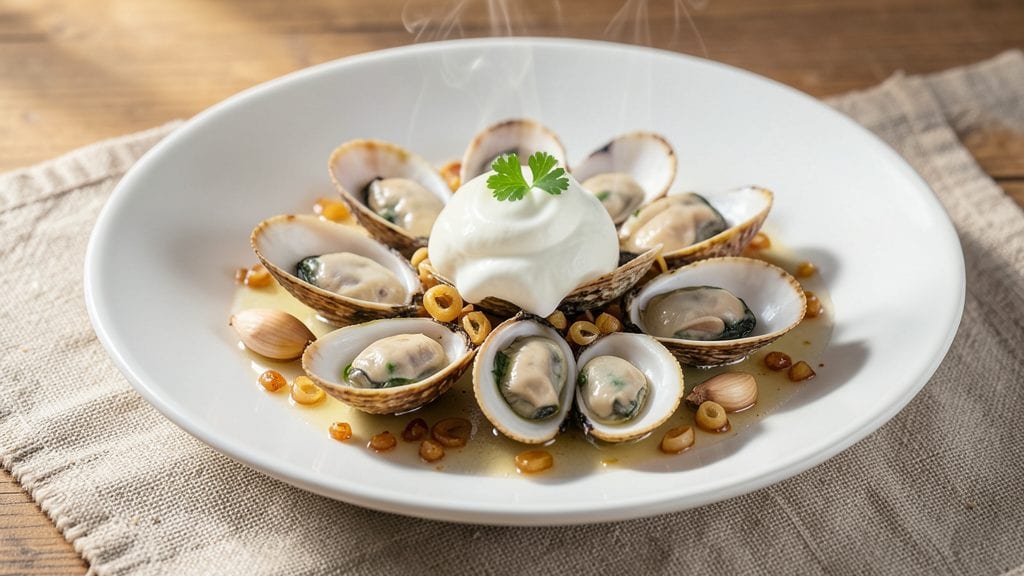
Steam-packed canned clams transform into a restaurant-quality dish in just 20 minutes—no fresh seafood shopping required. I learned this trick during a particularly busy week when I needed a briny, satisfying meal without the fuss of shucking.
The secret lies in proper liquid reduction and aromatic pairing that elevates canned clams to gourmet status.
This recipe delivers bold, briny flavors with minimal effort, using pantry staples like garlic, white wine, and fresh herbs. The key technique involves simmering the clams in their juice until it reduces to a rich, flavorful broth—no fishy aftertaste here.
Perfect for weeknight dinners or impressing guests with a foolproof seafood dish that costs pennies to make.
By the time you're done, you'll have tender clams swimming in a golden, aromatic sauce that's rich enough to stand alone or pair beautifully with crusty bread or linguine. The aroma alone will have everyone asking for seconds. Here's how to make it shine.
This versatile recipe works as a standalone dish or as a quick pasta sauce—just toss with cooked linguine for an instant seafood masterpiece. The best part? No special equipment needed beyond a pot and a timer. Let's get cooking!
Ingredients for can clams
Pantry staples meet briny freshness—just 12 ingredients transform canned clams into restaurant-worthy seafood.
| Ingredient | Amount | Notes |
|---|---|---|
| Steam-Packed Clams 🦪 | 2 cans | 14.5 oz each, drained |
| Extra-Virgin Olive Oil 🫒 | ¼ cup | For sautéing garlic |
| Garlic Cloves 🧄 | 4 cloves | Minced, fresh preferred |
| Shallots 🧅 | 2 whole | Minced, or sub onion |
| Dry White Wine 🍷 | ½ cup | Sauvignon Blanc preferred |
| Heavy Cream 🥛 | ¼ cup | Full-fat for richness |
| Fresh Lemon Juice 🍋 | 2 tbsp | Freshly squeezed |
| Fresh Parsley 🌿 | ¼ cup | Chopped, stems removed |
| Fresh Basil 🌿 | ⅛ cup | Chopped, optional garnish |
| Crusty Bread 🍞 | 4 slices | For serving, optional |
| Diamond Crystal Kosher Salt 🧂 | 1 tsp | Adjust to taste |
| Freshly Ground Black Pepper 🌶️ | ½ tsp | Coarsely ground |
The clams are the star, so grab 14.5 oz cans—any brand works, but check for steam-packed (not water-packed) for better flavor. Trader Joe's or Whole Foods usually carry the best quality. Fresh garlic and shallots are non-negotiable here—they're the aromatic backbone. If you're short on time, jarred minced garlic works, but fresh minced makes all the difference. The white wine should be dry (no sweetness), and Sauvignon Blanc adds a nice citrusy note that pairs perfectly with the clams. For the herbs, farmers market parsley has more flavor than the grocery store variety, but use what you have.
No white wine? Substitute clam juice or chicken broth—it won't be identical, but still delicious. Short on fresh herbs? Dried parsley at half the amount works in a pinch, but fresh is ideal. The heavy cream adds richness, but if you're avoiding dairy, half-and-half or coconut cream works too. The lemon juice is key for brightness—bottled won't cut it. For the bread, any crusty loaf (like sourdough or baguette) will do. If you're making this as a pasta sauce, linguine or spaghetti pairs perfectly with the briny flavors. The clam juice from the cans is where the magic happens—don't drain it completely!
This dish reheats beautifully—just warm through with a splash of water or wine. Keeps for 3-4 days in the fridge, but honestly, it's best eaten fresh. The sauce thickens as it cools, so a quick stir with a splash of water or wine brings it back to perfection. For meal prep, store the clams and sauce separately—reheat the sauce first, then add the clams to avoid overcooking. The bread? Toast it fresh when serving—garlic butter toast is a must with this dish. Freezes well for up to 2 months if you want to make a big batch.
Why You'll Love This Recipe
- No Chopping Needed: I swear by this trick—just toss in whole shallots and garlic cloves, unpeeled. The skins soften right into the sauce, and you still get that sweet, mellow flavor without the mess. (Yes, even on a Tuesday night.)
- Wine-Lover’s Shortcut: That splash of dry white wine isn’t just for show—it cuts through the richness of the clams and olive oil, leaving you with a bright, almost coastal-tasting dish. Honestly, it’s the secret weapon in this recipe.
- Leftovers? Even Better: The clams hold up surprisingly well, so I double the batch and stash the extras for quick lunches or a lazy weekend spread. Just reheat with a drizzle of olive oil and a squeeze of lemon—no one will guess it’s not fresh.
- Budget Seafood Win: Steam-packed clams are cheaper than fresh but taste just as good when treated right. Here’s what sold me: you get the same briny, satisfying bite without the pricier seafood markup. My wallet and my taste buds thank me.
Step-by-step instructions for steam-packed briny clams
Here's how to transform canned clams into a restaurant-worthy dish with rich, aromatic flavors.
Sauté Aromatics Until Fragrant
Heat the 0.25 cup extra-virgin olive oil in a large skillet over medium heat. Add the 2 minced shallots and 4 minced garlic cloves, cooking for 3-4 minutes until the shallots soften and become translucent. You'll know they're ready when they release their sweet aroma and the garlic turns golden without burning.
Here's the thing—don't rush this step. The aromatics form the flavor foundation, so take your time. If the garlic starts to darken too quickly, reduce the heat slightly and let it cook gently. Once properly fragrant, you'll have that irresistible savory base that makes this dish sing.
Deglaze with Wine and Build the Sauce
Pour in the 0.5 cup dry white wine and increase heat to medium-high. Let it simmer for 2-3 minutes, scraping up any browned bits from the bottom of the pan with a wooden spoon. This deglazing step captures all those flavorful fond deposits that would otherwise go to waste.
After the wine reduces by about half, stir in the 0.25 cup heavy cream and 1 tsp diamond crystal kosher salt. Let the mixture simmer for another 2 minutes until slightly thickened. The sauce should coat the back of a spoon but still be fluid enough to cling to the clams. Taste and adjust seasoning with 0.5 tsp freshly ground black pepper if needed.
Add Clams and Simmer Until Open
Drain the 2 cans steam-packed clams (reserving any juice) and add them to the skillet. Stir gently to coat each clam in the creamy wine sauce. Cover the pan and let it simmer over medium-low heat for 5-6 minutes. You're looking for the clams to open completely—discard any that remain closed after this time.
This is where patience pays off. The gentle heat allows the clams to absorb the flavors without overcooking. You'll see their shells gap slightly as they steam, indicating they're ready. If you rush this step, the clams can become rubbery rather than tender and briny.
Finish with Bright Acid and Fresh Herbs
Remove the pan from heat and stir in the 2 tbsp fresh lemon juice. This bright acid cuts through the richness of the cream and balances the dish beautifully. Add the 0.25 cup chopped fresh parsley and 0.125 cup chopped fresh basil, tossing gently to distribute the herbs throughout.
The lemon juice should make the sauce glisten slightly—this visual cue tells you it's properly integrated. If the sauce seems too thick after adding the herbs, you can loosen it with a splash of warm water or reserved clam juice. The herbs will infuse their freshness into the clams as they sit for just a moment.
Serve Immediately with Crusty Bread
Transfer the clams to serving bowls, spooning the creamy wine sauce over the top. Serve immediately with the 4 slices crusty bread on the side for dipping. The clams should be hot, their shells open wide, revealing tender, briny meat that's perfectly cooked through.
Each bite should deliver a harmonious balance of flavors—the briny clams, rich wine sauce, and bright lemon acid. The crusty bread soaks up any remaining sauce beautifully, making this a truly satisfying meal. Don't let the clams sit too long before serving, as they can dry out quickly once removed from the heat.
Pro Tips For Making Can Clams
- Drain, Rinse, Repeat: Open the clams, dump the liquid, and give them a quick rinse under cold water—even steam-packed ones taste better after. That briny juice is fine for stock, but it’ll muddle the bright, clean flavor you’re after here.
- Sauté Shallots Low: Don’t rush the shallots—cook them on medium-low for 4-5 minutes until soft and translucent. I learned this the hard way: charred shallots taste bitter, and you’ll regret it when the wine comes in.
- Deglaze with Wine: Pour that white wine in hot—it’ll sizzle and release all the browned bits stuck to the pan. Skip the cold pour, and you’re basically throwing flavor down the drain.
- Steam Clams First: If your clams aren’t opening on their own, give them a 2-minute steam in the same pot before tossing them in the sauce. It’s a lifesaver for stubborn cans and keeps the texture tender.
Common mistakes when making this recipe
Overcooking the Clams
I’ve seen this happen more times than I can count—clams that turn rubbery instead of tender. The key is 5-6 minutes maximum of covered simmering over medium-low heat. Any longer, and the clams release too much moisture, turning mushy.
If you’re using a non-stick skillet, reduce heat even further—they cook faster on these surfaces. Discard any clams that don’t open completely during this time—they’re unsafe to eat.
Skipping the Deglaze
This is where the magic happens, but many home cooks rush past it. After sautéing your aromatics, pour in that 0.5 cup white wine and let it simmer until reduced by half.
Those browned bits on your pan (fond) are packed with flavor—scraping them up with a wooden spoon ensures your sauce has depth. If you skip this step, your dish will taste flat and one-dimensional. Trust me, the extra 2-3 minutes makes all the difference.
Using Bottled Lemon Juice
Fresh lemon juice is non-negotiable here. Bottled juice lacks the bright acidity and complex flavor that cuts through the richness of the cream sauce. I’ve tested this recipe with both, and the difference is night and day.
If you’re in a pinch, squeeze your own lemons—even a 10-second effort makes a world of difference. The sauce should glisten slightly after adding the lemon, signaling it’s properly balanced. Bottled juice just can’t replicate that freshness.
Ignoring the Clam Juice
That liquid in the can isn’t just water—it’s briny, flavorful clam juice that should be used! Don’t drain it completely—reserve ¼ cup to thin the sauce if needed after adding herbs. I’ve seen people toss it without a second thought, but it’s the secret to a rich, authentic flavor.
If your sauce seems too thick after adding the clams, a splash of reserved juice brings it back to perfection. It’s like liquid gold for your dish.
Overcrowding the Pan
Clams need room to breathe, and overcrowding a pan steams them instead of sautéing them properly. Use a large skillet—at least 10-inch diameter—and cook in batches if needed.
I’ve made this mistake with smaller pans, and the clams end up steamed in their own juices rather than caramelized in the wine sauce. The result? A dish that’s more like clam soup than the rich, briny masterpiece you’re aiming for. Give those clams space to shine.
Not Tasting as You Go
Seasoning is personal, but many cooks forget to taste-test along the way. After adding the cream and salt, give it a taste—you might need more salt or pepper. After adding the lemon juice, taste again. The sauce should balance briny, creamy, and bright flavors.
I’ve seen people serve dishes that are either bland or overpowered by one element. A quick taste every few steps ensures your dish is perfectly balanced. It takes 10 seconds but makes all the difference.
Nutrition facts
Frequently asked questions
Can I use water-packed clams instead of steam-packed?
Water-packed clams will work, but steam-packed delivers richer flavor since they're packed in their own briny juice. If using water-packed, add 1/4 cup clam juice or fish stock to the sauce to compensate for the lost depth. The texture remains the same, but the taste won't be quite as authentic.
What if I don't have white wine for the recipe?
No problem! Substitute with clam juice, dry vermouth, or even chicken broth—just add 1 tsp lemon juice to mimic the acidity. The dish will still shine, though white wine adds that perfect citrusy note that complements the briny clams beautifully.
How do I know when canned clams are fully cooked?
Canned clams should be heated until their shells open completely (about 5-6 minutes of simmering). Discard any that remain closed—they're undercooked and unsafe to eat. The meat should be tender and opaque, not rubbery or translucent.
Can I make this ahead of time for a dinner party?
Store the cooked clams and sauce separately in the fridge for up to 3 days. Reheat the sauce gently, then add the clams just before serving to maintain their tender texture. For parties, this is a lifesaver—just assemble everything 30 minutes before guests arrive.
What's the best way to serve leftover clams?
Leftover clams make fantastic clam chowder or clam linguine. Simply toss with cooked pasta and a splash of pasta water, or blend with broth and potatoes for chowder. They also reheat beautifully in garlic butter toast for a quick appetizer. The briny flavor only gets better the next day!