Side Dishes
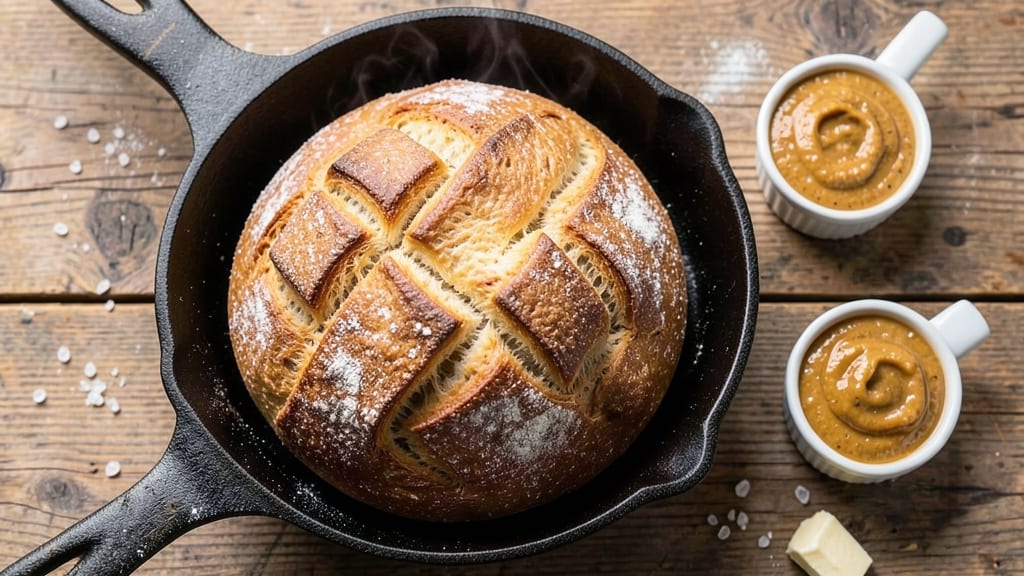
This Amish friendship sourdough bread recipe delivers the perfect balance of crusty exterior and sweet, swirled interior—a tradition passed down through generations with every bite. The beauty of this recipe lies in its simplicity: no-knead dough, long fermentation, and a touch of cinnamon-sugar swirl that makes it irresistible.
I first discovered this method while visiting an Amish community, where neighbors would share loaves as a gesture of friendship and hospitality.
The key to authentic Amish sourdough lies in the starter—fermented slowly over days to develop deep flavor—paired with a dough that rests overnight for maximum tenderness. Shaping the loaves into classic friendship knots or braids isn’t just decorative; it ensures even baking and that signature pull-apart texture.
The cinnamon-sugar swirl inside adds a subtle sweetness that contrasts beautifully with the rustic crust.
What you’ll achieve is a loaf with a golden, crackling crust and a soft, slightly sweet interior that’s perfect for sharing—or keeping all to yourself. The aroma alone will fill your kitchen with warmth, while the texture satisfies both the hands and the palate.
This bread pairs wonderfully with soups, stews, or even as a standalone treat with butter.
Whether you’re baking for a gathering or treating yourself to homemade goodness, this recipe captures the heart of Amish tradition—simple, wholesome, and deeply satisfying. Let’s get started on creating a loaf that tastes like home.
Ingredients for amish friendship sourdough bread
Four loaves of tradition: sourdough starter, flour, sugar, and butter create rustic warmth with sweet surprises inside.
| Ingredient | Amount | Notes |
|---|---|---|
| Active Sourdough Starter 🍞 | 1 cup | Unfed, bubbly starter (100% hydration) |
| All-Purpose Flour 🌾 | 5 cups | Unbleached, high-protein preferred |
| Granulated Sugar 🍚 | ¼ cup | White or light brown |
| Instant Yeast 🍞 | ¼ tsp | For backup fermentation |
| Diamond Crystal Kosher Salt 🧂 | 1 ½ tsp | Fine grain preferred |
| Unsalted Butter 🧈 | ½ cup | Cold, cubed for swirl |
| Ground Cinnamon 🌿 | 2 tbsp | Freshly ground preferred |
| Extra-Virgin Olive Oil 🫒 | ¼ cup | For dough and brushing |
| Cornmeal 🌽 | ½ cup | For dusting baking sheets |
| Water 💧 | 1 ½ cups | Room temperature preferred |
The sourdough starter is the soul of this recipe. Amish bakers often maintain starters for decades, feeding them daily with equal parts flour and water. For this recipe, your starter should be at its peak—bubbly, domed, and doubling in size within 4-6 hours after feeding. King Arthur Flour or Bob's Red Mill organic flour yield excellent results due to their high gluten content, but any unbleached all-purpose flour works. The butter should be cold and cubed—this ensures the swirl stays distinct rather than melting into the dough prematurely. If you're in a rush, you can use shortening instead, but butter delivers that authentic Amish richness.
No active starter? Instant yeast can jumpstart fermentation, though the flavor won't be identical. For the cinnamon-sugar swirl, substitute 1 tbsp pumpkin pie spice if you're out of cinnamon, but the flavor profile shifts slightly. The olive oil matters here—use a fruity, extra-virgin variety like California Early Harvest or Colavita for a bright, aromatic touch. If your dough feels too sticky, add 1 tbsp more flour, but avoid overworking it. The cornmeal isn't just for dusting; it adds a subtle sweetness to the crust. For a gluten-free version, swap the all-purpose flour for a 1:1 gluten-free blend, though texture will differ.
This dough is designed to rest overnight, so plan accordingly. Store shaped loaves in the fridge, covered with a damp towel, for up to 24 hours before baking. The baked loaves keep well at room temperature for 3 days, wrapped in a clean kitchen towel. For longer storage, freeze fully cooled loaves in airtight bags for up to 3 months. To revive, thaw at room temperature and warm in a 200°F oven for 10 minutes. The swirl inside stays tender for about 2 days—after that, the crust becomes the star. Slice with a serrated bread knife for clean cuts through the crust.
Why You'll Love This Recipe
- No-Knead Magic: I swear by this—just mix, let it rise, and bake. The sourdough starter does all the heavy lifting while I sip coffee.
- Sweet-Savory Balance: That touch of sugar and kosher salt? It’s the secret—crispy crust with a tender, slightly tangy crumb that’s ridiculously addictive.
- Panther in the Pantry: Freeze half the loaf and toast straight from frozen. Or tear it into rolls for sandwiches—this bread works breakfast, lunch, or dinner.
- Budget-Friendly Staple: Flour, sugar, and a little yeast stretch into a week’s worth of meals. My wallet and my family thank me every time.
Step-by-step instructions for Amish friendship sourdough bread
This method delivers a perfect balance of crisp crust, tender crumb, and sweet cinnamon swirls every time.
Prepare the Dough Base
In a large mixing bowl, combine the 1 cup active sourdough starter, 1.5 cups water, and 0.25 cup granulated sugar. Whisk until the sugar fully dissolves and the mixture becomes smooth. This creates a flavorful foundation that will develop during fermentation.
Gradually add the 5 cups all-purpose flour and 1.5 tsp diamond crystal kosher salt, mixing with a wooden spoon until a shaggy dough forms. The dough should be sticky but manageable. Cover the bowl with a damp towel and let it rest for 15 minutes at room temperature. This initial rest period helps the flour absorb the liquid and develops gluten structure.
After resting, add the 0.25 cup extra-virgin olive oil and the 0.25 tsp instant yeast. Mix thoroughly until the oil is fully incorporated and the dough becomes cohesive. The yeast acts as a backup to ensure proper fermentation alongside the sourdough starter.
Develop the Dough and Create the Cinnamon Swirl
Transfer the dough to a lightly floured surface and knead gently for 5-7 minutes until smooth and elastic. Avoid over-kneading, as this can develop too much gluten and make the bread dense. The dough should be soft but not sticky when handled.
While kneading, prepare the cinnamon swirl by mixing the 0.5 cup unsalted butter (cold, cubed) with the 2 tbsp ground cinnamon. Roll the butter mixture into a log and flatten slightly to create a rectangular shape. Wrap the dough around this butter-cinnamon log, sealing the edges tightly to encase the filling completely.
Shape the dough into a round loaf, tucking the edges under to create a smooth surface. Place it seam-side down in a bowl dusted with 0.25 cup cornmeal to prevent sticking. Cover with a damp towel and let it rise at room temperature for 1-2 hours, or until it has nearly doubled in size. The dough should feel light and springy when pressed gently.
Shape and Proof the Final Loaf
Preheat your oven to 375°F with a Dutch oven inside for 30 minutes. This ensures the bread gets a crisp crust from the start. While the oven heats, transfer the risen dough to a lightly floured surface and shape it into a round loaf, about 8 inches in diameter.
Place the shaped dough into the preheated Dutch oven, seam-side up. Cover the Dutch oven with its lid and bake for 30 minutes. Remove the lid and continue baking for an additional 15-20 minutes until the bread is deep golden brown and sounds hollow when tapped on the bottom.
Brush the top of the bread with a little extra-virgin olive oil while still warm for added shine and flavor. Let it cool on a wire rack for at least 1 hour before slicing. This resting period allows the crumb to set and prevents the bread from becoming gummy.
Slice and Serve
Once cooled, slice the bread into ½-inch thick pieces to reveal the beautiful cinnamon swirls within. The exterior should be crisp and golden, while the interior remains tender with pockets of sweet, buttery cinnamon throughout.
Serve warm with butter or jam for the ultimate Amish-style breakfast. The combination of the tangy sourdough starter and sweet cinnamon swirl creates a harmonious balance that makes this bread a standout centerpiece for any table.
Pro Tips For Making Amish Friendship Sourdough Bread
- Test Your Starter First: Skip the recipe if your starter’s sluggish—it should float in water like a drunk cork. Mix equal parts starter and warm water, drop in a bowl of water, and wait 5-10 minutes. If it doesn’t rise, feed it extra flour (1:1:1 ratio) 12 hours before baking and try again.
- Weigh Your Flour: Scooping flour from the bag packs in air pockets, making your dough dry and dense. Use a kitchen scale—this recipe needs exactly 500g all-purpose flour, not "a handful more." Spoon it in, then level off with a knife. Trust me, your bread will thank you.
- Salt Before Yeast: I learned this the hard way—adding salt after the yeast kills it faster than a cold shower. Sprinkle the 1½ tsp Diamond Crystal kosher salt directly into the flour before mixing in the yeast and sugar. The yeast will still wake up, but the dough won’t fight you later.
- Shape Tight, Rest Long: Don’t be gentle—press and fold the dough into a round loaf with the seams tight enough to hold a penny. Then, let it proof in a warm spot (75°F) for at least 2 hours, or until it’s puffed and jiggly. Rushing this step means a sad, flat loaf—your future toast depends on patience.
Storing and reheating this dish
Room-Temp Storage
This bread shines when served fresh, but you can store it at room temperature for up to 3 days if wrapped tightly in a clean kitchen towel or beeswax wrap. The towel helps maintain moisture while allowing the crust to stay crisp.
Place the loaf in a burlap sack or wooden bread box for that authentic Amish touch—it preserves texture better than plastic. I always store mine on the counter, away from direct sunlight, to prevent the butter swirl from softening too quickly. 🌾
Fridge Preservation
For longer freshness, refrigerate fully cooled loaves in an airtight container for up to 5 days. The cold slows down the butter's melting, keeping the swirl intact.
To revive, remove the bread from the fridge 30 minutes before serving and warm it in a 300°F oven for 5-7 minutes with a splash of water in the pan. This restores the crust's crunch while keeping the interior tender.
I find this method perfect for meal prep—just slice and serve straight from the fridge for breakfast. ❄️
Freezer-Friendly
Freezing is ideal for making ahead or sharing with neighbors. Wrap cooled loaves in plastic wrap followed by a foil layer, then place in a freezer bag to prevent freezer burn. Label with the date—these keep for up to 3 months.
To thaw, transfer the loaf to the fridge overnight. For a quick option, place the frozen loaf in a 200°F oven for 15-20 minutes until warmed through. The texture remains excellent, though the swirl may soften slightly. 🧊
Reviving Stale Bread
If your loaf loses its crunch, don’t toss it! Slice the bread and toast it in a 375°F oven for 5-8 minutes until golden and crisp again. For a creative twist, crumble stale pieces into French toast or bread pudding—the cinnamon swirl adds unexpected sweetness.
I also love using it as a base for croutons or breadcrumbs for meatballs. The flavor deepens as the bread ages, making it perfect for savory dishes. 🔥
Sharing Traditionally
True to its name, Amish friendship bread was meant to be shared. Wrap cooled loaves in parchment paper tied with twine, then present them in a wooden basket or woven basket for gifting. The swirl inside makes it a showstopper for holidays or neighborly visits.
I’ve seen Amish families bake multiple loaves, giving one to each household in their community. The act of sharing the bread symbolizes care and connection—something this recipe embodies perfectly. 🤝
Nutrition facts
Frequently asked questions
Why does Amish friendship bread have a cinnamon swirl?
The cinnamon-sugar swirl inside is a signature Amish tradition that adds subtle sweetness to contrast the tangy sourdough. This technique dates back to Pennsylvania Dutch settlers who incorporated simple spices into their bread-making. The butter in the swirl also creates a luxurious texture that makes every bite special.
Can I make this bread without a Dutch oven?
Yes, but your crust won't be as crisp. Use a heavy oven-safe skillet or place the dough on a parchment-lined baking sheet. For extra crustiness, bake with a metal bowl inverted over the loaf for the first 20 minutes. The bread will still taste delicious, just with a slightly softer exterior.
How do I know when my sourdough starter is ready?
Your starter should be bubbly, doubled in size, and have a slightly tangy aroma within 4-6 hours after feeding. If it smells like vinegar or looks flat, feed it again with equal parts flour and water. A good test: Drop a spoonful in water—if it floats, it's ready!
What's the best way to shape the friendship loaves?
Traditionally, Amish bakers shape the dough into round loaves with tucked edges or braided patterns. For beginners, a simple round shape works best—just pinch the edges tightly to seal. The key is creating surface tension for that signature pull-apart texture. Watch how the dough springs back when pressed gently.
Can I substitute the cinnamon swirl with other flavors?
Try apple-cinnamon (add diced apples), herb butter (mix rosemary and garlic into the butter), or cheddar-jalapeño (swap cinnamon for cheese and spices). Just keep the butter cold to maintain the swirl's structure. The Amish tradition keeps it simple, but variations make it your own!