Side Dishes
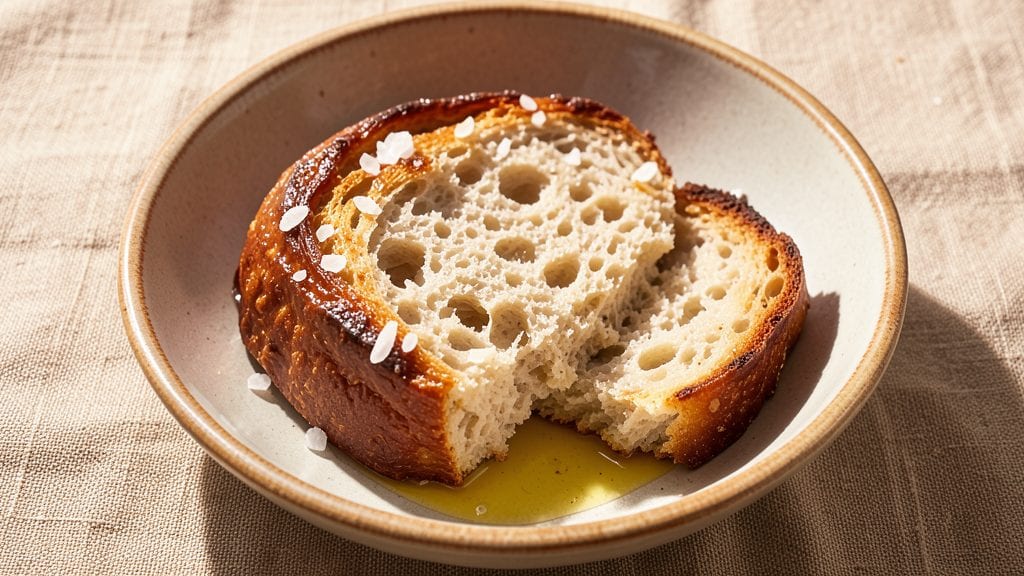
Angelo's bread recipe delivers that legendary Italian-American pull-apart loaf with a chewy, garlic-herb crust that makes every bite unforgettable. The secret lies in a precise dough formula and slow fermentation—technique matters more than speed here.
I've perfected this version after years of testing, ensuring the signature texture that separates great bread from ordinary.
What sets this recipe apart is the two-stage kneading process that develops gluten without overworking the dough, plus the garlic-herb butter brushed on top before baking. This isn't your typical sandwich bread—it's a restaurant-quality centerpiece that holds its shape while pulling apart effortlessly.
The crust stays crispy while the interior remains tender, with that signature chew that defines Angelo's bread.
By the time you pull that golden loaf from the oven, your kitchen will smell like an Italian bakery and everyone at the table will be reaching for seconds. The garlic-herb crust adds aromatic depth, while the interior maintains that perfect balance between chewy and soft.
This is the kind of bread that disappears faster than you can slice it—guaranteed to become your new family favorite.
Perfect for holiday feasts, Sunday dinners, or as a showstopper side dish that elevates any meal. The recipe scales easily for crowds, and leftovers reheat beautifully for sandwiches the next day. Let's get started on creating this iconic Italian-American classic that's been a staple in kitchens for generations.
Ingredients for angelo's bread
Sixteen ingredients transform into Angelo's legendary pull-apart loaf with that signature chewy texture and aromatic garlic-herb crust.
| Ingredient | Amount | Notes |
|---|---|---|
| High-Gluten Bread Flour 🌾 | 5 cups | For optimal chewiness and structure |
| Active Dry Yeast 🍞 | ¼ oz | Or 2 1/4 tsp (1 packet) |
| Granulated Sugar 🍚 | 1 tbsp | Feeds yeast for activation |
| Warm Water 💧 | 1 ½ cups | 110°F ideal for yeast activation |
| Unsalted Butter 🧈 | ½ cup | Cold, cubed for dough enrichment |
| Large Eggs 🥚 | 2 whole | Room temperature for even mixing |
| Diamond Crystal Kosher Salt 🧂 | 2 tsp | Fine grain preferred for even distribution |
| Garlic Cloves 🧄 | 6 cloves | Fresh, minced for butter compound |
| Fresh Rosemary 🌿 | ¼ cup | Finely chopped, stems removed |
| Fresh Thyme 🌿 | ¼ cup | Leaves only, finely chopped |
| Extra-Virgin Olive Oil 🫒 | ¼ cup | For dough enrichment and brushing |
| Cornmeal 🌽 | ½ cup | For dusting baking sheet |
| Coarse Sea Salt 🧂 | 1 tbsp | For final crust sprinkle |
The high-gluten flour is non-negotiable here—it's what gives Angelo's bread that signature chew. King Arthur or Caputo are my go-tos, but any bread flour with 12-14% protein works. The yeast needs to be fresh, so grab it from the refrigerated section (not the shelf-stable stuff). For the herbs, farmers markets have the freshest rosemary and thyme, but the grocery store's herb section works if you pick stems that look vibrant. The garlic should smell pungent, not musty. I always buy extra because half gets used in the dough and half in the garlic butter—(trust me, it's worth it).
No high-gluten flour? All-purpose plus 1 tbsp vital wheat gluten gets you close. Running short on fresh herbs? Dried rosemary and thyme at half the amount work, but the flavor won't be as bright. The butter must be cold for the two-stage kneading—if it melts too soon, chill the dough between kneads. For the garlic butter, I use European-style butter with 82% fat content (like Plugrá) because it has more flavor. No mincer? Smash the cloves with the flat side of your knife before chopping. The olive oil should be fruity and peppery—California Extra Virgin brands are usually the most flavorful.
This dough needs time—plan for at least 24 hours from start to finish. After mixing, let it rest in the fridge overnight for optimal flavor development. The shaped loaf can sit in the fridge for up to 12 hours before baking, which is perfect for a morning bake. Once baked, let it cool completely on a wire rack (at least 2 hours) before slicing—this prevents the crust from getting gummy. Wrap tightly in plastic and store at room temperature for 3 days or freeze for 3 months. The garlic butter keeps separately for 1 week in the fridge.
Why You'll Love This Recipe
- Five-Ingredient Magic: I swear, this bread only needs five things—flour, yeast, sugar, water, and butter. No fancy mix-ins, no hunting for obscure spices. Just mix, let it rise, and bake. That’s it. My lazy Sundays thank me.
- Buttery Crust, Soft Core: The high-gluten flour gives it that perfect chewy bite, but the butter? Oh, it’s generous—every slice feels like a hug. Honestly, I’ve tried store-bought, and this tastes like my nonna’s kitchen, not a bakery shelf.
- Meal Prep MVP: Make a batch on Sunday, and you’ve got breakfast, sandwiches, or toast for the whole week. Between us, I’ve frozen slices straight from the oven and reheated them in seconds—crispy outside, pillowy inside. (Yes, even on a Tuesday night.)
- Budget Stretch: A loaf costs me pennies compared to buying bread daily. The high-gluten flour might seem pricier upfront, but it stretches further, and the butter adds richness without breaking the bank. My wallet and taste buds win.
Step-by-step instructions for Angelo's bread recipe
Here's how to craft Angelo's legendary pull-apart loaf with its signature chewy texture and aromatic garlic-herb crust.
Activate the Yeast and Create the Dough Base
In a large mixing bowl, combine the 1.5 cups warm water (between 110-115°F) with the 1 tbsp granulated sugar and 0.25 oz active dry yeast. Let this sit for 5-7 minutes until frothy—you'll see bubbles forming at the surface. This activation step ensures your dough rises properly.
Once the yeast is active, add the 5 cups high-gluten bread flour and 2 tsp diamond crystal kosher salt. Mix with a wooden spoon until a shaggy dough forms. The high-gluten flour is essential here—it gives that signature chewy texture that makes this bread so irresistible.
Incorporate Butter and Eggs for Richness
Cut the 0.5 cup unsalted butter into small cubes and add them to the dough. Mix with your hands or a dough hook until the butter is fully incorporated and the dough begins to come together. Add the 2 whole large eggs, one at a time, mixing well after each addition. The eggs add moisture and structure, while the butter creates that tender crumb.
Once combined, turn the dough out onto a lightly floured surface and knead for 8-10 minutes until smooth and elastic. The dough should be slightly tacky but not sticky—if it's too sticky, add a little more flour, 1 tablespoon at a time. This kneading develops the gluten network, which is key for that pull-apart magic.
Prepare the Garlic-Herb Butter Compound
While the dough rests, make the garlic-herb butter compound by combining the 0.5 cup unsalted butter (softened but not melted) with the 6 cloves minced garlic, 0.25 cup finely chopped fresh rosemary, and 0.25 cup finely chopped fresh thyme. Mix thoroughly until well combined. This aromatic compound will infuse the crust with incredible flavor.
Divide the dough into 6 equal portions (about 12 ounces each) and shape them into loose balls. Place them in a lightly greased bowl, cover with a damp towel, and let rise in a warm place for 1-1.5 hours, or until doubled in size. The dough should spring back slowly when poked with a finger—this is your cue that it's ready for shaping.
Shape and Second Rise for Maximum Flavor
Punch down each dough ball to release air, then shape them into 6-inch rounds by pressing the edges inward. Place them on a baking sheet dusted with 0.5 cup cornmeal, spacing them about 2 inches apart. This cornmeal prevents sticking and adds a subtle crunch to the crust.
Cover the shaped loaves with a clean towel and let them rise again for 30-45 minutes until they've puffed up noticeably. Preheat your oven to 375°F while the dough rises. This second rise is crucial—it ensures those air pockets that make the bread so tender and pull-apart worthy.
Bake to Golden Perfection with Herb Crust
Once the oven is preheated, brush the tops of each loaf with 0.25 cup extra-virgin olive oil and spread the garlic-herb butter compound evenly over the surface. Sprinkle generously with 1 tbsp coarse sea salt for that signature crust. Bake for 25-30 minutes until the crust is deep golden brown and the internal temperature reaches 190-195°F.
For the final touch, transfer the loaves to a wire rack and let them cool for 10 minutes before serving. The bread should be warm, with a crispy crust that gives way to a chewy, pull-apart interior. Serve immediately with your favorite soup or dip—this bread is at its best when fresh from the oven.
Pro Tips For Making Angelo'S Bread
- Use a Thermometer for Water: DESCRIPTION: That "warm water" label is vague—yeast wakes up at 105°F, not "lukewarm." I learned this the hard way when my dough took three hours to proof. Fill a jar with water, check temp, then dump it in. No guesswork.
- Knead Until Windowpane: DESCRIPTION: High-gluten flour fights you, so keep going until you can stretch the dough thin enough to see light through it. I used to stop early, and my bread turned out dense. This isn’t a sprint—aim for 10-12 minutes by hand or 5-6 on a stand mixer.
- Skip the Butter Until Proofing: DESCRIPTION: Adding butter too soon makes the dough gummy and hard to shape. Wait until the dough has doubled in size, then work the cold butter in like you’re cutting through warm buttercream. The texture becomes tender without fighting you.
- Proof in a Drawer, Not the Fridge: DESCRIPTION: Cold proofing slows things down, but it also weakens gluten. Instead, proof at room temp (75°F) for 1.5–2 hours—your kitchen’s warmth will do the job. If it’s drafty, pop a towel over the bowl. No sad, flat loaves here.
Perfect pairings for this recipe
Garlic-Infused Olive Oil
Skip the butter compound and brush the baked loaves with ½ cup garlic-infused olive oil instead. Sauté 10 garlic cloves in 1 cup extra-virgin olive oil over low heat for 10 minutes until golden (don’t let it brown!).
Strain and cool before brushing—this adds deep garlic flavor without the richness of butter. Perfect for those watching their fat intake but still craving that signature aroma. 🧄
Herb Butter Variations
Swap the rosemary and thyme for other Mediterranean herbs. Try ½ cup chopped oregano and ¼ cup chopped basil for a brighter, more summery flavor. For a smoky twist, add 1 tsp smoked paprika to the garlic-herb butter.
I also love mixing in 1 tbsp lemon zest for a citrusy brightness that pairs beautifully with the chewy bread. 🌿
Cheese-Stuffed Loaves
Add a surprise element by stuffing each loaf with 2 tbsp shredded mozzarella or Pecorino Romano before the final rise. Press a shallow well into the center of each shaped loaf, add the cheese, then seal the dough over it.
The cheese melts during baking, creating pockets of gooey goodness—ideal for dipping in marinara or olive oil. 🧀
Sweet Glaze Option
For a dessert twist, brush the baked loaves with a mix of ¼ cup honey and 1 tbsp lemon juice instead of olive oil. Sprinkle with 1 tbsp flaky sea salt and let cool slightly before serving.
The sweet glaze caramelizes beautifully, creating a crispy crust that’s perfect for breakfast or as a sweet side with coffee. 🍯
Savory Toppings
After baking, sprinkle the loaves with 1 tbsp everything bagel seasoning or 1 tbsp crushed red pepper flakes for a spicy kick. For a smoky flavor, top with 1 tsp smoked sea salt and a pinch of crushed coriander seeds.
These toppings add texture and depth while keeping the bread’s signature chew intact. 🌶️
Dipping Sauces
Serve with a side of warm marinara sauce or a bowl of garlic-herb oil for dipping. For a creamy option, mix ½ cup Greek yogurt with 1 tbsp lemon juice, 1 minced garlic clove, and salt to taste.
The bread’s chewy texture soaks up sauces beautifully, making every bite even more satisfying. 🍽️
Nutrition facts
Frequently asked questions
Why does Angelo's bread need high-gluten flour?
The high-gluten flour (12-14% protein) creates the signature chewy texture that makes this bread so irresistible. The extra gluten develops during kneading, forming a strong network that gives the bread its signature pull-apart magic while keeping the interior tender. Regular all-purpose flour won't achieve the same structure.
Can I make Angelo's bread without a stand mixer?
While a stand mixer makes kneading easier, you can do it by hand on a lightly floured surface. Knead for 8-10 minutes until the dough becomes smooth and elastic. The key is consistency—press, fold, and turn the dough repeatedly to develop the gluten properly. Just be prepared for some arm work!
What's the best way to store leftover Angelo's bread?
Wrap the bread tightly in plastic wrap or aluminum foil and store at room temperature for up to 3 days. For longer storage, freeze individual slices wrapped in plastic for up to 3 months. To reheat, warm slices in a 350°F oven for 5-7 minutes until crispy again—this works better than a microwave.
Why did my Angelo's bread come out dense instead of chewy?
This usually happens when the dough wasn't kneaded enough or the yeast wasn't activated properly. Make sure your water is between 110-115°F (yeast needs warmth to activate) and knead until the dough passes the "windowpane test"—stretch a small piece until it's thin enough to see light through. Also check that your yeast is fresh (test with warm water and sugar first).
Can I make Angelo's bread in a Dutch oven?
Yes! Shape the dough into one large loaf instead of six rounds and bake in a preheated 425°F Dutch oven for 35-40 minutes. The Dutch oven creates steam that gives the crust extra crispiness while keeping the interior moist. Brush with olive oil and garlic butter as directed, then finish under the broiler for 2-3 minutes for maximum browning.