
Breakfast & Brunch
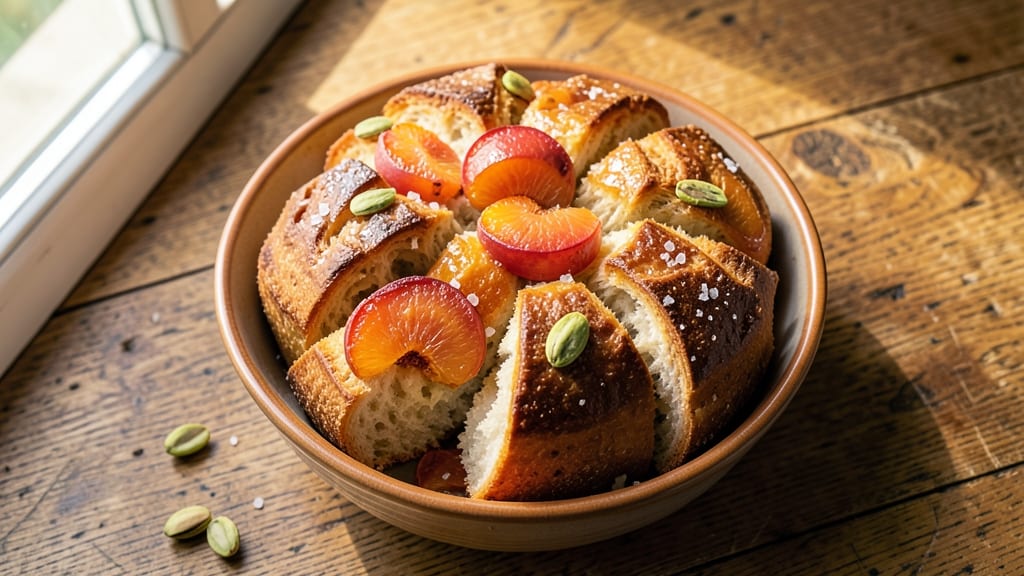
This apricot yeast bread recipe transforms a simple loaf into a fragrant, fruit-studded masterpiece with a golden crust that cracks open to reveal tender crumb and bursts of dried apricot.
The secret lies in balancing yeast fermentation with sweet fruit, creating a bread that’s both rustic and refined—perfect for breakfast or a sophisticated snack.
I developed this recipe after years of experimenting with fruit-infused doughs, and the result is a loaf that stays fresh for days while delivering that perfect harmony of sweet, buttery, and slightly tangy flavors.
The dough begins with a classic yeast activation, but the real magic happens when you fold in chopped dried apricots and a touch of citrus zest—this brightens the fruit’s natural sweetness while adding depth.
A slow rise at room temperature allows the yeast to develop complex flavors, while a final proof in the fridge ensures an even bake. The crust, brushed with melted butter, becomes beautifully blistered and aromatic, locking in all those apricot notes.
What you’ll end up with is a loaf that’s tender yet sturdy, with pockets of jammy apricot scattered throughout. Each slice offers a perfect balance of buttery richness and fruity brightness, making it ideal for toast, sandwiches, or enjoying straight from the oven with a pat of softened butter.
The recipe scales easily, so you can bake one small loaf or double the batch for gifts.
For those who love texture, try adding a sprinkle of flaky sea salt on top before baking, or swap the dried apricots for fresh apricot jam swirled into the dough. The possibilities are endless, but the core technique remains foolproof—once you master it, you’ll never buy store-bought bread again.
Ingredients for apricot yeast bread
Sweet apricot bursts and buttery crust—just 12 ingredients for a loaf that feels like a bakery secret.
| Ingredient | Amount | Notes |
|---|---|---|
| Active Dry Yeast 🍞 | 2 ¼ tsp | Single-use packet preferred |
| Warm Water 💧 | ¼ cup | 110°F for yeast activation |
| All-Purpose Flour 🌾 | 4 cups | Sifted, for light texture |
| Granulated Sugar 🍚 | ¼ cup | Brown sugar for deeper flavor |
| Unsalted Butter 🧈 | ½ cup | Cold, cubed for dough |
| Large Eggs 🥚 | 1 whole | Room temperature for mixing |
| Dried Apricots 🍑 | ¾ cup | Chopped, unsulfured preferred |
| Lemon Zest 🍋 | 1 tbsp | Fresh, for citrus brightness |
| Salt 🧂 | 1 ½ tsp | Fine sea salt preferred |
| Milk 🥛 | ¼ cup | Warmed, for tender crumb |
| Melted Butter 🧈 | 2 tbsp | For crust brushing |
| Flaky Sea Salt 🧂 | ½ tsp | Optional, for topping |
The yeast is your MVP here—King Arthur or Bob’s Red Mill brands stay fresh longer. If your dried apricots look dull, soak them in warm water for 10 minutes to revive their jammy texture. Trader Joe’s has the best unsulfured variety, but any organic brand works. For the butter, I always grab Plugrá—it’s European-style and melts beautifully. The lemon zest? Use a microplane for maximum flavor punch. Fresh is non-negotiable here—dried zest loses its zing fast.
No dried apricots? Substitute dried figs or raisins, but reduce to 0.5 cup—figs are more intense. Short on butter? Coconut oil works in a pinch, but it’ll make the crust less tender. The milk can be swapped for plant-based milk, though the texture might be slightly denser. For extra richness, add 1 tbsp of honey or maple syrup to the dough. And if you’re feeling fancy, fold in 1 tbsp of almond flour for a nutty twist.
This dough is a patient one—let it rise 1-2 hours at room temp, then chill overnight for deeper flavor. Wrap tightly in plastic and store in the fridge for up to 3 days. Once baked, keep at room temp for 2 days or freeze slices for 3 months. Toasting revives stale slices—just 30 seconds in the toaster with a pat of butter. I always bake two loaves: one for the week and one to freeze for lazy mornings.
Why You'll Love This Recipe
- No-Knead Magic: I swear by this recipe because it’s the rare bread that doesn’t demand my full attention. Just mix the warm water, yeast, and a pinch of sugar—let it foam for 5 minutes—then fold in the flour and softened butter. No stand mixer, no overworking, no stress. The dough comes together in minutes, and the slow rise in the fridge means I can set it and forget it overnight.
- Sweet Without Trying: That first bite? It’s like summer in a loaf. The apricots—whether fresh, dried, or even a splash of apricot jam—add natural sweetness that cuts through the buttery richness of the crust. Honestly, the sugar in the dough and the fruit play off each other so well, I’ve caught myself sneaking extra slices when no one’s looking.
- Breakfast to Brunch: This bread is my lazy weekend hero. Toast it thick for French toast with a drizzle of honey and cinnamon, or split it open for a jam-and-cream cheese sandwich that’ll make your coffee taste better. I’ll be real: my kids beg for it at breakfast, and it’s just as welcome at a picnic or packed in lunchboxes. The butter keeps it rich, but the fruit keeps it from feeling heavy.
- Leftovers That Last: Between us, this loaf disappears fast—but the good news is, it’s one of those recipes where the second day is almost better. The crust stays crisp, the crumb softens just enough to soak up jam, and the flavor deepens. Plus, it’s budget-friendly: a single batch feeds my family for days, and the ingredients won’t break the bank. Store it wrapped at room temp, and you’ve got a no-fuss stash for snacks or quick meals.
Step-by-step instructions for apricot yeast bread recipe
Here's how to create a perfectly sweet, fruity loaf with a golden crust and tender crumb every time.
Activate the Yeast and Mix the Dough
In a small bowl, combine the 2.25 tsp active dry yeast with the 0.25 cup warm water (about 110°F) and 0.25 cup granulated sugar. Let it sit for 5-7 minutes until it becomes frothy and bubbly—this confirms your yeast is alive and ready to work. If it doesn't bubble, your bread won't rise properly.
In a large mixing bowl, whisk together the 4 cups all-purpose flour and 1.5 tsp salt. Add the yeast mixture, 0.5 cup unsalted butter (cut into small cubes), 1 whole large egg, 1 tbsp lemon zest, and 0.25 cup milk. Mix with a wooden spoon or dough hook until the dough starts to come together. This should take about 3-4 minutes—you'll see a shaggy mass forming.
Knead Until Smooth and Elastic
Turn the dough onto a lightly floured surface and knead for 8-10 minutes until it's smooth, elastic, and no longer sticky. You'll know it's ready when it springs back slowly when poked. If it feels too dry, add 1 tsp milk at a time until it reaches the right consistency.
Real talk: This is where the magic happens. Proper kneading develops gluten, which gives your bread that perfect structure. Don't rush it—under-kneaded dough leads to dense, heavy bread. Once you've got a smooth ball, place it back in the bowl, cover with a clean kitchen towel, and let it rise in a warm spot for 1-1.5 hours, or until it doubles in size.
Fold in Apricots and Shape the Loaf
After the dough has risen, punch it down gently to release air. Chop the 0.75 cup dried apricots into small pieces and fold them into the dough along with the 2 tbsp melted butter. Mix just until the apricots are evenly distributed—overmixing will deflate the dough. Cover again and let it rise for another 30-45 minutes until puffy.
Shape the dough into a loaf by folding the sides toward the center, creating a smooth surface. Place it seam-side down in a greased 9x5-inch loaf pan. Cover with the towel and let it rise for 30-45 minutes until it reaches the top of the pan. This final rise ensures a light, airy texture.
Bake to Golden Perfection
Preheat your oven to 375°F. Brush the top of the dough with a little milk for a shiny crust. Bake for 30-35 minutes until the bread is golden brown and sounds hollow when tapped on the bottom. If the top browns too quickly, loosely cover it with foil after 20 minutes to prevent over-browning.
Here's the thing—your bread is done when it reaches an internal temperature of 190-200°F. Let it cool in the pan for 10 minutes, then transfer to a wire rack. Brush the warm loaf with 2 tbsp melted butter and sprinkle with 0.5 tsp flaky sea salt for that perfect finish. Slice while still warm for the best texture and flavor.
Pro Tips For Making Apricot Yeast Bread
- Test Yeast First: Skip the guesswork—mix 1 tsp yeast with ¼ cup warm water (110°F) and 1 tsp sugar, then wait 5–10 minutes. If it doesn’t foam, your yeast is dead or your water’s too hot, and your bread will flop like a sad soufflé. Trust me, this 2-minute check saves hours of frustration.
- Soften Butter Properly: Cold butter makes dense bread, but melted butter washes out flavor. Instead, cut it into small cubes and let them sit at room temp for 20–30 minutes until they’re soft but still hold shape—like a firm pat of butter, not a puddle. Your bread’s texture and apricot shimmer will thank you.
- Knead Until Silky: Stop when the dough springs back slowly after poking it (about 8–10 minutes by hand). Over-kneading turns gluten into a chewy nightmare, while under-kneading leaves your bread gummy. I learned this after making a loaf that tasted like a sad, dense hockey puck—don’t repeat my mistake.
- Proof in a Draft-Free Spot: Warmth (75–80°F) and zero drafts are non-negotiable. If your kitchen’s chilly, proof the dough in a turned-off oven with the light on (it’s warm enough) or a microwave with a cup of hot water nearby. Cold proofing = slow rise = flat, sad bread. Your future self will curse you if you skip this.
Flavor customization for this dish
Citrus Variations
Brighten your apricot bread even more by swapping the lemon zest for orange or lime zest—just 1 tbsp of either works beautifully. Orange adds a warm, slightly floral note that pairs perfectly with the apricot’s natural sweetness, while lime brings a sharper tang that cuts through the fruit’s richness.
For an extra zing, fold in 1 tsp of orange or lime juice along with the zest. I’ve also experimented with a mix of both—½ tbsp lemon and ½ tbsp orange zest—for a well-rounded citrus punch. 🍊
Spiced Apricot Twist
Infuse warmth into your loaf by adding ½ tsp ground cinnamon or ¼ tsp cardamom directly to the dough during mixing. These spices complement the apricot’s caramelized notes and create a cozy, almost dessert-like flavor profile.
For a bold kick, try ¼ tsp cayenne pepper—it adds subtle heat that balances the sweetness. I love using Penzeys Spices for their high-quality, aromatic blends. Just be mindful not to overdo it, as spices can dominate the bread’s natural fruitiness.
Nutty Additions
For texture and depth, fold in ¼ cup chopped walnuts or pecans along with the dried apricots. The nuts add a satisfying crunch and a buttery richness that enhances the bread’s overall structure.
If you’re feeling adventurous, toast the nuts in a dry pan over medium heat for 3-4 minutes until fragrant—this intensifies their flavor. For a lighter touch, try 1 tbsp almond flour mixed into the dough for a subtle nutty undertone without the texture contrast. 🌰
Sweetener Swaps
Adjust the sweetness level by swapping granulated sugar for brown sugar (same amount) or even honey (reduce by 2 tbsp due to its liquidity). Brown sugar adds a deeper, molasses-like flavor that pairs exceptionally well with apricots. Honey not only sweetens but also keeps the bread moist longer.
For a more sophisticated touch, use maple syrup—just replace the sugar with ¼ cup and reduce the milk by 2 tbsp to maintain the dough’s consistency. Each sweetener alters the bread’s moisture and flavor profile, so experiment to find your favorite.
Herbal Infusions
Add freshness with 1 tbsp chopped fresh rosemary or thyme mixed into the dough. These herbs bring an earthy, aromatic quality that contrasts beautifully with the apricot’s jammy sweetness. Rosemary’s piney notes work especially well with orange zest, while thyme’s floral undertones complement lemon.
For a subtler herbal touch, try 1 tsp dried lavender—it adds a delicate floral aroma but use sparingly, as it can overpower if used too liberally. Always use culinary-grade herbs to avoid any bitter or soapy flavors. 🌿
Dairy-Free Adaptations
Make this bread vegan-friendly by replacing the egg with 1 tbsp ground flaxseed mixed with 3 tbsp water (let it sit for 5 minutes to thicken). For the butter, use ½ cup vegan butter or coconut oil (though the texture may be slightly denser).
Swap the milk for unsweetened almond or oat milk, and ensure your yeast is fresh—vegan doughs can be trickier to rise. I’ve found that Miyoko’s vegan butter works exceptionally well for a rich, buttery flavor without compromising the bread’s structure.
The crust may not be as golden, but the crumb remains tender and delicious. 🌱
Nutrition facts
Frequently asked questions
Can I use fresh apricots instead of dried?
Fresh apricots won't work in this recipe—they contain too much moisture and will make the dough soggy. For a fresh fruit version, try making an apricot jam first (simmer chopped fresh apricots with sugar and lemon juice), then swirl ¼ cup into the dough after the first rise. This maintains the fruit's brightness while keeping the texture perfect.
Why did my bread not rise properly?
Most likely your yeast was too old or the water wasn't warm enough (110°F). Always check the yeast expiration date and test it first by mixing with warm water and sugar—it should bubble within 5-7 minutes. If your kitchen is cold, place the dough in a slightly warm oven (with light on) for rising instead of room temperature.
How can I make this bread less sweet?
Reduce the sugar by 2 tbsp and use unsweetened dried apricots (check the package). For extra balance, add ½ tsp cinnamon or ¼ tsp cardamom—these spices enhance the fruit's natural sweetness without needing more sugar. The lemon zest also helps cut through sweetness, so don't skip that!
Can I bake this in a Dutch oven for a crisper crust?
Shape the dough into a round boule instead of a loaf. Place it in a preheated Dutch oven with a lid for 20 minutes, then remove the lid and bake 10-15 minutes more until golden. This creates a beautiful crackly crust while keeping the interior tender. Just reduce the butter brushing to 1 tbsp since the Dutch oven adds extra moisture.
How do I store leftovers?
Wrap cooled slices tightly in plastic wrap or store in an airtight container at room temperature for 2 days. For longer storage, freeze slices for up to 3 months. To revive stale bread, wrap in a damp towel and microwave for 10-15 seconds before toasting. The crust stays crispy best when reheated briefly!