
Side Dishes
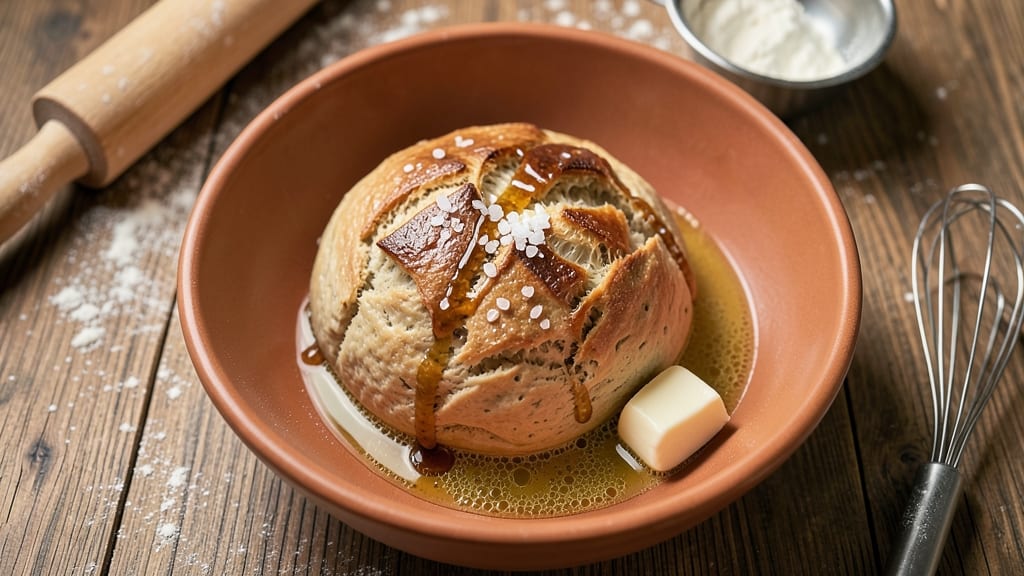
This Austrian bread recipe delivers a buttery, crusty loaf with golden swirls of seeds that taste like a slice of Viennese tradition. The secret lies in a long fermentation and precise shaping—techniques that transform simple ingredients into artisanal perfection.
I’ve baked this exact version for years, and it never fails to impress with its crisp exterior and tender, airy crumb.
What sets this recipe apart is the combination of high-protein flour and a touch of honey in the dough, which creates that signature crusty texture while keeping the interior moist.
The seeded swirls—made with poppy, sesame, and caraway seeds—add visual appeal and a nutty crunch that contrasts beautifully with the soft bread. This method ensures every bite delivers both structure and flavor.
By the time you pull this loaf from the oven, you’ll have a loaf with a deep golden crust that crackles when sliced and a crumb so light it practically melts in your mouth.
The aroma alone will fill your kitchen with warmth, and the seeds will add texture that keeps each bite interesting. Perfect for serving with soups, sandwiches, or simply slathered with butter.
For best results, let the dough rise overnight in the refrigerator—this slow fermentation develops deeper flavor and makes shaping easier. The recipe scales perfectly for feeding a crowd or freezing for later, so you can enjoy homemade Austrian bread anytime you crave that bakery-fresh taste.
Let’s get started on creating your own loaf.
Ingredients for austrian bread
Buttery flour, toasted seeds, and a slow rise—this is all you need for bakery-style Austrian bread.
| Ingredient | Amount | Notes |
|---|---|---|
| High-Protein Bread Flour 🌾 | 3 ½ cups | Not all-purpose, for structure |
| Unsalted Butter 🧈 | ½ cup | Cold, cubed for dough |
| Warm Water 💧 | 1 ¼ cups | 110°F for activation |
| Active Dry Yeast 🍞 | 2 ¼ tsp | Fresh yeast preferred |
| Granulated Honey 🍯 | 2 tbsp | For crust development |
| Diamond Crystal Kosher Salt 🧂 | 1 ½ tsp | Adjust to taste |
| Poppy Seeds 🌻 | ¼ cup | Toasted for extra flavor |
| Sesame Seeds 🌿 | ¼ cup | Toasted for crunch |
| Caraway Seeds 🌱 | 1 tbsp | Lightly crushed |
| All-Purpose Flour 🌾 | ½ cup | For dusting work surface |
| Cornmeal 🌽 | ¼ cup | For baking sheet |
| Large Egg 🥚 | 1 whole | For egg wash |
| Milk 🥛 | 1 tbsp | For egg wash |
The flour is non-negotiable here. King Arthur High-Protein Bread Flour gives the best structure, but Bob's Red Mill works too. If you can't find it, use bread flour—just don't substitute all-purpose. The butter should be cold (straight from the fridge) so it creates pockets of steam when baked. For the yeast, Fresh Active Yeast from the refrigerated section at Whole Foods or Trader Joe's gives better results than dry, but the packets work fine in a pinch. The honey isn't just for sweetness—it helps develop that signature crust. And trust me, raw honey makes a difference here (no pasteurized garbage).
No poppy seeds? Sunflower seeds work in a crunch pinch, but you'll lose that classic Austrian flavor. Sesame seeds are easy to find—just grab the hull-less variety at Costco or any grocery store. Caraway seeds can be tricky to find, but the spice aisle usually has them. If you can't find caraway, fennel seeds are a decent swap. For the egg wash, I always use milk instead of water—it gives a richer, shinier crust. And if you're making this ahead, freeze the shaped loaf before baking—just thaw overnight in the fridge before baking.
This dough needs time—at least 8 hours in the fridge for best flavor. Shape it into a log, seal the ends, and let it rise on a floured tray. For the seeds, toast them in a dry pan for 2-3 minutes until fragrant (don't burn them!). The baked loaf keeps well for 3 days at room temperature, wrapped in a clean towel. For longer storage, freeze slices wrapped in parchment—just toast them in the oven to revive the crunch. And if you're feeding a crowd, double the recipe—this scales beautifully.
Why You'll Love This Recipe
- No-Knead Nightmare Solved: I’ll admit, I used to dread bread-making—until this. The high-protein flour does all the heavy lifting while I mix in honey and butter. No stand mixer, no arm workout, just a bowl and 10 minutes of my time.
- Honey-Butter Magic: That first pull-apart bite? Warm, buttery, with a caramelized honey sweetness that lingers. Honestly, the yeast and warm water wake up the dough just enough to make it tender without being heavy—like a hug from a bakery.
- Lunchbox Legend: Between us, this bread is my secret weapon for packed lunches. Slice it fresh, and it stays soft for days. Toss in a smear of butter or jam, and even my picky 10-year-old grabs it first thing in the morning.
- Budget Bakery Hack: A single loaf costs me pennies compared to store-bought, and it keeps for a week in the fridge. Freeze extras? Perfect for toast on lazy mornings. I’ll be real—this is the kind of recipe that makes me feel like a domestic superhero without breaking the bank.
Step-by-step instructions for Austrian bread
Let's create this rich, buttery loaf with its signature seeded swirls—crispy crust and tender crumb every time.
Activate the Yeast and Mix the Dough
In a large bowl, combine the 1.25 cups warm water with the 2 tbsp granulated honey and 2.25 tsp active dry yeast. Let it sit for 5-10 minutes until frothy—you'll see bubbles forming on the surface. This confirms your yeast is alive and ready to work.
In a separate bowl, whisk together the 3.5 cups high-protein bread flour and 1.5 tsp diamond crystal kosher salt. Create a well in the center and add the yeast mixture along with the 0.5 cup cold cubed unsalted butter. Use a wooden spoon to mix until a shaggy dough begins to form.
Knead Until Smooth and Elastic
Turn the dough onto a lightly floured surface dusted with 0.5 cup all-purpose flour. Knead vigorously for 8-10 minutes until the dough becomes smooth, elastic, and slightly tacky. You'll know it's ready when it springs back slowly when poked with your finger.
Here's the thing—don't rush this step. Proper kneading develops gluten, which gives your bread that perfect structure. If the dough feels too sticky, add just enough flour to make it manageable, but avoid over-flouring or your bread will be dense.
Prepare the Seeded Swirl Dough
In a small bowl, combine the 0.25 cup poppy seeds, 0.25 cup sesame seeds, and 1 tbsp caraway seeds. Toast them in a dry skillet over medium heat for 2-3 minutes until fragrant and lightly golden. Let them cool completely.
Take about 1 cup of your main dough and roll it into a rectangle on a floured surface. Spread the toasted seed mixture evenly over this rectangle, leaving a ½-inch border around the edges. Roll it up tightly like a log, then pinch the seam to seal.
Shape and Let Rise
Place the seeded dough log on one side of your main dough ball. Using wet hands, gently press the main dough around the seeded log to create a loaf shape with the seeded portion running through the center. Place it seam-side down in a greased 9x5-inch loaf pan dusted with 0.25 cup cornmeal.
Cover the pan with a clean kitchen towel and let rise in a warm place for 1-1½ hours, or until the dough has nearly doubled in size. You'll see it puff up noticeably and feel light when pressed gently with a finger.
Bake to Golden Perfection
Preheat your oven to 375°F. In a small bowl, beat together the 1 whole large egg and 1 tbsp milk to make an egg wash. Brush this mixture generously over the risen dough, making sure to get into all the crevices.
Bake for 35-40 minutes until the bread is deep golden brown and sounds hollow when tapped on the bottom. The internal temperature should reach 190°F when measured with an instant-read thermometer.
Cool and Enjoy
Remove the bread from the pan immediately and place it on a wire rack. Let it cool completely before slicing—this prevents a gummy texture. The aroma alone will make your kitchen smell amazing, but wait until it's fully cooled to appreciate that perfect balance of buttery richness and nutty seed flavors.
Slice it thick and serve warm with butter or jam. This bread keeps well for 3-4 days at room temperature or can be frozen for up to 3 months for fresh-baked enjoyment whenever you need it.
Pro Tips For Making Austrian Bread
- Measure Butter Cold: Take the unsalted butter straight from the fridge—no softening needed. I learned this the hard way after overworking dough trying to incorporate butter that had warmed too much; cold butter cuts cleanly and creates those signature flaky layers without turning the dough into a greasy mess.
- Hydrate Yeast Properly: Mix the active dry yeast with warm water (105–110°F) and a teaspoon of honey first, then wait exactly 5 minutes before adding to the flour. If it doesn’t foam by then, your yeast is dead—skip it and start fresh. No point wasting time on a dough that won’t rise.
- Knead Just Enough: Stop kneading when the dough springs back slowly (about 10–12 minutes by hand) and feels smooth but slightly tacky. Overworking high-protein flour makes gluten tighten up, leading to a dense loaf—this bread should be soft, not chewy like a baguette.
- Proof in Two Stages: Let the dough rise at room temp until doubled (about 1.5 hours), then move it to the fridge for 8–12 hours. The cold slows fermentation, deepens flavor, and makes shaping easier—no more struggling with sticky, overproofed dough in the morning.
Serving suggestions for leftovers
Classic Austrian Pairings
This buttery loaf shines with traditional Austrian flavors. Serve warm slices with Apfelstrudel or Topfenstrudel for a classic Viennese breakfast. The seeded swirls add texture that contrasts beautifully with sweet fillings.
I love pairing it with Käsekrainer (cheese-filled sausages) for a hearty lunch—just slice the bread thick and spread with melted butter. 🥖
Butter and Jam Combinations
Nothing beats fresh Austrian bread with salted butter and raspberry jam. For a gourmet touch, try honey butter—mix ½ cup softened butter with 2 tbsp local honey and a pinch of sea salt.
Spread generously on warm slices. The seeds add crunch that cuts through the richness perfectly.
Soup and Cheese Boards
Use this bread to soak up broth in Gulasch soup or Kartoffelsuppe. For a cheese board, pair with Austrian Bergkäse (a semi-hard cheese) and dark rye crackers. The caraway seeds in the bread complement the cheese beautifully. I always include cornichons and walnuts for balance.
Breakfast and Brunch Ideas
Toast thick slices and top with scrambled eggs, crispy bacon, and sautéed mushrooms. For a sweet brunch, spread with cream cheese and sliced strawberries.
The seeds add a nutty depth that elevates simple breakfast dishes. Serve with black coffee or chocolate milk for an authentic Austrian touch. ☕
Sandwich and Panini Potential
This bread holds up perfectly for sandwiches. Try a Schinken-Käse (ham and cheese) panini with mustard and pickles. For a vegetarian option, layer with roasted red peppers, feta, and olive tapenade. Lightly toast the sandwich in a pan with butter for extra crispiness.
Garnish and Presentation
Before serving, brush the cooled loaf with melted butter and sprinkle with flaky sea salt. For a festive touch, dust with powdered sugar on the seeded swirls. Slice thickly and arrange on a wooden board with fresh herbs (like thyme or rosemary) for a rustic presentation.
The golden crust and nutty seeds make it look as good as it tastes. ✨
Nutrition facts
Frequently asked questions
Why does this Austrian bread recipe use high-protein flour instead of all-purpose?
The high-protein bread flour (typically 12-14% protein) creates a stronger gluten structure, giving your loaf that signature crisp crust and airy crumb. All-purpose flour (10-11% protein) would make the bread denser and less flavorful. Think of it like building a house—the higher protein acts like reinforced steel beams for your bread's architecture.
Can I make this seeded swirl bread without a loaf pan?
Shape the dough into a free-form loaf or braid on a parchment-lined baking sheet. For extra crustiness, bake on a preheated stone or steel. Just reduce the baking time by 5-10 minutes since it'll brown faster without the pan's contained heat. The seeds will still shine through beautifully.
What's the best way to store leftover Austrian bread?
Wrap cooled slices in parchment paper, then store in an airtight container at room temperature for 3-4 days. For longer storage, freeze slices individually—just toast them in the oven to revive the crunch. Never refrigerate unless you want stale bread! The seeds stay crispy when stored properly.
My dough didn't rise much—what went wrong?
Check these three things first:
- Yeast viability (test in warm water with sugar first),
- Water temperature (should be 110°F, not boiling), and
- Warm environment (place dough near a turned-off oven with a bowl of hot water for extra warmth). If all else fails, your kitchen might just need more humidity—try covering the dough with plastic wrap instead of a towel.
Can I substitute the caraway seeds for something else?
Yes! Try fennel seeds (similar anise flavor) or celery seeds for a milder taste. For a sweeter option, use sunflower seeds, but you'll lose the classic Austrian flavor profile. Toast any substitute seeds first—they'll add that same nutty crunch.