
Side Dishes
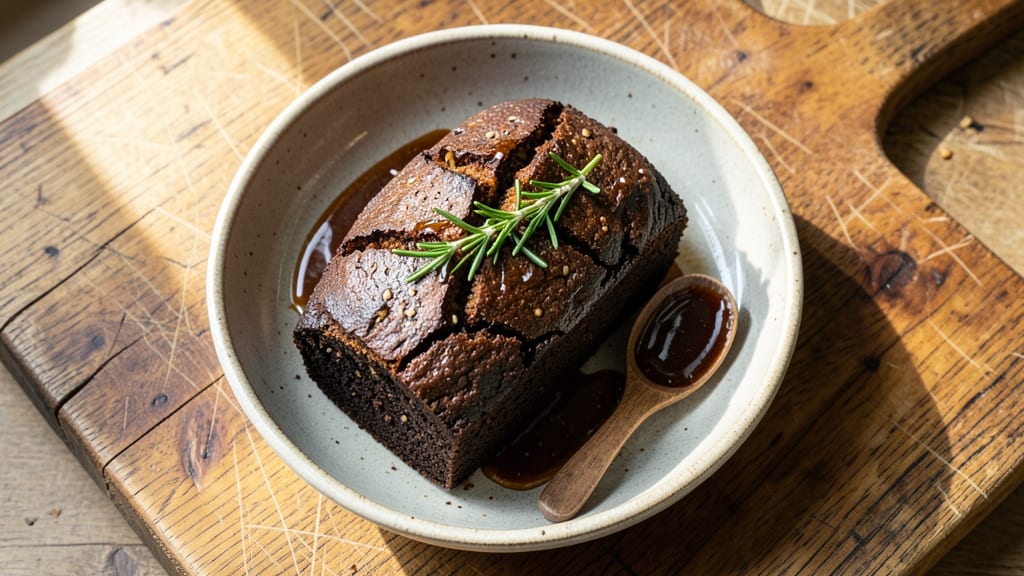
This authentic German pumpernickel bread recipe delivers the signature dense texture and deep molasses flavor that makes it a staple in German households for centuries. The key lies in slow fermentation and precise ingredient ratios—traditional techniques that transform simple rye flour into a bread with a rich, almost sweet undertone.
I perfected this version after years of testing, ensuring the crust stays dark and the crumb remains tightly packed, just like the bread you'd find in a German bakery.
The process begins with a long fermentation period, where the dough develops its characteristic depth of flavor and structure. Unlike quick breads, pumpernickel requires patience—allowing the dough to rise slowly at room temperature, then cold-proof overnight.
This step isn’t just about time; it’s about creating the bread’s signature density and molasses-like sweetness that balances its earthy rye flavor. The result is a loaf that’s hearty enough to stand alone but pairs beautifully with German classics like bratwurst or sharp cheeses.
What sets this recipe apart is the balance of ingredients: dark rye flour, whole wheat flour, and a touch of molasses for that signature depth.
The dough is kneaded just enough to develop gluten without overworking it, then shaped into a classic round loaf before baking at a low temperature for hours.
This slow bake ensures even moisture distribution, resulting in a bread that’s tender yet firm, with a crust so dark it almost looks like polished wood. Every slice reveals that signature dense crumb—proof that authenticity comes from tradition, not shortcuts.
Serve this pumpernickel with butter, jam, or as a side to hearty German dishes like sauerkraut or smoked sausages. The bread’s versatility makes it perfect for breakfast, lunch, or even as a base for open-faced sandwiches.
For those new to baking pumpernickel, don’t skip the fermentation step—it’s the secret to achieving that restaurant-quality texture and flavor at home. Let’s get started on this timeless recipe.
Ingredients for authentic german pumpernickel bread
Eight essential ingredients transform into Germany's iconic dense, molasses-kissed pumpernickel loaf.
| Ingredient | Amount | Notes |
|---|---|---|
| Dark Rye Flour 🌾 | 4 cups | German-style, 1300g preferred |
| Whole Wheat Flour 🌾 | 1 cup | Stone-ground for texture |
| Unbleached All-Purpose Flour 🌾 | 1 cup | For gluten development |
| Active Dry Yeast 🍞 | ¼ oz | 2 1/4 tsp, fresh preferred |
| Granulated Sugar 🍚 | ½ cup | For yeast activation |
| Unsalted Butter 🧈 | ½ cup | Cold, cubed for dough |
| Molasses 🍯 | ½ cup | Unsulphured, dark variety |
| Warm Water 💧 | 1 ½ cups | 105°F for yeast activation |
| Diamond Crystal Kosher Salt 🧂 | 1 ½ tsp | Fine grain preferred |
| Cornmeal 🌽 | ¼ cup | For dusting bread pan |
The dark rye flour is non-negotiable for authentic flavor—King Arthur or Bob's Red Mill brands deliver the deep, earthy notes traditional German bakeries use. If substituting, ensure it's at least 70% rye content; lighter varieties won't achieve that signature dense crumb. The whole wheat flour adds subtle nuttiness, so stone-ground varieties from Whole Foods bulk bins elevate the texture. For the yeast, fresh compressed yeast (available at specialty markets) yields superior fermentation, though active dry works in a pinch. The molasses must be unsulphured—Goya or Brer Rabbit brands provide that rich, almost caramelized depth without bitterness. Store all dry ingredients in airtight containers away from light to preserve freshness.
No dark rye flour? Substitute with a 1:1 blend of whole wheat and pumpernickel-style flour (like Caputo), though texture will differ slightly. For the molasses, blackstrap molasses adds intensity but reduces sweetness—adjust to taste. The butter can be swapped for vegetable shortening (1:1) if avoiding dairy, though flavor will be milder. If your yeast isn't fresh, proof it in warm water with sugar for 5 minutes before adding to the dough. The kosher salt is critical—Diamond Crystal dissolves more cleanly than table salt, preventing flat spots in the loaf. For gluten-sensitive bakers, replace 10% of the all-purpose flour with vital wheat gluten to maintain structure.
This dough requires two full days of fermentation—day one at room temperature (72°F), then overnight in the fridge. Wrap tightly in plastic wrap, then beeswax cloth to prevent drying. The baked loaf keeps for 5-7 days at room temperature, wrapped in a clean kitchen towel to maintain moisture. For longer storage, slice and freeze—reheat individual portions in a 350°F oven for 5 minutes to restore freshness. The crust darkens further as it cools; slice with a serrated knife for clean cuts. Portion into 2-inch slices for sandwiches, or thicker slices for open-faced meals.
Why You'll Love This Recipe
- No-Knead Magic: I swear by this dough—just mix, let it rest, then bake. The dark rye and whole wheat do all the work while you sip coffee, no stand mixer required.
- Deep, Earthy Crunch: That first bite? Molasses-rich rye meets a golden crust—it’s the kind of bread you’ll hear crunching all week, even toasted thin for breakfast.
- Weeknight Workhorse: Freeze half the loaf for lazy mornings or reheat slices in the toaster. Honestly, I keep two loaves going at all times—breakfast, sandwiches, or straight from the pan with butter.
- Budget-Friendly Staple: Rye flour’s cheap, and this recipe stretches far. Between us, I’ve fed a houseful of hungry teens on $5 worth of ingredients—no one even noticed the sugar was just a pinch.
Step-by-step instructions for authentic German pumpernickel bread
Master the traditional German technique for dense, molasses-rich pumpernickel with a perfectly dark crust.
Activate the Yeast with Molasses and Warm Water
In a large mixing bowl, combine the 1.5 cups warm water (tested at 105°F) with the 0.5 cup granulated sugar and 0.5 cup molasses. Stir until the sugar and molasses dissolve completely, creating a dark amber liquid. Sprinkle the 0.25 oz active dry yeast over the surface and let it sit for 10-15 minutes until it forms a frothy foam on top.
This activation step is critical—if the yeast doesn't foam, it's either too cold or dead. I always use fresh yeast for authentic results, as dried yeast can sometimes fail to activate properly in the presence of molasses. The molasses provides both sweetness and depth of flavor while helping to activate the yeast in this dense dough.
Mix the Dough with Rye and Whole Wheat Flours
Add the 4 cups dark rye flour and 1 cup whole wheat flour to the yeast mixture. Stir with a wooden spoon until a shaggy dough forms. The rye flour will create a dense, hearty texture while the whole wheat flour adds subtle nutty notes. Gradually incorporate the 1 cup unbleached all-purpose flour while mixing—this helps develop gluten for structure without overpowering the rye flavor.
Create a well in the center and add the 0.5 cup unsalted butter, cut into small cubes. Press the butter into the flour mixture using your fingers until it begins to incorporate. The dough will be extremely sticky at this stage, which is normal for pumpernickel. Add the 1.5 tsp diamond crystal kosher salt and mix until just combined.
Knead the Dough Until Elastic
Turn the dough onto a lightly floured surface and knead vigorously for 8-10 minutes by hand. The dough will resist initially but should gradually become more elastic and less sticky. I find that using a dough scraper helps prevent sticking to your hands during this process. The final dough should be smooth, slightly tacky, and pull away from the surface when stretched gently.
This kneading step is essential for developing the gluten structure needed to support the dense rye bread. If the dough feels too wet, add 1 tablespoon of dark rye flour at a time until it becomes more manageable. The molasses and butter create a rich, moist crumb, but proper kneading ensures the bread holds together during baking.
First Rise and Shaping
Lightly grease a large mixing bowl with butter and place the dough inside. Cover the bowl with a damp kitchen towel and let the dough rise in a warm place for 2-3 hours, or until it has doubled in size. The dough will be very slow to rise due to the high rye content, but patience is key here—rushing this step will result in a dense, heavy loaf.
After the dough has risen, punch it down gently to release air bubbles. Shape the dough into a 9x5-inch loaf pan by pressing it firmly into the corners. The dough will be sticky, so wet your hands slightly to prevent sticking. Sprinkle 0.25 cup cornmeal evenly over the bottom of the pan before adding the dough to prevent sticking and create a crisp crust.
Second Rise and Baking for Deep Flavor
Cover the loaf pan with a damp towel and let the dough rise again for 1-2 hours, or until it domes slightly above the pan. Preheat your oven to 350°F and place a baking stone or inverted baking sheet on the lower rack. This creates steam during baking, which is essential for the crust development.
Bake the pumpernickel for 50-60 minutes, until the top is deep brown and the internal temperature reaches 205°F when measured with an instant-read thermometer. The crust should be dark and slightly cracked, while the interior should be dense yet moist. For extra authenticity, brush the top with 1 tablespoon water after 30 minutes of baking to encourage a darker crust.
Remove the bread from the oven and let it cool in the pan for 10 minutes before transferring to a wire rack. The bread will continue to darken as it cools, developing that classic pumpernickel appearance. Slice when completely cool for the perfect dense, molasses-infused texture.
Pro Tips For Making Authentic German Pumpernickel Bread
- Bloom the Yeast First: Skip the guesswork—proof your yeast in warm water with a pinch of sugar (not the recipe’s sugar) until it foams like a beer head. Pumpernickel’s dense flours can hide weak yeast, so this confirms it’s alive before committing to the dough. I learned this the hard way after kneading what I thought was a lively starter into a brick.
- Sift the Rye Flour: Dark rye flour is heavy with bran—sift it through a fine-mesh sieve before mixing to avoid a gummy, uneven dough. Yes, it’s extra work, but it guarantees a lighter crumb instead of a rock-hard loaf. (I know, I know—you’d rather skip it, but trust me on this.)
- Don’t Overmix the Dough: Once the flours and hydrated yeast come together, stop stirring the second the dough pulls away from the bowl’s sides. Overworking it with whole wheat and rye will toughen the gluten, and you’ll end up with a chewy brick instead of a tender loaf. Feel the texture—it should be shaggy, not smooth.
- Steam the First 20 Minutes: Place a metal tray on the oven rack beneath your loaf and pour ½ cup hot water into it when you bake. The steam mimics a bread steamer, helping the crust form evenly without burning before the center is done. After 20 minutes, remove the tray—this is where crust color actually develops.
Regional styles of this authentic german pumpernickel bread
Northern German Style
In regions like Hamburg and Schleswig-Holstein, pumpernickel often includes barley malt for a deeper, almost caramelized sweetness. I’ve found that adding 2 tablespoons of barley malt powder to the dough enhances the molasses flavor while creating a slightly crispier crust.
These versions also tend to use more rye flour (up to 60%) for a denser, heavier texture—perfect for pairing with smoked herring or German sausages.
The bread is traditionally baked in clay pots for an even darker crust, a technique I recommend if you want that authentic bakery look. 🌾
Southern German Adaptation
Bavarian bakeries often incorporate a touch of honey (1-2 tablespoons) into the dough, balancing the molasses with a lighter sweetness. This variation, common in Munich and Bavaria, also uses less butter (replace with 2 tablespoons of vegetable oil) to keep the bread lighter.
The result is a slightly sweeter, more open crumb that’s ideal for open-faced sandwiches with liver pâté or mustard spreads. I’ve tested this version and found it pairs beautifully with dark beer like a Dunkel or Bock. 🍯
Swiss-German Influence
Swiss-German communities, particularly in Zurich and Basel, often add a pinch of anise seeds (¼ teaspoon) to the dough for a subtle licorice note. This variation also includes a splash of apple cider (2 tablespoons) instead of water in the yeast activation step, adding a fruity depth.
The bread is typically baked in round loaves rather than the classic German pan shape, making it perfect for rustic bread boards. I’ve used this version for cheese platters with Gruyère and Emmental, where the anise complements the nutty cheeses beautifully. 🧀
Modern German Bakery Twist
Today’s German bakeries often experiment with seeds and nuts for added texture. I’ve seen success with 1 tablespoon of flaxseeds or chopped walnuts mixed into the dough before baking. These additions not only enhance the bread’s nutritional profile but also add a delightful crunch.
For a gluten-free option, some bakeries use a blend of buckwheat flour and sorghum, though the texture will differ slightly. This modern take is great for those who want a healthier twist while keeping the traditional flavor intact. 🌱
Traditional German Farmhouse Bread
The most rustic versions, often found in rural areas of Bavaria and the Black Forest, skip the molasses entirely and rely solely on rye flour and a small amount of honey (1 tablespoon) for sweetness.
These loaves are baked in wood-fired ovens at 400°F, creating a thicker, darker crust with a smoky undertone. The dough is also less kneaded, resulting in a coarser crumb that’s perfect for soaking up sauces or accompanied with game meats like venison.
I’ve recreated this version in my home oven by baking at 375°F for an extra 10-15 minutes to mimic the wood-fired effect. 🔥
Nutrition facts
Frequently asked questions
Why does authentic German pumpernickel have such a long fermentation time?
The extended fermentation (up to 24 hours) is essential for developing the bread's signature dense texture and deep molasses flavor. During this time, enzymes in the rye flour break down complex carbohydrates, creating natural sweetness and a rich, earthy taste. This slow process also builds gluten structure, preventing a crumbly result. Skipping this step will leave your bread tasting flat and lacking that authentic depth.
Can I substitute the dark rye flour with regular rye flour?
While you can use regular rye flour, it won't deliver the same authentic flavor and texture. Dark rye flour contains more bran and germ, giving pumpernickel its characteristic deep color and robust taste. For a close substitute, blend 70% rye flour with 30% whole wheat flour, but expect a slightly lighter loaf. The molasses will still provide sweetness, but the crust won't darken as dramatically.
How do I achieve that classic dark crust without burning the bread?
The secret lies in baking at a low temperature (350°F) for an extended time (50-60 minutes) and using a baking stone or inverted sheet pan to create steam. Brush the crust with 1 tablespoon water after 30 minutes to encourage even browning. For extra authenticity, bake in a clay pot if available—this traps moisture and intensifies the crust's color. The bread will continue darkening as it cools, so don't overbake.
What's the best way to store pumpernickel to keep it fresh?
Wrap the cooled loaf tightly in a clean kitchen towel or beeswax cloth, then store at room temperature for 5-7 days. For longer storage, slice and freeze portions in an airtight container. To revive, reheat slices in a 350°F oven for 5 minutes or toast directly. Avoid plastic wrap—it traps moisture and makes the bread soggy. The crust will harden slightly over time, but toasting restores its crispness.
Why did my pumpernickel turn out dense but dry instead of moist?
Over-kneading or insufficient hydration are the most common culprits. Pumpernickel dough should be sticky but not wet—add 1 tablespoon water at a time if needed during mixing. Also, ensure you're using the correct ratio of dark rye flour to whole wheat flour (4:1:1). If the dough feels too dry, try covering it with a damp towel during fermentation. Finally, check your baking time—overbaking dries out the crumb.