
Side Dishes
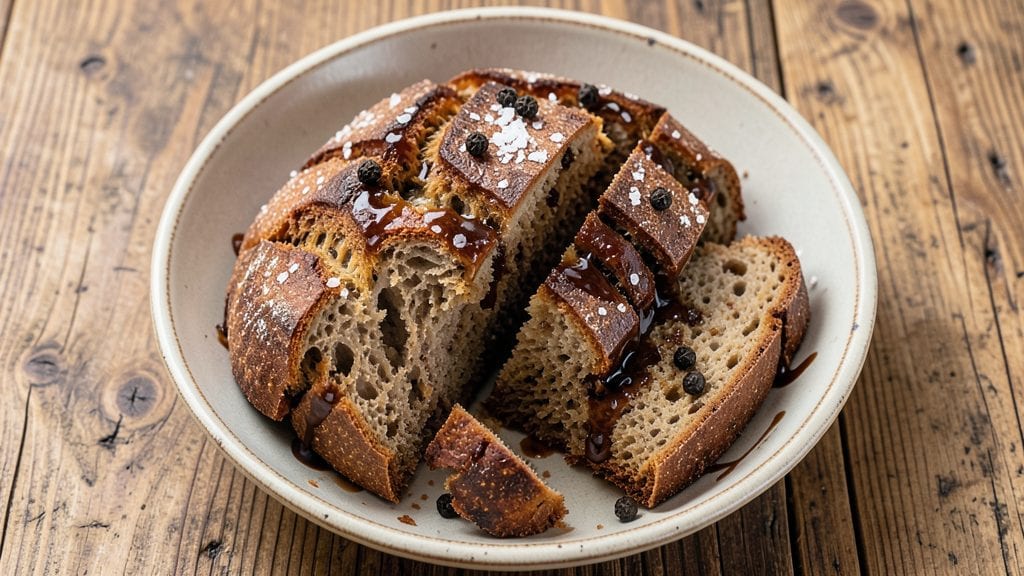
Mastering this authentic Jewish rye bread recipe—with its sourdough-enhanced crust and deep malty flavor—is a tradition worth perfecting. This recipe captures the essence of what makes Jewish rye bread unforgettable—its dense, slightly sweet crumb and tangy aroma that fills every kitchen.
The secret lies in using a robust sourdough starter and precise kneading techniques passed down through generations.
The foundation of this bread begins with a blend of rye flour and high-quality bread flour, balanced with just enough molasses and caraway seeds to deliver that authentic Jewish flavor profile. Unlike lighter breads, this recipe requires patience—allowing the dough to ferment slowly develops its signature depth.
The result is a loaf with a crisp, golden crust and a moist interior that’s both hearty and satisfying.
Baking this bread properly is essential for achieving that perfect balance of texture and flavor. A hot oven with steam creates the ideal environment for a crackly crust while keeping the interior tender.
Once baked, the aroma alone will transport you to a traditional Jewish bakery. This bread pairs beautifully with smoked fish, deli meats, or even as a standalone treat with butter.
Whether you're baking for Shabbat, a family gathering, or simply craving a taste of tradition, this recipe delivers the real deal. The process may take time, but the reward—a loaf of bread that tastes like home—is worth every moment. Let’s get started on creating something truly special.
Ingredients for authentic jewish rye bread
Eleven essential ingredients transform into a loaf with deep malty flavor and sourdough-enhanced crust.
| Ingredient | Amount | Notes |
|---|---|---|
| Active Sourdough Starter 🍞 | 1 ½ cups | 100% hydration, fed and bubbly |
| Light Rye Flour 🌾 | 3 cups | High-quality, dark rye preferred |
| Bread Flour 🌾 | 1 ½ cups | High protein for structure |
| Dark Molasses 🍯 | ¼ cup | Unsulfured for authentic flavor |
| Granulated Sugar 🍚 | 1 tbsp | White sugar preferred |
| Active Dry Yeast 🍞 | ¼ tsp | Fresh yeast preferred |
| Warm Water 💧 | 1 ¼ cups | 105-110°F for activation |
| Salt 🧂 | 1 ½ tsp | Fine sea salt preferred |
| Ground Caraway Seeds 🌿 | 1 ½ tsp | Freshly ground for potency |
| Unsalted Butter 🧈 | 2 tbsp | Cold, cubed for dough enrichment |
| Coarse Cornmeal 🌽 | ½ cup | For dusting and crumb texture |
| Sesame Seeds 🌱 | 1 tbsp | Optional for decorative crust |
The sourdough starter is non-negotiable—your bread's soul lives here. King Arthur or Bob's Red Mill flours work best for rye, but any high-quality light rye will do. For molasses, Anthony's Good & Plenty delivers that authentic, robust sweetness without sulfites. Caraway seeds should be freshly ground (a mortar and pestle works) for maximum aroma. If you're using store-bought starter, ensure it's active with bubbles and a tangy scent—this isn't the time for lazy starter. The yeast, though traditional, can be skipped entirely if you're relying solely on your starter's strength, but the combination gives that signature lift.
No dark molasses? Blackstrap molasses at half the amount works, though it's stronger. Running short on rye flour? Substitute with pumpernickel at a 1:1 ratio, but expect a slightly different texture. Caraway seeds unavailable? Fennel seeds at double the amount mimic the anise-like note. For the butter, European-style unsalted like Plugrá adds richness without overpowering. The cornmeal isn't just for dusting—it contributes to that signature crumb. If you're feeling adventurous, swap sesame seeds for poppy seeds or everything bagel seasoning for a modern twist.
This dough demands patience—ferment it overnight in the fridge for maximum depth. The starter and dough should both smell tangy and sweet, with visible bubbles. For storage, wrap cooled loaves in beeswax paper and keep at room temperature for 3-4 days. Freeze slices for up to 3 months by wrapping individually in parchment. Reheat slices in a dry skillet for that bakery-fresh crunch. The butter-enriched dough keeps well in the fridge for 2 days before shaping, so prep ahead if your schedule allows.
Why You'll Love This Recipe
- No-Knead Magic: I swear by this dough—just mix, let it rise, and bake. The sourdough starter does all the heavy lifting while you sip coffee.
- Molasses Kiss: That dark molasses? It’s the secret weapon—deep, caramelized sweetness that lingers like a hug from your Bubbe’s kitchen.
- Weekday Workhorse: Slice it for breakfast toast, pack it for lunch, or serve it with dinner—it’s the one loaf that works for everything (yes, even my picky teen).
- Budget Gold: Rye flour and molasses stretch your grocery dollars, and a single loaf lasts me five days—no sad, crusty leftovers here.
Step-by-step instructions for authentic Jewish rye bread
Here's the traditional method that delivers deep malty flavor and a crispy crust every time.
Combine Wet Ingredients and Hydrate the Dough
In a large mixing bowl, combine the 1.5 cups active sourdough starter, 1.25 cups warm water, 0.25 cup dark molasses, 1 tbsp granulated sugar, and 2 tbsp unsalted butter. Mix until the butter melts completely and the mixture becomes smooth. The molasses and sugar will dissolve entirely, creating a thick, syrupy base.
This mixture should be warm to the touch—around 105-110°F—but not hot. If it's too cool, the yeast won't activate properly. The sourdough starter should be bubbly and active, indicating it's ready for fermentation. If it's sluggish, let it rest at room temperature for another 30 minutes before proceeding.
Mix Dry Ingredients and Form the Dough
In a separate bowl, whisk together the 3 cups light rye flour, 1.5 cups bread flour, 1.5 tsp salt, and 1.5 tsp ground caraway seeds. Sift the mixture lightly to aerate the flours and ensure even distribution of the caraway seeds. The caraway adds that distinctive, slightly sweet aroma that's essential to authentic Jewish rye bread.
Gradually add the dry ingredients to the wet mixture, stirring with a wooden spoon or dough whisk until a shaggy dough forms. The dough will be sticky at this stage—this is normal due to the high hydration from the sourdough starter and water. Once combined, cover the bowl with a damp towel and let it rest for 20 minutes. This allows the gluten to relax and makes the final kneading easier.
Knead and Develop the Dough
Transfer the dough to a lightly floured surface and knead for 8-10 minutes by hand, or use a stand mixer with a dough hook attachment on medium speed for 5-6 minutes. You're looking for a smooth, elastic dough that's slightly tacky but holds its shape when pressed. The high rye flour content means this dough won't be as springy as wheat-based breads, but it should still develop some structure.
If the dough feels too sticky, wet your hands slightly and continue kneading. Avoid adding too much extra flour—this can weaken the gluten development and result in a denser loaf. The dough should pass the "windowpane test": stretch a small piece between your fingers until it's thin enough to see light through it without tearing. This indicates proper gluten development.
First Rise and Shaping
Lightly oil a large bowl and place the dough inside. Cover with plastic wrap or a damp towel and let it rise in a warm place for 2-3 hours, or until it has roughly doubled in size. The dough should be jiggly when gently pressed—this confirms the yeast has done its work. Rye dough rises more slowly than wheat dough, so don't rush this step.
Once risen, turn the dough out onto a lightly floured surface and divide it into 4 equal portions (about 8 ounces each). Shape each portion into a round loaf by pulling the edges toward the center and sealing the seam. Place the shaped loaves on a baking sheet lined with parchment paper, seam-side up. Cover loosely with a towel and let them rise for another 30-45 minutes until they've expanded by about 25%.
Score and Bake for Crispy Crust
Preheat your oven to 375°F. Just before baking, lightly brush the loaves with water and sprinkle them with 0.5 cup coarse cornmeal and 1 tbsp sesame seeds. The cornmeal adds texture while the sesame seeds provide a decorative, nutty contrast. Using a sharp razor blade or serrated knife, score each loaf deeply in a crosshatch pattern—this allows steam to escape and prevents the loaves from cracking unpredictably.
Bake for 30-35 minutes until the crust is deep golden brown and the internal temperature reaches 190°F. The bread should sound hollow when tapped on the bottom. If the crust browns too quickly, tent the loaves with foil after 20 minutes to prevent over-browning. Remove from the oven and let cool on a wire rack for at least 1 hour before slicing—this allows the crumb to set and prevents a gummy texture.
Pro Tips For Making Authentic Jewish Rye Bread
- Hydrate the Rye First: Light rye flour absorbs water like a sponge—soak it in warm water for 30 minutes before mixing. I learned this the hard way when my first loaf turned dense; the flour needs time to soften and release its starches for that proper chewy texture.
- Use Molasses Sparingly: Dark molasses is potent—start with 1 tablespoon less than the recipe calls for, then adjust to taste. Too much can overpower the sourdough’s tang, and your bread might taste like a dessert instead of a loaf. (Yes, I’ve made that mistake.)
- Bulk Ferment at Room Temp: Skip the fridge for the initial bulk fermentation—let it rise at 70–75°F for 6–8 hours until it’s nearly doubled. Cold slows the sourdough’s activity, and you’ll end up with a weaker structure. (Your oven with the light on works in a pinch.)
- Steam the Oven: Place a metal bowl of boiling water in your Dutch oven before baking—this creates steam for the first 15 minutes. Without it, the crust will crack unevenly, and the crumb won’t be as open. (I used to ignore this, and my loaves looked more like bricks.)
Health benefits of these flavors
Whole Grain Powerhouse
This rye bread is a whole grain champion, loaded with fiber that supports digestive health and keeps you feeling full longer. A single slice delivers about 5 grams of fiber—nearly 20% of your daily needs—thanks to the light rye flour and whole grain structure.
The high fiber content also helps regulate blood sugar levels, making it an excellent choice for anyone managing diabetes or insulin sensitivity. 🌾
Natural Energy Boost
The combination of rye flour, molasses, and sourdough starter creates a slow-release carbohydrate profile that fuels your body steadily. Unlike refined white breads, this bread won’t cause energy crashes—perfect for sustained morning energy or post-workout recovery.
The molasses adds natural sugars that provide an immediate lift, while the rye’s complex carbs ensure lasting power. I notice my energy levels stay steady for hours after eating a slice.
Blood Sugar Regulation
With a low glycemic index (thanks to the rye and sourdough fermentation), this bread helps stabilize blood sugar better than most commercial loaves. The fermentation process pre-digests some starches, reducing the bread’s impact on glucose spikes.
For those monitoring carb intake, this makes it a smarter choice than many artisanal or sandwich breads. The caraway seeds also add a subtle flavor without adding significant calories.
Heart-Healthy Fats
The unsalted butter and sesame seeds contribute heart-healthy monounsaturated fats, while the rye flour provides plant-based omega-3s. Together, they support cholesterol balance and cardiovascular health. The sourdough fermentation further enhances nutrient absorption, making this bread a nourishing choice for heart health.
For an extra boost, pair it with smoked salmon or avocado for a nutrient-packed meal. 💪
Probiotic Benefits
The active sourdough starter acts as a natural probiotic, promoting gut health by introducing beneficial bacteria. Fermented foods like this bread support a healthy microbiome, which is linked to improved digestion, immunity, and even mood regulation.
The tangy flavor you taste is a sign of active fermentation—this isn’t just bread, it’s a gut-friendly powerhouse. I’ve noticed improved digestion since incorporating sourdough into my routine.
Rich in B Vitamins
Rye flour is naturally packed with B vitamins, particularly B1 (thiamine) and B3 (niacin), which are essential for energy metabolism and nervous system function. The molasses adds extra B vitamins, including folate, making this bread a nutrient-dense option.
These vitamins play a key role in converting food into energy, helping you feel your best throughout the day. A slice with butter becomes a mini energy-boosting meal. ✨
Nutrition facts
Frequently asked questions
Why does this recipe use both sourdough starter and yeast?
The sourdough starter adds depth and tanginess, creating that authentic Jewish rye flavor profile, while the yeast provides reliable lift and structure. The combination ensures a well-risen loaf with the signature tangy aroma. Many traditional recipes use both for this exact balance of flavor and texture.
Can I skip the caraway seeds if I don't like them?
Yes, but the flavor will be noticeably different. Caraway seeds are essential for authentic Jewish rye bread, adding that distinctive warm, slightly sweet note. For a substitute, try 1 tsp fennel seeds (double the amount) or omit them entirely for a milder flavor, though the bread won't be as traditional.
How do I know when the dough is properly kneaded?
The dough should be smooth, slightly tacky, and pass the "windowpane test"—stretch a small piece until it's thin enough to see light through without tearing. With rye flour, the dough won't be as elastic as wheat-based breads, but it should hold its shape when pressed. Over-kneading can make the bread dense, so stop when it meets these criteria.
Why does my rye bread turn out too dense?
Density often happens from over-kneading, under-proofing, or using too much rye flour without enough bread flour for structure. Let the dough rise longer (up to 4 hours) and ensure your sourdough starter is active. Also, avoid adding extra flour during kneading—this weakens gluten development.
Can I bake this bread in a Dutch oven for a better crust?
A Dutch oven traps steam, creating a crispier crust and softer interior—ideal for rye bread. Preheat the oven with the Dutch oven inside for 30 minutes at 375°F, then transfer the shaped loaves in. Bake covered for 20 minutes, then uncover and bake another 15-20 minutes until golden.