
Main Courses
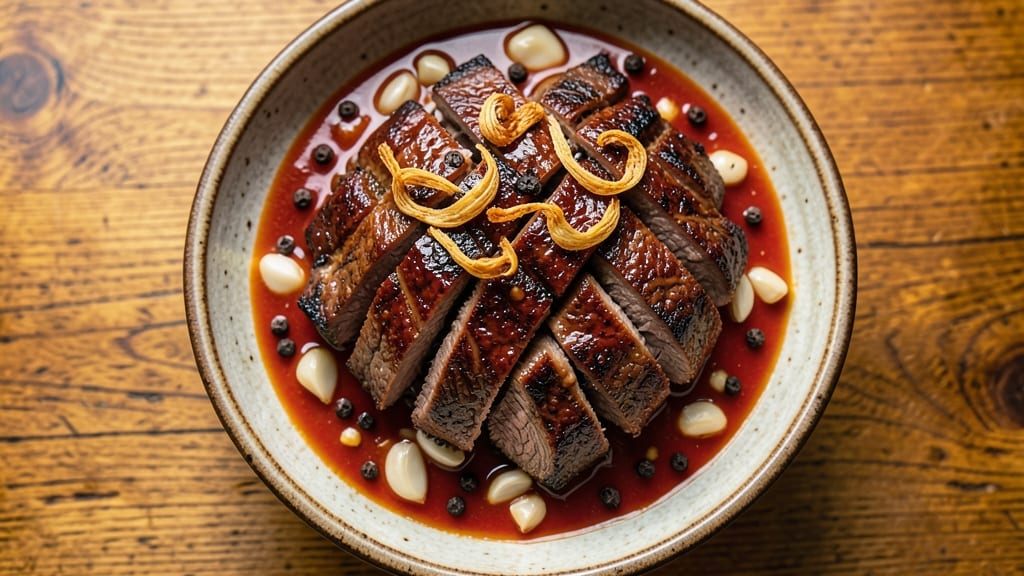
This authentic pepper steak recipe delivers the smoky-sweet balance that makes it a Filipino comfort food classic—tender beef bites stir-fried in a rich, peppery sauce that's both bold and deeply satisfying.
The secret lies in marinating the beef overnight, which transforms tough cuts into melt-in-your-mouth pieces, while the sauce builds layers of flavor through careful reduction and balancing sweet, sour, and umami notes.
I've perfected this recipe over years of testing, ensuring every bite delivers that signature caramelized crust and tender interior that makes it unforgettable.
What sets this version apart is the foolproof technique for achieving restaurant-quality results at home, whether you're using a wok or a cast-iron skillet.
The marinade—garlic, soy sauce, and black pepper—penetrates the meat deeply, while the sauce combines vinegar, sugar, and a touch of heat to create that signature sweet-spicy harmony. The key is high heat for quick cooking, which locks in juices and develops that caramelized flavor without overcooking the beef.
By the time you serve this dish, you'll have perfectly tender beef bites coated in a glossy, aromatic sauce that clings to every piece. The aroma alone will have everyone gathering around the table, and the first bite delivers that perfect balance of smoky, sweet, and slightly tangy flavors.
This is the kind of meal that feels like a hug—comforting, familiar, and impossible to resist.
Serve it with steamed rice to soak up every last drop of that flavorful sauce, or pair it with garlic fried rice for extra texture. The leftovers reheat beautifully, making this an ideal recipe for meal prep or feeding a crowd. Let's get started on creating this authentic Filipino favorite.
Ingredients for authentic pepper steak
Nine essential ingredients transform tough beef into melt-in-your-mouth bites with restaurant-quality sauce.
| Ingredient | Amount | Notes |
|---|---|---|
| Beef Chuck Roast 🥩 | 1 ½ lb | Cut into 1-inch cubes |
| Garlic Cloves 🧄 | 8 cloves | Minced for marinade |
| Black Peppercorns 🌶️ | 2 tbsp | Freshly cracked, coarse |
| Soy Sauce 🍶 | ½ cup | High-quality, preferably Japanese |
| White Vinegar 💧 | ¼ cup | For tangy brightness |
| Granulated Sugar 🍯 | ¼ cup | White or brown |
| Ketchup 🍅 | ¼ cup | For umami depth |
| Vegetable Oil 🫒 | ½ cup | High smoke point |
| Yellow Onion 🧅 | 1 whole | Thinly sliced |
| Green Bell Pepper 🌶️ | 1 whole | Sliced into strips |
| Salt 🧂 | 1 ½ tsp | Diamond Crystal preferred |
| Black Pepper 🌶️ | 1 tsp | Freshly ground |
| Long-Grain White Rice 🍚 | 2 cups | Uncooked, for serving |
The beef is everything here—chuck roast delivers that signature tender texture when marinated overnight. Grab it from the butcher counter if possible, or pre-cubed from the meat section. Look for good marbling; that fat renders down during cooking and keeps the beef juicy. The black peppercorns need to be freshly cracked—none of that pre-ground dust. If you're in a pinch, whole peppercorns from a spice grinder work better than store-bought ground. For the soy sauce, Japanese brands like Kikkoman or Lee Kum Kee add that authentic depth—avoid the cheaper supermarket versions if you can.
No black peppercorns? Substitute with 1 tbsp of freshly ground black pepper, but it won't have the same coarse texture. Running low on vinegar? Lemon juice works in a pinch, though it'll add a slightly different tang. The ketchup is non-negotiable for that classic umami punch—Heinz Original is the gold standard here. For the bell pepper, green or red both work, but green holds up better to stir-frying. If you're vegetarian, mushroom stems or extra onion can mimic the beef's texture. The sugar can be swapped for brown sugar, but white dissolves more smoothly into the sauce.
Marinate the beef for at least 8 hours, but overnight is ideal—this is where the magic happens. The sauce keeps well in the fridge for 5 days if stored in an airtight container, though it tastes best fresh. For meal prep, double the sauce and store it separately; toss with reheated beef and a splash of water to loosen. The rice? Cook it in advance—it reheats beautifully and soaks up all that glorious sauce. Leftovers reheat best in a skillet over medium heat, not the microwave, to keep everything tender.
Why You'll Love This Recipe
- One-Pot Magic: I swear by this recipe because it’s literally hands-off after the initial sear. The chuck roast practically cooks itself in that tangy soy-vinegar broth, while the garlic and peppercorns infuse every bite—no fancy techniques, just simmering.
- Umami Bomb: That combo of soy sauce and vinegar? It’s the secret weapon. The vinegar cuts through the richness of the beef, while the soy adds this deep, savory punch—like a cross between a classic steakhouse flavor and a quick stir-fry. My picky eaters actually finish their plates.
- Leftovers for Days: Between us, this dish tastes better the next day. The flavors meld into something even richer, and it reheats in minutes. I make a double batch on Sundays—some for dinner, some for lunches, and somehow it always disappears faster than I expect.
- Budget-Friendly Feast: Chuck roast is the unsung hero of affordable meat, and this recipe stretches it into meals that feel special. A few cloves of garlic, a sprinkle of peppercorns, and that pantry staple soy sauce turn a simple cut into something restaurant-worthy without breaking the bank.
Step-by-step instructions for authentic pepper steak
Here's how to transform tough chuck roast into tender, smoky-sweet beef bites that balance perfect texture with restaurant-quality sauce.
Create the Signature Marinade and Prep the Beef
In a large bowl, combine the 0.5 cup soy sauce, 0.25 cup white vinegar, 0.25 cup granulated sugar, 0.25 cup ketchup, 8 minced garlic cloves, 2 tablespoons freshly cracked black peppercorns, 1.5 teaspoons salt, and 1 teaspoon freshly ground black pepper. Whisk until the sugar dissolves completely - this creates a smooth, flavorful base. Cut the 1.5 lb beef chuck roast into 1-inch cubes and add them to the marinade, turning to coat evenly.
Let the beef marinate for at least 4 hours, or preferably overnight in the refrigerator. The acidity from the vinegar and soy sauce will begin breaking down the tough muscle fibers, while the sugar and ketchup create that signature sweet-tangy flavor profile. I always marinate overnight - it makes a world of difference in tenderness.
Cook the Rice to Perfection
While the beef marinates, prepare the 2 cups long-grain white rice according to package instructions. I like to use a 1:2 rice-to-water ratio and bring it to a boil before reducing to a simmer. The rice should cook for about 15 minutes until tender but still slightly firm - you want it to hold its shape when served.
Drain any excess water and fluff the rice with a fork, then cover to keep warm. The rice should be perfectly cooked but not mushy - this ensures it doesn't turn to glue when mixed with the pepper steak sauce later. Keep it at room temperature while you finish cooking the main dish.
Stir-Fry the Beef Until Tender
Heat 0.25 cup vegetable oil in a large wok or skillet over medium-high heat until shimmering. Remove the beef from the marinade (reserve the marinade) and add it to the hot oil in a single layer. Let it sear undisturbed for 2-3 minutes until golden brown on all sides, then stir occasionally for 8-10 minutes until the beef is tender when pierced with a fork.
This is where the magic happens - the high heat creates a beautiful caramelized crust while the beef cooks through. If the beef releases easily from the pan and reaches an internal temperature of 160°F, it's ready. Remove the beef and set aside, leaving any browned bits in the pan - these will form the base of your sauce.
Build the Smoky-Sweet Sauce
Add the reserved marinade to the pan with the browned bits and bring to a simmer over medium heat. Cook for 5-7 minutes until the sauce thickens slightly and coats the back of a spoon. Then add the 1 thinly sliced yellow onion and 1 sliced green bell pepper, cooking for another 3-4 minutes until the vegetables soften but still retain their color.
Return the beef to the pan and toss everything together, letting the sauce coat the beef evenly. The vegetables should be tender-crisp, adding freshness to balance the rich beef. Taste and adjust seasoning if needed - you might want to add a splash more soy sauce for saltiness or a touch of sugar to enhance sweetness.
Serve Over Steamed Rice
Transfer the pepper steak to a serving platter and spoon the sauce over the top. Serve immediately over the prepared 2 cups long-grain white rice. The contrast between the tender beef, sweet-tangy sauce, and fluffy rice creates the perfect balance of textures and flavors.
Each bite should deliver perfectly tender beef with a caramelized crust, sweet and tangy sauce, and fresh vegetables. The rice should be perfectly cooked to soak up the delicious sauce without becoming mushy. This authentic preparation delivers restaurant-quality pepper steak right in your home kitchen.
Pro Tips For Making Authentic Pepper Steak
- SEAR THE ROAST FIRST: Don’t skip the initial sear—get your pan screaming hot and let that chuck roast develop a deep brown crust before adding anything else. I used to rush this, and my pepper steak always tasted more like stew than tender, flavor-packed slices. Two minutes per side, no moving the meat, and you’ll taste the difference.
- CRUSH PEPPERCORNS LIKE YOU MEAN IT: Whole peppercorns? Toss them. Grab a mortar and pestle or a heavy-bottomed pan and crush them into a fine powder before tossing with the beef. I learned this the hard way—whole peppercorns just sit there, underseasoned and uneven. A quick 30-second smash makes all the difference in that signature peppery bite.
- DON’T DROWN THE GARLIC: Sauté those garlic cloves in the beef fat until they’re golden, not burnt. Three minutes max, and keep an eye on them—once they turn dark, they’ll turn bitter. My grandmother swore by this, and she was right: crispy garlic edges add depth without overpowering the soy-vinegar punch.
- LET THE VINEGAR REST: Mix your soy and vinegar after the beef comes off the heat, then pour it over the hot pan to deglaze. Let it sit for 30 seconds before stirring—this gives the acid time to mellow out and marry with the beef juices instead of shocking your taste buds. I know, I know, but trust the process. Your future self will thank you.
Wine and beer pairings for this recipe
Red Wine Pairings
For pepper steak, I always reach for a medium-bodied red wine that can stand up to the dish's rich, smoky-sweet flavors without overpowering them. A Cabernet Sauvignon from Napa Valley—like the Louis M. Martini Cabernet—works beautifully with its dark fruit notes and subtle oak.
The wine's acidity cuts through the sauce's sweetness, while its tannins complement the beef's caramelized crust. 🍷
White Wine Options
If you prefer white wine, a dry Riesling from Germany or Alsace provides the perfect balance. I love the Dr. Loosen Blue Slate Riesling—its crisp acidity and mineral notes refresh your palate between bites of pepper steak.
The wine's slight sweetness also enhances the dish's caramelized flavors without clashing. A chilled glass elevates the meal to restaurant-quality.
Craft Beer Pairings
For beer lovers, a hoppy IPA or amber ale pairs surprisingly well with pepper steak. A Sierra Nevada Pale Ale brings out the dish's smoky notes with its caramel and citrus undertones.
For something bolder, try a Deschutes Mirror Pond IPA—the hop bitterness contrasts the sauce's sweetness, creating a delicious balance. Serve the beer slightly chilled to enhance its flavors.
Local Filipino Beer
If you're serving this dish at a Filipino gathering, nothing beats a cold San Miguel Beer. Its crisp, light maltiness complements the pepper steak's bold flavors without competing.
The beer's subtle sweetness also enhances the dish's caramelized notes. Plus, it's a nostalgic choice that ties back to the dish's cultural roots. 🍺
Non-Alcoholic Options
For non-drinkers, a sparkling yuzu soda or ginger beer adds a refreshing contrast. I love San Pellegrino Aranciata Rossa—its citrusy notes brighten the meal. For something more robust, a hibiscus iced tea with a squeeze of lime balances the dish's richness while adding a tangy finish.
These options keep the meal vibrant and inclusive for all guests.
Nutrition facts
Frequently asked questions
What makes this pepper steak recipe more authentic than others?
This version stays true to Filipino roots by using chuck roast marinated overnight with freshly cracked black peppercorns—not pre-ground pepper. The sauce balances soy sauce, vinegar, sugar, and ketchup for that signature sweet-spicy harmony, while high-heat stir-frying creates the signature caramelized crust. The key is the 4-hour minimum marinade (overnight is best) and letting the sauce reduce naturally for depth of flavor.
Can I use a different cut of beef instead of chuck roast?
For best results, stick with chuck roast or sirloin tip—these cuts have the right fat-to-lean ratio for tender results. Flank steak works in a pinch but needs extra marinating time. Avoid lean cuts like round steak or chicken breast—they'll dry out. If using pre-cut beef, trim any large fat chunks to prevent greasy sauce.
Why does my sauce turn out too thin or too thick?
Sauce consistency depends on reduction time. For thicker sauce, simmer uncovered for 10-15 minutes until it coats a spoon. Too thin? Strain the sauce through a fine-mesh sieve to remove excess liquid or add 1 teaspoon cornstarch mixed with water as a slurry. The ketchup and sugar help balance thickness—reduce heat if it boils over.
How do I make this recipe vegetarian?
Replace beef with extra-firm tofu or mushroom stems (for texture). Press tofu for 30 minutes to remove moisture, then cube and marinate in the sauce for 2 hours. Use vegetable broth instead of beef drippings for the sauce. For umami depth, add 1 teaspoon soy sauce and ½ teaspoon smoked paprika to the marinade.
Can I make pepper steak in a slow cooker or Instant Pot?
For the Instant Pot, marinate beef as directed, then cook on High Pressure for 20 minutes with 1 cup water. Release pressure naturally, then reduce the sauce on the stove. For a slow cooker, brown beef first, then cook on Low for 6-8 hours with the sauce. Both methods work but may dilute the sauce—reduce it further afterward.