
Appetizers
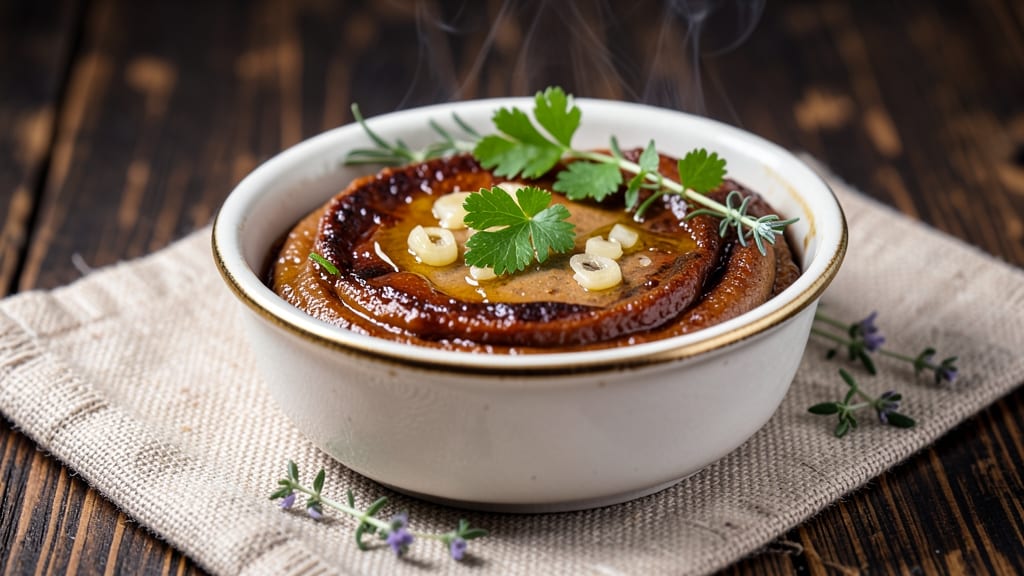
Creating a baked chicken liver pâté transforms simple ingredients into a luxurious spread with velvety texture and rich herbal notes. This classic recipe balances tradition with modern techniques, ensuring a smooth, flavorful result that elevates any gathering.
The process involves careful preparation—purifying the livers, rendering the fat, and blending with butter and aromatic herbs—to achieve that signature silky consistency.
What sets this pâté apart is its depth of flavor, achieved through precise seasoning and slow baking. Unlike store-bought versions, this recipe delivers a restaurant-quality spread with a perfect balance of earthy liver, buttery richness, and bright herbs.
The key lies in the blending technique, where the mixture is smooth yet retains subtle texture, making every bite unforgettable.
The result is a pâté that’s silky smooth, with a golden crust when baked, and a flavor profile that’s both rustic and refined. Serve it on toasted baguette slices, paired with mustard or cornichons, or spread it on crackers for an elegant appetizer.
This dish proves that homemade pâté can be as impressive as it is delicious.
For those who prefer a rustic texture, skip the final blending step, while purists can achieve ultra-smooth perfection with a food processor. The versatility of this recipe makes it ideal for holidays, dinner parties, or even a special weekend brunch. Let’s create something extraordinary.
Ingredients for baked chicken liver pate
Twelve ingredients transform into a luxurious pâté that rivals any gourmet spread.
| Ingredient | Amount | Notes |
|---|---|---|
| Chicken Livers 🍗 | 1 ½ lb | Fresh, trimmed of connective tissue |
| Unsalted Butter 🧈 | ¾ cup | European-style preferred, cold |
| Shallots 🧅 | ½ cup | Finely minced, about 4 medium |
| Fresh Parsley 🌿 | ¼ cup | Stems removed, finely chopped |
| Fresh Tarragon 🌿 | ¼ cup | Finely chopped, stems included |
| Fresh Thyme 🌿 | 1 tbsp | Leaves only, finely chopped |
| Garlic Cloves 🧄 | 2 cloves | Finely minced, about 1 tsp |
| Salt 🧂 | 1 tsp | Diamond Crystal preferred |
| Ground Black Pepper 🌶️ | ½ tsp | Freshly cracked |
| Cognac 🍷 | ¼ cup | Or substitute brandy |
| Heavy Cream 🥛 | ½ cup | Full-fat for richness |
| Baguette Slices 🍞 | 8 slices | For serving, toasted |
| Cornichons 🥒 | ¼ cup | Sliced, for garnish |
The chicken livers are the foundation—look for bright red, moist livers at specialty butchers or the meat counter. Whole Foods and D'Artagnan often carry premium cuts, but the regular supermarket variety works fine if they're fresh. Trim away any connective tissue or dark spots immediately, then soak in cold water for 10 minutes to remove any blood. The butter should be European-style, unsalted—it renders better and adds more flavor. For the herbs, fresh tarragon and parsley are non-negotiable; dried versions won't deliver the same aromatic depth. Shallots add sweetness without overpowering, while the cognac (or brandy) deepens the flavor profile during baking.
No cognac? Substitute extra chicken stock or a splash of red wine—just reduce the liquid by half since it won't add the same depth. Fresh herbs missing? Dried tarragon at one-third the amount works, but parsley must be fresh for texture. The heavy cream can be swapped for crème fraîche or sour cream for a tangier finish. For a rustic touch, omit the cognac entirely and increase the thyme by 50%. The baguette should be crusty and lightly toasted—skip the pre-sliced kind from the bakery section; grab a fresh loaf and slice it yourself. Cornichons can be replaced with pickled onions or capers if you prefer.
This pâté keeps beautifully—3-4 days in the fridge once baked, though flavor intensifies after 24 hours. For longer storage, freeze in an airtight container for up to 3 months. Reheat gently in the oven at 300°F (150°C) until warm through, about 10 minutes. The golden crust should remain intact, so cover loosely with foil if needed. Portion into small ramekins for elegant serving, or spread directly on toasted baguette slices. Leftovers make an excellent crostini topping the next day—just add a sprinkle of freshly cracked black pepper before serving.
Why You'll Love This Recipe
- No-Fuss Baking: I swear by this recipe because it’s basically hands-off. Just toss the cleaned livers with butter, shallots, and herbs, pop them in the oven, and walk away. No stirring, no frying—just pure, golden perfection when you pull them out.
- Rich & Earthy Magic: That buttery shallot base with tarragon? It’s like a flavor bomb. The livers stay tender while the edges get just crisp enough to make you reach for seconds. Honestly, it’s the kind of taste that sticks with you.
- Weeknight to Holiday: This pate works for everything—spread it on crusty bread for a quick lunch, serve it with crackers at a dinner party, or even stuff it into crepes when you’re feeling fancy. I’ve made it for my book club and my lazy Sunday mornings, and it never lets me down.
- Budget-Friendly Luxury: Chicken livers are cheap, but they feel like a splurge. A pound goes a long way, and the leftovers? Even better the next day. I’ll be real: my freezer’s always stocked with this stuff because it’s that good—and that practical.
Step-by-step instructions for baked chicken liver pâté
Here's how to transform rich chicken livers into a velvety pâté with perfect herbal balance.
Prepare and Sauté the Chicken Livers
Trim any connective tissue from the 1.5 lb chicken livers and pat them completely dry with paper towels. This step is crucial—moisture will prevent proper browning. Cut the livers into ¼-inch thick slices for even cooking. In a large skillet, melt 0.25 cup of the unsalted butter over medium-high heat until it foams.
Add the sliced livers in a single layer and cook undisturbed for 3-4 minutes until they develop a deep golden-brown crust on both sides. You'll see them release easily from the pan when ready. Transfer the cooked livers to a plate and set aside. The remaining butter in the pan will form the flavor base for your pâté.
Build the Herb and Shallot Base
In the same skillet, add the 0.5 cup finely minced shallots and cook over medium heat for 5-6 minutes until softened and translucent. Stir in the 2 cloves minced garlic cloves and cook for 30 seconds until fragrant. Add the 1 tbsp fresh thyme leaves, 0.25 cup fresh tarragon, and 0.25 cup fresh parsley, stirring constantly for 1 minute to release their aromatic oils.
Pour in the 0.25 cup cognac and scrape up any browned bits from the bottom of the pan. Let it simmer for 2-3 minutes until the alcohol burns off completely. You'll notice the mixture reduce slightly and develop a rich, herbal aroma. This forms the flavor foundation for your pâté.
Blend and Bake for Silky Texture
Return the cooked chicken livers to the skillet and stir to combine with the herb mixture. Add the remaining 0.5 cup unsalted butter, 0.5 cup heavy cream, 1 tsp salt, and 0.5 tsp ground black pepper. Using a wooden spoon, mash the mixture until it forms a coarse purée. Transfer everything to a food processor and blend until completely smooth, scraping down the sides as needed.
Spread the pâté evenly into a 9-inch oven-safe dish and smooth the top with a spatula. Bake in a 350°F oven for 25-30 minutes until the center reaches 160°F and the top develops a golden crust. The edges should be slightly set while the center remains soft and spreadable.
Serve with Crispy Baguette and Garnishes
Remove the pâté from the oven and let it cool for 10 minutes before serving. The texture should be velvety smooth with a slight sheen. Toast the 8 slices baguette until golden and crisp. Spoon the pâté onto the toasted bread and garnish with 0.25 cup sliced cornichons for a tangy contrast.
Serve immediately while the pâté is still warm. The combination of rich, herbal pâté with crispy baguette and briny cornichons creates a perfect balance of textures and flavors. This pâté keeps well in the refrigerator for up to 3 days, making it ideal for entertaining.
Pro Tips For Making Baked Chicken Liver Pate
- Trim the Gall Bladders: Chicken livers have tiny green sacs—don’t leave them in. They turn bitter and ruin the smooth texture. Snip them off with kitchen scissors while rinsing the livers, or they’ll sneak into your pate and make it taste off.
- Cook Livers Slow and Low: High heat sears the outside before the inside cooks, leaving you with dry, rubbery bits. Sear them briefly in butter first, then finish in a 325°F (160°C) oven until just pink—about 12-15 minutes total. Overcooking is the fastest way to ruin this dish.
- Sweat Shallots in Butter: Raw shallots add a harsh bite, but caramelized ones melt into the pate like silk. Cook them in the same butter you sear the livers, stirring often until golden—about 8-10 minutes. This isn’t just flavor; it’s the foundation of the whole thing.
- Blend Cold, Not Hot: Hot liver purée turns greasy and separates when you add cold butter. Let the cooked livers cool slightly before blending, then fold in softened butter at room temp. The texture will be creamy, not oily—trust me, you’ll notice the difference.
Essential equipment for great baked chicken liver pate
Food Processor Essentials
Your pâté’s silky texture hinges on a powerful food processor—I recommend the Cuisinart DFP-14BCNY for its sharp stainless steel blades and 14-cup capacity. This model handles the liver-butter mixture effortlessly, creating that restaurant-quality smoothness.
For budget-friendly options, the Ninja BN601 works well but requires occasional scraping to avoid overheating. Always use the pulse function first to break down large chunks before blending continuously. 💫
Skillet Selection
A heavy-bottomed skillet is non-negotiable for even heat distribution. My go-to is a Lodge 10.5-inch cast iron—it retains heat perfectly and develops a natural non-stick patina over time. For stainless steel lovers, the All-Clad Stainless Steel offers superior browning control.
Avoid non-stick pans; they can’t handle the high heat needed for proper liver searing. Preheat your skillet for 2-3 minutes before adding butter to ensure a perfect crust on the livers.
Baking Dish Matters
Choose an oven-safe dish with even heat conduction—I use a Le Creuset stoneware round dish (9-inch) for its durability and even baking. Ceramic or tempered glass dishes work too, but avoid thin metal pans that can cause uneven cooking.
The dish should be able to hold 1.5 cups of pâté with ¼-inch headspace—this prevents overflow during baking. Grease the dish lightly with butter or oil to ensure easy release after baking.
Thermometer Precision
An instant-read meat thermometer is your best friend for perfect pâté doneness. I swear by the ThermoWorks Thermapen ONE—it reads temperatures in 1 second with ±1°F accuracy. Insert the probe into the center of the pâté when baking; it should reach 160°F for a safe, creamy texture.
Without a thermometer, check doneness by gently pressing the center—it should jiggle slightly but hold its shape when pressed firmly.
Herb Knife Upgrade
Fine mincing of shallots and herbs makes all the difference—I use a Victorinox 9-inch herb knife with its serrated edge for clean, even cuts. For tarragon and parsley stems, a microplane works wonders for releasing aromatic oils.
Avoid dull knives that crush instead of slice; this releases bitter compounds that overpower the pâté’s delicate flavor. Keep your herbs in the freezer for 10 minutes before chopping—the cold temperature makes them easier to handle and more flavorful.
Nutrition facts
Frequently asked questions
Can I substitute duck or beef liver for chicken liver?
Chicken liver works best here due to its mild flavor and tender texture. Duck liver adds richness but requires longer cooking (2-3 minutes per side), while beef liver can taste slightly gamey. For a similar texture, use 1.5 lb duck liver and reduce the butter to 0.5 cup—the extra fat renders naturally. Never substitute pork liver due to food safety risks.
Why does my pâté turn out grainy instead of smooth?
Graininess usually means incomplete blending or cold ingredients. Ensure your butter and cream are room temperature before mixing. Use a high-powered food processor and pulse until fully smooth, scraping down the sides. For extra silkiness, blend in 1 tbsp extra heavy cream at the end. Chill the pâté for 15 minutes before baking to prevent butter separation.
How can I make this pâté ahead of time?
Prepare the pâté up to the baking step, then refrigerate the unbaked mixture in an airtight container for 24 hours. Bake straight from the fridge, adding 5-10 extra minutes at 350°F. For longer storage, freeze the baked pâté in portions for up to 3 months. Thaw overnight in the fridge—never microwave, as it breaks the silky texture. The flavor actually improves after 24 hours of resting!
What's the best way to serve this pâté?
Classic pairings include toasted baguette slices, water crackers, or blini for a Russian twist. For an elegant touch, pipe it into ramekins and garnish with cornichons or chopped chives. Serve with dry white wine (Sauvignon Blanc) or sparkling water with lemon to cut the richness. It also makes a stunning holiday appetizer when arranged on a platter with pickled vegetables.
Can I make this recipe without alcohol?
Yes! Replace the cognac with 0.25 cup chicken stock or apple cider for depth. For umami, add 1 tsp soy sauce or 1 tbsp Worcestershire sauce to the herb mixture. The pâté will be slightly less complex but still delicious. If using apple cider, reduce the heavy cream to 0.375 cup to balance the acidity. The texture remains the same—only the flavor profile changes.