
Appetizers
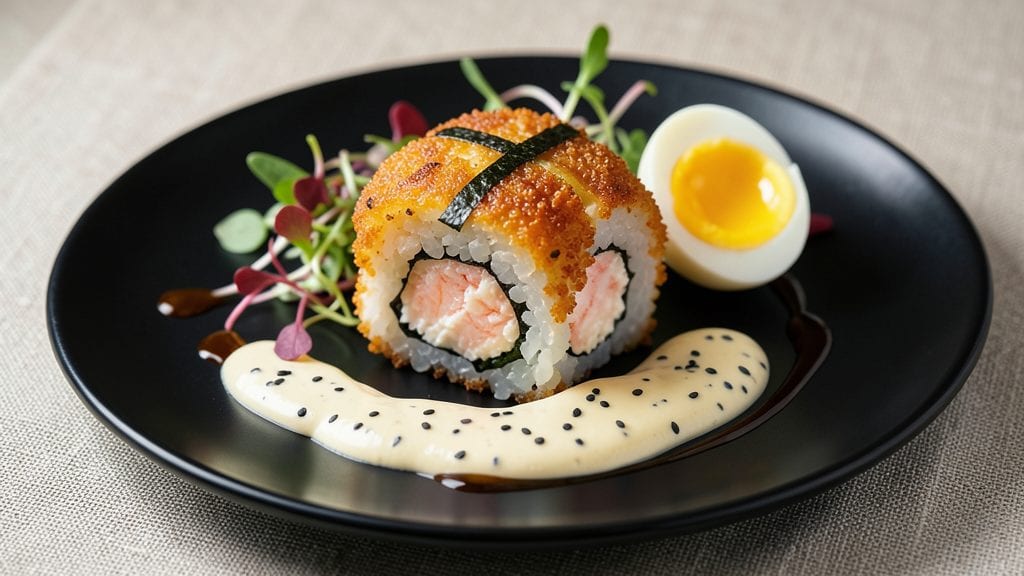
This baked crab sushi recipe transforms traditional sushi into a crispy, golden masterpiece with a creamy crab center that melts in your mouth. The fusion of Japanese techniques with modern baking creates a dish that’s both elegant and foolproof for home cooks.
I’ve perfected the balance between a crackling exterior and tender, flavorful filling—no sushi skills required.
The secret lies in the crispy panko crust, which locks in moisture while creating that irresistible crunch. You’ll start with a simple crab mixture—flaked crabmeat, mayo, and seasonings—then wrap it in nori and rice before baking until golden. The result? A bite-sized sushi experience that’s restaurant-quality without the fuss.
What makes this recipe stand out is how it elevates basic ingredients into something extraordinary. The creamy crab center stays rich and cohesive, while the crispy top adds texture that keeps every bite exciting.
Perfect for appetizers, parties, or a special weeknight dinner, this dish delivers professional results with minimal effort.
Once you master this technique, you’ll never go back to raw sushi again. The baking method ensures even cooking and a foolproof structure, so even beginners can achieve perfect rolls every time. Let’s get started!
Ingredients for baked crab sushi
Fourteen ingredients transform traditional sushi into crispy, golden baked perfection with creamy crab centers.
| Ingredient | Amount | Notes |
|---|---|---|
| Flaked Crabmeat 🦀 | 12 oz | Freshly packed, lump-free preferred |
| Japanese Short-Grain Rice 🍚 | 1 ½ cups | Uncooked, sushi-grade quality |
| Nori Sheets 🍣 | 4 whole | High-quality, slightly sticky |
| Mayonnaise 🥛 | ¼ cup | Japanese-style preferred |
| Japanese Panko Breadcrumbs 🍞 | ½ cup | Fine texture for crispiness |
| Eggs 🥚 | 1 whole | Large, beaten for coating |
| Sesame Seeds 🌾 | 1 tbsp | Toasted for garnish |
| Rice Vinegar 🍶 | 2 tbsp | Seasoned preferred |
| Sugar 🍬 | 1 tbsp | Granulated, for rice seasoning |
| Fresh Ginger 🧡 | ½ oz | Finely grated, aromatic |
| Salt 🧂 | ½ tsp | Diamond Crystal preferred |
| Black Pepper 🌶️ | ¼ tsp | Freshly ground for heat |
| Vegetable Oil 🫒 | 1 tbsp | For greasing baking sheet |
| Sesame Oil 🫒 | 1 tsp | Toasted, for finishing |
The crabmeat is the heart of this dish, so prioritize quality—look for freshly packed, lump-free crabmeat at specialty seafood markets or high-end grocery stores like Whole Foods. The Japanese short-grain rice should be sushi-grade, not the regular table rice. Koshihikari or Calrose varieties are ideal, and you'll find them in the Asian section. For nori sheets, avoid pre-cut or overly brittle sheets—they won't hold shape during baking. I recommend Marukan brand for reliable quality. The panko should be Japanese-style, not the dense Italian kind—Kikkoman makes an excellent option. Fresh ginger is non-negotiable here; avoid powdered substitutes as they lack the aromatic depth.
No Japanese mayo? Hellmann's or Best Foods work in a pinch, though the texture will differ slightly. Running short on sesame seeds? Toasted poppy seeds provide a similar crunch, though the flavor profile shifts. The rice vinegar should be seasoned (with sugar and salt), not plain—Koyo brand is a staple in professional kitchens. For the ginger, if you can't find fresh, substitute with 0.25 tsp ground ginger plus 0.25 tsp lemon juice. The sesame oil must be toasted—avoid the strong, bitter-tasting variety used for cooking. For the crab, if using canned, opt for imitation crab with 100% surimi and drain it thoroughly to prevent excess moisture. The panko mixture can be prepped ahead and refrigerated for up to 24 hours for enhanced crispiness.
Store the cooked crab sushi in an airtight container with parchment paper between layers to maintain crispiness for up to 2 days. Reheat in a 200°F oven for 5-7 minutes to restore crunch. The rice mixture can be prepped 1 day ahead and refrigerated, but bring it to room temperature before assembling. For the crab filling, mix all components just before wrapping to prevent the mayo from breaking down. These bite-sized sushi rolls freeze beautifully—up to 1 month—though the crust may lose some crispiness. To reheat from frozen, bake at 350°F for 12-15 minutes until heated through.
Why You'll Love This Recipe
- I swear by this trick: spread the rice thin on the nori, then fold it like a burrito before slicing. No sticky fingers, no uneven rolls—just clean cuts every time. (Yes, even if you’re still learning.)
- No Rice Bowl Struggles: I swear by this trick: spread the rice thin on the nori, then fold it like a burrito before slicing. No sticky fingers, no uneven rolls—just clean cuts every time. (Yes, even if you’re still learning.)
- Creamy Crunch Magic: That mayo-panko mix on top? It’s the secret weapon. The panko toasts into golden crunch while the mayo keeps it luscious—like a crab cake’s dream team. Honestly, I’ve skipped the nori just to eat the topping first.
- Lunchbox Hero: Between us, this holds up way better than raw sushi in a bag. Pack it the night before, and it’s still fresh by noon—no soggy rice, no sad nori edges. My kids actually eat their veggies when this is involved. (Small victories.)
Step-by-step instructions for baked crab sushi with crispy top and creamy center
Master the technique of achieving perfect texture contrast—crispy exterior, velvety crab filling—every time.
Prepare the Japanese Short-Grain Rice Mixture
Combine the 1.5 cups Japanese short-grain rice with 2 tablespoons rice vinegar, 1 tablespoon sugar, and 0.5 ounces finely grated fresh ginger in a medium saucepan. Add 2 cups water (measured separately) and bring to a boil over medium-high heat. Once boiling, immediately reduce heat to low, cover tightly with a lid, and simmer for 15 minutes.
After 15 minutes, remove from heat and let the rice steam undisturbed for an additional 10 minutes. This resting period allows the rice to absorb all moisture evenly, creating a cohesive, slightly sticky texture perfect for sushi. Gently fluff with a rice paddle, being careful not to break the grains, and spread on a tray to cool completely before using.
Assemble the Crab Filling with Perfect Texture
In a mixing bowl, combine the 12 ounces flaked crabmeat, 0.25 cup mayonnaise, 0.5 teaspoon salt, and 0.25 teaspoon black pepper. Using a fork, gently fold until just combined—avoid overmixing, which can break down the crab's delicate texture. The mixture should remain light and airy, with the crab flakes maintaining their shape.
Transfer the mixture to a small baking dish and cover with plastic wrap. Chill in the refrigerator for 30 minutes to firm up slightly. This step ensures the crab filling holds its shape during baking while maintaining its signature creamy consistency. The cold temperature also helps prevent the mayonnaise from separating during the baking process.
Create the Crispy Panko Coating
In a shallow dish, beat the 1 whole egg until frothy but not fully emulsified. In another dish, combine the 0.5 cup Japanese panko breadcrumbs with 1 tablespoon toasted sesame seeds. Dip each nori sheet into the beaten egg, allowing excess to drip off, then press firmly into the panko mixture, coating both sides evenly.
Place the coated nori sheets on a parchment-lined baking sheet, seam-side down. Brush the top surface lightly with 1 teaspoon sesame oil to enhance browning. Preheat your oven to 375°F while you prepare the final assembly. The sesame oil will contribute to that signature nutty aroma and deeper golden color when baked.
Assemble and Bake for Perfect Texture Contrast
Spread ¼ of the prepared rice evenly over each nori sheet, leaving a ½-inch border at the top. Divide the chilled crab mixture evenly among the four sheets, creating a 3-inch wide rectangle in the center of each. Fold the bottom edge of the nori up over the filling, then fold in the sides to encase completely, creating compact rectangles.
Bake for 12-14 minutes until the edges are deep golden brown and the filling is heated through. The crispy exterior should contrast beautifully with the creamy crab center. If the top browns too quickly, tent loosely with foil for the last 2 minutes of baking to maintain even color.
Finish and Serve Immediately
Remove from the oven and let rest for 2 minutes before slicing. Using a sharp knife, cut each rectangle diagonally into 4 equal pieces. The crispy panko should crackle when bitten, while the crab filling remains perfectly creamy. Arrange on a serving platter and drizzle lightly with additional sesame oil for extra flavor.
Serve immediately while the texture contrast is at its peak. The warm, crispy exterior pairs beautifully with the cool, creamy crab center. For presentation, garnish with extra sesame seeds and serve with a side of soy sauce for dipping. The contrast of textures and temperatures makes each bite an experience worth savoring.
Pro Tips For Making Baked Crab Sushi
- Salt the Rice Twice: DESCRIPTION: Start with the rice dry—toss it in the pot before adding water, then rinse until the water runs clear. After cooking, spread it on a tray to cool while you mix the crab filling, then sprinkle a pinch of salt over the rice again before shaping. I learned this the hard way—unsalted rice makes the whole dish taste flat, and no one wants that.
- Press the Nori Hard: DESCRIPTION: When rolling the sushi, press the nori firmly against the rice—don’t be shy. If it’s loose, the filling will ooze out during baking, and your presentation (and texture) will suffer. Use a damp paper towel to smooth the edges afterward; it makes all the difference in how clean the final roll looks.
- Don’t Overmix the Crab: DESCRIPTION: Once you fold the flaked crab into the mayo-panko mix, stop stirring the second everything comes together. Overworking it turns the crab into a paste, and the texture becomes gummy. Just combine until the panko is mostly coated—that’s enough. Your future self will thank you when the bite stays flaky.
- Bake at 375°F, Not Hotter: DESCRIPTION: Cranking the oven to 400°F will crisp the panko too fast, burning it before the crab heats through. 375°F gives the mayo time to set without scorching, and the edges get golden without sacrificing the creamy center. I was skeptical until I tried it—now I never go higher.
Pro cooking tips for great baked crab sushi
Crispy Panko Mastery
For that perfect golden crust, use Japanese panko—it's lighter than Italian breadcrumbs and creates maximum surface area for crispiness. I like Kikkoman brand because it's finely ground and stays crisp even when baked.
Before coating, make sure your nori sheets are completely dry—any moisture will prevent the panko from adhering properly. 💫
Egg Coating Secrets
Beat the egg just until frothy—overmixing creates a gluey texture that makes the panko clump. Use a wire whisk for 10-12 strokes max. For extra crunch, add 1 tablespoon cornstarch to the panko mixture. This creates a lighter, airier crust that shatters beautifully when bitten.
Baking Temperature Control
Preheat your oven to 375°F—this is critical for even browning. If your oven runs hot, reduce to 350°F and bake for 14-16 minutes. Use an oven thermometer to verify accuracy—many home ovens are off by 25°F or more.
The edges should be deep golden brown while the center remains warm but not overcooked.
Rice Texture Tips
For perfectly sticky rice, use sushi-grade short-grain rice like Koshihikari. Rinse it twice before cooking to remove excess starch. After cooking, let it steam undisturbed for 10 minutes—this resting period develops the right consistency.
Spread the rice on a tray to cool completely before assembling to prevent soggy rolls.
Crab Filling Stability
Chill the crab mixture for 30 minutes before baking—this prevents the mayo from separating and helps the filling hold its shape. If using imitation crab, drain it thoroughly and pat dry with paper towels to remove excess moisture.
For extra richness, fold in 1 teaspoon lemon juice to brighten the flavors.
Resting for Success
Let the baked sushi rest for 2 minutes after baking before slicing—this allows the filling to set slightly and prevents it from oozing out. Use a sharp chef's knife and cut diagonally for the most elegant presentation.
Serve immediately while the panko is still crisp and the crab filling is warm and creamy. 🔥
Nutrition facts
Frequently asked questions
Can I make this recipe with imitation crab instead of fresh?
Imitation crab works perfectly—just be sure to use 100% surimi and drain it thoroughly before mixing. Pat it dry with paper towels to remove excess moisture, which prevents a soggy crust. For extra flavor, add 1 teaspoon lemon juice to brighten the filling.
Why does my panko crust turn out greasy instead of crispy?
Greasy crusts usually happen when the nori sheets aren't dry or the egg coating is overmixed. Ensure your nori is completely dry before coating, and beat the egg just until frothy—not fully emulsified. For extra crispiness, chill the assembled rolls for 15 minutes before baking to help the panko set properly.
How do I store leftovers without losing the crispy texture?
Store baked sushi in an airtight container with parchment paper between layers to maintain crispiness for up to 2 days. Reheat in a 200°F oven for 5-7 minutes to restore crunch. For longer storage, freeze for up to 1 month—reheat from frozen at 350°F for 12-15 minutes.
Can I make these ahead of time for a party?
Yes! Assemble the rolls but skip baking. Wrap them tightly in plastic wrap and refrigerate for up to 24 hours. Bake just before serving to keep the crust crisp. For make-ahead filling, mix the crab and mayo 1 day ahead and chill—this prevents separation and enhances flavor.
What’s the best way to serve these baked sushi bites?
Arrange on a platter with extra sesame seeds and a side of soy sauce for dipping. For presentation, drizzle lightly with sesame oil and garnish with thinly sliced green onions. Serve with pickled ginger and wasabi for a traditional touch. The crispy exterior pairs perfectly with cool, creamy crab.