
Main Courses
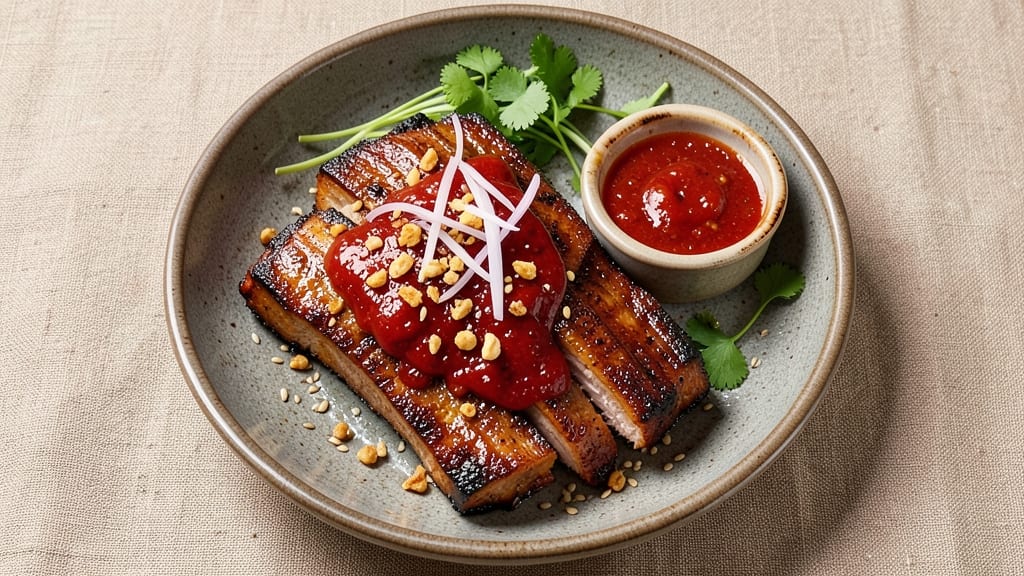
This baked Korean ribs recipe delivers restaurant-quality results with a perfect balance of smoky, sweet, and savory flavors—all achieved in your home oven. The secret lies in a marinade that tenderizes the meat while building layers of caramelized depth, creating ribs with crispy edges and melt-in-your-mouth tenderness.
I developed this method after years of experimenting with Korean BBQ techniques, and it never fails to impress.
The process begins with a marinade of gochujang, soy sauce, garlic, and brown sugar, which transforms tough ribs into succulent, flavor-packed bites. Baking at 275°F ensures even cooking without drying out the meat, while a final broil step creates those coveted caramelized edges.
The result is ribs that are sticky, slightly crispy, and packed with umami-rich flavor—just like your favorite Korean BBQ joint.
What sets this recipe apart is its versatility: adjust the spice level by reducing or increasing the gochujang, and pair the ribs with classic sides like steamed rice, kimchi, or quick-pickled vegetables.
The sauce clings to every bite, making it a crowd-pleaser for any meal. Whether you're feeding a family or hosting a dinner party, these ribs will be the star of the show.
Ready in about 3 hours (including marinating time), this recipe is perfect for weekend cooking projects. The hands-on prep time is minimal, but the slow baking ensures maximum flavor infusion. Once you try baked ribs this way, you’ll never go back to the grill—or store-bought shortcuts. Let’s get started!
Ingredients for baked korean ribs
Six ingredients make the marinade, plus ribs that transform into sticky, caramelized perfection.
| Ingredient | Amount | Notes |
|---|---|---|
| Bone-In Pork Ribs 🥩 | 4 lb | Baby back or St. Louis style, trimmed of excess fat |
| Gochujang 🌶️ | ½ cup | Korean fermented chili paste, unsweetened |
| Soy Sauce 🍶 | ⅓ cup | Korean or Japanese preferred |
| Brown Sugar 🍯 | ½ cup | Packed, light or dark |
| Garlic Cloves 🧄 | 8 cloves | Fresh, minced or grated |
| Fresh Ginger 🌿 | ¼ cup | Finely grated, peeled |
| Sesame Oil 🫒 | 1 tbsp | Toasted, not flavored |
| Rice Vinegar 🍶 | 2 tbsp | White or seasoned |
| Honey 🍯 | 2 tbsp | Wildflower or clover |
| Asian Pearl Onions 🧅 | 1 whole | Sliced into 1/4-inch rings |
| Green Onions 🧅 | 4 whole | White and green parts separated |
| Vegetable Oil 🫒 | 2 tbsp | For greasing baking dish |
| Salt 🧂 | 1 ½ tsp | Kosher or sea salt |
| Black Pepper 🌶️ | 1 tsp | Freshly ground |
| Toasted Sesame Seeds 🌾 | 1 tbsp | For garnish |
The ribs are non-negotiable—bone-in baby backs or St. Louis style give the best texture. Costco or Whole Foods carry them pre-cut, but if buying whole, ask your butcher to trim the silver skin. The gochujang is the soul of this dish: Mae Mun or Dae Yang brands deliver the authentic fermented depth. If you can't find Korean soy sauce, Japanese Kikkoman works in a pinch. Fresh ginger and garlic? Don't use powdered—the flavor difference is night and day. I always double-check the ginger for fibrous strands, and I peel the garlic cloves right before grating to keep them fresh.
No gochujang? Substitute 2 tbsp sriracha plus 1 tbsp tomato paste for heat, but you'll lose that deep umami. Running low on sesame oil? Avocado oil at half the amount works, though it lacks the nutty aroma. The onions are optional but add sweetness—red or yellow pearl onions caramelize beautifully. For extra stickiness, add 1 tbsp of cornstarch mixed with 2 tbsp water to the marinade. The honey can be swapped for maple syrup, but it'll taste less refined. And if you're feeling adventurous, toss in 1 tsp of gochugaru (Korean chili flakes) for extra heat.
Marinate the ribs overnight for maximum tenderness, but at least 4 hours if you're short on time. Store the marinade in an airtight container in the fridge—it keeps for up to 1 week. The ribs reheat beautifully: 350°F for 15-20 minutes wrapped in foil. For leftovers, freeze portions in single-serving bags for up to 3 months. The sauce thickens as it cools, so thin with a splash of water if needed. And trust me, the sesame seeds on top? Worth the extra minute—they add crunch and aroma.
Why You'll Love This Recipe
- One-Pan Magic: I swear by this recipe—just ribs, gochujang, and a few pantry staples tossed on a sheet pan. No fancy prep, no extra dishes, and still that sticky-sweet glaze that makes everyone reach for seconds.
- Sweet-Spicy Kick: That gochujang-soy-brown sugar combo? It’s the kind of flavor that lingers. The ribs get this perfect caramelized crust while staying tender inside—like a hug for your taste buds, but with actual heat.
- Weeknight Hero: Between us, this is my go-to when I’m too tired to grill. The oven does all the work while I chop veggies or fold laundry, and the smell alone turns a Tuesday into a "maybe we should order takeout" moment.
- Leftovers That Don’t Suck: Honestly, I make these on Sunday and eat them all week. The ribs stay juicy, the glaze doesn’t dry out, and I can toss them in salads, rice bowls, or just reheat straight up—no sad, rubbery leftovers here.
Step-by-step instructions for baked Korean ribs
Here's how to achieve that perfect balance of smoky, sweet, and spicy—crisp edges and tender meat every time.
Prepare the Ribs and Marinade
Start by trimming any excess fat from the 4 lb bone-in pork ribs—leave just enough to protect the meat during baking. Pat them completely dry with paper towels, which is crucial for achieving that crispy exterior. In a large bowl, combine 0.5 cup gochujang, 0.33 cup soy sauce, 0.5 cup packed brown sugar, 8 cloves minced garlic, 0.25 cup finely grated fresh ginger, 1 tbsp toasted sesame oil, 2 tbsp rice vinegar, and 2 tbsp honey. Whisk until fully dissolved and smooth.
Place the ribs in a large resealable bag and pour the marinade over them, ensuring every surface is coated. Seal the bag and massage the marinade into the ribs, pressing it into the crevices. Let them marinate in the refrigerator for at least 4 hours, or preferably overnight. The longer they marinate, the deeper the flavor penetration and the more tender the meat will become.
Slice and Prep the Onions
While the ribs marinate, slice the 1 whole Asian pearl onion into ¼-inch rings and separate the 4 whole green onions into white and green parts. Set the white parts aside for the sauce and keep the green parts for garnish. In a small bowl, toss the sliced pearl onions with 1.5 tsp salt and let them sit for 10 minutes—this draws out moisture, ensuring they caramelize beautifully during baking.
After 10 minutes, drain any liquid that has collected in the bowl and pat the onions dry with a paper towel. This step is essential for achieving that perfect crispy texture when they bake. Keep them at room temperature until ready to use.
Assemble and Bake the Ribs
Preheat your oven to 375°F and position a rack in the center. Lightly grease a large baking dish with 2 tbsp vegetable oil to prevent sticking. Remove the ribs from the marinade, discarding any excess, and arrange them in a single layer in the baking dish. Sprinkle 1 tsp black pepper evenly over the ribs and scatter the drained pearl onions on top.
Bake the ribs for 45 minutes, then carefully flip each rib and sprinkle with an additional 1.5 tsp salt to enhance the caramelization. Return them to the oven and bake for another 30 minutes, or until the ribs are tender and the edges are deep golden brown. The internal temperature should reach 195°F—this ensures the meat is fall-apart tender.
Finish with Glaze and Garnish
Remove the ribs from the oven and transfer them to a serving platter. In a small saucepan, combine the remaining marinade from the bag and simmer over medium heat for 3-4 minutes until slightly thickened. Brush this glaze evenly over the ribs, letting it pool in the crevices for maximum flavor.
Garnish with the reserved green onion tops and sprinkle generously with 1 tbsp toasted sesame seeds for a final touch of texture and aroma. Serve immediately while the ribs are still sizzling hot, with extra glaze drizzled on top for dipping. The contrast of crispy, caramelized edges and tender, smoky meat is what makes this dish unforgettable.
Pro Tips For Making Baked Korean Ribs
- SEAR THE RIB BONES FIRST: High heat for 3-4 minutes on each side before baking—this isn’t just for looks. The Maillard reaction on the bone marrow is what makes your sauce cling better later, and it keeps the meat juicier when it hits the oven. (Yes, even if you’re impatient like me.)
- MIX GOCHUJANG WITH OIL: Stir 1 tablespoon neutral oil into your gochujang before slathering it on the ribs. The sauce will spread more evenly and stick like glue, not drip off the tray. I learned this the hard way after watching my first batch turn into a sticky mess.
- DON’T OVERLOAD THE PAN: Crowd the ribs, and you’ll steam them instead of caramelizing the sauce. Leave a 1-inch gap between pieces—this isn’t a sardine can. If your tray is small, bake in two batches; the extra crispy edges are worth it.
- SAVE TIME WITH FROZEN GARLIC: Peel and crush 4 cloves of frozen garlic (thawed) into your marinade—it’s just as flavorful, and you skip the chopping. No one will notice, and your hands stay clean. (Your future self will thank you.)
Dietary considerations for this dish
Gluten-Free Adaptations
This recipe is naturally gluten-free, but always double-check your ingredients—especially the gochujang and soy sauce. Brands like Mae Mun or Dae Yang are typically gluten-free, but some commercial versions contain wheat.
For extra caution, use tamari instead of soy sauce. The marinade and baking process remain unchanged, so you’ll still get that perfect caramelized crust and tender meat. 🌱
Low-Carb Options
To make this dish lower in carbs, reduce the brown sugar to 2 tablespoons and replace the remaining 3 tablespoons with erythritol or monk fruit sweetener. The ribs will still caramelize beautifully, though the glaze will be slightly less sticky.
Serve with cauliflower rice instead of white rice, and you’ve got a keto-friendly meal that won’t skimp on flavor. The gochujang and garlic will keep the dish rich and satisfying.
Spice Adjustments
If you’re sensitive to heat, reduce the gochujang to ¼ cup and add 1 tablespoon of honey to balance the spice. For extra heat, increase the gochujang to ⅔ cup and add 1 teaspoon of gochugaru (Korean chili flakes) directly to the marinade.
I’ve found that Mae Mun gochujang has a consistent heat level, so it’s great for customization. Always taste the marinade before applying it to the ribs!
Dairy-Free Considerations
This recipe is already dairy-free, but if you’re serving alongside dairy-based sides (like cheese sauces or butter-heavy dishes), opt for nut-based sauces or olive oil drizzles instead. The ribs pair wonderfully with cashew cream or avocado salsa for a creamy, dairy-free contrast.
The natural richness of the ribs stands up beautifully to plant-based alternatives, so don’t hesitate to experiment with toppings.
Allergen-Friendly Swaps
For nut allergies, skip the sesame oil and replace it with avocado oil or light olive oil. If sesame seeds are an issue, garnish with toasted pumpkin seeds or crushed peanuts instead.
Always check labels on store-bought ingredients like gochujang and soy sauce for hidden allergens. The ribs themselves are safe for most allergies, making this a versatile dish for guests with dietary restrictions. 💡
Protein Alternatives
While pork ribs are traditional, you can adapt this recipe for beef short ribs or chicken thighs. For beef, increase the marinating time to 6-8 hours due to the tougher connective tissue.
Chicken thighs will cook faster—reduce the baking time to 30-35 minutes total—but keep the marinade the same. The technique works for any protein, so don’t be afraid to experiment with different cuts. Just adjust the internal temperature: 195°F for beef, 175°F for chicken.
Nutrition facts
Frequently asked questions
Can I use beef ribs instead of pork?
Yes, but adjust the cooking time and marinating method. Beef ribs need 6-8 hours of marinating due to tougher connective tissue, and bake at 275°F for 3-4 hours until fork-tender. The same marinade works, but monitor closely—they won’t caramelize as fast as pork.
How do I prevent the ribs from drying out?
Keep the ribs moist by basting with marinade every 30 minutes during baking, and avoid overcooking. Use a meat thermometer to check for 195°F internal temp—this ensures tender meat without drying. A light spray of water in the baking dish can also help create steam.
What’s the best way to reheat leftover ribs?
Wrap ribs tightly in foil and reheat at 350°F for 15-20 minutes to preserve moisture. For extra crispiness, broil for 2-3 minutes at the end. Avoid microwaving—it makes the meat rubbery. Leftovers keep for 3 days in the fridge or 3 months frozen.
Can I make this recipe without gochujang?
Yes, substitute 2 tbsp sriracha + 1 tbsp tomato paste for heat, but you’ll lose depth. For a milder version, use 1 tbsp honey + 1 tbsp soy sauce + ½ tsp smoked paprika. The caramelization will still happen, though the sauce won’t be as sticky. Always taste the marinade first!
What sides pair best with these ribs?
Classic pairings include steamed jasmine rice, kimchi, and quick-pickled cucumbers. For a lighter option, serve with sesame green beans or a simple cucumber salad. The sticky glaze works great for dipping—try it with steamed bok choy or even fresh baguette slices for a French-Korean fusion twist.