Main Courses
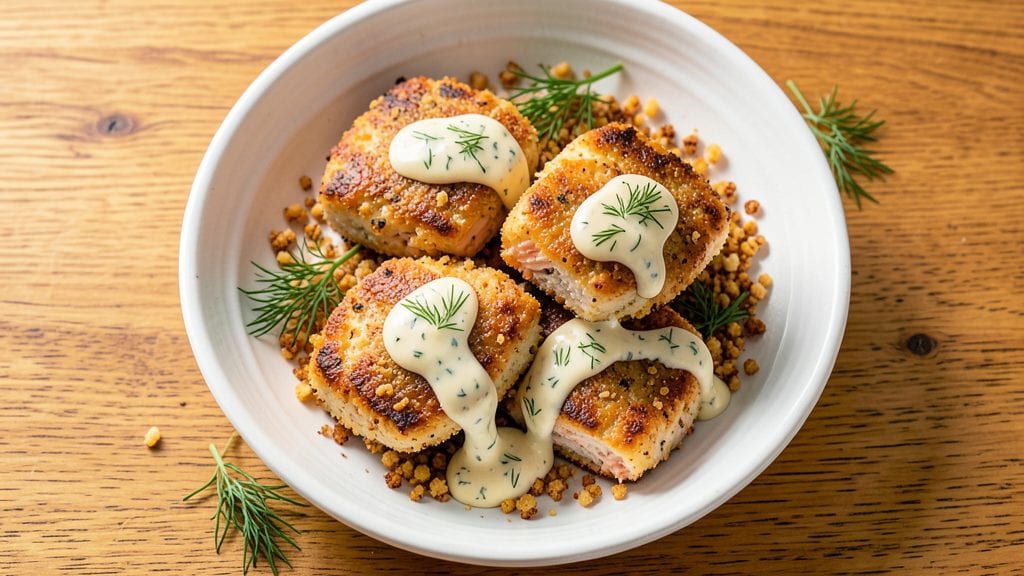
This baked salmon patties recipe with canned salmon turns simple ingredients into golden, flaky bites that prove convenience can taste just as rich. This baked salmon patty recipe turns pantry staples into a restaurant-worthy dish with minimal effort—no fresh fish required.
The secret lies in properly flaking the salmon and binding it with cornmeal for that perfect golden crust.
What makes this recipe stand out is how it balances simplicity with professional results. You’ll mix canned salmon with breadcrumbs, egg, and seasonings, then shape into patties before baking until crispy.
No frying required, which keeps the process clean and the flavors bright. The cornmeal coating ensures that crispy exterior we all love, while the flaky salmon inside stays tender.
By the time these patties emerge from the oven, you’ll have a dish that’s crispy on the outside, flaky and moist on the inside, with a subtle oceanic richness. Serve them with lemon wedges, tartar sauce, or a simple side salad to round out the meal.
This recipe proves that canned salmon can be just as impressive as fresh—if not more so.
Perfect for weeknight dinners, meal prep, or even a quick lunch, these patties deliver restaurant-quality results with simple ingredients and foolproof technique. Let’s get started on a dish that’s equal parts satisfying and stress-free.
Ingredients for baked salmon patties recipe with canned salmon
Simple pantry staples transform into crispy, flaky salmon patties with minimal effort.
| Ingredient | Amount | Notes |
|---|---|---|
| Canned Salmon 🐟 | 15 oz | High-quality, drained well |
| Cornmeal 🌾 | ½ cup | Fine grind for best texture |
| Panko Breadcrumbs 🍞 | ½ cup | Light and airy preferred |
| Large Egg 🥚 | 1 whole | Room temperature for best binding |
| Mayonnaise 🥛 | 2 tbsp | Duck sauce for extra richness |
| Fresh Dill 🌿 | 2 tbsp | Chopped finely for freshness |
| Lemon Juice 🍋 | 1 tbsp | Freshly squeezed preferred |
| Garlic Powder 🧄 | 1 tsp | Freshly ground preferred |
| Onion Powder 🧅 | 1 tsp | For subtle depth of flavor |
| Salt 🧂 | ½ tsp | Kosher or sea salt |
| Black Pepper 🌶️ | ¼ tsp | Freshly ground for best flavor |
| Vegetable Oil 🫒 | 1 tbsp | For greasing pan |
| Lemon Wedges 🍋 | 4 whole | For serving, optional garnish |
The canned salmon is the star here, so choose high-quality brands like StarKist or Wild Planet—they flake better and taste fresher. Look for the wild-caught variety if you can find it; it has a cleaner flavor. Drain the salmon well and break it into flakes with your fingers or a fork—this ensures the patties stay tender. If you're using canned salmon with skin, remove it for the smoothest texture. Trader Joe's often carries excellent options at a reasonable price, and their bulk cans are perfect for meal prep.
No cornmeal? Fine breadcrumbs or crushed cornflakes work in a pinch, though they won’t give the same crispy texture. Short on dill? Fresh parsley or dried dill at half the amount will still add brightness. The mayonnaise acts as a binder, but if you’re avoiding it, Greek yogurt or mashed avocado can substitute—just reduce the liquid slightly. For extra flavor, mix in a dash of Old Bay seasoning or a pinch of smoked paprika. If your patties feel too wet, add an extra 2 tbsp of breadcrumbs to absorb moisture. The key is balancing the wet ingredients with the dry for a cohesive bind.
These patties keep well in the fridge for 3-4 days, stored between layers of parchment paper to maintain crispness. For longer storage, freeze them on a tray before transferring to a bag—up to 3 months. Reheat in a 350°F oven for 8-10 minutes or air fry at 375°F for 5 minutes to restore that golden crust. Serve with lemon wedges and a side of tartar sauce or a simple arugula salad to highlight the oceanic flavors. The patties reheat beautifully, making them perfect for meal prep.
Why You'll Love This Recipe
- Here’s what sold me: that perfect contrast where the outside gets golden and crispy from the panko, but the mayo and egg inside stay rich and tender. It’s like a salmon croquette’s more approachable cousin—no fancy technique required.
- Pantry to Plate: I swear by this recipe when I’ve got nothing but a can of salmon and a handful of pantry staples. No fresh fish fillets to worry about—just drain, mix, and bake. The cornmeal keeps it sturdy while the panko adds that satisfying crunch without a single fryer in sight.
- Creamy Crunch Magic: Here’s what sold me: that perfect contrast where the outside gets golden and crispy from the panko, but the mayo and egg inside stay rich and tender. It’s like a salmon croquette’s more approachable cousin—no fancy technique required.
- Leftovers That Don’t Lie: Between us, these patties reheat like a dream. Toss them in a toaster oven for 5 minutes, and they’re just as good as day one. I make a double batch on Sundays because they’re my go-to for lunches, potlucks, or even a quick snack when I’m too tired to cook.
Step-by-step instructions for baked salmon patties with canned salmon
Here's how to create perfectly crispy patties with tender, flaky salmon inside.
Prepare the Salmon Mixture
In a medium bowl, drain the 15 oz canned salmon thoroughly using a fine-mesh strainer, pressing gently to remove excess liquid. Transfer the drained salmon to a mixing bowl and break it into small chunks with your hands or a fork. This texture ensures even distribution throughout the patties.
Add the 0.5 cup cornmeal, 0.5 cup panko breadcrumbs, 1 whole large egg, 2 tbsp mayonnaise, 2 tbsp fresh dill, 1 tbsp lemon juice, 1 tsp garlic powder, 1 tsp onion powder, 0.5 tsp salt, and 0.25 tsp black pepper to the salmon. Using a fork or your hands, gently combine all ingredients until just mixed—avoid overworking the mixture, as this can make the patties dense. The cornmeal and panko create the crispy crust while the egg binds everything together.
Form and Chill the Patties
Divide the mixture into 4 equal portions (about 3 ounces each) and shape them into ¾-inch thick patties on a parchment-lined plate. Press gently but firmly to ensure they hold their shape. The thickness is key—too thin and they'll dry out; too thick and they won't cook through evenly.
Cover the plate with plastic wrap and refrigerate for at least 30 minutes. Chilling firms up the patties, making them easier to handle and ensuring they hold together during baking. This step also helps the cornmeal absorb moisture, which enhances crispiness.
Preheat and Prepare the Pan
Preheat your oven to 400°F. Lightly grease a baking sheet with 1 tbsp vegetable oil or line it with parchment paper—this prevents sticking and ensures even browning. Arrange the chilled patties in a single layer on the prepared baking sheet, spacing them about ½ inch apart for proper air circulation.
For extra crispiness, I like to brush the tops of the patties lightly with a bit more mayonnaise before baking. This adds richness and helps create a golden crust. Place the baking sheet on the middle rack of the oven, where heat is most consistent.
Bake to Golden Perfection
Bake the patties for 12-15 minutes, flipping them halfway through at the 6-minute mark. You'll know they're ready when the edges are deep golden brown and the internal temperature reaches 145°F—the cornmeal crust should be crispy while the salmon inside remains flaky and tender.
If the tops aren't brown enough after flipping, return them to the oven for an additional 1-2 minutes until crispy. Overbaking can dry out the salmon, so keep a close eye on them. Remove from the oven and let them rest for 2 minutes before serving—this allows the juices to redistribute, ensuring each bite is moist.
Serve with Lemon Wedges
Transfer the patties to a serving platter and garnish with the 4 whole lemon wedges. The bright acidity of the lemon cuts through the richness of the mayonnaise and complements the flaky salmon beautifully. Serve immediately while the crust is still crispy and the salmon is warm.
For best results, pair these patties with a simple side salad or steamed vegetables. The contrast of textures—crispy exterior, flaky interior—makes every bite satisfying. Store leftovers in an airtight container in the refrigerator for up to 2 days, though they're best enjoyed fresh!
Pro Tips For Making Baked Salmon Patties Recipe With Canned Salmon
- Drain & Pat Dry: The canned salmon’s moisture is the enemy of crispy patties. After draining, spread it on a paper towel and press firmly with another towel—this step alone cuts greasy, gummy results. I learned this the hard way when my first batch turned into dense, soggy blobs.
- Mix Mayo Last: Add the mayonnaise right before shaping the patties, or the cornmeal will steal its moisture and leave you with dry, crumbly messes. Stir it in just enough to bind, then fold in the panko—this keeps the texture light and the crust intact.
- Press Patties Firm: Don’t just scoop and slap—pack the mixture into the pan with the back of a spoon or your palm. This ensures even cooking and prevents them from spreading into flat, sad pancakes. Think "dense but not packed like a brick," or you’ll end up with a hockey puck.
- Bake in Two Batches: Crowding the pan? Skip it. Overlapping patties steams them instead of browning, and that’s how you get a sad, uneven finish. Use a lightly oiled pan and bake one layer at a time—your future self will thank you for the golden, crispy reward.
Common mistakes when making this recipe
Overmixing the Mixture
I’ve ruined more patties than I care to admit by overmixing the salmon mixture. Once you’ve combined the canned salmon with breadcrumbs, egg, and seasonings, stop as soon as everything is just incorporated.
Overworking the mixture develops gluten in the egg and breadcrumbs, which makes the patties tough and dense instead of tender and flaky. Think of it like folding in butter for pie crust—gentle, minimal effort is key. 💡
Skipping the Chill Step
If you skip the 30-minute chill in the fridge, your patties will spread and lose their shape during baking. The cornmeal and breadcrumbs need time to absorb moisture from the salmon and egg, which helps them hold together.
I’ve seen patties collapse into sad, flat discs when rushed straight into the oven. Trust the process—this step is non-negotiable for crispy, well-formed patties.
Uneven Thickness
Thickness is everything when baking these patties. If one side is too thick and another too thin, you’ll end up with some bites that are undercooked and others that are dry. Aim for ¾-inch thickness all around.
Use a kitchen scale to portion the mixture evenly—3 ounces per patty—and press them firmly but evenly on a parchment-lined plate. A ruler helps ensure consistency.
Overbaking for Crispiness
It’s tempting to leave the patties in the oven until they’re extra crispy, but this is a fast track to dry salmon. Once the edges are golden brown and the internal temperature hits 145°F, remove them immediately.
Overbaking by even 1-2 minutes can turn the flaky salmon into a sad, rubbery mess. Use an instant-read thermometer to avoid guessing—it’s the only way to nail perfect doneness every time. ⏰
Using Low-Quality Canned Salmon
Not all canned salmon is created equal. Cheap brands with high sodium content or poor flaking quality will ruin your patties. I always reach for wild-caught salmon like Wild Planet or StarKist Premium, which have better texture and flavor.
Drain the salmon thoroughly and press out excess liquid with a paper towel—this prevents soggy patties. If your canned salmon has skin, remove it for the smoothest texture.
Ignoring the Resting Time
After baking, resist the urge to dig in right away. Letting the patties rest for 2 minutes allows the juices to redistribute, ensuring every bite is moist and flavorful. I’ve seen people slice into patties immediately, only to find the first few bites dry while the rest are perfect.
This is your chance to walk away and let the science of cooking work its magic. 💪
Nutrition facts
Frequently asked questions
Can I use fresh salmon instead of canned for these patties?
While this recipe is specifically designed for canned salmon, you can use fresh salmon if you prefer. Flake 12 oz cooked fresh salmon (poached or steamed) and follow the same instructions. Fresh salmon has a slightly different texture and may require 1 extra tbsp of breadcrumbs to absorb moisture. The flavor will be more delicate, but the technique remains identical!
Why does my mixture feel too wet to shape?
If your mixture feels too wet, it's likely because the canned salmon wasn't drained thoroughly enough. Press the salmon through a fine-mesh strainer and pat it dry with paper towels. For extra insurance, add 1-2 tbsp more breadcrumbs to absorb moisture. The mixture should hold together when pressed gently but not be sticky.
Can I make these patties ahead of time?
Shape the patties and refrigerate them on a plate for up to 24 hours before baking. For longer storage, freeze uncooked patties on a tray for 1 hour, then transfer to a bag for up to 3 months. Thaw in the fridge overnight before baking. Reheat from frozen at 375°F for 15-18 minutes or from refrigerated at 400°F for 12-15 minutes.
What's the best way to reheat leftover patties?
For crispy reheating, place patties on a baking sheet and warm at 375°F for 5-7 minutes. For a quicker option, use an air fryer at 375°F for 3-4 minutes. Avoid microwaving—they'll lose their crispy texture. If reheating from frozen, add 2-3 extra minutes to ensure they're fully cooked through.
Can I substitute cornmeal with another ingredient?
Yes! For a gluten-free option, use crushed cornflakes or almond flour. For a different texture, try crushed crackers or crushed potato chips (like saltines or tortilla chips). Just note that cornmeal gives the best crispy crust. If using substitutes, you may need to adjust the amount slightly—start with ½ cup and add more if needed.