
Side Dishes
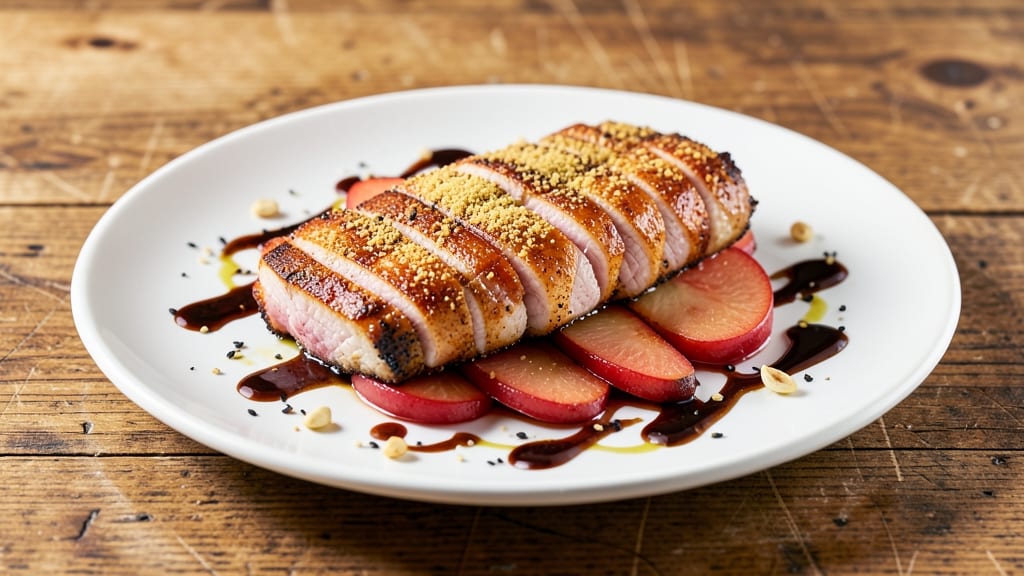
This baked samgyupsal recipe delivers the perfect balance of crispy corn crust and juicy marbled beef, transforming a classic Korean street food into a restaurant-quality dish you can make at home.
The secret lies in marinating the pork belly overnight to enhance tenderness, then baking it with a cornmeal crust that creates that signature crunch while keeping the meat impossibly tender inside.
I developed this method after years of experimenting with both grill and oven techniques, and this version consistently delivers results that rival my favorite Korean BBQ spots.
The beauty of this recipe is its versatility—whether you're serving it as a main dish for a family dinner or as part of a Korean feast with rice, kimchi, and banchan, the flavors shine.
The corn crust adds a subtle sweetness that complements the savory, slightly sweet pork belly, while the marinade infuses the meat with garlic, soy, and pear juice for depth.
What sets this apart is the foolproof baking technique that ensures the crust stays crispy while the center remains perfectly juicy, no matter how large the cut of meat.
By the time you pull this dish from the oven, you'll have golden-brown, crackling crust that gives way to tender, marbled beef with layers of flavor in every bite.
The aroma alone will have everyone gathering around the table, and the presentation—with its crispy edges and glossy glaze—makes it feel like a special occasion meal. This is the kind of dish that turns a simple weeknight dinner into a memorable experience, all without the fuss of traditional grilling.
Serve it with steamed rice, a side of kimchi, and an assortment of banchan for the full Korean BBQ experience. The leftovers reheat beautifully, making it perfect for meal prep or feeding a crowd. Let’s get started on creating your own crispy, juicy samgyupsal at home—no grill required.
Ingredients for baked samgyupsal
Pork belly and cornmeal take center stage for this crispy, juicy Korean classic.
| Ingredient | Amount | Notes |
|---|---|---|
| Pork Belly 🥓 | 2 lb | Thick-cut, marbled preferred |
| Yellow Cornmeal 🌽 | 1 cup | Fine grind for crispy crust |
| Soy Sauce 🍶 | ½ cup | Korean or Japanese preferred |
| Pear Juice 🍐 | ¼ cup | Fresh or bottled, no sugar added |
| Garlic Cloves 🧄 | 6 cloves | Minced, fresh preferred |
| Sesame Oil 🫒 | 1 tbsp | Toasted for nutty aroma |
| Brown Sugar 🍯 | 2 tbsp | Light or dark, packed |
| Ginger Root 🌿 | 1 tbsp | Freshly grated, peel removed |
| Vegetable Oil 🫒 | 2 tbsp | For greasing pan |
| Salt 🧂 | 1 ½ tsp | Kosher or sea salt |
| Black Pepper 🌶️ | ½ tsp | Freshly ground preferred |
| Green Onions 🧅 | 3 whole | Thinly sliced, for garnish |
| Sesame Seeds 🌱 | 1 tbsp | Toasted for crunch |
The pork belly is non-negotiable here—look for thick-cut, well-marbled pieces at your local Asian market or the meat counter. Costco often has great deals on pork belly, but check the fat cap thickness; you want at least 1/4-inch of fat for that signature crisp. If you can't find Korean pear juice, Asian grocery stores usually carry it, but bottled pear nectar in a pinch works too. The cornmeal should be fine grind—Bob's Red Mill is my go-to, but any yellow cornmeal will do. Toast the sesame seeds in a dry pan for 2 minutes until fragrant; that aroma makes all the difference.
No sesame oil? Toasted peanut oil works in a bind, though it'll have a slightly different flavor. Short on pear juice? Apple juice or white grape juice adds sweetness, but you'll lose some depth. The ginger should be fresh—dried just doesn't cut it here. For the cornmeal crust, don't skimp on the oil—rub that pork belly down with 2 tbsp vegetable oil before pressing in the cornmeal. This is what creates that legendary crisp. And if you're feeling fancy, add a splash of mirin to the marinade for extra umami.
Marinate the pork belly overnight for maximum tenderness—24 hours max, or it'll get mushy. Store the marinade in a sealed container in the fridge. The cooked samgyupsal reheats beautifully—wrap it in foil and bake at 350°F for 15 minutes. Leftovers keep for 3 days in the fridge, though I rarely have any. Freeze portions for up to 3 months by wrapping tightly in plastic wrap before adding foil. The crust gets soggy if not stored properly, so let it cool completely before refrigerating.
Why You'll Love This Recipe
- No-Fuss Prep: I swear by this method—just score the pork belly, toss it in a pan with soy sauce and pear juice, then dump it on a sheet with cornmeal. Five minutes of hands-on time, and the oven does all the work. (Yes, even on a Tuesday night.)
- Sweet-Savory Magic: That pear juice isn’t just for show—it caramelizes into a glossy glaze while the garlic cloves turn the edges golden and crisp. The cornmeal crust? Buttery, crunchy, and impossible to stop eating.
- Leftovers? No Problem: This recipe actually improves the next day. The pork belly stays juicy, the crust gets even crunchier, and I’ll slice it thin for quick banchan or toss it in a bowl with rice and kimchi. Honestly, I make double portions on purpose.
- Budget Stretch: Pork belly feels fancy, but here’s the trick: a single cut feeds four, and the cornmeal-soy glaze stretches thin. I’ll be real—it’s my go-to when I’m broke but still want to impress someone. (Or myself.)
Step-by-step instructions for crispy corn-crusted pork belly
Here's how to transform thick-cut pork belly into restaurant-quality baked samgyupsal with a golden corn crust and melt-in-your-mouth tenderness.
Prepare the Pork Belly for Maximum Crisp
Start by scoring the pork belly in a diamond pattern, cutting about ½-inch deep through the fat layer. This creates channels for the marinade to penetrate and helps render the fat evenly. Pat the belly completely dry with paper towels—this is crucial for that crispy crust we're after. You want it bone dry, with no moisture left on the surface.
In a large bowl, whisk together the 0.5 cup soy sauce, 0.25 cup pear juice, 2 tbsp brown sugar, 1 tbsp sesame oil, 1 tbsp grated ginger root, 1.5 tsp salt, and 0.5 tsp black pepper. Pour this marinade over the pork belly, making sure it gets into all those scored channels. Let it marinate in the refrigerator for at least 4 hours, or overnight if possible. This step infuses incredible flavor and helps tenderize the meat.
Create the Crispy Cornmeal Crust
Preheat your oven to 375°F and position a rack in the lower third of the oven. Line a rimmed baking sheet with aluminum foil and brush it lightly with 1 tbsp vegetable oil. Remove the pork belly from the marinade (reserve the marinade for later) and pat it completely dry again—this second drying is what gives us that perfect crisp.
In a shallow dish, mix the 1 cup yellow cornmeal with 1 tbsp sesame seeds. Press the pork belly into this cornmeal mixture, coating all sides thoroughly. The cornmeal should stick to the fat in a thin, even layer. Place the coated pork belly fat-side up on the prepared baking sheet. Bake for 45 minutes, then flip it over and bake another 30 minutes until the cornmeal crust is deep golden brown and crispy.
Braise for Juicy Perfection
Remove the pork belly from the oven and increase the temperature to 425°F. Pour the reserved marinade into the bottom of the baking sheet, creating a shallow pool. Return the pork belly to the pan, fat-side up, and bake for another 15-20 minutes until the internal temperature reaches 195-200°F when measured in the thickest part of the meat.
Here's where the magic happens: the high heat creates a caramelized crust while the braising liquid keeps the meat impossibly tender. You'll know it's done when the pork belly is fork-tender but still holds its shape, with a deep mahogany color. The cornmeal crust should be crisp enough to stand up to a toothpick but still crunchy when broken. Let it rest for 10 minutes before slicing—this allows the juices to redistribute.
Slice and Serve with Garnishes
Slice the pork belly into ¼-inch thick slices against the grain for maximum tenderness. Arrange the slices on a warm platter and drizzle with any pan juices from the baking sheet. Garnish with thinly sliced 3 whole green onions and additional 1 tbsp sesame seeds for color and texture.
Serve immediately with steamed rice and quick-pickled vegetables. The contrast of crispy corn crust with juicy, marbled pork belly and the bright acidity of the pickles makes every bite unforgettable. The pork belly should be so tender it practically melts in your mouth while maintaining that satisfying crunch from the cornmeal crust.
Pro Tips For Making Baked Samgyupsal
- CRANK THE OVEN TO 425°F: Start your pork belly on high heat—no need to preheat longer than 5 minutes. I used to bake at 375°F and ended up with soggy, undercooked edges; the extra heat gets that crispy crust faster while keeping the inside juicy.
- SALT THE BELLY THE NIGHT BEFORE: Skip the rush—apply a heavy dry rub of salt (about 1 tablespoon per pound) and let it sit uncovered in the fridge overnight. This breaks down the fat and seasoning better than a last-minute sprinkle, and the texture becomes actually tender.
- DON’T SKIP THE PEAR JUICE REST: After baking, pour that pear juice mixture over the hot pork belly and let it sit for 3–5 minutes before flipping or serving. I know, it feels like a waste of time, but letting the juices soak in makes the meat absorb the sweet-savory flavor instead of just pooling on top.
- USE COARSE CORNMEAL FOR CRUST: Fine cornmeal blends into the meat—go for the coarse variety and mix it with a little melted butter before pressing it onto the pork belly. This creates a proper crunchy crust that actually holds, not just a dusty coating that flakes off at the first bite.
Regional styles of baked samgyupsal
Korean Street Food Roots
This baked samgyupsal traces its origins to Korea's bustling street food culture, where vendors traditionally grill thick-cut pork belly over charcoal grills. The cornmeal crust is my modern adaptation of the classic crispy skin achieved through careful fat rendering.
In Seoul's Gwangjang Market, you'll find samgyupsal served with ssamjang (dipping sauce) and fresh lettuce wraps—this version keeps that essence while making it oven-friendly. 🌆
Japanese Okonomiyaki Fusion
For a fusion twist, swap the cornmeal crust for shredded cabbage and all-purpose flour mixed with 1 egg to create an okonomiyaki-style batter. Press this onto the pork belly before baking, then top with tonkatsu sauce and Japanese mayo after cooking.
This hybrid version bridges Korean and Japanese comfort food traditions beautifully.
Southern BBQ Adaptation
In the American South, samgyupsal becomes a smoked pork belly with a cornmeal crust—think of it as a cross between Korean and Southern BBQ. Use hickory or applewood chips for smoking at 225°F for 4 hours before finishing in the oven with the cornmeal crust.
The result is a smoky-sweet profile that Southern palates will love.
Vegetarian Corn Crust
For a meat-free version, use extra-firm tofu pressed for 30 minutes and marinated in the same soy-pear-ginger sauce. Coat with the cornmeal crust and bake at 375°F for 25 minutes per side.
This version keeps the crispy texture while offering a lighter option that still delivers that satisfying crunch. 🌱
Banchan Pairings
Serve with traditional Korean banchan like kimchi, quick-pickled cucumbers, and spicy bean sprouts to balance the richness. For a modern twist, add avocado salad or sesame spinach.
The acidity and freshness cut through the fat, making every bite more vibrant. I always keep a small bowl of ssamjang on the table for dipping.
Global Crust Variations
Experiment with different crusts: panko breadcrumbs for a lighter texture, crushed potato chips for extra crunch, or even crushed pretzels for a salty-sweet twist. Each variation changes the flavor profile while maintaining the core technique of crispy exterior and tender interior.
My favorite unexpected option is crushed wasabi peas for a spicy kick. 💡
Nutrition facts
Frequently asked questions
Can I use regular pork belly instead of thick-cut marbled pork belly?
Thick-cut, well-marbled pork belly is ideal for that signature crispy texture and juicy meat, but you can use regular pork belly in a pinch. Look for cuts with at least ¼-inch fat cap—trim excess fat if needed. The cornmeal crust will still work, though the texture may be slightly less tender. For best results, marinate for 24 hours to maximize tenderness.
Why does my cornmeal crust keep getting soggy?
Soggy crusts happen when moisture interferes with crisping. Always pat the pork belly completely dry before applying the cornmeal, and avoid overcrowding the baking sheet. For extra insurance, bake at 375°F for 10 minutes uncovered after flipping to let excess moisture evaporate. Preheating the oven thoroughly also helps.
What’s the best way to reheat leftover baked samgyupsal?
Wrap slices in foil and reheat in a 350°F oven for 10-15 minutes to restore crispiness. For microwave reheating, cover with a damp paper towel and heat in 30-second bursts—this prevents the crust from turning rubbery. Leftovers keep for 3 days in the fridge or 3 months in the freezer.
Can I make this recipe without pear juice?
Substitute pear juice with apple juice or white grape juice for sweetness, though you’ll lose some depth. For a non-fruit option, use 1 tbsp honey or maple syrup mixed with ¼ cup water. The marinade will still tenderize the meat beautifully.
How do I know when the pork belly is fully cooked?
Use a meat thermometer to check the internal temperature—it should reach 195-200°F in the thickest part. The meat will be fork-tender but still hold its shape. The cornmeal crust should be deep golden brown and crisp enough to hold its shape when poked. If unsure, let it rest 10 minutes before slicing for accurate doneness.