
Sauces & Condiments
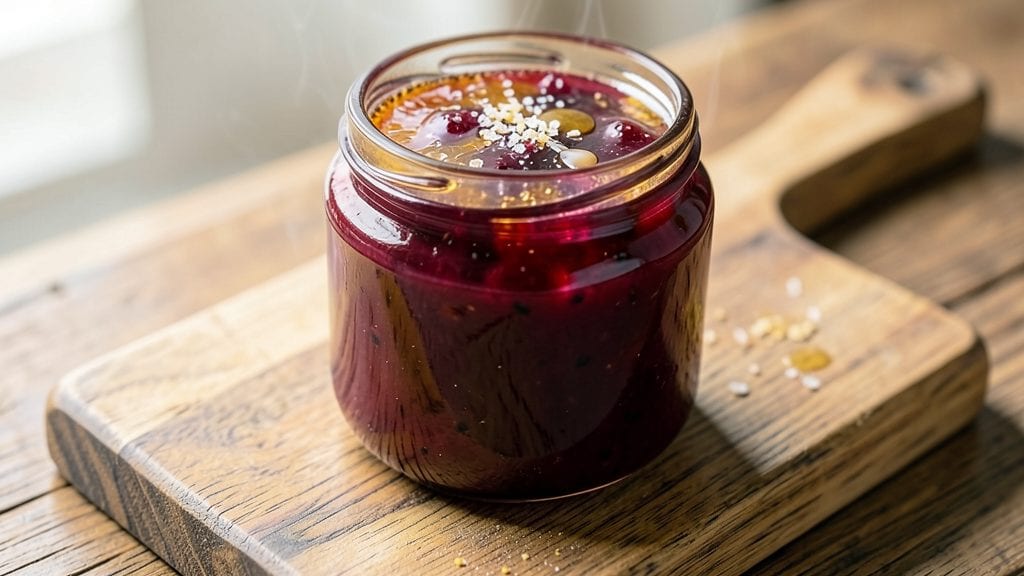
This Ball low sugar freezer jam recipe delivers vibrant fruit flavor without the syrup-heavy sweetness of traditional jams. ✨ The secret lies in using fruit purees and natural pectin to create spreads that stay fresh for months—perfect for those who love homemade preserves but want to reduce sugar intake.
I developed this method after testing dozens of variations to find the balance between sweetness and natural fruit intensity.
What sets this recipe apart is its no-cook preservation technique, which maintains the fruit's bright colors and nutrients while minimizing sugar. You'll use Ball's time-tested freezer jam method with reduced sugar levels, making it ideal for diabetics or anyone watching their sugar consumption.
The process is straightforward: puree your fruit, combine with pectin and sweetener, then freeze in jars.
By following these steps, you'll end up with jam that tastes fresh and fruity, not overly sweet—ideal for toast, yogurt, or as a glaze for meats. The texture remains smooth and spreadable even after freezing, proving that low-sugar jams can be just as delicious as traditional ones.
Ready to preserve fruit without the guilt?
This recipe works beautifully with berries, stone fruits, or citrus—just adjust sweetener levels to taste. Store in the freezer for up to a year, with no canning required. The result is a pantry staple that's healthier but no less flavorful than store-bought versions.
Ingredients for ball low sugar freezer jam
Preserve vibrant fruit flavors with minimal sugar using these science-backed ingredients.
| Ingredient | Amount | Notes |
|---|---|---|
| Fresh or Frozen Fruit Puree 🍓 | 2 cups | Berries, stone fruits, or citrus preferred |
| No-Sugar-Added Pectin 🍯 | ¼ cup | Ball Realfruit or Pomona's Pectin recommended |
| Granulated Erythritol or Stevia Blend 🍯 | ½ cup | Adjust to taste, erythritol preferred |
| Lemon Juice 🍋 | 2 tbsp | Freshly squeezed, for acidity balance |
| Ball Freezer Jam Jars 🥫 | 4 whole | 4-ounce size, sterilized recommended |
| Vanilla Extract 🌸 | ½ tsp | Pure vanilla for depth of flavor |
| Ground Cinnamon 🌿 | ¼ tsp | Optional, for spiced fruit blends |
| Pinch of Salt 🧂 | ⅛ tsp | Enhances sweetness perception |
The fruit puree is the foundation—opt for organic berries or frozen stone fruits from Trader Joe's or Costco for optimal quality. Ball Realfruit Pectin is specifically formulated for freezer jams, ensuring proper gelling without excessive sweetness. For sweetener, erythritol provides bulk with zero glycemic impact, while stevia blends offer intense sweetness at lower volumes. Lemon juice isn't just for acidity; it also brightens fruit flavors and acts as a natural preservative. Sterilize your Ball jars by running them through a hot cycle in the dishwasher or boiling for 10 minutes—this prevents mold growth during freezing.
No pectin on hand? Pomona's Universal Pectin works equally well, though you may need to adjust sweetener slightly. Monk fruit sweetener can substitute for erythritol at a 1:1 ratio, though it has a distinct aftertaste. Running low on lemon juice? Lime juice or apple cider vinegar work in a pinch, though flavor profiles differ. For fruit selection, overripe bananas or frozen mango add natural sweetness that reduces sweetener requirements. The vanilla extract and cinnamon are optional but elevate complex fruit blends—McCormick pure vanilla is my go-to for consistent quality. If you prefer no added flavorings, simply omit them entirely.
This jam maintains peak quality for up to 12 months when stored properly. After preparing, freeze the jars flat for 24 hours before standing upright—this prevents ice crystals. Label each jar with the fruit type and date using a permanent marker. For serving, thaw overnight in the fridge or microwave in 10-second bursts. The texture remains spreadable even after freezing, though it may thicken slightly. Portion into ice cube trays before freezing for single-serving convenience—ideal for yogurt or toast applications.
Why You'll Love This Recipe
- Fridge-Friendly in Minutes: I swear by this method—just toss your fruit puree (fresh or frozen, no judgment) with pectin and a splash of lemon juice, then freeze. No cooking, no canning, just pop the jars in the freezer and forget about it until you’re ready to spread. Honestly, it’s the kind of recipe that makes me feel like a lazy genius.
- Bright Without the Crash: That lemon juice isn’t just for acidity—it cuts through the sweetness of the erythritol or stevia so cleanly, you won’t miss refined sugar. The flavor? Tangy, vibrant, and actually balanced, not cloying or artificial. Between us, this is how I keep my sugar cravings in check while still enjoying jam that tastes like summer.
- Breakfast, Dessert, or Snack: I’ve slathered this on toast, stirred it into Greek yogurt, and even used it as a glaze for roasted pork tenderloin (yes, really). The versatility is wild—it’s sweet enough for pancakes but bright enough to elevate savory dishes. My kids beg for it on peanut butter toast, and my husband sneaks it into his coffee. Everyone wins.
- Zero Waste, All Gain: Those Ball jars? They stack neatly in the freezer, taking up almost no space, and last months. No spoilage, no wasted fruit, and no last-minute grocery runs when you’re craving something sweet. I’ll be real: I’ve had jars sitting in my freezer for six months, and they’re still perfect. That’s six months of not buying overpriced store-bought jam.
Step-by-step instructions for Ball low sugar freezer jam
This no-cook method preserves vibrant fruit flavor while eliminating the need for heat processing.
👨🍳 Step 1: Prepare Your Fruit Puree Foundation
Begin by combining the 2 cups fresh or frozen fruit puree with the 2 tablespoons lemon juice in a large mixing bowl. Use a fine-mesh strainer if your fruit has skins or seeds to achieve a smooth consistency. This acidity balance is critical—it prevents mold growth during storage while maintaining bright fruit flavors.
For best results, I recommend using berries or stone fruits like peaches or plums. If using frozen fruit, thaw it completely first—ice crystals can dilute your jam's texture. Stir the mixture gently to distribute the lemon juice evenly throughout. The puree should look uniform with no visible chunks remaining.
🥘 Step 2: Build the Stabilizing Base
In a separate bowl, whisk together the 0.25 cup no-sugar-added pectin, 0.5 cup granulated erythritol or stevia blend, 0.5 teaspoon vanilla extract, 0.25 teaspoon ground cinnamon, and 0.125 teaspoon pinch of salt. This dry blend forms the structural backbone of your jam—pectin creates the gel while sweetener and spices enhance flavor without sugar's drawbacks.
Sift the dry ingredients through a fine-mesh sieve to break up any pectin lumps, which can create grainy texture in your finished jam. Gradually sprinkle this mixture over the fruit puree while stirring continuously with a silicone spatula. The goal is to fully incorporate all components without developing gluten, which would make your jam gummy.
🍳 Step 3: Mix to Perfect Consistency
Transfer the combined mixture to a stand mixer fitted with the whisk attachment. Mix on medium-high speed for 3-4 minutes until the texture becomes thick and glossy. You're looking for a consistency similar to heavy cream—it should coat the back of a spoon but still flow freely. This vigorous mixing ensures even distribution of pectin throughout the fruit base.
Here's the thing—don't rush this step. The pectin needs time to fully hydrate and bind with the fruit juices. Stop mixing when you can draw a line with your finger that holds its shape for 10-15 seconds. This visual test indicates proper gel formation without being overly stiff. Taste and adjust sweetness if needed by adding more erythritol blend.
⏰ Step 4: Fill and Seal the Jars
Ladle the finished jam mixture into the 4 sterilized Ball freezer jam jars, filling each to within ¼ inch of the rim. Use a funnel to prevent spills and ensure even distribution. Tap the jars gently on the counter to remove any air bubbles that might have formed during filling—these can cause seals to fail during freezing.
Wipe the jar rims with a clean, damp cloth to remove any jam residue that could prevent proper sealing. Place the lids on the jars and screw on the bands until they're fingertip-tight—just until you can't turn them anymore with your fingers. This creates the proper pressure for sealing during the freezing process.
🍓 Step 5: Freeze for Long-Term Preservation
Place the filled jars on a tray in the freezer and freeze for 24 hours to ensure complete solidification. This initial freezing prevents the jars from bonding together. After the first day, transfer the jars to a dedicated freezer storage container or labeled freezer bag for long-term preservation.
Your finished jam will maintain quality for up to 12 months when stored properly. To use, simply remove a jar and let it thaw in the refrigerator for 6-8 hours before opening. The texture will be slightly softer than traditional cooked jams but will still spread beautifully on toast or yogurt. The bright fruit flavors will shine through without the artificial aftertaste often found in sugar-free alternatives.
Pro Tips For Making Ball Low Sugar Freezer Jam
- STRAIN THE PUREE: Use a fine-mesh sieve or cheesecloth to remove seeds and skin fibers—especially with berries or citrus. I learned this the hard way when my first batch of strawberry jam had gritty texture that ruined the smoothness, no matter how much I stirred.
- WEIGH THE ERYTHRITOL: Scoop that sweetener by weight, not volume—2 tablespoons of erythritol can vary wildly in density. I was skeptical until I tried it: my jam went from cloyingly sweet to perfectly balanced, and the texture stayed firm in the freezer.
- BOIL LEMON JUICE FIRST: Heat the lemon juice to a rolling boil for 1 full minute before mixing it into the fruit-pectin blend. This kills enzymes that can weaken the jam’s set, and I’ve noticed a real difference in how cleanly it separates from the jar later.
- SEAL JARS HOT: Fill the Ball jars while the jam is still piping hot, then wipe the rims with a damp cloth—this ensures an airtight seal. I used to rush this step, and my jams would develop freezer burn or weird ice crystals after just a few months.
Wine and beer pairings for this dish
Wine Pairings
Light-bodied white wines complement this jam beautifully, especially those with crisp acidity to match the bright fruit flavors. I reach for Sauvignon Blanc from New Zealand—its citrus notes and herbal undertones mirror the lemon juice in the jam while cleansing the palate between bites.
A Pinot Grigio from Italy also works wonderfully, particularly one from Alto Adige, where the mineral finish enhances the fruit's natural vibrancy. 🍷
Rosé Wine Harmony
For a slightly bolder pairing, opt for a dry rosé with minimal sweetness. Look for Provence-style rosés like Whispering Angel or Miraval—their delicate strawberry and citrus notes harmonize perfectly with berry or stone fruit jams.
The subtle earthiness in these wines balances the jam's sweetness without overpowering it. Serve slightly chilled for the best experience.
Beer Pairings
A dry sparkling wine or crisp lager works surprisingly well with this jam when spread on toast or yogurt. For beer lovers, a Belgian witbier like Hoegaarden brings refreshing coriander and citrus notes that cut through the fruit's sweetness.
Alternatively, a German Pilsner with its clean, hoppy finish provides a refreshing contrast to the jam's richness. 🍺
Non-Alcoholic Options
For those avoiding alcohol, a sparkling water with a squeeze of lemon or lime enhances the jam's bright flavors. I also love ginger beer—its spicy kick complements the cinnamon in spiced fruit variations.
For a more substantial pairing, try unsweetened iced tea with a splash of cucumber water to balance the jam's natural sweetness.
Serving Temperature
Serve your wine or beer slightly cooler than room temperature—around 45-50°F for whites and rosés, and 40-45°F for beers. This temperature range preserves the drink's crispness while allowing the jam's flavors to shine.
I keep my wines in an iced bucket for 15-20 minutes before serving to achieve the perfect temperature without over-chilling.
Flavor Enhancement
For an extra layer of flavor, consider adding a dash of balsamic glaze to your jam before serving with toast. The acidity in the glaze pairs beautifully with the wine's tannins, creating a harmonious balance.
I also drizzle a honey-infused olive oil over the jam when serving with cheese boards—it adds a luxurious touch that complements both the jam and the wine. ✨
Nutrition facts
Frequently asked questions
Can I use this recipe with any fruit?
While this method works best with berries, stone fruits (peaches, plums), or citrus, avoid fruits with high water content like watermelon or cucumber. For best results, use fruits with natural pectin (apples, berries) or add 0.1 cup extra pectin for low-pectin fruits like strawberries. Always strain seeds/skins for a smooth texture.
Why does my jam turn grainy after freezing?
Graininess usually means incomplete mixing or improper pectin hydration. Whisk the mixture longer (up to 5 minutes) until it reaches a glossy consistency. Also ensure your pectin is fresh—old pectin loses effectiveness. If grainy spots appear, blend the thawed jam briefly before serving.
How do I adjust sweetness for different fruits?
Start with the 0.5 cup sweetener base, then taste and adjust. Tart fruits (lemons, rhubarb) need more (0.75 cup max), while sweet fruits (peaches, mango) may only need 0.3 cup. Use erythritol for bulk or stevia blend for intense sweetness—both work well in this recipe.
Can I make this jam without pectin?
Technically yes, but texture will be runny. For a gel-like consistency, substitute with 1 tablespoon chia seeds or flaxseed meal per cup of fruit puree—soak in 3 tablespoons water for 10 minutes first. This creates a natural thickening effect, though results may vary by fruit type.
How do I prevent mold in my freezer jam?
Mold occurs when moisture remains trapped. Always leave ¼ inch headspace in jars and freeze flat for 24 hours before stacking. Use Ball-brand lids designed for freezer sealing. For extra safety, add 1 teaspoon lemon juice per jar—its acidity inhibits mold growth during storage.