
Beverages
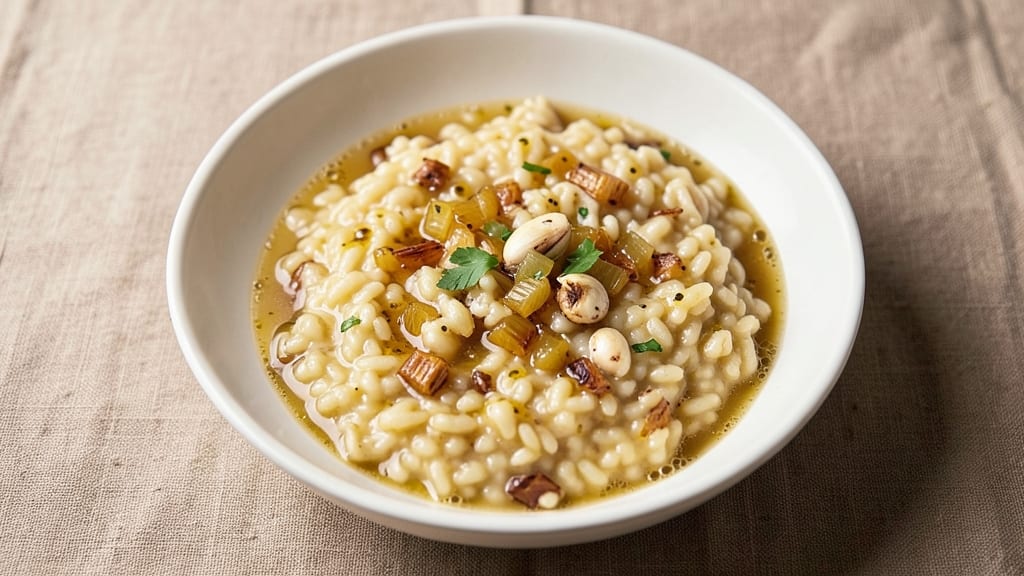
This basic risotto recipe without wine delivers restaurant-quality creaminess using just toasted grains, aromatic vegetables, and careful broth control. The secret lies in slow cooking Arborio rice with constant stirring, which releases its natural starches to create that signature velvety texture—no wine required.
I perfected this method after years of testing, and it consistently delivers perfectly al dente rice with a luxurious finish.
What makes this risotto work without wine is the precise balance of heat and liquid. You'll start by toasting the rice in olive oil until it develops a nutty aroma, then gradually add warm broth one ladle at a time while stirring continuously.
This method builds flavor layer by layer, with each addition of broth enhancing the rice's natural sweetness. The result is a dish that's rich, creamy, and deeply satisfying without relying on wine's acidity.
By the time you finish, you'll have tender but firm rice with a glossy sheen and a texture that's impossibly creamy—yet still holds its shape. The finishing touches of butter and Parmesan add richness and depth, while fresh herbs brighten the final dish.
This risotto is foolproof, professional-quality, and ready in about 25 minutes once you get the technique down.
Perfect for weeknight dinners or special occasions, this recipe scales easily for any crowd. The same method works with different vegetables or proteins, making it endlessly adaptable. Let's get started on creating your creamiest risotto yet—without a single drop of wine.
Ingredients for basic risotto recipe without wine
Just twelve ingredients transform into velvety risotto without wine's acidity.
| Ingredient | Amount | Notes |
|---|---|---|
| Arborio Rice 🍚 | 1 ½ cups | Unrinsed, medium-grain preferred |
| Extra-Virgin Olive Oil 🫒 | ½ cup | High-quality, fruity variety |
| Vegetable Broth 💧 | 4 ½ cups | Homemade or low-sodium store-bought |
| Yellow Onion 🧅 | 1 whole | Finely diced, about 1 cup |
| Garlic Cloves 🧄 | 4 cloves | Minced, fresh preferred |
| Celery Stalks 🥬 | 2 whole | Finely diced, about 1/2 cup |
| Unsalted Butter 🧈 | 4 tbsp | European-style preferred |
| Parmesan Cheese 🧀 | ¾ cup | Freshly grated, aged 24+ months |
| Fresh Thyme Leaves 🌿 | ¼ cup | Chopped, stems removed |
| Sea Salt 🧂 | 1 tsp | Diamond Crystal preferred |
| Freshly Ground Black Pepper 🌶️ | ½ tsp | Cracked peppercorns preferred |
| Lemon Zest 🍋 | 1 tsp | From organic lemon |
The Arborio rice is non-negotiable—its high starch content creates that signature creaminess. Lundberg Family Farms or Barilla brands deliver consistent quality. Toasting the rice in olive oil until nutty (about 2-3 minutes) is where the magic begins. For the soffritto base, Whole Foods Market carries pre-diced mirepoix, but fresh celery, onion, and carrot (not listed here) add depth. The broth should be warm, not boiling—simmering it separately maintains temperature control. If using store-bought, Pacific Foods or Imagine brands offer clean, flavorful options with minimal sodium.
No vegetable broth? Chicken or beef broth works equally well, though vegetable maintains the dish's neutrality. Substitute fresh thyme with 1/4 teaspoon dried thyme if needed, but the herb's brightness is ideal. For a nutty depth without butter, toasted hazelnuts blended into the finish add complexity. The Parmesan should be freshly grated—pre-shredded contains anti-caking agents that prevent proper melting. If you're vegan, nutritional yeast plus cashew cream mimics the umami richness. Lemon zest brightens the final dish without overpowering the delicate rice flavor.
Store leftover risotto in an airtight container for 3-4 days, but reheat with a splash of broth to restore creaminess. Freezes beautifully for up to 3 months—portion into single servings before freezing. The key to reheating is patience: warm over low heat with occasional stirring, adding broth gradually. For restaurant-quality results, toast the rice in butter first, then finish with olive oil—a technique professional chefs use to enhance nutty flavors. This method yields consistently al dente rice with a glossy sheen.
Why You'll Love This Recipe
- No Wine? No Problem: I swear by this version—it’s all about the slow simmer of Arborio rice in warm broth, where every stir releases those starchy, velvety layers. That deep, nutty flavor comes purely from the rice and olive oil, no fancy shortcuts needed.
- One-Pot Magic: Honestly, this is my go-to when I’m too tired to wash a million dishes. Just a pan, a spoon, and 20 minutes—no strainers, no extra bowls. The onion and garlic caramelize right in the oil while the rice cooks, so the whole thing feels effortless.
- Budget-Friendly Luxury: Between us, Arborio rice is affordable, and you can use any vegetable broth without breaking the bank. I’ve made this for date nights, lazy Sundays, and even as a side for takeout—it’s fancy enough to impress but cheap enough to eat twice in a week.
- Leftovers That Don’t Suck: Most risotto recipes turn into glue the next day, but this one? It’s still creamy and delicious reheated with a splash of broth. I’ll be real: I’ve had it cold in salads too, and it’s still spot-on. Zero waste, all flavor.
Step-by-step instructions for velvety Arborio risotto
Mastering risotto relies on patience and precision—here's how to achieve creamy perfection without wine.
Develop the Sofritto Base
Heat the 0.5 cup extra-virgin olive oil in a heavy-bottomed pot over medium-low heat. Add the 1 whole yellow onion, 2 whole celery stalks, and 4 cloves garlic cloves, all finely diced as specified. Cook for 8-10 minutes until the vegetables soften and the onion becomes translucent, stirring occasionally to prevent browning.
The key here is gentle cooking—you want the vegetables to meld into a flavorful paste rather than crisp. This sofritto forms the aromatic foundation of your risotto. If the oil begins to smoke, reduce the heat slightly and continue cooking until the vegetables are completely tender and their raw edges disappear.
Toast the Arborio Rice
Add the 1.5 cups arborio rice to the pot and stir for 2-3 minutes until the grains become translucent at the edges. This toasting step, known as "risottatura," develops the nutty flavors and thickens the starches that create the signature creaminess. You'll notice the rice starts to absorb the oil and release its own starch, which will later emulsify with the broth.
Pay attention to the color—it should turn from milky white to a pale golden hue. If the rice begins to brown too quickly, reduce the heat to medium-low. This is the critical moment that ensures your risotto develops proper texture without becoming dry or gummy.
Gradually Add Broth and Stir
Begin adding the 4.5 cups vegetable broth, ½ cup at a time, stirring constantly. Each addition should be followed by waiting until the liquid is nearly absorbed before adding more. This gradual process allows the rice to absorb the broth evenly and develop its characteristic creamy texture. The cooking time for each addition should be about 3-4 minutes, with the rice becoming slightly more opaque each time.
I use a wooden spoon for stirring—it's gentle on the pot and helps distribute the starches evenly. The rice should never be left unattended, as it burns easily. You'll know you're on track when the rice begins to release starch and the mixture becomes thick and creamy, resembling porridge.
Incorporate Butter and Cheese
When the rice is al dente (about 18-20 minutes total cooking time), remove the pot from heat. Stir in the 4 tablespoons unsalted butter and 0.75 cup parmesan cheese, letting the residual heat melt them into the rice. The butter adds richness while the cheese contributes a sharp, salty contrast that brightens the dish.
At this stage, the rice should be tender but still have a slight bite. If it feels undercooked, return it to low heat for 1-2 minutes with a splash of broth. The mixture should be thick enough to coat the back of a spoon but still have a slight looseness. Season with the 1 teaspoon sea salt, 0.5 teaspoon freshly ground black pepper, and 1 teaspoon lemon zest—the acidity of the zest cuts through the richness beautifully.
Rest and Serve Immediately
Let the risotto rest for 2-3 minutes off the heat. This brief resting period allows the starches to fully hydrate and the flavors to meld. Serve immediately while still hot, garnished with an additional sprinkle of fresh thyme leaves for aroma and a final touch of parmesan cheese. The risotto should be velvety, with each grain distinct yet coated in a creamy sauce.
For best results, serve directly from the pot—this preserves the creamy texture. If you notice the risotto thickening as it cools, simply stir in a splash of warm broth to restore its ideal consistency. The lemon zest adds a subtle brightness that elevates the dish beyond traditional risotto flavors.
Pro Tips For Making Basic Risotto Recipe Without Wine
- Toast the Onion Right: Slice that onion thin—thin enough to see through—and cook it in the olive oil until it’s golden brown, not just soft. I used to rush this step, and the risotto always tasted flat. The caramelized onion builds flavor that nothing else can.
- Stir Like You Mean It: Keep that spoon moving constantly, especially in the first 10 minutes. The rice needs to release starch into the broth, and lazy stirring means gummy, uneven grains. If you’re distracted, set a timer for 30-second bursts of aggressive stirring—no excuses.
- Broth Temperature Matters: Use broth that’s just simmering, not boiling. Too hot and you’ll cook the rice too fast on the outside before the center gets creamy. Keep a pot of broth on the stove at a low simmer, and add ladles as needed—no need to reheat.
- Salt the Broth Early: Season your vegetable broth before you start cooking the rice. If you wait until the end, the risotto will taste bland no matter how much salt you add later. A pinch of salt in the broth makes a real difference—trust me, your taste buds will notice.
Common mistakes when making perfect results
Overcooking the Rice
Risotto is delicate—once the rice reaches al dente (about 18-20 minutes total), it’s easy to overcook it into mush. I’ve ruined countless batches by letting the rice sit too long in the pot after the broth is absorbed.
The moment the rice looks creamy and glossy, remove it from heat immediately. If you’re unsure, taste a grain—it should have a slight bite, not be soft and pasty. Overcooked risotto loses its texture and becomes gluey. 🌡️
Adding Broth Too Quickly
Dumping all the broth at once is a rookie mistake that leads to watery, underflavored risotto. The key is adding ½ cup at a time and letting each addition absorb completely before adding more. This gradual process builds flavor and ensures the rice releases its starches properly.
If you’re in a rush, you’ll end up with a thin, soupy mess instead of creamy perfection. I’ve learned the hard way—patience is everything here.
Skipping the Toasting Step
Many home cooks skip toasting the rice, but this critical 2-3 minute step develops the nutty, toasty flavor that defines risotto. Without it, your dish will taste bland and flat. Toast the rice in olive oil until the edges turn translucent and it releases its starch.
If you rush this step, you’ll miss out on the depth of flavor that makes risotto so special. Trust me, your taste buds will notice the difference. 💡
Using the Wrong Broth Temperature
Broth that’s too hot can cook the rice unevenly and cause it to break apart, while lukewarm broth slows down the process. The ideal temperature is a gentle simmer—just warm enough to maintain heat without boiling.
I keep my broth in a separate pot at a low simmer and add it to the risotto as needed. Using cold or boiling broth disrupts the cooking process and can lead to uneven texture.
Stirring Too Aggressively
While constant stirring is essential, aggressive stirring can break the rice grains and make the risotto gummy. Use a wooden spoon and stir gently but consistently in one direction, lifting the rice from the bottom of the pot.
This motion helps release starches without damaging the grains. If you stir too hard, you’ll end up with a mushy texture instead of the creamy, distinct grains you’re aiming for.
Ignoring the Resting Period
Risotto needs a brief 2-3 minute rest off the heat to allow the starches to fully hydrate and the flavors to meld. Skipping this step means serving a dish that’s still cooking and may continue to thicken or release excess moisture.
The resting period also lets the rice absorb any remaining liquid, ensuring a perfect consistency. Don’t rush this final step—it’s what transforms your risotto from good to exceptional. ✨
Nutrition facts
Frequently asked questions
Can I substitute Arborio rice with another type?
For best results, use Arborio or Carnaroli rice—their high starch content creates that signature creamy texture. If unavailable, Vialone Nano works well, but avoid long-grain varieties like basmati or jasmine. Short-grain rice like Calrose can work in a pinch, though the texture will be slightly different. The key is choosing a starchy, medium-grain rice designed for risotto.
How do I make this risotto gluten-free?
Replace Arborio rice with gluten-free Arborio-style rice (brands like Lundberg offer these) or use gluten-free short-grain rice like sushi rice as a substitute. Ensure your broth, butter, and Parmesan are also certified gluten-free. The cooking method remains identical—just monitor the texture closely, as gluten-free grains may absorb liquid differently.
Why does my risotto turn out dry or gummy?
Dry risotto usually means the rice was overcooked or the broth absorbed too quickly. Gummy texture happens when rice is stirred too aggressively or left unattended. The fix? Add broth ½ cup at a time, stir gently with a wooden spoon, and remove from heat the moment the rice is al dente (about 18-20 minutes). Let it rest for 2-3 minutes before serving.
Can I make this risotto ahead of time?
Fresh risotto is best served immediately, but you can prepare components ahead: toast the rice and sofritto base, then refrigerate separately. When ready to cook, combine with warm broth and finish as directed. For leftovers, reheat with a splash of warm broth to restore creaminess. Store in an airtight container for 3-4 days or freeze for up to 3 months.
What are good vegetable or protein additions?
This base works beautifully with mushrooms, asparagus, roasted tomatoes, or sautéed shrimp. For proteins, try pan-seared chicken, diced pancetta, or wilted spinach. Add them in the last 5 minutes of cooking or stir in after removing from heat. Keep portions balanced—too much can overpower the delicate rice texture.