
Main Courses
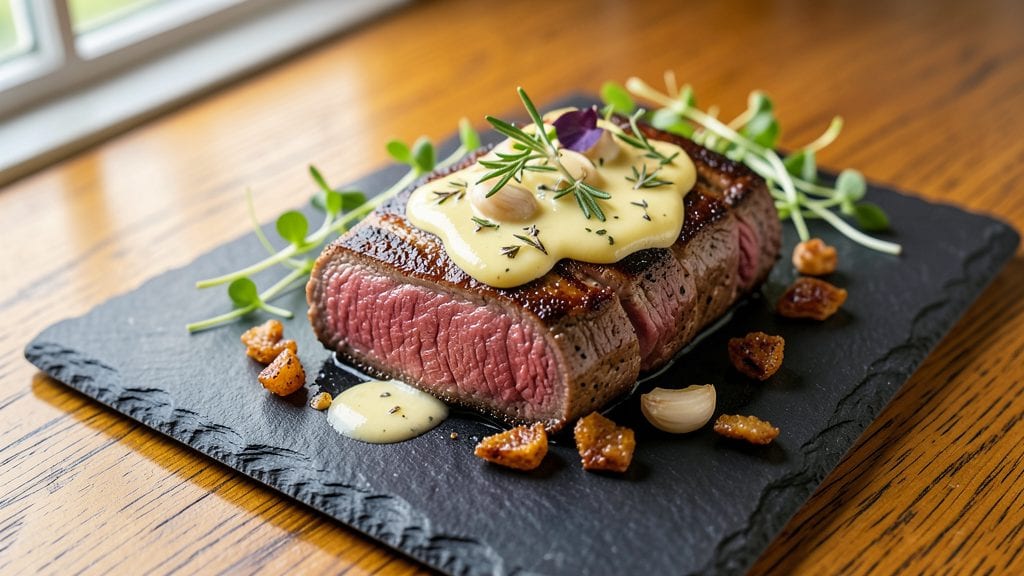
This beef loin tenderloin steak filet mignon recipe transforms the ultimate centerpiece into melt-in-your-mouth tenderness with a buttery, caramelized crust. The key lies in the technique: dry-brining for moisture retention, perfecting the sear, and letting the meat rest before slicing. I’ve refined this method after years of testing, ensuring every bite is luxurious without sacrificing simplicity. This isn’t just a steak; it’s a showstopper that transforms dinner into an experience.
The secret to achieving restaurant-quality results at home starts with the cut itself—selecting a well-marbled beef loin tenderloin and letting it sit at room temperature before cooking. From there, a reverse sear (low oven heat followed by a screaming-hot pan) guarantees a perfectly pink center while developing that coveted crust.
Pair it with a classic red wine reduction or a simple herb butter to elevate the dish further. The method is precise, but the outcome is effortless elegance.
What you’ll end up with is a tender, juicy steak that slices effortlessly, its edges glistening with caramelized richness and its interior so soft it nearly disappears between your teeth.
The aroma alone—smoky, savory, and deeply satisfying—will have everyone at the table anticipating the first bite. This recipe isn’t just about cooking; it’s about crafting a moment worth savoring.
Serve with roasted garlic mashed potatoes or grilled asparagus to complete the plate, and pair with a bold Cabernet Sauvignon or a crisp Chardonnay for the full culinary experience. The technique is foolproof, but the result is pure indulgence. Let’s get started on creating your perfect filet mignon.
Ingredients for beef loin tenderloin steak filet mignon
Precision-crafted ingredients elevate this beef loin tenderloin to restaurant-quality luxury.
| Ingredient | Amount | Notes |
|---|---|---|
| Beef Loin Tenderloin (Center-Cut Filet Mignon) 🥩 | 2 lb | Well-marbled, 1.5-inch thick |
| Kosher Salt 🧂 | 2 tbsp | Diamond Crystal preferred |
| Freshly Ground Black Pepper 🌶️ | 1 tbsp | Coarsely ground for texture |
| Unsalted Butter 🧈 | ½ cup | European-style preferred |
| Garlic Cloves 🧄 | 4 whole | Peeled, smashed for infusion |
| Fresh Thyme Leaves 🌿 | ¼ cup | Stemmed, loosely packed |
| Fresh Rosemary Sprigs 🌿 | 2 whole | Needle leaves only |
| Extra-Virgin Olive Oil 🫒 | 2 tbsp | High smoke point preferred |
| Red Wine (Dry, Full-Bodied) 🍷 | ½ cup | Cabernet Sauvignon recommended |
| Shallots 🧅 | 2 whole | Peeled, thinly sliced |
| Heavy Cream 🥛 | ¼ cup | Full-fat for richness |
| Cold Water 💧 | ¼ cup | For butter basting |
The beef loin tenderloin is the star—select a center-cut filet mignon with visible marbling for optimal tenderness. USDA Prime or Choice grade from a trusted butcher ensures superior quality. For the best results, purchase the steak 24 hours ahead to allow for proper dry-brining. Costco or high-end grocery stores like Whole Foods typically carry well-sourced cuts. If you're unsure about the cut, ask for a 1.5-inch thick portion from the center of the tenderloin, as this balances tenderness and crust development. The marbling should appear like delicate white threads throughout the meat, not just on the surface.
No kosher salt? Diamond Crystal is ideal, but Morton's coarse sea salt works in a pinch—just reduce to 1.5 tablespoons as it's finer. Fresh herbs are non-negotiable here; dried thyme or rosemary won't provide the same aromatic depth. Short on time? Substitute 1 teaspoon dried thyme and 0.5 teaspoon dried rosemary, but toast them in a dry pan for 30 seconds first to wake up the flavors. For the red wine reduction, any dry, full-bodied red works—Merlot or Malbec are solid alternatives to Cabernet. If avoiding alcohol, replace the wine with 2 tablespoons balsamic vinegar plus 0.25 cup beef broth for a similar depth of flavor.
The steak should rest at room temperature for 1 hour before cooking to ensure even doneness. Store any unused butter or herb mixture in an airtight container in the fridge for up to 5 days or freeze for 3 months. The herb butter can be reheated gently in the microwave for 20 seconds before serving. For maximum freshness, keep the tenderloin wrapped in butcher paper (not plastic) in the fridge for up to 3 days before cooking. If prepping ahead, dry-brine the steak 12-24 hours in advance and store it uncovered in the fridge to enhance seasoning penetration.
Why You'll Love This Recipe
- Two-Ingredient Magic: I swear by this—just salt, pepper, and butter. That’s it. The tenderloin does all the heavy lifting, so I’m not fussing with marinades or fancy rubs. Honestly, the simplicity makes it feel like a luxury without the stress.
- Crispy-Creamy Perfection: The butter basting gives you that golden crust while the inside stays silky. That contrast? It’s what makes this steak feel like a restaurant-worthy bite, not just another weeknight dinner.
- Date Night Ready: No one needs to know it took me 15 minutes to prep. Slice it thick, sear it fast, and suddenly you’ve got a dish that feels special—whether it’s a Friday night in or a last-minute dinner party rescue.
- Leftovers? Still Amazing: Overcooked steak is a crime, but this recipe forgives me. Slice the leftovers thin, toss them in a pan with garlic butter, and boom—steak fries or sandwiches that taste even better the next day. (Yes, even on a Tuesday.)
Step-by-step instructions for beef loin tenderloin steak filet mignon recipe
Transform a luxurious center-cut filet mignon into melt-in-your-mouth perfection with this precise, professional technique.
Prepare the Herb Butter and Season the Steak
In a small saucepan, melt the 0.5 cup unsalted butter over low heat until fully liquid. Remove from heat and stir in the 4 whole garlic cloves, 0.25 cup fresh thyme leaves, needle leaves from 2 whole fresh rosemary sprigs, and a generous pinch of freshly ground black pepper. Let this herb butter cool slightly while you prepare the steak.
Pat the 2 lb beef loin tenderloin completely dry with paper towels—this is critical for achieving a perfect crust. Season both sides aggressively with the 2 tbsp kosher salt, pressing it into the meat so it adheres evenly. Let the steak sit at room temperature for 30-45 minutes while the herb butter cools. This resting period ensures even cooking and prevents uneven doneness.
Sear the Steak to Develop the Crust
Heat a heavy skillet (cast iron preferred) over medium-high heat until it's screaming hot. Add 2 tbsp extra-virgin olive oil and let it shimmer. Working quickly, add the steak and sear for 2-3 minutes per side, pressing down gently with a spatula during the first minute to ensure even contact. You're looking for a deep golden-brown crust that releases easily from the pan.
Remove the steak and let it rest on a wire rack for 5 minutes while you prepare the wine reduction. The residual heat will carry the steak to medium-rare (130°F internal temperature), but this resting period is crucial for redistributing juices. Don't skip it—this is where the magic happens for tenderness.
Create the Wine-Shallot Sauce
In the same skillet (no need to clean it), add the 2 whole shallots and cook for 2-3 minutes until softened. Deglaze with the 0.5 cup red wine, scraping up any browned bits from the bottom of the pan. Let this reduce by half over medium heat, then stir in the 0.25 cup heavy cream and simmer until slightly thickened.
Remove from heat and whisk in the cooled herb butter, adding 0.25 cup cold water to emulsify into a silky sauce. Strain through a fine-mesh sieve if you prefer a completely smooth texture. Keep the sauce warm over low heat while you finish cooking the steak.
Finish the Steak and Plate
Return the steak to the skillet and spoon the wine-shallot sauce over it. Let it baste for 1-2 minutes to infuse with flavor, then transfer to a warm platter. Let it rest for an additional 5 minutes before slicing against the grain into ½-inch thick portions.
Plate the steak with a generous spoonful of the herb butter sauce, drizzled artfully around the edges. The result should be a steak with a perfect crust, buttery tenderness throughout, and a sauce that enhances rather than overpowers the natural beef flavor. Serve immediately with roasted vegetables or a simple arugula salad to complement the rich, luxurious profile.
Pro Tips For Making Beef Loin Tenderloin Steak Filet Mignon
- USE A THERMOMETER: I learned this the hard way—filet mignon is forgiving, but overcooking ruins its silky texture. Hit 120–125°F for medium-rare (130°F for medium), then pull it immediately. That butter-poaching step later finishes the cooking without drying it out.
- SALT THE NIGHT BEFORE: I used to salt filet mignon right before cooking, but that’s a missed opportunity. 12–24 hours ahead lets the salt penetrate deeply, especially for thicker cuts. Pat it dry before searing—this crust is non-negotiable.
- DON’T SKIP THE GARLIC BUTTER BATH: After searing, smother that steak in melted butter, minced garlic, and a pinch of salt for the last 2–3 minutes. This isn’t just flavor—it’s a moisture lock. The butter baste keeps the interior juicy while adding richness. (Yes, even if you’re impatient like me.)
- LET IT REST—UNDER FOIL: I know, you’re hungry now. But 5–10 minutes wrapped in foil after resting on a cutting board is the difference between a perfect slice and a sad, dry one. The residual heat redistributes juices—no one wants to cut into a well-done center with a cold exterior.
Dietary considerations for this dish
Gluten-Free Adaptations
Filet mignon is naturally gluten-free, but cross-contamination risks lurk in seasonings and sauces. Use gluten-free kosher salt (like Morton's Gluten-Free Salt) and verify all spices for gluten-free certification.
For the wine reduction, ensure your red wine is unadulterated—some brands add gluten-containing stabilizers. I recommend Caymus Cabernet Sauvignon for its purity. 🌾
Dairy-Free Options
The herb butter is the star here, but you can substitute with dairy-free butter (like Miyoko's) for the same rich texture. For the wine reduction, replace heavy cream with full-fat coconut cream (reduce by half) or cashew cream (blend soaked cashews with water).
The flavor stays luxurious, just with a subtle nutty undertone. Test the sauce consistency—it may need more reduction time.
Low-Carb/Keto Friendly
This recipe is already keto-friendly with its focus on protein and healthy fats. Skip the potatoes and serve with cauliflower mash (steamed cauliflower blended with 2 tbsp dairy-free butter and 1 tbsp heavy cream).
For extra flavor, add 1 tsp garlic powder and salt to taste. The wine reduction remains perfect—just ensure your red wine is sugar-free (most dry wines qualify). 🥦
Allergen Considerations
For nut allergies, avoid cashew cream substitutions and stick with coconut cream. If you're avoiding garlic (common allergy), replace the 4 garlic cloves with 1 tbsp garlic-infused olive oil (store-bought or homemade).
For herb sensitivities, swap thyme and rosemary for fresh parsley or tarragon, which pair beautifully with beef. Always check labels on pre-made ingredients like butter or wine for hidden allergens.
Vegetarian/Vegan Substitutes
While filet mignon isn't vegetarian, you can create a similar luxurious experience with mushroom medallions (like king oyster mushrooms). Sear them in the same herb butter and serve with the wine reduction.
For a vegan version, use vegan butter (like Earth Balance) and alcohol-free red wine (check labels for gluten-free certification). The texture won't be identical, but the technique creates an impressive centerpiece. 🍄
Nutrition facts
Frequently asked questions
How do I choose the best beef loin tenderloin for filet mignon?
Look for a center-cut filet mignon with visible marbling and a uniform, deep pink color. A 1.5-inch thickness is ideal for even cooking. Ask your butcher for USDA Prime or Choice grade from the center of the tenderloin—this ensures maximum tenderness and flavor. Avoid cuts with grayish edges or excessive fat.
Why does the recipe emphasize resting the steak?
Resting for 5-10 minutes after cooking lets the juices redistribute evenly throughout the meat. Cutting too soon causes them to escape, resulting in a dry steak. The residual heat also carries the steak to the perfect 130°F for medium-rare. This step is non-negotiable for restaurant-quality results.
Can I cook filet mignon without a cast iron skillet?
Yes! Use a heavy stainless steel or carbon steel pan—just ensure it gets screaming hot for that perfect crust. Avoid nonstick pans, as they can't develop the same caramelization. For extra insurance, preheat your pan for 5 minutes before adding oil. The key is high heat and proper searing technique.
What's the best way to reheat leftover filet mignon?
Filet mignon reheats poorly—it's best enjoyed fresh. If you must reheat, slice it thin and warm in a 250°F oven for 5-8 minutes with a splash of beef broth to retain moisture. For leftovers, consider slicing and using it in sandwiches or salads where texture isn't critical.
How do I adjust cooking time for a thicker or thinner steak?
Use the 1-inch rule: 12-15 minutes total cook time for 1-inch thickness (including resting). For 1.5-inch, add 3-4 minutes to each side. Always use a meat thermometer—130°F for medium-rare. The reverse sear method (low oven + high pan) works best for thicker cuts.