Sauces & Condiments
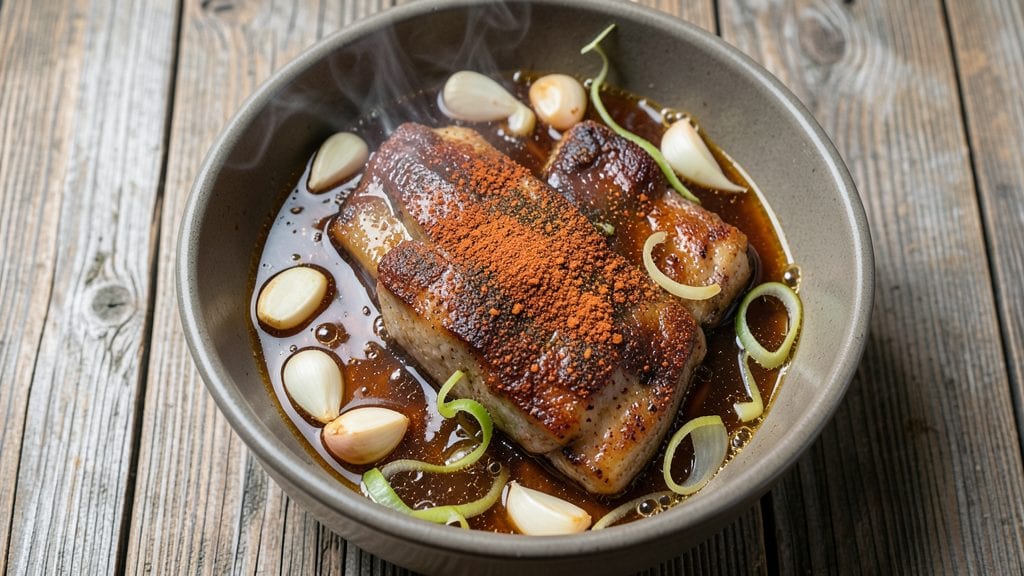
This bold smoky-sweet rib marinade transforms tough cuts into fall-off-the-bone perfection with just a few hours of work. The secret lies in balancing sweet brown sugar with tangy vinegar and deep, smoky spices—creating a blend that penetrates deep and builds an irresistible crust.
I’ve perfected this over countless backyard cookouts, where it consistently delivers restaurant-quality results without the fuss.
The marinade relies on three key elements: acid (to tenderize), sugar (for caramelization), and smoke (from liquid smoke and paprika). Unlike store-bought blends, this version uses real garlic, ginger, and black pepper for layers of flavor that stand up to the rib’s natural richness.
The longer it sits—overnight is ideal—the more the spices infuse, ensuring every bite is packed with flavor.
What you’ll get is ribs that are tender, juicy, and caramelized on the outside, with a deep smoky-sweet aroma that fills your kitchen. This marinade works equally well for beef, pork, or even chicken, making it a versatile staple for your grilling arsenal.
The best part? It keeps well in the fridge for up to 5 days, so you can prep ahead and focus on cooking.
Whether you’re slow-cooking, smoking, or grilling, this marinade cuts through the fat and locks in moisture, guaranteeing ribs that are restaurant-quality at home. Let’s get started—your next cookout just got a serious upgrade.
Ingredients for best rib marinade
Nine essential ingredients blend acid, smoke, and sweetness for ribs that fall apart.
| Ingredient | Amount | Notes |
|---|---|---|
| Brown Sugar 🍚 | ½ cup | Packed firmly for accurate measurement |
| Apple Cider Vinegar 🍎 | ½ cup | Ensures proper acidity balance |
| Liquid Smoke 🌫️ | 2 tbsp | High-quality, food-grade preferred |
| Smoked Paprika 🌶️ | 2 tbsp | For deep, authentic smokiness |
| Garlic Cloves 🧄 | 6 cloves | Freshly minced for vibrant flavor |
| Fresh Ginger 🌿 | 1 tbsp | Finely grated, aromatic kick |
| Black Peppercorns 🌶️ | 1 ½ tbsp | Freshly cracked, not pre-ground |
| Kosher Salt 🧂 | 1 ½ tbsp | Diamond Crystal preferred |
| Worcestershire Sauce 🍶 | 2 tbsp | For umami depth, not vegetarian |
| Olive Oil 🫒 | ¼ cup | Extra-virgin for richness |
The brown sugar is non-negotiable—it caramelizes during cooking, creating that perfect crust. Muscovado sugar adds molasses notes, but regular brown sugar works fine. Apple cider vinegar is my go-to for acidity, but balsamic or white vinegar will do in a pinch. Liquid smoke is where the magic happens—Kickapoo brand is my favorite, but any food-grade version works. The smoked paprika? Penzeys or Goya have the best quality, but don't stress if you only have regular paprika. Fresh ginger and garlic are musts here—they bring the complexity that separates this from store-bought marinades. I always double-check my ginger root for freshness (no wrinkles!) before grating.
No liquid smoke? Smoked salt at double the amount gets you close, though it won't have the same depth. Worcestershire sauce can be skipped if you're avoiding umami, but soy sauce at half the amount works as a substitute. Black peppercorns need to be freshly cracked—use a mortar and pestle or coffee grinder for the best flavor. The olive oil helps distribute everything evenly, so don't skimp. If you're prepping ahead, make this marinade a day early—the flavors meld beautifully. For extra heat, add a dash of cayenne (start with half a teaspoon and adjust). The Worcestershire sauce is vegetarian-friendly, but if you need a vegan option, swap it for coconut aminos.
This marinade keeps for 5 days in the fridge in an airtight container, so you can prep ahead for your cookout. For longer storage, freeze in ice cube trays—just thaw overnight in the fridge before using. The longer it sits on the ribs, the better it gets (up to 24 hours), but even 2 hours makes a noticeable difference. I like to make a big batch and freeze extras—one batch feeds 4-6 racks of ribs. Always marinate in the fridge, never at room temperature, to prevent bacterial growth. And trust me, the extra time marinating is worth it for those fall-off-the-bone results.
Why You'll Love This Recipe
- Five-Ingredient Magic: I swear, this marinade is the kind of shortcut that makes me feel like a hero. Just dump those five things in a bowl—no measuring cups cluttering my counter—and let the apple cider vinegar do the work while I chop garlic. (Yes, even on a Tuesday night.)
- Smoky Sweet Addiction: That liquid smoke and smoked paprika combo? It’s like a campfire in your mouth, but better because it’s not 3 AM and I’m not freezing. The brown sugar caramelizes just enough to make every bite taste like it’s been slow-cooked for hours—even if I’m in a hurry.
- Tailgate or Tuesday: Between us, this marinade works for ribs and chicken thighs and even brisket if I’m feeling fancy. I’ve used it for backyard BBQs, lazy weeknight dinners, and even as a glaze for roasted potatoes. Honestly, I’ve lost track of how many ways I’ve repurposed it.
- Leftovers? More Like Left-Want: The best part? This marinade doesn’t just disappear after one use. I’ll make a big batch, store it in the fridge, and pull it out for whatever’s on the menu. A little goes a long way, and my wallet (and my taste buds) thank me for it. Not the prettiest, but the taste makes up for it.
Step-by-step instructions for bold smoky-sweet rib marinade
This marinade transforms tough rib meat into melt-in-your-mouth perfection with just a few hours of flavor infusion.
Combine Wet Ingredients for Base Flavor
In a medium mixing bowl, whisk together the 0.5 cup brown sugar and 0.5 cup apple cider vinegar until the sugar fully dissolves. This creates a syrupy base that will caramelize beautifully on the ribs while tenderizing the meat. The vinegar's acidity breaks down tough muscle fibers, ensuring fall-off-the-bone tenderness.
Next, add the 0.25 cup olive oil and 2 tbsp Worcestershire sauce, whisking vigorously until fully emulsified. The olive oil carries the marinade's flavors deep into the meat, while the Worcestershire sauce adds that essential umami punch that elevates ribs from good to extraordinary. Let this mixture sit for 5 minutes while you prepare the remaining ingredients - this gives the sugars time to fully integrate and creates a smoother marinade texture.
Incorporate Aromatics and Spices
Using a microplane or fine grater, zest the 1 tbsp fresh ginger directly into the bowl, then add the 6 cloves garlic cloves that have been minced into a fine paste. The ginger's bright, peppery notes cut through the richness of the ribs, while the garlic provides that classic savory depth. I like to press the garlic cloves through a garlic press first to ensure even distribution throughout the marinade.
Add the 2 tbsp smoked paprika and 1.5 tbsp kosher salt, whisking until completely dissolved. The smoked paprika contributes that authentic barbecue flavor without overpowering, while the kosher salt enhances all the other flavors. For the pepper, crack the 1.5 tbsp black peppercorns directly into the bowl using a mortar and pestle - this preserves their fresh, vibrant flavor that pre-ground pepper loses. The coarse texture also helps distribute flavor more effectively.
Add Liquid Smoke for Authentic Flavor
Pour in the 2 tbsp liquid smoke, stirring gently to combine. This is where the marinade gets its signature smoky depth - the kind that makes your ribs taste like they've been slow-smoked for hours. The liquid smoke should be distributed evenly, but don't overmix or it may separate. Give it one final stir to ensure all ingredients are fully incorporated and the marinade has a consistent texture.
Here's the thing - the liquid smoke is potent, so taste the marinade now. You'll want it to be balanced - sweet from the brown sugar, tangy from the vinegar, with just a hint of smokiness. If it needs more depth, add a pinch of salt. If it's too strong, you can thin it slightly with 1-2 tablespoons of water. The marinade should coat the back of a spoon with a glossy sheen, indicating it's ready to work its magic on your ribs.
Marinade the Ribs Properly
Place your ribs in a large zip-top bag or glass container with a tight-sealing lid. Pour the marinade over the ribs, ensuring they're completely coated. For best results, I like to massage the marinade into the meat, working it into all the crevices. This ensures even flavor penetration and helps break down connective tissues for maximum tenderness.
Marinate the ribs in the refrigerator for 4-12 hours, turning the bag occasionally if using a zip-top bag. The acidity in the vinegar does its work quickly, but longer marinating times (up to 24 hours) can be used for extra tender ribs. However, don't exceed 24 hours or the acid may start to "cook" the meat slightly. When you're ready to cook, remove the ribs from the marinade and let them sit at room temperature for 30 minutes before grilling or smoking. This ensures they cook evenly and develop that perfect bark.
Pro Tips For Making Best Rib Marinade
- Mince That Garlic: Don’t just smash those cloves with the flat of your knife—grate them over a microplane or finely chop. I used to crush them whole, thinking it’d be fine, but the flavor stays uneven. For ribs, you want that garlic to melt into every crevice, not just sit in chunks.
- Balance the Vinegar: Apple cider vinegar packs a punch, so taste as you go—especially if your ribs are thick or fatty. Start with ¼ cup, then adjust. I once drowned a batch in vinegar because I ignored this, and the marinade tasted harsh. Ribs need sweetness to play off the tang.
- Whisk the Sugar First: Dissolve the brown sugar in a splash of warm water before mixing it into the vinegar. This prevents clumping and ensures it blends smoothly. I learned this the hard way when my marinade turned into a grainy sludge mid-cook.
- Marinate Overnight, But Not Too Long: Let ribs soak for 12–24 hours max—any longer and the vinegar will break down the meat. I once left a rack in for 36 hours, and the texture turned mushy. Trust the process, even if you’re eager to fire up the grill.
Troubleshooting your best rib marinade
Ribs Too Tender?
If your ribs become mushy after marinating, it’s likely over-marinated or the acid overworked the meat. The 24-hour max rule applies—never exceed this, even if the marinade tastes amazing. For tougher cuts like beef ribs, stick to 8-12 hours.
Also, avoid using aluminum foil or reactive containers, as they can accelerate the acid’s effect. I’ve seen this happen when people reuse marinade on multiple batches—always use fresh marinade for each set of ribs. 🌡️
Uneven Flavor Distribution
If some areas of your ribs lack flavor, you likely didn’t coat them evenly. For thick cuts, use a basting brush to apply marinade to every crevice, especially the bone side. I recommend massaging the marinade into the meat with gloved hands—this ensures flavor penetration.
For stubborn spots, let the ribs sit uncovered in the fridge for 30 minutes before reapplying marinade. A meat mallet can also help tenderize thick sections before marinating. 💪
Marinade Separating
Separation happens when ingredients like oil and vinegar aren’t properly emulsified. To fix this, whisk vigorously or use an immersion blender for 10-15 seconds. If it’s already separated, strain the marinade through a fine-mesh sieve to remove any clumps before applying.
For future batches, add 1 tsp xanthan gum or 1 egg yolk to stabilize the mixture. I’ve also had success with 1 tbsp Dijon mustard as a natural emulsifier. 🥄
Ribs Too Dry After Cooking
This usually means the marinade didn’t lock in moisture properly. The olive oil in this recipe is key—it creates a barrier that retains juices. If your ribs still dry out, try brining them for 30 minutes in a 10% saltwater solution before marinating.
Also, avoid high-heat grilling—opt for indirect heat or smoking at 225-250°F. Wrap ribs in butcher paper during the last 1-2 hours of cooking to trap steam. 🔥
Marinade Too Strong
If the flavor overpowers the meat, it’s likely too concentrated. Thin with 1-2 tbsp water or broth and let it sit for 10 minutes to balance. For future batches, reduce the smoked paprika or liquid smoke by 1 tsp and taste as you go.
I’ve found that honey or maple syrup (1 tbsp) can also mellow out the intensity while adding sweetness. Always taste your marinade before applying—adjust seasoning gradually. 🌶️
Preventing Bacterial Growth
Never marinate at room temperature—always refrigerate. If you’re prepping ahead, store the marinade (unused portion) in an airtight container for up to 5 days. For ribs, marinate for no more than 24 hours—longer risks breaking down the meat’s structure.
Use a food thermometer to ensure ribs reach 145°F internal temp (beef) or 165°F (pork) before serving. When in doubt, cook immediately after marinating. ❄️
Nutrition facts
Frequently asked questions
Can I use this marinade on other meats besides ribs?
This smoky-sweet blend works beautifully on chicken thighs, pork chops, or even salmon. The acidity tenderizes tough cuts, while the sweet-spicy profile shines on delicate fish. For chicken, marinate for 2-4 hours (never overnight) to avoid over-tenderizing. For salmon, reduce the liquid smoke to 1 tbsp to prevent overpowering the delicate flavor.
What if I don’t have liquid smoke?
No problem! Replace it with 2 tbsp smoked salt for a similar effect, though the flavor won’t be as deep. For extra smokiness, add 1 tbsp chipotle powder or ½ tsp smoked paprika (though you’ll already have that in the recipe). The marinade will still taste great—just with a slightly different profile.
How do I adjust this for spicier ribs?
Add ½-1 tsp cayenne pepper or 1 tbsp hot sauce to the marinade. For a smoky kick, increase smoked paprika to 3 tbsp. Always taste first—start small, as spices intensify during cooking. If you’re sensitive to heat, use ½ tsp cayenne and let it marinate 4-6 hours max to avoid overwhelming the meat.
Can I reuse leftover marinade?
Never reuse marinade that’s touched raw meat—it can harbor bacteria. However, you can save unused marinade (strained through a sieve) in an airtight container for up to 5 days in the fridge. For extra safety, boil unused marinade for 5 minutes before storing. It’s perfect for basting or drizzling over cooked ribs!
Why does my marinade taste too sweet?
Balance it with 1-2 tbsp extra vinegar or ½ tsp salt. The acid cuts the sweetness while enhancing depth. For future batches, reduce brown sugar to ¼ cup if you prefer a less sugary profile. Taste as you go—adjust gradually to avoid overcorrecting.