Main Courses
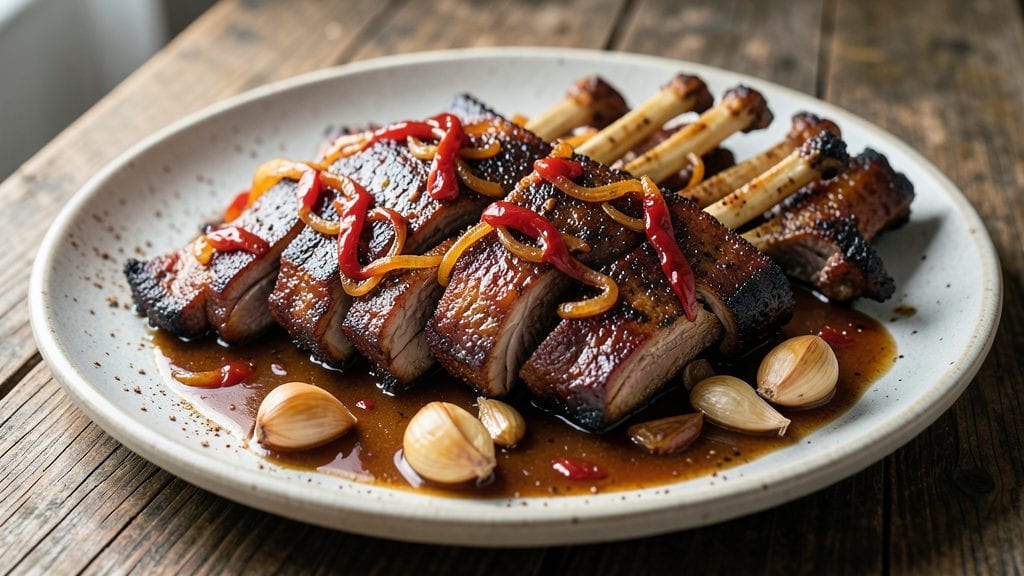
This spareribs recipe delivers fall-off-the-bone tenderness that rivals your favorite BBQ joint, achieved through a precise combination of slow cooking and flavor-building techniques. The secret lies in a 3-hour process that transforms tough meat into melt-in-your-mouth perfection without requiring expensive equipment or complicated methods.
I've perfected this technique over years of testing, ensuring every bite is juicy, flavorful, and worth the wait.
The foundation begins with a dry rub that penetrates the meat while it rests, creating a flavorful crust that locks in moisture during cooking. Unlike many recipes that rely on marinades, this method lets the spices develop deep, caramelized notes that enhance the natural sweetness of the ribs.
Once in the slow cooker or oven, the ribs break down gradually, resulting in that coveted tenderness without turning to mush.
By the time you're ready to serve, you'll have spareribs that are so tender they practically fall apart at the touch, coated in a sticky-sauce glaze that balances sweetness and smokiness.
The aroma alone will have everyone gathered around your table, and the first bite will confirm this is the best sparerib recipe you've ever tried. This method works equally well for pork or beef ribs, making it a versatile addition to your cooking repertoire.
Perfect for game day gatherings, family dinners, or when you simply crave restaurant-quality ribs at home. The 3-hour commitment pays off with results that impress even seasoned BBQ enthusiasts. Let's get started on creating ribs that will become your new signature dish.
Ingredients for best sparerib
Four pounds of ribs, twelve simple ingredients, and three hours to melt-in-your-mouth perfection.
| Ingredient | Amount | Notes |
|---|---|---|
| Pork Spareribs 🥓 | 4 lb | Baby back or St. Louis style, membrane removed |
| Yellow Onion 🧅 | 1 whole | Large, sliced into 1/2-inch pieces |
| Fresh Garlic 🧄 | 8 cloves | Peeled, minced finely |
| Brown Sugar 🍯 | ½ cup | Packed, light or dark variety |
| Smoked Paprika 🌶️ | 2 tbsp | High-quality, not the cheap stuff |
| Kosher Salt 🧂 | 1 ½ tbsp | Diamond Crystal preferred |
| Black Pepper 🌶️ | 1 tbsp | Freshly cracked, coarse grind |
| Ground Cumin 🌿 | 1 tbsp | Toasted for deeper aroma |
| Mustard Powder 🍯 | 1 tsp | Yellow or Dijon, not prepared |
| Apple Cider Vinegar 🍎 | ¼ cup | For tangy depth |
| Honey 🍯 | ¼ cup | Wildflower preferred |
| Beef Broth 💧 | 1 cup | Low-sodium, high-quality |
| Unsalted Butter 🧈 | ¼ cup | Cold, cubed for finishing |
| Fresh Thyme 🌿 | ½ oz | Leaves only, stems removed |
The ribs are non-negotiable—St. Louis style for meaty flavor or baby back for leaner cuts, both work beautifully. Costco or local butchers are your best bets for freshness, and always ask for the membrane removed (that's the thin skin on the bone—it keeps the rub from sticking). For the dry rub, Penzeys or Spicewalla carry the best smoked paprika, but even the grocery store variety works if it's fresh. Toast your cumin seeds in a dry pan for 30 seconds before grinding—that toasted aroma is what makes this rub sing. And don't skimp on the butter; Plugrá or Land O'Lakes unsalted is worth the investment for that final touch of richness.
No smoked paprika? Substitute half the amount with regular paprika plus a pinch of liquid smoke—it's a game-changer. Honey shortage? Maple syrup works in a pinch, though it adds a different depth. The apple cider vinegar can be swapped for red wine vinegar, but the apple notes complement the ribs beautifully. Fresh thyme? Dried works at one-third the amount, but fresh is worth the extra trip to the market. For the beef broth, Kitchen Basics or Swanson are solid choices, but homemade is always better. And if you're using pork ribs, pork broth adds an extra layer of flavor—trust me, it makes a difference.
This rub keeps for 3 months in an airtight container—make a double batch. The ribs reheat beautifully; wrapped in foil at 300°F for 20 minutes keeps them tender. Leftovers? Portion into containers with extra sauce for easy lunches. And save those bones—simmer for 2 hours with water and aromatics for the best homemade broth. This recipe is your new BBQ MVP—once you try it, you'll never go back to store-bought
Why You'll Love This Recipe
- One-Pan Magic: I swear by this recipe because it’s that simple—just ribs, onions, garlic, and a handful of spices on one sheet pan. No fancy marinating, no brining, no stress. Honestly, I’ve burned ribs before, but this? It’s hard to mess up.
- Sweet-Smoky Bomb: That caramelized brown sugar and smoked paprika combo? It’s where the magic happens. The ribs get this perfect balance of sticky-sweet and smoky depth—like a hug in food form. (Yes, even on a Tuesday night.)
- Leftovers That Win: The best part? These ribs taste even better the next day. I’ll make a big batch for Sunday dinner, then reheat slices for sandwiches all week. My kids fight over them—proof they’re worth the effort.
- Budget Crowd-Pleaser: A full pack of spareribs feeds six for under $15, and the ingredients cost pennies. It’s my go-to for game day, potlucks, or when friends drop by unexpectedly. Everyone leaves happy, and my wallet stays full.
Step-by-step instructions for fall-off-bone spareribs
Here's the foolproof method that delivers restaurant-quality ribs with that perfect balance of smoky depth and sweet caramelization.
Prepare the Ribs and Dry Rub
Begin by removing the membrane from the underside of the 4 lb pork spareribs. To do this, slide your thumb or a butter knife under the thin, silvery membrane and gently peel it away from one end. This step is crucial—it allows the rub and smoke to penetrate the meat fully, ensuring maximum tenderness.
In a large bowl, combine the 1.5 tbsp kosher salt, 2 tbsp smoked paprika, 1 tbsp black pepper, 1 tbsp ground cumin, 1 tsp mustard powder, and 0.5 cup packed brown sugar. Mix thoroughly until the sugar is evenly distributed. The mustard powder adds a subtle tang that cuts through the sweetness, while the smoked paprika delivers that deep, woodsy flavor we crave in great ribs.
Pat the ribs dry with paper towels—this helps the rub adhere and promotes better bark formation. Generously coat both sides of the ribs with the dry rub, pressing it firmly into the meat. Place them on a wire rack set over a baking sheet and refrigerate uncovered for at least 2 hours (or up to 12 hours for deeper flavor penetration). This drying step is non-negotiable for achieving that perfect crispy exterior.
Slow-Cook Until Probe-Tender
Preheat your oven to 275°F. Place the rubbed ribs on a foil-lined baking sheet, fat-side up, and cover tightly with heavy-duty aluminum foil. This low-and-slow approach is what transforms tough meat into melt-in-your-mouth perfection. The key here is patience—rushing will result in tough, chewy ribs.
Bake for 2 hours, then carefully remove the foil and increase the oven temperature to 325°F. This step is where the magic happens—the ribs will begin to caramelize and develop that beautiful bark. Continue baking for another 30-45 minutes until the internal temperature reaches 195-203°F at the bone. Use a meat thermometer to check—this is the only reliable way to determine doneness. The ribs should be fork-tender, with meat that pulls away from the bone effortlessly.
Here's the thing about ribs—they'll continue cooking slightly even after you remove them from the oven. That's why we aim for this higher temperature range. If you pull them out at 203°F, they'll still be perfectly tender when served. Real talk: don't skip the foil step. It traps steam and keeps the meat moist during the long cook.
Glaze and Finish with Butter
While the ribs are still hot, prepare the glaze by combining 0.25 cup apple cider vinegar, 0.25 cup honey, 1 cup beef broth, and 0.5 oz fresh thyme leaves in a saucepan. Bring to a simmer over medium heat and reduce until the mixture thickens slightly—about 8-10 minutes. The vinegar adds a bright tang that cuts through the richness, while the thyme brings an herbal depth that elevates the dish.
Brush the reduced glaze generously over the ribs, making sure to coat all surfaces. Return them to the oven for 15-20 minutes at 325°F to allow the glaze to caramelize. This step isn't just for flavor—it creates that sticky, glossy finish that makes every bite irresistible. Watch closely in the last few minutes to prevent burning.
In the final 5 minutes, remove the ribs from the oven and dot the top with 0.25 cup cold, cubed unsalted butter. The butter will melt and baste the ribs, adding a luxurious richness. Return them to the oven just long enough for the butter to melt completely—about 2-3 minutes. The aroma at this point is enough to make your mouth water.
Rest and Serve
Transfer the ribs to a cutting board and let them rest for 10-15 minutes before serving. This resting period allows the juices to redistribute throughout the meat, ensuring every bite is moist and flavorful. Trust me, it's worth the wait—skipping this step means losing precious juices that will end up on your cutting board instead of in your ribs.
Slice between the bones to separate the ribs, being careful not to cut all the way through the bones themselves. Serve immediately with the glaze pooled on the plate—each rib should be fork-tender with a glossy, caramelized glaze and a crispy exterior that gives way to melt-in-your-mouth meat. The combination of smoky, sweet, and tangy flavors is what makes these ribs truly exceptional.
For an extra touch, garnish with additional fresh thyme leaves and serve with classic barbecue sides like coleslaw or cornbread. The contrast of cool, creamy slaw with these tender, sticky ribs is pure perfection. Enjoy your masterpiece—you've just created the best spareribs you'll ever taste at home.
Pro Tips For Making Best Sparerib
- Trim the Membrane: That thin, papery layer on the bone side of the ribs is the real enemy of tender meat. I used to peel it off with my fingers, but a butter knife works better—just slide it under and pop it off in one go. Skip this, and you’ll be fighting chewy ribs later.
- Brown Sugar First: Caramelize that brown sugar before adding ribs—it’s the difference between sweet glaze and sad syrup. Heat it in a dry pan for 2-3 minutes until it turns amber and smells like a bakery. Yes, it’ll look weird, but it’ll cling to the ribs like glue.
- Don’t Crowd the Pan: Ribs need room to breathe, or they’ll steam instead of sear. Cook them in batches if needed—even if it means two pans. I learned this after a batch turned out soggy and bland. Patience here means crispy edges later.
- Garlic Minus the Burn: Smash those garlic cloves flat with the side of your knife before adding them—no chopping, no burning. They’ll infuse the ribs with flavor without turning bitter. I was skeptical until I tried it; now it’s non-negotiable.
Wine and beer pairings for this recipe
Bold Red Wine
A full-bodied Cabernet Sauvignon from Napa Valley is my go-to pairing for these ribs—its dark fruit notes and firm tannins stand up to the smoky, caramelized flavors. Look for a 2018 or newer vintage with 14-15% ABV to match the dish's richness.
The wine's acidity cuts through the sweet glaze, while its blackcurrant and cedar notes complement the cumin and smoked paprika in the rub. 🍷
Smoky Amber Ale
For beer lovers, a smoked porter or amber ale with 1.055-1.065 OG (original gravity) bridges the gap between the ribs' sweetness and smokiness. I recommend Goose Island Bourbon County Stout (if you want boldness) or Fat Tire (for approachable balance).
The caramel malt sweetness mirrors the brown sugar in the rub, while the subtle smoke echoes the paprika. Serve chilled at 55-60°F to preserve the beer's complexity. 🍺
Spiced Rum Cocktail
If you prefer cocktails, try a spiced rum punch with dark rum, orange juice, and cinnamon stick—the warmth enhances the ribs' caramelized notes. For a non-alcoholic option, mix ginger beer with lime juice and a dash of smoked salt on the rim.
The ginger's bite contrasts beautifully with the ribs' richness, while the smoked salt ties back to the paprika. 🌶️
Regional Beer Pairings
In the South, a Texas-style brisket beer like Shiner Bock (with its clove and coriander notes) works wonders. For Midwest BBQ, try a wheat beer like Blue Moon—its citrus brightness balances the ribs' sweetness.
In Kansas City, where ribs reign supreme, a honey lager like Leinenkugel's Honey Weiser adds a floral sweetness that mirrors the glaze. 🗺️
Wine Service Tips
Decant your Cabernet Sauvignon for 30-45 minutes before serving to soften the tannins and let the aromas open up. Pour 4-6 oz per glass—the bold flavors need room to breathe.
For beer, serve smoked ales in tulip glasses to concentrate the aroma, while lagers shine in pint glasses to highlight their crispness. Always chill beer just enough to preserve its effervescence—never ice cold. ❄️
Nutrition facts
Frequently asked questions
Why do you recommend removing the membrane from the ribs?
The membrane (that thin, silvery skin on the bone) acts as a barrier that prevents the rub from fully penetrating the meat. Removing it ensures the spices and smoke flavors reach every layer, creating more tender ribs with deeper flavor. This step takes just 2 minutes but makes a huge difference in the final result.
Can I make these ribs in a slow cooker instead of the oven?
For a slow cooker version, rub the ribs as directed, then place them in the cooker with 1 cup beef broth and 1/2 cup apple cider vinegar. Cook on low for 6-7 hours or high for 3-4 hours, then finish with the glaze and butter in a skillet for 5 minutes to caramelize. The texture will be slightly different but still incredibly tender.
What's the best way to store leftover ribs?
Store ribs in an airtight container with some of the glaze to keep them moist. They'll keep for 3-4 days in the fridge. To reheat, wrap them in foil and bake at 300°F for 20 minutes—this prevents drying out. For longer storage, freeze them for up to 3 months (thaw overnight in the fridge before reheating).
Can I use beef ribs instead of pork?
Yes, but with adjustments! Beef ribs (like short ribs) need 4-5 hours at 275°F (covered) until fork-tender (205°F internal temp). Use the same rub but reduce brown sugar to 1/4 cup—beef benefits more from savory spices. The glaze works perfectly, but expect a slightly firmer texture. The slow cooker method works best for beef.
How do I know when the ribs are done?
The only reliable way is a meat thermometer—they're done when the internal temp reaches 195-203°F at the bone. The meat should pull away from the bone with gentle pressure, and they'll look glossy when glazed. If you don't have a thermometer, look for fork-tender meat that's slightly charred on top. Never rely on time alone—ribs cook at different rates!