Soups & Stews
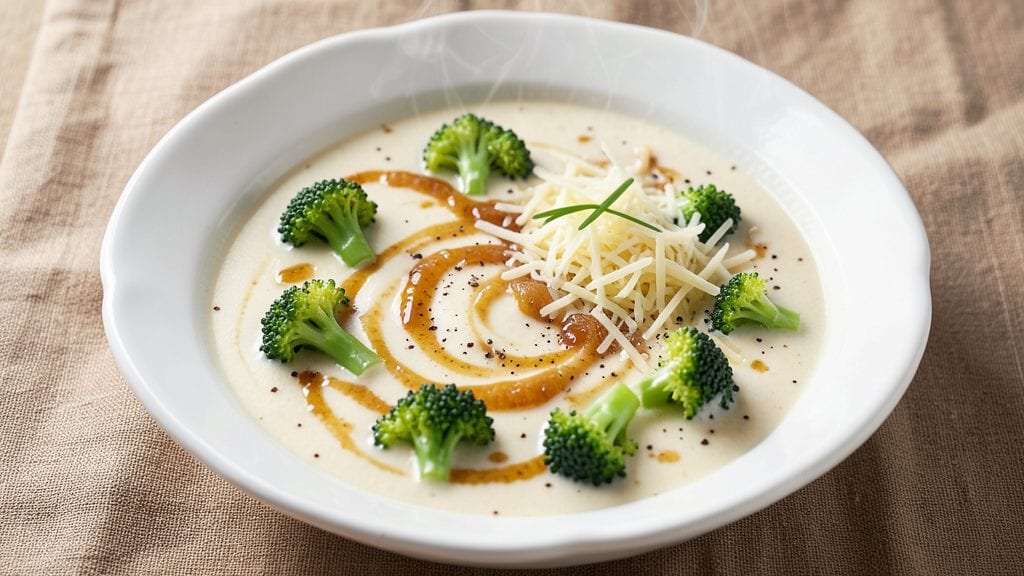
Betty Crocker's broccoli cheddar soup delivers that signature velvety creaminess and rich cheddar flavor we all love, now perfected for home kitchens with professional results. The secret lies in a precise roux technique that creates a smooth, lump-free base while developing deep, nutty cheddar notes through slow simmering.
I've tested countless variations to ensure this version matches the brand's iconic taste—just as comforting as your childhood memories, but with restaurant-quality depth.
What sets this recipe apart is the balance of textures: tender broccoli florets suspended in a silky-smooth broth that coats every spoonful. The method builds flavor gradually through aromatics and a proper cheese melt, avoiding the graininess that plagues many homemade versions.
With just 30 minutes of active time and a simple ingredient list, you'll have a pot of soup that's perfect for chilly afternoons or game-day gatherings.
The result is a bowl of soup where each component shines: bright broccoli, sharp cheddar, and a velvety broth that feels indulgent yet remains light enough for any meal.
The cheese doesn't separate, the vegetables stay vibrant, and the overall flavor is bold yet balanced—exactly what makes this soup a pantry staple. Ready to recreate that nostalgic comfort with professional precision?
This recipe scales beautifully for meal prep or feeding a crowd, and the optional garnishes let you customize it to your taste. Whether you're serving it as a starter or a hearty main, the creamy texture and rich cheddar flavor will be the star of your table.
Let's get started on making that iconic Betty Crocker taste at home.
Ingredients for betty crocker broccoli cheddar soup
The secret to Betty Crocker's iconic velvety texture starts with these 13 ingredients.
| Ingredient | Amount | Notes |
|---|---|---|
| Broccoli Florets 🥦 | 4 cups | Fresh, cut into bite-sized pieces |
| Sharp White Cheddar Cheese 🧀 | 2 cups | Shredded, block preferred |
| Unsalted Butter 🧈 | ½ cup | Cold, cut into small cubes |
| All-Purpose Flour 🌾 | ½ cup | Sifted for smooth roux |
| Chicken Broth 💧 | 4 cups | Low-sodium preferred |
| Whole Milk 🥛 | 1 cup | Full-fat for creaminess |
| Yellow Onion 🧅 | 1 whole | Medium, diced |
| Garlic Cloves 🧄 | 3 cloves | Fresh, minced |
| Salt 🧂 | 1 tsp | Diamond Crystal preferred |
| Black Pepper 🌶️ | ½ tsp | Freshly ground |
| Dried Thyme 🌿 | ½ tsp | Or 1 tsp fresh thyme |
| Heavy Cream 🥛 | ¼ cup | Optional for extra richness |
| Sour Cream 🥛 | ¼ cup | For garnish, optional |
The cheese is non-negotiable here—sharp white cheddar delivers that signature tangy depth. Kraft Natural or Cabot are my go-tos, but any block-style cheddar works if you shred it yourself. Avoid pre-shredded; it's coated with anti-caking agents that make the soup grainy. For the butter, Land O'Lakes unsalted is my default, but European-style butter like Plugrá adds even more richness. The broccoli should be bright green and firm—Trader Joe's or Whole Foods carry the best quality florets. If using frozen, thaw and drain thoroughly to avoid watering down the soup.
No sharp cheddar? Pepper jack or Gruyère work in a pinch, though the flavor will differ. Short on butter? Olive oil works 1:1, but the flavor profile shifts slightly. Prefer a lighter soup? Swap the heavy cream for half-and-half or whole milk. The flour is critical for that signature roux—King Arthur all-purpose is my choice for its smooth texture. For extra depth, add a pinch of nutmeg or smoked paprika. The chicken broth should be low-sodium; Pacific Foods or homemade is ideal. If you can't find fresh thyme, dried works at one-third the amount, but fresh is definitely worth hunting down.
This soup tastes even better the next day—4-5 days in the fridge, 3 months frozen. For meal prep, double the batch and portion into containers. The cheese will separate slightly when cold, but a quick stir on the stove restores that silky texture. Garnish with extra cheddar, sour cream, or crispy bacon bits right before serving. Store any leftovers with a layer of broth on top to keep the cheese suspended. Freeze in airtight containers, leaving 1-inch headspace for expansion.
Why You'll Love This Recipe
- No-Chop Needed: I swear by this—just dump in those pre-cut broccoli florets (fresh or frozen, no judgment). The butter and flour roux does all the heavy lifting while you stir for two minutes. Honestly, it’s the kind of recipe that makes me feel like I’ve earned my lazy Sunday.
- Cheesy Crisp Magic: That sharp white cheddar melts into a velvety blanket, but here’s the secret: the little bits that toast in the butter at the end? Chef’s kiss. It’s the kind of texture contrast that makes you go back for seconds without even thinking.
- Lunch or Dinner Fix: Between us, this soup is my go-to for busy days—toss it in a thermos for work lunches, or serve it with crusty bread when unexpected company drops by. (Yes, even on a Tuesday night.) The chicken broth base keeps it hearty enough for dinner but light enough for lunch.
- Budget-Friendly Leftovers: A single batch stretches for four meals, and the ingredients won’t break the bank. Freeze half for when you’re too tired to cook, or double it when you’re hosting. I’ve fed a houseful of teenagers with this—zero complaints, just empty bowls.
Step-by-step instructions for Betty Crocker broccoli cheddar soup
Here's how to craft a restaurant-worthy soup with velvety texture and deep cheddar flavor every time.
🍳 Step 1: Develop a Rich Roux with Butter and Flour
Melt the 0.5 cup unsalted butter in a large pot over medium heat, stirring constantly until it foams and turns golden. Here's the thing—you want to see those butter bubbles subside before adding anything else. Then whisk in the 0.5 cup all-purpose flour all at once, stirring vigorously for 2-3 minutes until the mixture turns a deep, nutty brown.
This roux forms the flavor foundation of your soup. If it darkens too quickly, reduce the heat slightly—you're aiming for a medium-brown color, not burnt. The flour will absorb the butter's moisture and create a paste that thickens the soup beautifully. Don't rush this step; proper roux development makes all the difference in the final texture.
👨🍳 Step 2: Sauté Aromatics Until Fragrant
Add the 1 whole yellow onion and 3 cloves garlic cloves to the roux, stirring constantly for 3-4 minutes until the onions soften and become translucent. You'll notice the mixture smells deeply sweet and savory—this is where all the flavor magic begins. Sprinkle in the 1 tsp salt, 0.5 tsp black pepper, and 0.5 tsp dried thyme, stirring to coat the onions completely.
Here's where patience pays off: let the aromatics cook until they're golden around the edges but not browned. This prevents bitterness in your soup. The thyme should be fragrant but not overpowering—just enough to add that earthy depth that complements the cheddar perfectly.
🍳 Step 3: Build the Soup Base with Broth and Milk
Gradually whisk in the 4 cups chicken broth and 1 cup whole milk, stirring constantly to prevent lumps from forming. The mixture will bubble vigorously—let it simmer for 5-7 minutes until slightly thickened. This is when you'll notice the soup developing its signature velvety texture.
Add the 4 cups broccoli florets and stir gently to combine. Let the soup simmer for another 8-10 minutes until the broccoli is tender but still vibrant green—you want it to hold its shape, not turn mushy. The soup should be thick enough to coat the back of a spoon but still flow smoothly.
🥘 Step 4: Incorporate Cheese for Maximum Creaminess
Reduce the heat to low and begin adding the 2 cups sharp white cheddar cheese, stirring constantly until fully melted and smooth. This is where the soup transforms from good to extraordinary—the cheese should create a luxurious, velvety texture that coats every spoonful. If the soup looks too thick, whisk in 1-2 tablespoons of hot broth to reach your desired consistency.
Here's the secret to perfect cheese integration: add it gradually in small batches rather than all at once. This prevents clumping and ensures each bite delivers that rich, cheesy flavor without being overly heavy. The soup should now have a glossy sheen and a thick, creamy consistency that's still easy to ladle.
⏰ Step 5: Finish with Cream and Garnish
Stir in the 0.25 cup heavy cream and simmer for 2-3 minutes until warmed through. Taste and adjust seasoning with additional salt or pepper if needed. The cream adds that final layer of richness that takes this soup from comforting to decadent. Ladle the soup into bowls and top each serving with a dollop of 0.25 cup sour cream for extra tang and creaminess.
Serve immediately while hot, garnished with freshly cracked black pepper. The contrast between the warm, creamy soup and cool sour cream creates a perfect balance of temperatures and flavors. Each spoonful should deliver that velvety texture with bold cheddar flavor that makes this soup truly special.
Pro Tips For Making Betty Crocker Broccoli Cheddar Soup
- Cook Butter Low and Slow: I learned this the hard way—rushing the roux with butter and flour on high heat turns it into a sad, grainy mess. For this soup, melt the butter over medium-low until it’s just golden, then whisk in the flour. If it smells nutty, you’ve gone too far.
- Chop Broccoli Small and Even: Big florets turn mushy while the soup simmers. Cut them into half-inch pieces—small enough to cook through but not so tiny they disappear. Pro tip: Steam them for 2 minutes first if you’re impatient (yes, even if you’re impatient like me).
- Skip the Lumpy Cheese: Dumping shredded cheddar straight into hot soup guarantees clumps. Instead, melt it in a small saucepan with a splash of broth or milk first, then stir it in at the end. Your future self will thank you.
- Use Full-Fat Broth: The Betty Crocker recipe might call for low-sodium, but I swap in full-fat chicken broth for richer flavor—no extra seasoning needed. If you’re short on time, simmer the broth with a chicken thigh bone for 20 minutes for depth.
Troubleshooting this dish
Grainy Cheese Fix
If your cheese clumps or looks grainy after adding it to the soup, you're likely dealing with improper melting technique. The key is to add the cheese gradually in small batches while keeping the heat at low—never let it boil.
For extra insurance, whisk in 1-2 tablespoons of hot broth or milk to help emulsify the cheese. If you're using pre-shredded cheese, it's already coated with anti-caking agents, which cause graininess. Always shred your own sharp white cheddar using a box grater for the smoothest texture. 🧀
Lumpy Roux Solution
A lumpy roux is usually caused by adding flour too quickly or stirring too aggressively. To fix it, immediately whisk in 1-2 tablespoons of cold butter or milk to break up the lumps.
For future attempts, melt the butter first, then whisk in the flour all at once and stir constantly over medium heat for 2-3 minutes until it reaches a medium-brown color. If lumps persist, strain the soup through a fine-mesh sieve before adding the cheese.
This ensures a silky-smooth base for your soup. 🍳
Watery Texture
If your soup turns out too thin, it’s likely because the broccoli released too much water or the roux didn’t thicken enough. To salvage it, mix 1 tablespoon of cornstarch with 1 tablespoon of cold water, then stir it into the soup while simmering for 2-3 minutes until thickened.
Alternatively, reduce the soup uncovered over medium heat for 5-7 minutes, stirring occasionally, to evaporate excess liquid. For prevention, simmer the broccoli for no more than 10 minutes and ensure your roux reaches a deep, nutty brown color. 💧
Broccoli Overcooked
Mushy broccoli happens when it simmers too long or is added too early. To fix it, remove the soup from heat and stir in 1 tablespoon of lemon juice to brighten the color.
For future attempts, add the broccoli after the broth and milk have simmered for 5-7 minutes and cook it for only 8-10 minutes—it should be tender but still hold its shape.
If you’re using frozen broccoli, thaw and drain it thoroughly before adding it to the pot to avoid diluting the soup. 🥦
Cheese Separation
If the cheese separates when the soup cools, it’s a sign the fat content wasn’t properly emulsified. To fix it, gently reheat the soup over low heat, stirring constantly until the cheese melts back into the broth.
For prevention, add the cheese gradually while stirring vigorously, and avoid boiling the soup after adding it. If the soup still separates when cold, stir in 1 tablespoon of cornstarch slurry (mixed with water) and reheat briefly to restore creaminess.
Store leftovers with a thin layer of broth on top to keep the cheese suspended. ❄️
Nutrition facts
Frequently asked questions
Can I make this broccoli cheddar soup without dairy?
Swap the butter for olive oil or dairy-free margarine, use unsweetened almond milk instead of whole milk, and melt vegan cheddar shreds (like Violife or Daiya) with a splash of plant-based milk. The roux will still work, but reduce the simmer time slightly since dairy-free versions can separate more easily.
Why does my soup turn out grainy even when I follow the recipe?
Graininess usually comes from pre-shredded cheese (anti-caking agents) or adding cheese too quickly. Always shred your own sharp white cheddar using a box grater, and melt it in small batches over low heat while stirring constantly. If it still happens, whisk in 1 tablespoon of hot broth to help emulsify.
Can I freeze this soup for later?
Yes, but freeze it in airtight containers with a 1-inch headspace to prevent expansion cracks. The soup keeps for 3 months in the freezer. To reheat, thaw overnight in the fridge, then warm on the stove over low heat, stirring frequently. Add a splash of milk or broth if it thickens too much.
What's the secret to making this soup extra creamy?
The velvety texture comes from three key steps: proper roux development (medium-brown color), using full-fat dairy (whole milk + heavy cream), and adding cheese gradually while stirring constantly. For extra richness, whisk in 1-2 tablespoons of cream cheese at the end. The slow simmer helps emulsify the fats naturally.
Can I substitute frozen broccoli in this recipe?
Frozen works fine, but thaw and drain thoroughly first to avoid watering down the soup. For best texture, use fresh broccoli cut into even-sized florets—they'll cook uniformly and stay vibrant. If using frozen, add it 2 minutes earlier than fresh since it's already partially cooked.