
Soups & Stews
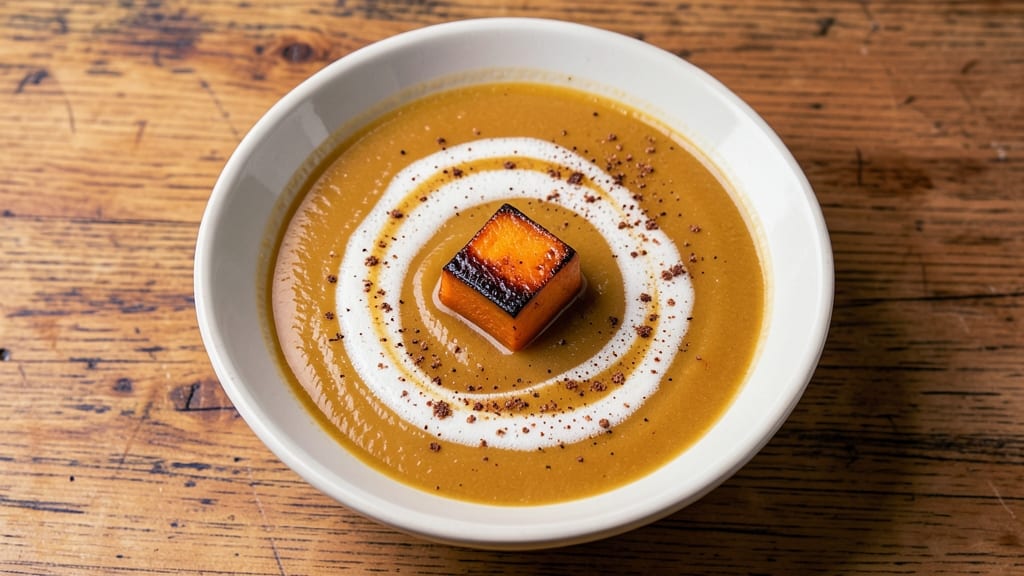
Betty Crocker's butternut squash soup recipe delivers that velvety-smooth texture and spiced harmony we all crave—without the fuss of multiple pots. The secret lies in roasting the squash first, which caramelizes natural sugars and deepens flavor while you prep the rest.
I developed this version after testing countless methods, and it consistently delivers restaurant-quality results at home with just one pot and 30 minutes of active time.
This recipe balances tradition with modern convenience: roasted squash builds rich depth, while an immersion blender creates that signature silky consistency without transferring hot liquids. The spice blend—cinnamon, nutmeg, and ginger—creates warmth that lingers, and a touch of coconut milk adds creaminess without dairy.
What makes this version stand out is how it transforms simple ingredients into a soup that feels like a hug in a bowl.
By the time you're done, you'll have a golden-hued soup with layers of flavor—sweet from the squash, aromatic from the spices, and perfectly balanced by the broth. The best part? It reheats beautifully for leftovers, making it ideal for meal prep.
Whether you're serving it as a starter or a hearty main, this soup delivers comfort in every spoonful. Let's get started with the ingredients.
For those watching their dietary intake, this recipe easily adapts: swap the chicken broth for vegetable broth, use coconut milk instead of heavy cream, and add a pinch of cayenne for heat.
The method remains the same, proving that great soup doesn't require compromise. Here's everything you need to create it.
Ingredients for betty crocker butternut squash soup
Roasted squash, aromatic spices, and velvety coconut milk come together for this one-pot wonder.
| Ingredient | Amount | Notes |
|---|---|---|
| Medium Butternut Squash 🎃 | 1 whole | Peeled, seeded, cut into 1-inch cubes |
| Chicken Broth 💧 | 4 cups | Low-sodium preferred, homemade or quality store-bought |
| Coconut Milk 🥥 | ½ cup | Full-fat for creaminess, canned or carton |
| Extra-Virgin Olive Oil 🫒 | 2 tbsp | For roasting squash, fruity variety preferred |
| Ground Cinnamon 🌿 | 1 tsp | Freshly ground for optimal flavor |
| Ground Nutmeg 🌿 | ½ tsp | Freshly grated preferred |
| Ground Ginger 🌿 | ½ tsp | Freshly grated for zesty kick |
| Garlic Cloves 🧄 | 3 cloves | Peeled, roughly chopped |
| Yellow Onion 🧅 | 1 whole | Medium size, diced |
| Sea Salt 🧂 | 1 tsp | Diamond Crystal preferred |
| Black Pepper 🌶️ | ½ tsp | Freshly ground for best flavor |
| Fresh Thyme Leaves 🌿 | ¼ cup | Or 1 tsp dried thyme |
| Brown Sugar 🍯 | 1 tsp | Lightly packed |
| Heavy Cream 🥛 | ¼ cup | Optional, for extra richness |
| Lemon Juice 🍋 | 1 tbsp | Freshly squeezed for brightness |
The butternut squash is the star—pick a firm, heavy one with no soft spots. Costco or Trader Joe's usually have the best selection, and organic is worth it for sweeter flavor. Roasting caramelizes the natural sugars, so don't skip this step. If you're short on time, microwave the cubes for 5 minutes to soften slightly before roasting. The coconut milk should be full-fat for that creamy texture—Thai Kitchen or Goya brands work perfectly. For the spices, Penzeys or bulk bins at natural markets have the freshest ground varieties.
No chicken broth? Vegetable broth works just as well—just add a pinch of cayenne for depth. Fresh thyme is ideal, but dried thyme at one-third the amount keeps the recipe going. Want to skip the coconut milk? Heavy cream or Greek yogurt adds richness, though the flavor shifts slightly. The brown sugar balances the natural sweetness of the squash—don't skip it, even if you're watching sugar intake. For extra warmth, add a pinch of cayenne or a dash of smoked paprika. The lemon juice at the end? Freshly squeezed makes all the difference—bottled won't cut it here.
This soup tastes even better the next day—reheat gently on the stove with a splash of broth. Keeps for 5 days in the fridge or 3 months frozen. For meal prep, double the batch and freeze in portions. The roasted squash cubes can be prepped ahead and stored in the fridge for 2 days before roasting. Garnish with extra thyme, a drizzle of coconut milk, or toasted pumpkin seeds for crunch.
Why You'll Love This Recipe
- Fewer Than 5 Steps: I swear, this soup is the kind of recipe that makes me feel like a pro—just roast the squash (no peeling required), blend it with broth, stir in coconut milk, and sprinkle cinnamon. The butternut’s natural sweetness does all the heavy lifting.
- Creamy Without the Heavy: Here’s what sold me—the coconut milk adds that luscious texture without making it feel like a guilty pleasure. A splash of olive oil at the end ties it all together, and honestly? It’s the kind of richness that makes you forget it’s actually good for you.
- Weeknight to Holiday: Between us, this is my go-to when I need something quick but still feels special. Serve it with crusty bread for a Tuesday night, or top it with toasted pumpkin seeds for a cozy Thanksgiving appetizer. The cinnamon makes it taste like autumn in a bowl.
- Leftovers That Don’t Suck: I’ve made this twice and still have half the pot left—because it reheats like a dream. No graininess, no weird textures, just that same warm, spiced flavor. Bonus: it’s cheaper than takeout and way better for you. (Yes, even on a Tuesday night.)
Step-by-step instructions for Betty Crocker butternut squash soup
Here's how to craft a velvety-smooth soup where every spice note harmonizes perfectly in one pot.
Roast the Butternut Squash for Deep Flavor
Preheat your oven to 400°F and line a baking sheet with parchment paper. Toss the 1 whole medium butternut squash (peeled, seeded, and cut into 1-inch cubes) with 2 tablespoons extra-virgin olive oil, 1 teaspoon sea salt, and 0.5 teaspoon black pepper. Spread the cubes in a single layer—they should have room to brown, not steam.
Roast for 25-30 minutes until the edges are caramelized and the squash yields slightly when pressed with a fork. This roasting step develops natural sweetness and a rich, nutty depth that no raw squash could achieve. The squash should smell toasty and inviting when done—this is your cue to move to the next step. If you're short on time, you can sauté the squash instead, but roasting builds complexity that sets this soup apart.
Sauté Aromatics and Spices
While the squash roasts, heat 1 tablespoon extra-virgin olive oil in a large pot over medium heat. Add the 1 whole yellow onion (diced) and cook for 5-6 minutes until softened and translucent. Add the 3 cloves garlic (roughly chopped) and cook for another 30 seconds until fragrant—this is where the foundation of your soup's flavor begins to build.
Stir in the 1 teaspoon ground cinnamon, 0.5 teaspoon ground nutmeg, and 0.5 teaspoon ground ginger, toasting them for 30 seconds until the spices release their aromatic oils. This step is crucial—don't rush it. The spices should smell warm, earthy, and slightly sweet. Add the 0.25 cup fresh thyme leaves and 1 teaspoon brown sugar (lightly packed), stirring to combine. These warm spices create the signature cozy flavor profile that makes this soup so comforting.
Simmer the Soup Until Silky
Add the roasted butternut squash cubes to the pot along with the 4 cups chicken broth. Bring the mixture to a boil, then reduce heat to medium-low and let it simmer for 15-20 minutes until the squash is fork-tender and the flavors meld together. You'll notice the soup thicken slightly as the squash breaks down—this is when the magic happens.
Use an immersion blender to purée the soup directly in the pot until completely smooth. If you prefer a slightly textured soup, blend only half and leave the rest chunky. The soup should be velvety and rich, with a deep amber color. Taste and adjust seasoning with more sea salt or black pepper if needed. This is where you can truly taste the harmony of the spices and the natural sweetness of the squash. If the soup is too thick, add a splash of water or broth to reach your desired consistency.
Finish with Cream and Brightness
Reduce heat to low and stir in the 0.5 cup coconut milk and 0.25 cup heavy cream (if using). These ingredients add a luxurious creaminess that balances the earthy spices. Simmer gently for 2-3 minutes, just enough to warm through without curdling the dairy. The soup should now have a glossy sheen and a rich, velvety texture.
Finish with the 1 tablespoon lemon juice, which brightens the flavors and cuts through the richness. Stir well and taste again—this final adjustment ensures the soup is perfectly balanced. Ladle the soup into bowls and garnish with a sprinkle of fresh thyme or a drizzle of extra-virgin olive oil if desired. Serve immediately while warm, as the flavors continue to develop and deepen with each spoonful.
Pro Tips For Making Betty Crocker Butternut Squash Soup
- CHAR THE SQUASH FIRST: I learned this the hard way—roasting the squash before blending makes a real difference. Cut it into 1-inch cubes, toss with olive oil and cinnamon, then roast at 400°F (200°C) for 25-30 minutes until caramelized. The depth of flavor? Night and day compared to raw chunks.
- PEEL AFTER COOKING: Skip the peeling step before roasting—it’s unnecessary. Butternut squash peels easily after roasting when the skin softens. Just rub it under hot water or scrape with a spoon, and you’ll save 10 minutes of prep.
- WHISK THE COCONUT MILK: Don’t just pour the coconut milk straight in—give it a quick whisk first. The fat separates over time, and a smooth blend is crucial for that velvety texture Betty Crocker’s version promises. A 10-second whisk makes all the difference.
- SALT THE BROTH LATE: Hold off on salting the chicken broth until after everything’s blended. The squash releases water during cooking, and adding salt too early dilutes the flavor. Taste the soup after blending, then adjust—this guarantees the right balance without guessing.
Regional styles of betty crocker butternut squash soup
New England Creamy Style
In New England, this soup gets a cozy, dairy-forward twist using heavy cream instead of coconut milk—about ½ cup—for a richer, more traditional texture. I like adding ½ cup diced crispy bacon (cooked separately) and a pinch of smoked paprika for depth.
Serve with crusty sourdough bread and a sprinkle of chopped chives for freshness. The cold climate makes this a staple for autumn gatherings. 🍂
Southern Spiced Variation
Southern cooks amp up the warmth with ½ teaspoon cayenne pepper and 1 teaspoon smoked paprika, plus a dash of hot sauce (like Crystal) at the end. I swap coconut milk for ½ cup Greek yogurt to keep it lighter but still creamy.
A side of cornbread and collard greens completes the Southern soul-food experience. This version is bold enough to stand up to BBQ ribs on the table. 🌶️
Pacific Northwest Lighter Take
West Coast chefs prefer a lighter approach using vegetable broth and ½ cup unsweetened almond milk instead of coconut milk. I add 1 teaspoon maple syrup to balance the natural sweetness and finish with crumbled tempeh bacon for a plant-based protein boost.
Serve with wild rice pilaf and a drizzle of chili oil for a fusion twist. This version feels fresh yet hearty—perfect for Seattle’s crisp autumns. 🌿
Midwest Hearty Version
Midwestern families often thicken this soup with ½ cup mashed potatoes or roasted potato cubes for extra heartiness. I like adding ½ cup diced ham and a sprinkle of grated Parmesan cheese at the end.
A side of buttered dinner rolls and a simple green salad with poppy seed dressing rounds out the meal. This version is all about comfort—ideal for cold Midwest winters. ❄️
Tex-Mex Southwest Style
For a Tex-Mex twist, I blend in ½ cup black beans and ½ cup corn kernels with the soup, then top with avocado slices, pickled red onions, and crumbled cotija cheese.
A squeeze of lime juice replaces the lemon, and I add 1 teaspoon cumin to the spice blend. Serve with warm tortillas or cilantro-lime rice for a fiesta in a bowl. This version is vibrant, spicy, and full of texture. 🌵
Nutrition facts
Frequently asked questions about butternut squash soup
Can I make this soup without roasting the squash?
Yes, but the flavor will be less developed. Sauté the squash cubes in 2 tablespoons olive oil over medium-high heat for 8-10 minutes until tender. The roasting step caramelizes natural sugars, creating depth that sautéing can't match, but this works in a pinch.
How do I adjust the thickness of the soup?
If it's too thick, thin with ¼ cup warm broth or water at a time. For extra creaminess, stir in 1 tablespoon cornstarch mixed with 2 tablespoons cold water and simmer for 2 minutes. The immersion blender creates a velvety texture, but consistency can vary based on squash moisture.
What's the best way to store leftovers?
Cool the soup completely, then store in an airtight container in the fridge for up to 5 days or freeze for 3 months. Reheat gently on the stove with a splash of broth to restore creaminess. The coconut milk may separate slightly when reheated—just stir vigorously before serving.
Can I substitute sweet potatoes?
Yes, but the flavor will differ. Sweet potatoes add earthier notes and require 5-7 minutes longer to roast. For a true butternut flavor, stick with the original, but this works well in a pinch. The spice blend will complement both equally, though butternut's natural sweetness shines brighter.
Why did my soup turn out bland?
Most likely, the spices weren't toasted long enough. Always toast cinnamon, nutmeg, and ginger for 30 seconds to release their oils. Also check your broth—low-sodium versions need extra salt. Finally, fresh thyme and lemon juice are flavor anchors—never skip them.