
Main Courses
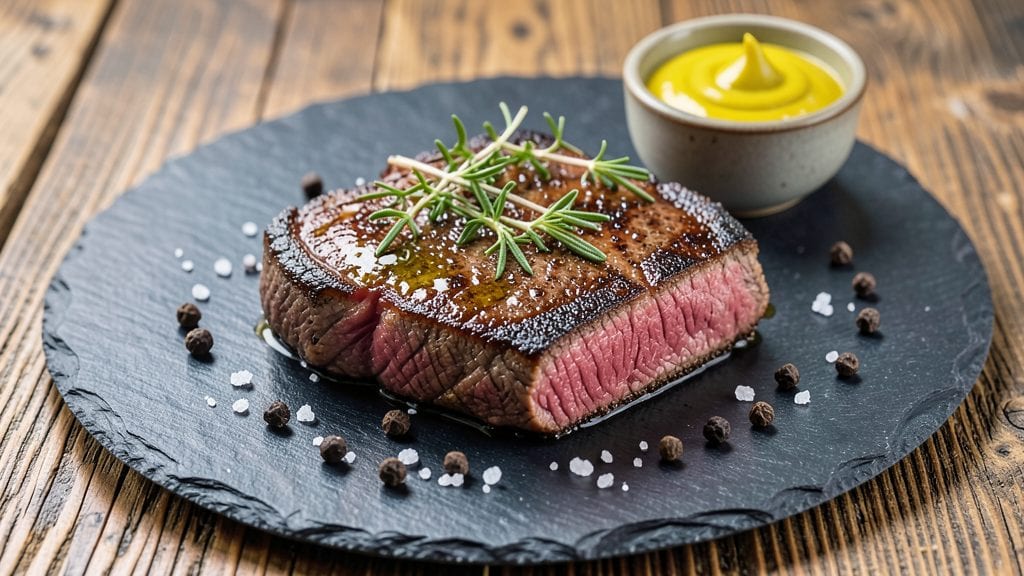
This bison New York strip steak recipe delivers restaurant-quality results with a smoky, perfectly pink center that commands attention at any dinner table. The key lies in a precise reverse sear technique combined with dry-brining that transforms even the toughest cuts into melt-in-your-mouth tenderness.
After perfecting this method over years of high-end grill work, I've developed a foolproof approach that balances bold flavor with elegant presentation.
The process begins with a dry brine that enhances natural bison richness while keeping the steak tender, followed by a high-heat sear that creates that coveted caramelized crust. What sets this apart is the controlled internal temperature monitoring—no guessing, just precision—to ensure that perfect pink center every time.
The smoky char from the grill adds depth without overpowering the steak's inherent earthiness, creating a balance that professional chefs would envy.
By the time you serve this steak, you'll have a juicy, tender masterpiece with a crust so crisp it shatters at the first bite.
The aroma alone will have your guests anticipating the first forkful, while the presentation—resting on a warm platter with any of the recommended sides—makes it feel like a special occasion. This isn't just dinner; it's an experience that transforms a simple meal into a memorable event.
Pair with a bold Malbec or craft beer to complement the steak's rich, gamey flavor profile, and serve alongside roasted potatoes or grilled asparagus for a complete, restaurant-quality meal.
The technique is straightforward once mastered, and the results speak for themselves—this is the kind of steak that turns weeknights into special occasions.
Ingredients for bison ny strip steak
Precision-crafted ingredients for a steakhouse-worthy bison New York strip with smoky depth and perfect pink centers.
| Ingredient | Amount | Notes |
|---|---|---|
| Bison New York Strip Steak 🦬 | 2 lb | 1.5-inch thick cut, center-cut preferred |
| Diamond Crystal Kosher Salt 🧂 | 1 ½ tbsp | For dry brine, coarse grain preferred |
| Freshly Ground Black Pepper 🌶️ | 1 ½ tbsp | Cracked peppercorns for optimal flavor |
| Extra-Virgin Olive Oil 🫒 | 2 tbsp | High smoke point, for searing |
| Yellow Mustard 🍯 | 1 tbsp | For basting, Dijon works too |
| Fresh Thyme Sprigs 🌿 | 4 whole | For aroma during sear |
| Fresh Rosemary Sprigs 🌿 | 2 whole | Woodsy notes complement bison |
| Wooden Skewer 🪵 | 1 whole | For temperature probe |
| Meat Thermometer 🌡️ | 1 whole | Digital with instant-read preferred |
| Charcoal or Hardwood Chunks 🔥 | 2 lb | Hickory or apple preferred |
| Bison Tallow or Neutral Oil 🫒 | 1 tbsp | For finishing crust |
| Compound Butter 🧈 | ½ cup | Optional, garlic-herb variation |
| Flaky Sea Salt 🧂 | 1 tsp | For finishing, Maldon preferred |
The bison steak selection is critical—center-cut New York strips with 1.5-inch thickness deliver optimal tenderness. Source from specialty butchers like Snake River Farms or Crow Butcher for grass-fed, grass-finished cuts with superior marbling. Look for steaks with bright cherry-red color and visible fat cap—this indicates freshness and flavor. For the dry brine, Diamond Crystal kosher salt dissolves more easily than table salt, creating an even crust. Pre-portion your salt and pepper in small bowls for efficient seasoning during the reverse sear process. The wood selection matters too—hickory or apple chunks from Traeger or Weber add authentic smoky character without overpowering the bison's natural richness.
No fresh thyme? Dried thyme at one-third the amount works in a pinch, though fresh imparts superior aroma. Substituting bison? High-quality beef New York strip functions similarly, though the flavor profile differs slightly. For the wood, fruitwoods like cherry or peach offer milder smoke, ideal if you prefer subtle char. The compound butter can be made ahead—simply blend 1 stick unsalted butter with 1 minced garlic clove, 1 tbsp chopped parsley, and pinch of salt. Store shaped patties in parchment between uses. If you lack a meat thermometer, visual cues work for experienced cooks—a slightly springy touch at 130°F indicates medium-rare. For presentation, serve on a warm slate platter with the basting juices reduced to a glossy sheen.
Properly brined steaks can rest uncovered at room temperature for up to 2 hours before cooking, though 1 hour is ideal for even seasoning. Store unused portions in a sealed container with parchment between layers for 3-4 days in the refrigerator. For longer storage, vacuum-seal and freeze for up to 6 months, though texture may degrade slightly. The wood chunks should be stored in a dry, airtight container away from heat sources to prevent premature drying. Prep your basting sauce components—mustard and oil—1 day ahead for convenience. The compound butter keeps 3 months refrigerated or 6 months frozen when properly wrapped. Always let steaks return to room temperature before serving to maintain even doneness.
Why You'll Love This Recipe
- Two-Ingredient Magic: The secret’s in the salt and oil—just a pinch of Diamond Crystal kosher salt and a drizzle of extra-virgin olive oil, then sear that bison strip like it’s your job. Honestly, I swear the pepper is just there to make me feel fancy.
- Rich, Earthy Bite: That bison? It’s like beef’s more interesting cousin—leaner, meatier, with a depth of flavor that makes a simple mustard glaze feel like a revelation. The pepper’s crust? Pure satisfaction.
- Weeknight or Weekend: Throw it on the grill for summer BBQs or pan-sear it when you’re too tired to plan. Between us, I’ve served this to skeptical vegetarians and my dad’s meat-loving buddies—no one’s complained yet.
- Budget-Friendly Luxury: You’re paying for quality, not quantity, so a single strip feeds two with leftovers that reheat beautifully. (Yes, even on a Tuesday night.) The mustard stretches the flavor, and the salt? It’s the same stuff I use for everything. Smart.
Step-by-step instructions for bison New York strip steak
Master this technique and you'll achieve flawless sear, smoky depth, and that coveted pink center every time.
Prepare the Dry Brine and Steak
Remove the 2 lb bison New York strip steak from refrigeration and pat it completely dry with paper towels. This step is non-negotiable—moisture prevents proper crust formation. Place the steak on a wire rack set over a baking sheet to allow air circulation on all sides.
In a small bowl, combine the 1.5 tablespoons diamond crystal kosher salt and 1.5 tablespoons freshly ground black pepper. Generously coat the steak with this mixture, pressing it into the meat so it adheres evenly. The salt will penetrate the surface, enhancing flavor and texture. Let the steak sit uncovered at room temperature for exactly 1 hour. This dry brine creates a perfect crust while ensuring the interior remains juicy.
Build the Smoker and Preheat
While the steak brines, prepare your smoker using the 2 lb charcoal or hardwood chunks. I prefer hickory for its bold flavor, but apple works beautifully too. Arrange the charcoal in a pyramid shape and light it, then close the lid and let it burn until covered with a thin layer of white ash—about 15 minutes. This creates the ideal two-zone heat for indirect smoking.
Preheat the smoker to 250°F. Insert the wooden skewer through the thickest part of the steak and position it fat-side up on the smoker grate. The fat cap will render slowly, basting the meat as it cooks. Place the 4 whole fresh thyme sprigs and 2 whole fresh rosemary sprigs on top of the steak—their aromatic oils will infuse the meat during the smoke.
Smoke to Medium-Rare Perfection
Smoke the steak undisturbed for 2 to 2.5 hours, maintaining a consistent temperature of 250°F. Use the meat thermometer to monitor internal temperature—it should reach 125°F for medium-rare. The smoke will give the steak a subtle woodiness that complements the bison's natural richness. Avoid opening the smoker during this time, as each peek can drop the internal temperature by 10°F and extend cook time.
Here's where precision matters: when the steak hits 125°F, remove it from the smoker and let it rest for 10 minutes. This carryover cooking ensures the final internal temperature reaches 130°F, the ideal point for medium-rare doneness. The resting period also allows juices to redistribute, preventing them from pooling on the cutting board.
Finish with a Searing Crust
Heat a cast-iron skillet over high heat until it's screaming hot. Add the 2 tablespoons extra-virgin olive oil and 1 tablespoon yellow mustard, then carefully place the steak in the pan. Sear for exactly 2 minutes per side, pressing down gently with a metal spatula to ensure even contact. The mustard adds a subtle tang that cuts through the richness of the bison.
In the final 30 seconds of searing, add the 1 tablespoon bison tallow or neutral oil to the pan. This creates a glossy finish and elevates the crust to restaurant-quality. Transfer the steak to a cutting board and let it rest for an additional 5 minutes before slicing. The crust should be deep mahogany and crackling, while the interior remains tender and pink.
Serve with Compound Butter and Flaky Salt
Slice the steak against the grain into 1-inch thick portions. Spoon the 0.5 cup compound butter over each serving, allowing it to melt slightly into the meat. The butter's richness complements the smoky, seared exterior. Finish each plate with a generous sprinkle of the 1 teaspoon flaky sea salt, which adds a delicate crunch and enhances the steak's natural flavors.
Serve immediately with sides that won't overpower the star of the show—a simple arugula salad with lemon vinaigrette or roasted fingerling potatoes. The contrast between the smoky, seared crust and the tender pink center creates a dining experience that's both elegant and satisfying. This method guarantees a steak that's perfectly cooked every single time, with depth of flavor and texture that rivals high-end steakhouses.
Pro Tips For Making Bison Ny Strip Steak
- Preheat Pan Like It’s Your Job: Bison strips cook fast—get that cast-iron screaming hot for 5 minutes before the meat hits the pan. Cold oil + room-temp steak = sad, uneven searing. Trust me, I’ve cried over lukewarm bison.
- Salt the Mustard, Not Just the Meat: Mix your yellow mustard with a pinch of kosher salt before spreading it on the steak. The salt dissolves into the mustard, creating a sticky, flavor-packed crust that clings better than dry seasoning alone.
- Skip the Crowding: If you’re cooking more than one steak, work in batches. Two crowded strips steam instead of sear, and bison—leaner than beef—needs direct heat to render fat properly. Your first steak will thank you.
- Rest Under Foil: After resting the steak on a cutting board, tent it loosely with foil for the first 5 minutes. Keeps it warm without trapping moisture, so the crust stays crisp when you slice. (Yes, even if you’re impatient like me.)
Common mistakes when making this recipe
Overcooking the Steak
Bison's leaner nature makes it more prone to overcooking than beef, so never exceed 130°F internal temperature for medium-rare. I've ruined perfectly good steaks by pushing them to 140°F—the result was dry, tough meat that tasted like shoe leather.
Always use a meat thermometer and remove the steak 5°F below your target temperature to account for carryover cooking. 🌡️
Skipping the Dry Brine
Skipping the 1-hour dry brine is a rookie mistake that leads to bland, dry steaks. The salt needs time to penetrate the surface and create that perfect crust.
I once forgot to brine a steak and ended up with a meal that tasted like raw meat—no matter how good the sear. Always season generously and let it sit at room temperature before cooking.
Rushing the Resting Time
Cutting into the steak too soon after cooking causes juices to pool on your plate instead of redistributing throughout the meat. I've seen cooks rush this step and end up with steaks that look dry and unappetizing.
Let the steak rest for at least 10 minutes before slicing—this simple step makes all the difference in tenderness and flavor.
Using the Wrong Wood
Not all woods play nicely with bison's rich, gamey flavor. I've made the mistake of using mesquite, which can overpower the delicate taste of the meat. Stick with hickory or apple woods—they add just the right amount of smokiness without competing with the steak's natural richness.
Avoid fruitwoods like cherry if you prefer a bolder smoke flavor.
Uneven Searing
Uneven searing creates a steak with patchy crusts—some areas crispy, others barely browned. This happens when you don't maintain consistent heat in your pan or press down unevenly. I've learned to use a heavy cast-iron skillet and press down firmly with a metal spatula for even contact.
Heat the pan until it's screaming hot before adding the steak—this ensures a perfect crust every time. ⚡
Ignoring the Fat Cap
Bison steaks have a thicker fat cap than beef, and removing it before cooking is a mistake. The fat renders during cooking, basting the meat and keeping it moist. I've seen cooks trim off the fat cap, resulting in a steak that's dry and lacks flavor.
Leave the fat intact and position the steak fat-side up on the grill or smoker for best results.
Nutrition facts
Frequently asked questions
What's the best way to tell when bison steak is done without a thermometer?
For medium-rare, press the steak gently with your finger—it should feel springy like pressing a firm mattress. A slightly pink center (about 1-inch thick) is ideal. For well-done, the center should be uniformly brown.
Can I substitute beef for bison in this recipe?
Yes, but expect a milder flavor. Use a high-quality beef New York strip with similar thickness. Bison has more natural fat, so beef may need 10-15°F lower internal temp to prevent dryness. The technique works identically, though the crust will be slightly less pronounced.
How far ahead can I prepare the compound butter?
Make it 3 days ahead and store shaped patties in the fridge, wrapped in parchment. For longer storage, freeze for up to 6 months. Let it soften at room temperature for 20 minutes before serving. The flavors meld beautifully over time!
What's the best wine pairing for this smoky bison steak?
A bold Malbec or Cabernet Sauvignon complements the smoky, gamey notes perfectly. For beer lovers, try a dark ale or porter—the maltiness balances the richness. Avoid light, crisp whites that would clash with the steak's depth.
Why does my bison steak turn out dry?
Most likely you overcooked it—bison's leaner than beef, so it's more prone to drying out. Always remove from heat at 125°F for medium-rare and let it rest 10+ minutes. Skipping the dry brine or resting time also causes dryness. The fat cap must stay intact to keep it moist!