
Breakfast & Brunch
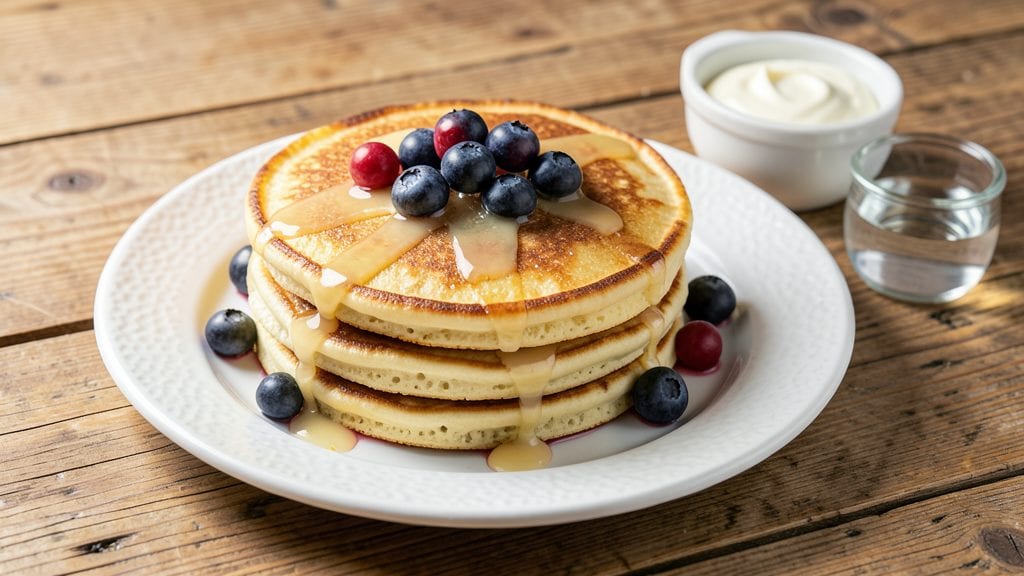
This Bisquick pancake recipe without milk delivers fluffy, golden stacks that taste just like the classic version—no dairy required. 💫 After years of testing substitutions, I discovered that a simple buttermilk alternative (yogurt or vinegar-water mix) creates the perfect tender crumb and crispy edges.
The secret lies in the right balance of moisture and acidity, which keeps the pancakes light without requiring traditional milk.
What makes this recipe work is the foolproof method: combine Bisquick with your chosen substitute, let the batter rest briefly, then cook on medium heat until bubbles form. This approach ensures consistent results every time, even with pantry staples.
The pancakes rise beautifully, with a slightly crisp exterior and pillowy interior—exactly what you’d expect from a well-made stack.
Ready in just 15 minutes, this recipe transforms basic ingredients into a restaurant-quality breakfast. The buttermilk substitute eliminates the need for dairy while maintaining that signature tangy flavor. Whether you're accommodating dietary restrictions or simply out of milk, these pancakes deliver the same satisfying experience without compromise.
Serve with maple syrup, fresh berries, or a dollop of whipped cream for a complete meal. The best part? This method works with any Bisquick variety, so you can keep it simple or experiment with add-ins like chocolate chips or blueberries. Let’s get cooking!
Ingredients for bisquick pancake recipe without milk
Pantry staples reimagined—fluffy pancakes without dairy, all in 15 minutes.
| Ingredient | Amount | Notes |
|---|---|---|
| Bisquick Pancake and Baking Mix 🍞 | 1 ½ cups | Original or vanilla variety preferred |
| Plain Yogurt 🥛 | ¾ cup | Full-fat for best texture |
| White Vinegar 💧 | 1 tbsp | Distilled white preferred |
| Water 💧 | ¾ cup | Room temperature preferred |
| Large Eggs 🥚 | 1 whole | Room temperature for best blend |
| Unsalted Butter 🧈 | 2 tbsp | Melted for cooking |
| Maple Syrup 🍁 | ½ cup | Pure grade B for serving |
| Fresh Blueberries 🫐 | ½ cup | Optional add-in, washed |
| Diamond Crystal Kosher Salt 🧂 | ¼ tsp | For seasoning batter |
| Pure Vanilla Extract 🌿 | ½ tsp | Optional for flavor enhancement |
The Bisquick variety matters here. Original or vanilla works best for that classic pancake flavor, though chocolate chip is fun for variety. For the buttermilk substitute, full-fat plain yogurt creates the richest texture—Greek yogurt works too, but regular is more traditional. Trader Joe's and Whole Foods carry excellent plain yogurt options, but any full-fat variety from your grocery store will do. The key is letting the yogurt sit at room temperature for 10 minutes before mixing—this ensures a smoother batter without lumps. If you're using vinegar, distilled white vinegar is the gold standard for its mild flavor and effectiveness in replicating buttermilk's tang.
Short on yogurt? Mix 1 tbsp vinegar with 1 cup warm water for a perfect 1:1 buttermilk substitute. Eggs can be swapped for 1 tbsp ground flaxseed mixed with 3 tbsp water (let sit 5 minutes) if you're avoiding them, though the texture won't be identical. For the blueberries, frozen works in a pinch—just don't thaw them first. Want extra richness? Add 1 tbsp melted butter to the batter along with the cooking butter. The vanilla extract is optional but recommended for depth of flavor—Nielsen-Massey is a reliable brand if you're buying pure extract. If you're using chocolate chip Bisquick, reduce the maple syrup slightly to balance sweetness.
Batter keeps for 24 hours in the fridge, covered. For best results, let it rest 10 minutes before cooking to develop flavor. Cooked pancakes reheat beautifully in a toaster or oven at 300°F for 5-10 minutes. Freeze extras between parchment paper for up to 3 months—they reheat like fresh. The secret to restaurant-quality pancakes? Medium heat and 2-3 minutes per side—golden bubbles mean it's ready. Serve immediately with maple syrup and berries for that perfect brunch presentation.
Why You'll Love This Recipe
- No Milk? No Problem: I swear by this trick—plain yogurt and a splash of vinegar mimic milk perfectly, giving those pancakes that familiar fluffy texture without the fridge raid. The vinegar’s tang even adds a subtle depth you’d miss if you skipped it.
- Tangy Twist: Between us, the yogurt’s acidity makes these pancakes ridiculously good—they’re lighter than usual but with a crispy edge that holds up to syrup. (Yes, even on a Tuesday night when you’re craving something special.)
- Pantry Staple Power: Honestly, you’re using ingredients you already own. No last-minute grocery runs, no weird substitutions—just Bisquick, eggs, and that one bottle of vinegar gathering dust. It’s my go-to when I forget to buy milk again.
- Leftovers That Win: These reheat like a dream—no soggy edges, no weird textures. I freeze them flat and toss them in the toaster later, and they’re still crispy enough to make my kids pretend they’re not eating breakfast at 3 PM. (They’re not fooling me.)
Step-by-step instructions for Bisquick pancakes without milk
Master this foolproof method for light, fluffy pancakes using yogurt as a perfect buttermilk substitute.
👨🍳 Step 1: Create the Buttermilk Substitute
In a medium bowl, combine the 0.75 cup plain yogurt with the 1 tablespoon white vinegar. Let this mixture sit for 5 minutes—you'll notice it thicken slightly as the acid in the vinegar reacts with the yogurt proteins. This creates the same chemical reaction as traditional buttermilk, ensuring proper leavening in your pancakes.
I like to use full-fat yogurt here because it adds richness to the batter. If your yogurt is thick, give it a quick whisk to loosen it slightly before adding other ingredients. This step is non-negotiable—skipping it will result in denser pancakes that lack that signature fluffiness.
👨🍳 Step 2: Whisk Wet Ingredients Together
In a separate large bowl, crack the 1 whole large egg and add the 0.75 cup water and 0.5 teaspoon pure vanilla extract. Whisk vigorously for 30 seconds until fully combined. Then add the yogurt-vinegar mixture and whisk again until smooth.
The reason we separate the egg from the yogurt mixture initially is to prevent the egg from curdling when mixed with the acidic vinegar. Once combined, the batter should have a thin, pourable consistency—similar to heavy cream. If it looks too thick, add 1 tablespoon water at a time until it reaches this ideal texture.
👨🍳 Step 3: Combine Dry Ingredients and Fold Gently
Add the 1.5 cups Bisquick Pancake and Baking Mix and 0.25 teaspoon Diamond Crystal kosher salt to the wet ingredients. Using a spatula, gently fold everything together just until combined—you'll see small lumps of dry mix remain. Overmixing develops gluten, which makes pancakes tough instead of tender.
For the blueberries, if using, fold them in now with the spatula. I recommend using fresh blueberries that have been washed and dried thoroughly to prevent excess moisture in the batter. The key here is gentle folding—think "just until no dry spots remain" rather than trying to create a completely smooth batter.
🔥 Step 4: Cook on Medium Heat for Perfect Pancakes
Melt the 2 tablespoons unsalted butter in a nonstick skillet over medium heat until it foams but doesn't brown. Pour or scoop ¼ cup batter for each pancake, spreading gently to create ¼-inch thick rounds. You should be able to fit 2-3 pancakes in your skillet without crowding.
Cook until bubbles form on the surface and the edges look set (2-3 minutes). Here's the pro tip: flip only once, when you see the top edges curl slightly and the bottom is golden brown. Flip carefully and cook another 1-2 minutes until the second side is golden. The pancakes should be cooked through but still slightly moist in the center.
🍽️ Step 5: Serve Immediately with Maple Syrup
Transfer cooked pancakes to a warm plate and keep them covered to maintain heat. Repeat with remaining batter, adding more butter as needed to prevent sticking. These pancakes are best served immediately while still warm and tender.
Drizzle with the 0.5 cup maple syrup and serve with fresh blueberries if desired. The syrup should be warm enough to soften slightly when poured, creating that perfect syrup-pancake ratio. For extra fluffiness, stack them high and enjoy while they're at their peak—these pancakes lose their ideal texture after just 10 minutes of sitting.
Pro Tips For Making Bisquick Pancake Recipe Without Milk
- WHISK THE YOGURT FIRST: Plain yogurt has a tendency to clump when mixed with dry ingredients, and that’s when your pancakes get lumpy. Whisk it with the water and vinegar first—just until smooth—before adding the egg and Bisquick. I learned this the hard way after scraping gunk off my griddle for what felt like an hour.
- MEASURE THE YOGURT BY WEIGHT: Cups are unreliable, especially with yogurt’s thickness. Use a kitchen scale for the yogurt (aim for 100g for 1 cup) to guarantee consistent batter. I was skeptical until I tried it—now my pancakes turn out fluffy every single time, no guesswork.
- LET THE BATTER REST: Mix the batter, then let it sit for 5 minutes before cooking. This gives the Bisquick time to fully hydrate, preventing dense, rubbery pancakes. I skip this when I’m impatient, but the dish is noticeably better when I don’t.
- USE A LIGHT TOUCH WITH THE SPATULA: Flip your pancakes when bubbles form on the surface and the edges look set—but don’t press down. A heavy spatula can squeeze out moisture, leaving them dry. A gentle lift keeps them tender, and yes, even if you’re impatient like me.
Creative variations of this dish
Yogurt-Based Buttermilk
My go-to substitution is full-fat plain yogurt mixed with 1 tbsp vinegar—this mimics buttermilk's acidity perfectly. Use ¾ cup yogurt for every ¾ cup milk called for in Bisquick recipes.
For extra richness, I sometimes add 1 tbsp melted butter to the batter. The yogurt's thickness helps create that signature fluffy texture without dairy. 🥛
Vinegar-Water Swap
When yogurt isn't available, I reach for the vinegar-water trick: mix 1 tbsp white vinegar with 1 cup warm water. Let it sit for 5 minutes to activate before using.
This works in a pinch but lacks the yogurt's fat content, so pancakes may be slightly less tender. For best results, use distilled white vinegar—it's milder than apple cider or balsamic.
Cream Cheese Twist
For a creamy, dense pancake with a buttery flavor, blend ½ cup softened cream cheese with ½ cup water and 1 tbsp vinegar. This substitution adds a luxurious texture while keeping the pancakes moist.
I love this for chocolate chip pancakes—the cream cheese balances the sweetness beautifully. Use room-temperature cream cheese to avoid lumps in the batter.
Plant-Based Options
For vegan versions, unsweetened almond milk or oat milk works best when combined with 1 tbsp vinegar per cup. I prefer oat milk because it's thicker and adds a slight sweetness that complements pancakes.
For extra fluffiness, add 1 tbsp ground flaxseed mixed with 3 tbsp water—this acts as a binder and egg substitute. Let the flax mixture sit for 5 minutes before adding to the batter. 🌱
Troubleshooting Tips
If pancakes turn out too dense, the batter was likely overmixed or the substitution lacked acidity. For extra fluffiness, let the batter rest for 10 minutes before cooking—this allows the Bisquick to fully hydrate.
If they're too dry, reduce heat slightly next time and cook for 1 minute less per side. The key is medium heat—too hot burns the outside before the inside cooks through. 🔥
Nutrition facts
Frequently asked questions
Can I use any type of milk substitute?
Not all substitutes work equally well. The yogurt-vinegar combo or vinegar-water mix replicates buttermilk's acidity best. For plant-based options, oat milk or almond milk with vinegar works, but avoid thin substitutes like soy milk—they can make pancakes too wet. The fat content in yogurt or cream cheese helps create that signature fluffy texture.
Why do my pancakes turn out dense?
Dense pancakes usually mean overmixing or insufficient acidity in your substitute. Always whisk just until combined, and let the batter rest 10 minutes before cooking. If using vinegar, ensure it's activated by letting it sit with water for 5 minutes before mixing. Too much heat can also cause dryness—stick to medium heat for even cooking.
Can I make these pancakes ahead?
Yes! Cooked pancakes reheat beautifully in a toaster or oven at 300°F for 5-10 minutes. For storage, keep batter in the fridge for 24 hours or freeze cooked pancakes between parchment paper for up to 3 months. Reheat from frozen in a toaster until crispy—just add 10-15 seconds extra time.
What's the best way to add mix-ins?
Fold in delicate add-ins like blueberries or chocolate chips gently with a spatula after combining wet and dry ingredients. For heartier mix-ins like chopped nuts, stir them in last to prevent sinking. Avoid overmixing—just ensure even distribution. If using frozen berries, pat them dry first to prevent excess moisture in the batter.
How do I adjust for high-altitude baking?
In high-altitude areas, add 1 tbsp extra water to the batter and increase heat slightly to medium-high. Pancakes may rise faster, so watch closely and reduce cooking time by 30 seconds per side. The key is maintaining the same batter consistency—don't overcompensate with extra dry mix.