Sauces & Condiments
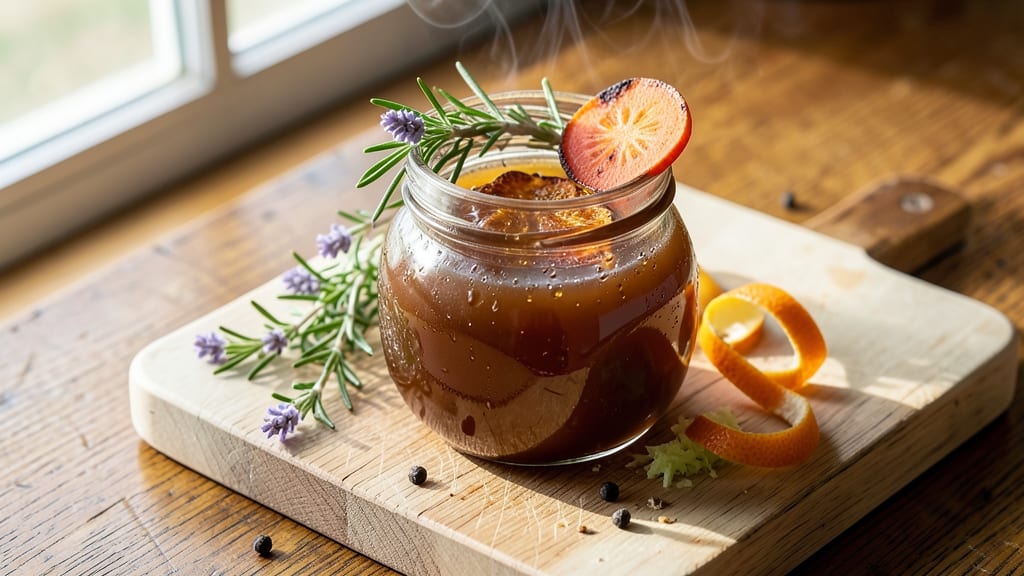
This carrot syrup recipe transforms humble carrots into a vibrant, naturally sweet glaze that elevates everything from roasted vegetables to desserts. Standing on a step stool in my grandmother’s Sicilian kitchen, I first learned how to extract sweetness from simple ingredients—this syrup is that same philosophy in a bottle.
The process is straightforward: simmer carrots with water until tender, then strain and reduce the liquid into a concentrated, golden syrup.
The beauty of homemade carrot syrup lies in its versatility and health benefits. Unlike store-bought glaze, this version is free from artificial additives, packed with natural sweetness from the carrots themselves, and easily customized with spices like cinnamon or ginger.
It’s vegan-friendly when using maple syrup or honey as a sweetener, making it a perfect addition to any pantry. The syrup reduces to a thick, glossy consistency that clings beautifully to meats, vegetables, or even pancakes.
What you’ll end up with is a rich, caramel-hued syrup that adds depth and natural sweetness to both savory and sweet dishes. It’s the kind of condiment that makes you appreciate how simple ingredients can create something extraordinary.
Whether drizzled over roasted Brussels sprouts, swirled into yogurt, or used as a glaze for ham, its bright, earthy flavor shines through every time. Here’s how to make it—simple, foolproof, and full of potential.
Store it in the refrigerator for up to two weeks or freeze for longer shelf life, making it a perfect make-ahead sauce for holiday meals or everyday cooking. The possibilities are endless, and once you try homemade, you’ll never go back to store-bought again. Let’s get started!
Ingredients for carrot syrup
Simple ingredients that transform into a golden, aromatic glaze for everything.
| Ingredient | Amount | Notes |
|---|---|---|
| Organic Carrots 🥕 | 2 lbs | Medium-sized, peeled and chopped |
| Water 💧 | 4 cups | Filtered preferred for clarity |
| Maple Syrup 🍯 | ½ cup | Grade B for richer flavor |
| Fresh Ginger Root 🌿 | ½ inch | OR 1 tbsp freshly grated |
| Fresh Ginger Root 🌿 | 1 tbsp | Freshly grated for aroma |
| Orange Zest 🍊 | 1 tbsp | From 1 organic orange |
| Orange Juice 🍊 | ¼ cup | Freshly squeezed |
| Cinnamon Sticks 🌰 | 2 whole | Optional for depth |
| Sea Salt 🧂 | ½ tsp | Diamond Crystal preferred |
| Vanilla Extract 🍃 | ½ tsp | Pure vanilla preferred |
Carrots are the heart of this syrup, so organic or heirloom varieties with deep color work best—they pack more natural sweetness. I always grab organic carrots from Trader Joe's when I can, but regular grocery store carrots work fine if they're firm and vibrant. The ginger? Freshly grated makes all the difference—pre-packaged ginger paste lacks the bright, zesty kick. If you're using a whole root, peel and grate it yourself; otherwise, grab the pre-grated from the produce section. For the maple syrup, Grade B has that caramelized depth that store-bought glazes can't match.
No maple syrup? Agave nectar or coconut sugar works in a pinch, though the flavor won't be identical. Fresh ginger too strong? Reduce to 0.25 tbsp or swap for 0.5 tsp ground ginger (but fresh is worth it). The orange zest and juice can be omitted if you're avoiding citrus, but they add a bright contrast to the earthy carrots. For a spicier version, add a pinch of cayenne or a dash of chili powder. The cinnamon sticks are optional but add warmth—remove them before straining if you prefer a smoother syrup.
This syrup keeps beautifully in the fridge for 2 weeks in an airtight jar. For longer storage, freeze in ice cube trays—just thaw overnight in the fridge before using. The flavor actually improves after a few days as the ingredients meld. I always make a double batch because it disappears fast—drizzled over roasted veggies, swirled into oatmeal, or even used as a glaze for tofu. The possibilities are endless, and once you taste homemade, you'll never go back to store-bought again.
Why You'll Love This Recipe
- Five-Ingredient Magic: I swear by this—just carrots, water, maple syrup, and a thumb-sized ginger slice. That’s it. No fancy gadgets, no measuring cups (eyeball it), and the whole thing simmers down in one pot while you stir in your favorite podcast.
- Sweet-Spicy Kick: The ginger gives it this unexpected warmth that makes it way more than just syrup—it’s like a hug for your taste buds. Drizzle it over pancakes, and suddenly breakfast feels like a cozy autumn morning.
- Pantry Stash Gold: Between us, this stuff lasts forever in the fridge. I keep a jar in my pantry for when I forget to make a fresh batch, and it’s still delicious months later. (Yes, even on a Tuesday night.)
- Budget Sweetener: Maple syrup and carrots are cheap, but this tastes like a gourmet treat. I make big batches for holiday gifts—people think I’m some fancy chef, but honestly, it’s just smart shopping.
Step-by-step instructions for carrot syrup recipe
Here's how to craft a vibrant, naturally sweet carrot syrup that's perfect for drizzling over pancakes, yogurt, or even glaze for roasted meats.
Prepare and Simmer the Carrot Base
In a medium saucepan, combine the 2 lbs of chopped organic carrots with the 4 cups of water. Bring to a gentle boil over medium-high heat, then immediately reduce to a steady simmer. Let it cook uncovered for about 20 minutes, stirring occasionally. You'll notice the carrots begin to soften and release their natural sweetness into the liquid.
After 20 minutes, use a potato masher or wooden spoon to break down the carrots into a rough purée. This helps release more of their sweetness and thickens the syrup as it cooks. Keep the mixture simmering gently—you're looking for a reduction that intensifies the carrot flavor without burning.
Add Aromatics and Sweeteners
Peel the 0.5-inch fresh ginger root and slice it thinly, then add it along with the 1 tablespoon of freshly grated ginger root to the simmering carrot mixture. Stir in the 0.5 cup of maple syrup, 1 tablespoon of orange zest, and 2 whole cinnamon sticks. Let everything simmer together for another 15 minutes. The spices will infuse beautifully, creating layers of warm, citrusy complexity.
After 15 minutes, carefully remove the cinnamon sticks with tongs. Add the 0.25 cup of freshly squeezed orange juice and the 0.5 teaspoon of sea salt. The orange juice brightens the syrup, while the salt enhances all the natural sweetness. Taste the mixture now—it should be rich and fragrant, with a perfect balance of carrot sweetness and spicy warmth.
Reduce to Syrup Consistency
Continue simmering the mixture uncovered for 30 to 45 minutes, stirring occasionally. As it reduces, the syrup will darken slightly and thicken. You're aiming for a consistency that coats the back of a spoon but still flows freely when drizzled. The longer it simmers, the more concentrated and intense the flavor becomes.
To test for doneness, take a small spoonful and let it cool slightly. If it coats your spoon with a glossy sheen but still drizzles easily, it's ready. If it's too thick, return it to the heat for another 5 minutes. If it's too thin, you can always reduce it further later—this syrup only gets better with time.
Finish and Store
Once the syrup reaches your desired consistency, remove it from the heat and let it cool for 5 minutes. Stir in the 0.5 teaspoon of pure vanilla extract. The vanilla adds a subtle depth that rounds out all the other flavors. Let the syrup cool completely, then transfer it to a clean glass jar or bottle with a tight-sealing lid.
This homemade carrot syrup will keep in the refrigerator for up to 2 weeks or can be frozen for longer storage. The flavors only deepen over time, making it even more versatile for drizzling, baking, or as a natural sweetener in both sweet and savory dishes.
Pro Tips For Making Carrot Syrup
- Simmer Low and Slow: I learned this the hard way—carrot syrup burns faster than you’d think. Keep the heat at a gentle simmer (just small bubbles breaking the surface) and stir every 5-7 minutes. Rushing it turns your golden syrup into bitter sludge, and nobody wants that.
- Peel and Chop Evenly: Uneven carrot pieces mean uneven cooking—some turn to mush, others stay hard. Cut them into ¼-inch thick rounds or small cubes so they soften consistently. Skip the peeling if you’re using organic carrots, but at least chop them uniformly.
- Balance the Ginger: Too much fresh ginger overpowers the sweetness; too little makes it feel flat. Start with 1 teaspoon grated ginger per cup of liquid, then taste as you go. If you’re unsure, add it in stages—you can’t take it out later.
- Strain for Smoothness: I used to leave the ginger and carrot bits in, thinking they’d add texture. They don’t—they just make your syrup gritty. Strain through a fine-mesh sieve or cheesecloth into a clean jar. It’s worth the extra 30 seconds of effort.
Best sauces and condiments for this dish
Sweet Glazes
Use this carrot syrup as a glaze for roasted vegetables—toss Brussels sprouts, carrots, or sweet potatoes in 1 tbsp olive oil, roast at 400°F for 20 minutes, then drizzle with warmed syrup.
The natural sweetness caramelizes beautifully, creating a glossy finish. For extra depth, add 1 tsp soy sauce to the syrup before glazing. 🍠
Dessert Drizzles
Elevate desserts by drizzling over vanilla yogurt or oatmeal—the warm spices complement the creamy texture perfectly. I love adding ½ tsp cinnamon to the syrup before drizzling over pancakes or warm waffles.
For a festive touch, swirl into ice cream or cheesecake before serving. The bright orange notes cut through rich flavors.
Savory Marinades
Marinate tofu or chicken in ¼ cup carrot syrup, 1 tbsp soy sauce, and 1 tsp garlic powder for 30 minutes before grilling. The syrup adds a sticky, caramelized crust that balances savory flavors.
For pork, reduce the syrup with 1 tbsp balsamic vinegar for a tangy-sweet glaze. 🍗
Cocktail Syrups
Shake 1 oz carrot syrup with 2 oz vodka, ½ oz fresh lime juice, and ice> for a bright, citrusy cocktail. Strain into a glass with soda water for a carrot-ginger spritzer.
The natural sweetness reduces the need for added sugar, making it a healthier bar option. Garnish with an orange twist for extra flair.
Baking Enhancer
Replace ½ the sugar> in muffins or quick breads with carrot syrup for moisture and depth. The syrup keeps baked goods tender while adding a subtle carrot aroma.
I love using it in zucchini bread or banana pancakes—the spices in the syrup complement the fruit beautifully. Store-bought syrups can’t compare to this homemade version! 🍞
Breakfast Booster
Stir 1 tbsp carrot syrup> into Greek yogurt or chia pudding for a naturally sweet, spiced breakfast. The ginger and cinnamon wake up your morning routine.
For extra protein, top with granola or toasted nuts. It’s a healthier alternative to store-bought flavored yogurts, and you control the sweetness level. 🥣
Nutrition facts
Frequently asked questions
Can I use regular sugar instead of maple syrup?
You can substitute ½ cup granulated sugar for the maple syrup, but the flavor will be less complex. For best results, use honey or coconut sugar to maintain the syrup's natural depth. If using sugar, add 1 extra tablespoon of water to prevent burning during reduction.
How do I know when the carrot syrup is done?
Test for doneness by spooning a small amount onto a chilled plate. If it coats the back of the spoon with a glossy sheen but still drizzles easily, it's ready. The syrup should reduce to about 1 cup total from the original 4 cups of liquid—this takes 45-60 minutes of simmering.
Can I make this syrup without fresh ginger?
Yes! Use ½ teaspoon ground ginger instead of fresh, but the flavor won't be as bright. For a ginger-free version, add ½ teaspoon cardamom or ¼ teaspoon cloves for warmth. The orange zest and cinnamon will still provide plenty of flavor without fresh ginger.
Will this syrup work for vegan diets?
Absolutely—just swap honey for maple syrup, agave nectar, or coconut sugar. The original recipe uses maple syrup, which is naturally vegan. All other ingredients (carrots, ginger, citrus) are plant-based, making this a perfect vegan-friendly sweetener for both savory and sweet dishes.
Can I make carrot syrup without straining?
You can try, but the texture will be thicker and more pulpy. For a smooth syrup, strain through a fine-mesh sieve after simmering. If you skip straining, blend the cooked carrots first, then strain the liquid. The result will be slightly cloudy but still delicious for drizzling or baking.