
Desserts
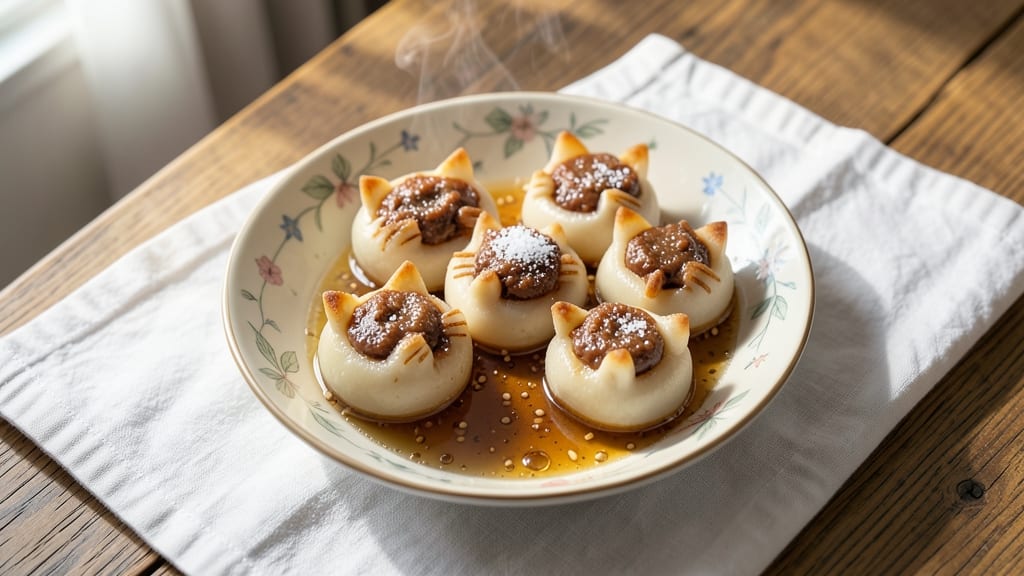
This cat tang yuan recipe brings the delicate sweetness of Chinese tea culture straight to your kitchen table. Standing on a step stool in my grandmother’s kitchen in Sicily, I never imagined I’d master these silky rice balls—but the moment I bit into my first golden-edged version, I was hooked.
The contrast between the crispy exterior and the soft, fragrant center is pure magic, and the tea broth ties it all together like a warm hug.
What makes these special is the balance of textures and flavors—crispy edges from a quick sear, tender centers from glutinous rice flour, and a sweet-sesame filling that melts in your mouth.
The tea broth (osmanthus, lotus, or jasmine) infuses each bite with floral aroma, making every spoonful feel like a little celebration. It’s the kind of dessert that transforms a simple meal into something memorable.
You’ll start with a simple dough that comes together in minutes, then shape it into perfect little balls before boiling them until they’re golden and irresistible. The sesame filling adds richness without overpowering, while the tea broth keeps everything light and refreshing.
It’s the perfect way to end a meal—or impress guests with a taste of Chinese tradition.
Serve these with a steaming cup of tea for the full experience, or let them cool slightly for easier handling. Trust me, once you try them, you’ll want to make them again and again. Let’s get started!
Ingredients for cat tang yuan
Just nine ingredients transform into delicate, golden-edged cat tang yuan with crispy exteriors and silky centers.
| Ingredient | Amount | Notes |
|---|---|---|
| Glutinous Rice Flour 🍚 | 2 cups | Also called sweet rice flour |
| White Sugar 🍬 | ½ cup | Granulated, for dough |
| Water 💧 | 1 ½ cups | Room temperature preferred |
| Sesame Paste 🥜 | ½ cup | White or black sesame |
| White Sugar 🍬 | ¼ cup | For filling, extra-fine preferred |
| Vegetable Oil 🫒 | 2 tbsp | For shaping, neutral flavor |
| Osmanthus Tea Leaves 🍵 | 2 tbsp | Or jasmine/lotus tea bags |
| Water 💧 | 4 cups | For tea broth |
| White Sugar 🍬 | ½ cup | For tea broth, adjust to taste |
| Vegetable Oil 🫒 | ¼ cup | For frying, light oil preferred |
| Salt 🧂 | ½ tsp | Fine sea salt |
The glutinous rice flour is non-negotiable here—it’s what gives those silky centers their signature texture. Bob’s Red Mill or Asian grocery stores carry it in bulk, and trust me, you’ll want extra for next time. If you can’t find it, mochiko flour works too. Sesame paste is the star of the filling, so grab the white sesame for a milder taste or black sesame if you want deeper flavor. Trader Joe’s has a great pre-made version, but if you’re feeling ambitious, toast whole sesame seeds in a dry pan until fragrant, then grind them into a paste with sugar—game changer. The tea leaves? Osmanthus is traditional, but jasmine or lotus bags from World Market work perfectly too.
No sesame paste? Toasted sesame seeds blended with sugar does the trick—just pulse them in a food processor until it’s smooth. Running short on time? Peanut butter plus powdered sugar mimics the richness, though it’s not quite the same. The tea broth can be made with loose leaves or bags—just steep them in boiling water for 5 minutes (longer for stronger flavor). If you’ve got leftover tea, use that instead of water for extra depth. For the dough, room-temperature water helps it come together smoothly, but cold water in a pinch works too. Just knead it a bit longer.
These keep for 3 days in the fridge, but honestly, they’re best fresh. If you’re making ahead, store the dough and filling separately—combine them just before boiling. The tea broth can be made a day ahead and reheated gently. For the crispy edges, work in batches—don’t overcrowd the pot. Once cooled, they’ll hold for 2 days at room temperature, but the texture softens slightly. Freeze them in a single layer before transferring to a bag for 1 month—just thaw in the fridge and reheat in the broth.
Why You'll Love This Recipe
- No Fuss, No Mess: I swear by this recipe because it’s just three bowls—flour, water, sugar—and a little sesame paste for magic. No rolling, no fiddly dough, no stress. The dough comes together smoother than store-bought, and the only tool you’ll need is your hands.
- Sweet-Sesame Magic: That first bite? Chewy outside, pillowy inside, with a whisper of toasted sesame that sticks to your ribs. Honestly, the sugar filling melts just enough to make it feel like dessert, but it’s breakfast-level satisfying. (Yes, even on a Tuesday night.)
- Leftover Goldmine: These keep beautifully—fridge for a week or freezer for months. Reheat in a steamer or microwave, and they’re just as good the second time. I make a big batch on Sundays and hand them out like edible hugs all week.
- Budget-Friendly Luxury: Glutinous rice flour and sugar are cheap staples, and sesame paste adds that premium touch without breaking the bank. It’s the kind of treat that feels special but won’t drain your wallet—perfect for gifting, potlucks, or just because.
Step-by-step instructions for silky sesame-filled balls
Here's how to create these delicate, golden-edged treats with perfect texture every time.
Prepare the Sesame Filling
In a small bowl, combine the 0.5 cup sesame paste and 0.25 cup white sugar. Mix thoroughly until smooth and well blended. The paste should look like a thick, creamy spread with no visible lumps. This filling will give your tang yuan their signature nutty flavor and rich texture.
Set the mixture aside while you prepare the dough. The sesame paste needs to stay at room temperature for easier shaping later. If it feels too firm, let it sit for 5 minutes while you work on the dough components.
Make the Glutinous Rice Dough
In a large mixing bowl, combine the 2 cups glutinous rice flour and 0.5 tsp salt. Add the 1.5 cups water gradually while stirring with chopsticks or a fork. You'll notice the mixture becomes sticky and forms a thick paste.
Once fully incorporated, cover the bowl with plastic wrap and let it rest for 20 minutes. This resting period allows the flour to fully hydrate and develop elasticity. You'll see the dough become smoother and more pliable during this time.
Shape the Tang Yuan
After resting, add 2 tbsp vegetable oil to the dough and knead gently for 2-3 minutes until fully combined. The oil helps create that beautiful golden crust when fried. Divide the dough into 16 equal portions (about 1 ounce each) and roll each portion into a ball.
Using your thumb, create an indentation in the center of each ball. Fill the cavity with about 1 teaspoon of the sesame mixture, then carefully seal the opening by pinching the edges together. You want smooth, round balls with no visible seams.
Prepare the Osmanthus Tea Broth
In a small saucepan, combine the 4 cups water and 0.5 cup white sugar. Bring to a gentle boil, then remove from heat and add the 2 tbsp osmanthus tea leaves. Let it steep for 10 minutes, then strain out the leaves. The broth should be fragrant and lightly sweetened - this will be the perfect accompaniment to your fried balls.
Keep the broth warm in the saucepan while you prepare the frying. The aroma of the osmanthus will infuse your kitchen with a delicate floral scent that pairs perfectly with the sesame filling.
Fry to Golden Perfection
Heat the 0.25 cup vegetable oil in a deep skillet or wok over medium heat until it reaches 350°F. Carefully add 4-5 tang yuan balls at a time, being mindful of splatter. Fry for 2-3 minutes until they turn a beautiful golden brown color.
Remove the fried balls with a slotted spoon and drain on paper towels. They should have a delicate crispness on the outside while remaining soft and chewy inside. Serve immediately with the warm osmanthus tea broth for dipping.
Pro Tips For Making Cat Tang Yuan
- Chill the Dough First: After mixing your glutinous rice flour, sugar, and water into a dough, pop it in the fridge for 30 minutes—even if the recipe skips this. I learned this the hard way when my first batch of cat tang yuan turned out sticky and impossible to shape. Cold dough handles better and rolls out cleaner, so don’t rush it.
- Use Lukewarm Water: The water for your dough should be just warm enough to touch without burning—around 80°F (27°C). Too hot and you’ll kill the gluten; too cold and the dough won’t bind properly. I was skeptical until I tried it, and now my tang yuan hold their shape like pros.
- Boil in Small Batches: Overcrowding the pot will make your cat tang yuan sink like stones. Keep the water at a gentle simmer and drop them in with space—about 2 inches apart. If they float too fast, lower the heat slightly. I used to ignore this and ended up with a pot of dumplings that looked like they’d been dropped in cement.
- Brush with Sesame Paste: Don’t just drizzle the sesame paste on top—use a small brush or your fingers to spread it evenly over the warm dumplings. This ensures every bite gets that nutty, fragrant flavor. I skip this when I’m lazy, but the dish is noticeably better when I don’t. (Your future self will thank you.)
Regional styles of cat tang yuan
Southern Chinese Style
In Cantonese cuisine, these are often called tang yuan and served during the Lantern Festival—a celebration marking the end of winter. The dough here is slightly thicker, and the filling is often red bean paste instead of sesame, symbolizing good fortune.
I’ve seen versions where the broth is infused with ginger and orange peel for a zesty twist, balancing the sweetness. For a true Cantonese touch, add a pinch of star anise to the tea broth while steeping. 🌟
Northern Chinese Adaptation
Up north, the texture leans toward steamed rather than fried, creating a lighter, almost jelly-like center. The filling is frequently walnut or peanut, and the tea broth might include jasmine or chrysanthemum flowers for a floral aroma.
I once tried a version from Beijing where the dough was rolled in crushed peanuts before steaming—it added a delightful crunch. Skip the frying step entirely and steam for 15-18 minutes in a bamboo steamer lined with banana leaves for authenticity. ⚡
Taiwanese Sesame Twist
Taiwanese chefs often elevate the sesame filling with a touch of black sesame mixed into the white, creating a deeper, nuttier flavor. The broth here is sometimes sweetened with rock sugar and spiked with a hint of soy sauce for umami depth.
For a Taiwanese-inspired version, replace the osmanthus tea with earl grey tea bags—the bergamot notes add a refreshing contrast. Serve with a sprinkle of toasted sesame seeds on top for extra texture. 💛
Modern Fusion Variations
Looking to shake things up? Try swapping the sesame filling for matcha white chocolate or lychee jam—both pair beautifully with the floral tea broth. I’ve also seen versions where the dough is tinted pink with butterfly pea flower tea for a vibrant presentation.
For a savory twist (yes, it works!), use soy sauce and sesame oil in the broth instead of sugar, then serve with a side of pickled ginger. The contrast is surprisingly addictive. 🌶️
Seasonal Adaptations
Summer calls for a light, citrus-infused broth—steep the tea with lemon peel and mint for a refreshing twist. In winter, warm the broth with cinnamon sticks and cloves for a cozy, spiced version.
For autumn, I love adding pumpkin puree to the dough and filling it with spiced walnut paste—it’s like a hug in dessert form. Adjust the sugar in the broth to complement seasonal flavors. 🍂
Nutrition facts
Frequently asked questions
Why do cat tang yuan need to rest before frying?
The 20-minute rest helps the glutinous rice flour fully hydrate, making the dough more elastic and easier to shape. This prevents cracking during frying and ensures those perfect golden edges. Think of it like kneading bread—patience pays off!
Can I make cat tang yuan without sesame paste?
Try blending ½ cup toasted sesame seeds with ¼ cup sugar until smooth, or use peanut butter plus powdered sugar for a quicker swap. The key is balancing sweetness and nutty flavor—adjust to taste.
How do I fix dough that's too sticky?
Add 1-2 tablespoons more glutinous rice flour gradually while kneading—just enough to make it workable. If it cracks when shaping, let it rest 5 more minutes or chill for 10 minutes in the fridge. The oil in the dough also helps bind it!
What's the best tea for cat tang yuan broth?
Osmanthus is traditional, but jasmine or lotus tea bags work perfectly. For a modern twist, try earl grey or even green tea with a splash of orange blossom water. The broth should be fragrant but not overpowering—adjust sweetness to taste.
Can I steam instead of fry these?
Yes! For a lighter texture, steam in a bamboo basket lined with banana leaves for 15-18 minutes until translucent. Skip the oil in the dough and use a red bean or lotus paste filling for authenticity. Northern Chinese versions often use this method.