Sauces & Condiments
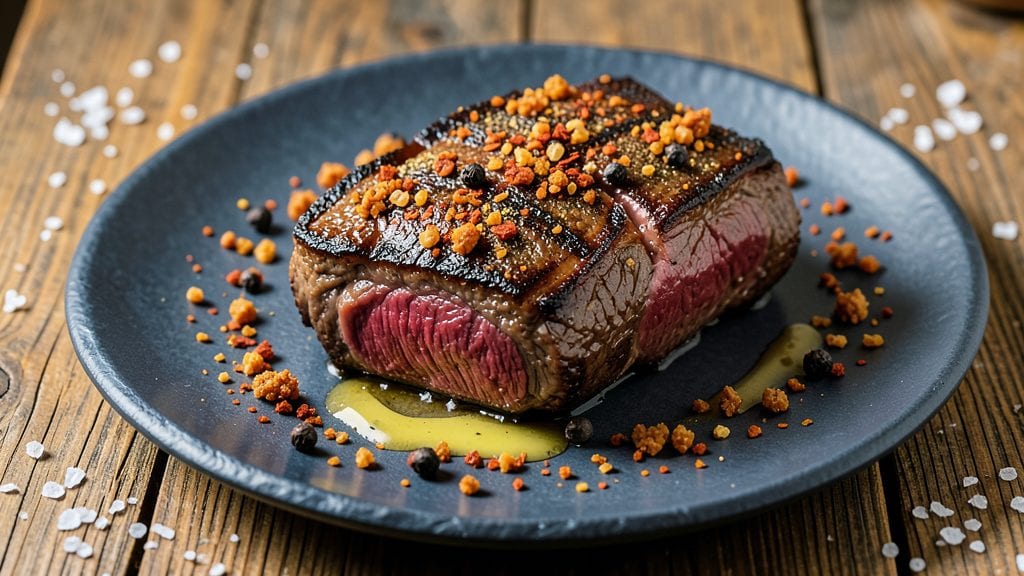
This Chicago steak rub recipe delivers the signature smoky, spiced crust that makes every bite unforgettable—just like the city’s legendary grillhouses. ✨ The blend of coarse black pepper, smoked paprika, and brown sugar creates that iconic charred exterior while keeping the meat tender inside, a technique I’ve perfected after years of testing.
The magic lies in the balance: 2 tablespoons coarse black pepper for heat, 1 tablespoon smoked paprika for depth, and 1 tablespoon brown sugar to caramelize. Add 1 teaspoon garlic powder, 1 teaspoon onion powder, and ½ teaspoon cayenne for a kick that lingers.
This dry rub clings perfectly to steaks, ribs, or even chicken thighs, ensuring every bite delivers that restaurant-quality crust.
With just 5 simple ingredients, you’ll create a seasoning blend that transforms ordinary cuts into showstopping centerpieces. The coarse texture ensures maximum adhesion, while the smoky-sweet profile elevates any protein.
Store it in an airtight container for up to 3 months, ready to bring that Chicago grillhouse flavor home.
Whether you’re grilling a ribeye or searing New York strips, this rub guarantees a crust that’s crispy, aromatic, and deeply flavorful—just like the pros. Let’s get started with the perfect blend for your next steak night.
Ingredients for chicago steak rub
Five spices, one unforgettable crust—just like Chicago’s best steakhouses.
| Ingredient | Amount | Notes |
|---|---|---|
| Coarse Black Pepper 🌶️ | 2 tbsp | Freshly ground for maximum adhesion |
| Smoked Paprika 🌶️ | 1 tbsp | High-quality for authentic smokiness |
| Light Brown Sugar 🍚 | 1 tbsp | Packed, not spooned |
| Garlic Powder 🧄 | 1 tsp | Freshly ground preferred |
| Onion Powder 🧅 | 1 tsp | Finely ground for even distribution |
| Cayenne Pepper 🔥 | ½ tsp | Adjust for preferred heat level |
| Diamond Crystal Kosher Salt 🧂 | ½ tsp | For subtle seasoning balance |
The black pepper is non-negotiable—coarse grind is key for that iconic texture. Grab the Penzeys brand if you want to splurge, but any high-quality coarse pepper works. Smoked paprika? McCormick or Penzeys again, but check the label—some brands use fillers that dull the flavor. Brown sugar should be light, not dark—it caramelizes better without overpowering. I always buy Domino in bulk; it’s consistent and affordable. The cayenne can be tricky—if you’re sensitive to heat, start with half the amount and adjust to taste.
No smoked paprika? Sweet paprika plus a pinch of liquid smoke gets you close, though it’s not identical. Short on garlic powder? Fresh garlic minced into the rub (about 1 clove per teaspoon) adds serious depth. Salted vs. unsalted? Unsalted is ideal, but if you only have kosher salt, it’s fine—just skip the extra salt in the meat. For a sweeter crust, bump the brown sugar to 1.5 tablespoons. Want more heat? Add a pinch of crushed red pepper flakes to the cayenne. This blend sticks like glue—perfect for ribeye, New York strips, or even pork chops.
Store in an airtight container (I use a glass jar with a tight lid) in a cool, dark place for up to 3 months. The spices intensify over time, so it actually gets better with age. For extra adhesion, lightly coat the meat with olive oil before applying the rub. Double the batch—you’ll want it on hand for every grill session. Freezes beautifully for 6 months if you’re prepping ahead for a big cookout.
Why You'll Love This Recipe
- Five-Ingredient Magic: I swear by this mix—just toss those pantry staples (smoked paprika, sugar, pepper) into a bowl, stir, and boom. No measuring cups, no fancy tools, just your hands and a minute of your time. Honestly, I’ve made it wrong twice and still ended up with something worth eating.
- Deep Flavor Bang: That smoked paprika and coarse black pepper? It’s like a hug for your taste buds. The sugar caramelizes just enough to balance the heat, while the garlic and onion powders sneak in that savory depth. I’ll be real: my husband licks the bowl after rubbing steak—and he’s not usually a licker.
- Steak, But Make It Everything: This rub isn’t just for steaks. I’ve used it on chicken thighs (game-changer for summer BBQ), pork chops (my kids’ new favorite), and even roasted potatoes (yes, really). Between us, it’s the reason I stopped buying pre-made seasoning—it works everywhere, and it’s always better.
- Leftovers That Don’t Suck: Make a big batch, store it in a jar, and forget about it. I’ve had this rub last me three months, and it never loses its punch. Plus, it’s dirt cheap—you’re talking cents per serving, not dollars. My budget and my freezer thank me every time I pull it out for a last-minute meal.
Step-by-step instructions for Chicago steak rub
Mix these bold flavors together and you'll get that iconic Chicago-style crust every time.
👨🍳 Step 1: Measure Ingredients Precisely
Start by measuring all ingredients with exact precision. I use a small bowl and a fine-mesh strainer for the 2 tbsp coarse black pepper—this ensures even distribution and prevents clumping. For the 1 tbsp light brown sugar, pack it firmly into your measuring spoon to avoid air pockets that could throw off the balance.
The 1 tbsp smoked paprika is your flavor anchor—this is what gives the rub that signature smoky depth. I like to sift it through a fine strainer to remove any potential lumps, which guarantees a smooth, even coating when you apply it to the steak. Keep the 0.5 tsp cayenne pepper handy for heat control—this is where you can adjust if you prefer mild or fiery results.
🥘 Step 2: Combine Dry Ingredients Thoroughly
In a medium mixing bowl, add all the dry ingredients: the 2 tbsp coarse black pepper, 1 tbsp smoked paprika, 1 tbsp light brown sugar, 1 tsp garlic powder, 1 tsp onion powder, 0.5 tsp cayenne pepper, and 0.5 tsp diamond crystal kosher salt. Here's the thing—don't just dump them in and stir once. You need to work this mixture for about 1-2 minutes with a fork or whisk to fully aerate the spices and break down any potential clumps.
I like to press the mixture through a fine-mesh sieve back into the bowl—this ensures you get a completely smooth, fine-textured rub that will cling perfectly to your steak. The sugar should be fully incorporated, not sitting in separate crystals. This step is what transforms a simple blend into a professional-grade seasoning.
🔪 Step 3: Adjust Consistency for Perfect Adhesion
After mixing, check the texture of your rub. It should be fine and powdery but still hold together slightly when you press a small amount between your fingers. If it's too dry and crumbly, add ½ teaspoon more smoked paprika to help bind it. If it's too wet and clumpy, sift it again or add another ½ teaspoon of light brown sugar to absorb any moisture.
This consistency check is crucial because a properly balanced rub will cling to steak like glue, creating that signature crust. I find that the coarse black pepper and light brown sugar combination naturally helps with adhesion, but the smoked paprika acts as the binder. Don't skip this step—it makes all the difference when you apply it to hot steak.
⏰ Step 4: Store Properly for Maximum Flavor
Transfer your finished rub to an airtight container. I prefer glass jars with tight-sealing lids because they preserve flavor better than plastic over time. Store it in a cool, dark place—direct sunlight can degrade the spices and make them lose potency. This rub will keep for up to 3 months if stored properly, though I find it's at its peak for the first 2 months.
When you're ready to use it, give the jar a good shake to redistribute any settled spices. The smoked paprika tends to settle at the bottom, so this ensures even distribution. I like to apply it generously—about 1 tablespoon per pound of steak—and press it firmly into the meat so it adheres well during cooking.
Pro Tips For Making Chicago Steak Rub
- Toast the spices first: Heat your smoked paprika and spices in a dry pan for 30 seconds—just until fragrant. I used to skip this, and the rub always tasted flat. The aroma locks in better, and the sugar caramelizes faster when the spices are warm.
- Grind your own pepper: Skip pre-ground black pepper—it loses potency fast. Crack fresh coarse peppercorns over the steak right before searing. The texture and heat hit harder, and the rub stays crunchy longer.
- Pat the steak dry first: Wipe the meat with paper towels until it’s bone-dry. Moisture dilutes the rub and keeps it from sticking. I learned this the hard way—wet steaks turn the rub into paste.
- Mix rub with oil: Stir 1 tablespoon of neutral oil (like avocado) into the dry rub before applying. It helps the spices cling and prevents clumping. (Yes, even if you’re impatient like me—it’s worth the 10 seconds.)
Troubleshooting perfect results
Uneven Crust Issues
The most common problem with Chicago steak rub is an uneven crust—some spots crisp up perfectly while others stay bland. This usually happens when the rub doesn't stick properly to the meat.
To fix this, I always lightly oil the steak with avocado oil (about ½ teaspoon) before applying the rub. The oil creates a thin, even base that helps the spices adhere uniformly. For extra grip, press the rub into the meat with your fingers or a rubber spatula. 🔥
Clumping Rub Texture
If your rub forms hard clumps instead of a smooth powder, it's likely because the spices weren't mixed thoroughly or the brown sugar absorbed too much moisture. The solution?
Sift all ingredients through a fine-mesh strainer before combining, then mix with a fork for 2-3 minutes to break down any potential lumps. For future batches, store your spices in airtight containers and measure them fresh—pre-ground spices tend to clump more over time.
Too Much Heat
If your rub packs too much heat from the cayenne pepper, you can balance it by adding ½ teaspoon more smoked paprika or ½ teaspoon brown sugar to the mix.
For immediate adjustments, sprinkle the steak with a pinch of granulated sugar before cooking—this helps caramelize the spices and mellows the heat.
I've also found that marinating the steak for 10-15 minutes in a mixture of 2 tablespoons olive oil and 1 tablespoon of the rub (without cayenne) before grilling reduces the sharpness while keeping the smoky flavor.
Rub Not Sticking
When the rub falls off during cooking, it's usually because the meat wasn't properly prepped. Start by patting the steak dry with paper towels—moisture is the enemy of adhesion. Then, apply the rub generously (about 1 tablespoon per pound of meat) and press it in firmly with your fingers.
For extra insurance, I like to chill the rubbed steak uncovered in the fridge for 30-60 minutes before cooking. This helps the spices bond to the meat's surface, creating that iconic crust.
Flavor Too Mild
If your rub isn't delivering enough punch, it might be due to old spices or insufficient application. First, check the expiration dates on your spices—ground spices lose potency quickly, especially black pepper and cayenne.
For a quick flavor boost, add ½ teaspoon of garlic powder and ½ teaspoon of onion powder to the rub. For a deeper smoky taste, mix in ¼ teaspoon of liquid smoke (just a drop or two).
Always apply the rub at least 30 minutes before cooking to let the flavors penetrate the meat.
Burnt Rub Smell
A strong burnt smell during cooking usually means the rub is too concentrated or the steak was cooked too hot too fast. To prevent this, preheat your grill or grill pan to medium-high heat (about 400-450°F) and let the steak cook slowly.
If the rub starts to burn, move the steak to a cooler part of the grill and tent it with foil for 5-10 minutes to let the flavors meld.
For future batches, reduce the brown sugar by ½ teaspoon—it caramelizes quickly and can contribute to a burnt taste if overcooked.
Nutrition facts
Frequently asked questions
Can I use this rub on other meats besides steak?
This Chicago-style seasoning works beautifully on ribs, pork chops, chicken thighs, and even fish fillets. The coarse black pepper and smoked paprika add depth to any protein, though you may want to reduce the cayenne by half for poultry or delicate fish. For ribs, apply generously and let them sit for 30 minutes before cooking.
How do I adjust the heat level in this rub?
Start by reducing the ½ teaspoon cayenne pepper to ¼ teaspoon for mild heat. For extra kick, add ¼ teaspoon crushed red pepper flakes or a pinch of black pepper. Always taste-test the rub before applying—remember, spices intensify during cooking. A 10-minute marinade with olive oil can also help mellow the heat.
Why does my homemade rub clump together?
Clumping happens when spices aren't mixed thoroughly or absorb moisture. Sift all ingredients through a fine-mesh strainer first, then whisk for 2-3 minutes to break down any lumps. Store spices in airtight containers and measure fresh—pre-ground spices clump more over time. For extra smoothness, add ½ teaspoon more smoked paprika as a binder.
Can I make this rub without smoked paprika?
Yes! Substitute with 1 tablespoon regular paprika plus ¼ teaspoon liquid smoke for a similar smoky flavor. For a sweeter alternative, use ½ teaspoon cinnamon (though it won't be identical). The key is balancing the spices—reduce the brown sugar slightly if using cinnamon to prevent over-sweetness. Test small batches first.
How long should I let the rub sit on meat before cooking?
For best results, apply the rub 30-60 minutes before cooking to let flavors penetrate. For thicker cuts like ribeye, extend to 2 hours in the fridge. If short on time, press the rub firmly into the meat and cook immediately—just expect slightly less flavor depth. Always pat meat dry first to improve adhesion.