
Main Courses
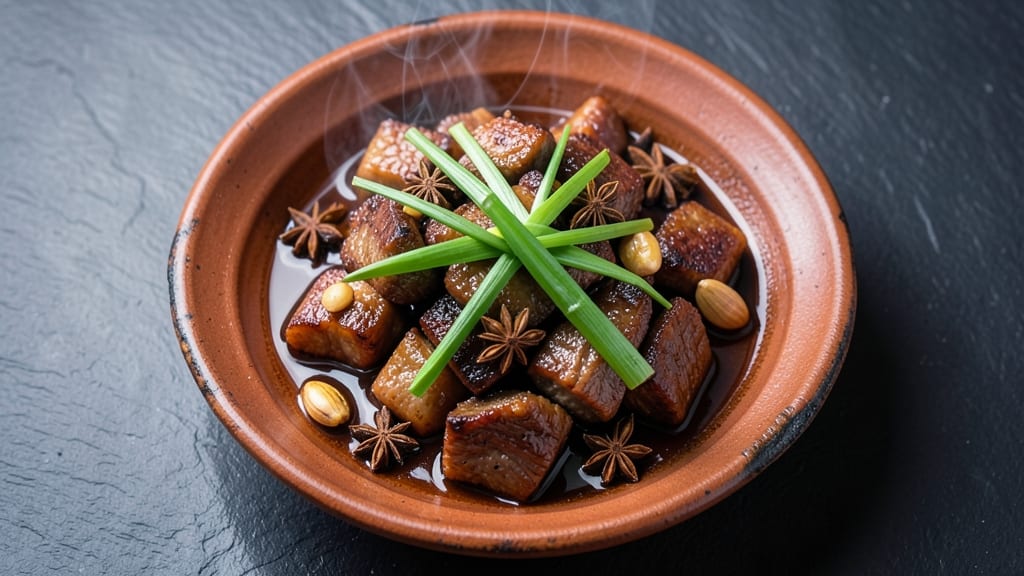
Transforming tough cuts of beef brisket and tendon into silky, melt-in-your-mouth perfection requires patience and precision—a hallmark of traditional Chinese braising techniques. This recipe delivers restaurant-quality results by leveraging collagen-rich connective tissue, which dissolves into a velvety gelée that coats every bite.
The process begins with proper marinating and slow cooking, ensuring the meat becomes tender without losing its natural depth of flavor.
What sets this dish apart is the balance of sweet, savory, and umami flavors, achieved through a carefully crafted sauce that includes soy sauce, Shaoxing wine, and star anise. The braising method transforms tough brisket and tendon into succulent, fork-tender pieces that practically dissolve in your mouth.
Each step—from marinating to stir-frying—builds layers of flavor that make this dish unforgettable.
The result is a dish that’s rich, aromatic, and deeply satisfying, with a glossy sauce that clings to the meat like a second skin. The collagen gelée adds an extra dimension of richness, making every bite worth savoring.
Whether served with steamed rice or egg noodles, this recipe is designed to impress even the most discerning palates.
Ready in about 3 hours of active cooking time (plus marinating), this dish is ideal for special occasions or when you want to showcase your culinary skills.
The key is attention to detail—slow cooking and proper seasoning—so let’s get started on creating a dish that’s as rewarding to make as it is to eat.
Ingredients for chinese beef brisket and tendon
Tough cuts transformed into melt-in-your-mouth perfection with just fifteen ingredients.
| Ingredient | Amount | Notes |
|---|---|---|
| Beef Brisket 🥩 | 2 lb | Tough cut with connective tissue |
| Beef Tendon 🥩 | 1 lb | Cut into 1-inch chunks |
| Shaoxing Wine 🍷 | ½ cup | Dry Chinese cooking wine |
| Light Soy Sauce 🥫 | ½ cup | High-quality, preferably Japanese |
| Dark Soy Sauce 🥫 | ¼ cup | For color depth |
| Brown Sugar 🍚 | ½ cup | Packed, light brown preferred |
| Star Anise 🌟 | 4 whole | Whole pods, not ground |
| Fresh Ginger 🧡 | 2 oz | Peeled, julienned matchsticks |
| Garlic Cloves 🧄 | 8 cloves | Peeled, smashed slightly |
| Green Onions 🧅 | 1 whole | White and green parts separated |
| Cornstarch 🌾 | 1 tbsp | For thickening sauce |
| Sesame Oil 🫒 | 1 tbsp | Toasted, for finishing |
| Vegetable Oil 🫒 | ½ cup | High smoke point |
| Water 💧 | 2 cups | Filtered preferred |
| Salt 🧂 | 1 ½ tsp | Diamond Crystal preferred |
The beef is everything here—brisket and tendon are non-negotiable for that collagen gelée magic. Costco or Asian markets usually carry pre-cut brisket, but if you're buying whole, ask for the flat cut with good marbling. Tendon can be tricky to find; check the butcher counter or order online. The Shaoxing wine? Trader Joe's has a solid bottle, but if you can't find it, dry sherry works in a pinch. For the ginger, look for fresh, vibrant roots with tight skin—no wrinkles or soft spots. The garlic should be plump and firm, not sprouting.
No Shaoxing wine? Dry sherry or rice wine vinegar adds depth, though it won't be identical. Swapping soy sauces? Use 1/2 light, 1/2 dark for balance. Brown sugar substitutes? Coconut sugar or muscovado work, but regular white sugar will lack the caramel notes. Star anise pods can be hard to find—Penzeys or Asian grocery stores stock them. No fresh ginger? Ground ginger at 1/3 the amount, but fresh is worth the extra minute to peel and julienne. The cornstarch is critical for that glossy finish—don't skip it.
This dish tastes even better the next day, so make extra. Store leftovers in the fridge for 5-6 days, or freeze for 3 months in airtight containers. The sauce thickens as it cools, so add a splash of water if it's too stiff when reheating. For serving, keep the green onions and sesame oil separate until the last minute—fresh aroma matters. Pair with jasmine rice or egg noodles to soak up every last drop of that collagen-rich sauce.
Why You'll Love This Recipe
- One-Pot Magic: I swear by this recipe when I’m too tired to juggle multiple pans. The brisket and tendon simmer together in the same pot—no chopping, no fuss—just a deep, rich sauce that clings to everything like it’s been braising all day.
- Shaoxing Wine Magic: Honestly, that little bottle of Shaoxing wine transforms this dish. It cuts through the richness of the beef while adding this subtle, almost caramel-like depth that makes every bite feel like a little celebration. (Yes, even on a Tuesday night.)
- Leftover Luxury: This recipe actually tastes better the next day. The beef gets even more tender, and the sauce thickens into something almost glaze-like—perfect for quick stir-fries or noodle bowls. I keep a jar in the fridge for lazy lunches.
- Budget Powerhouse: Between us, beef brisket and tendon are cheaper than you’d think, especially when you stretch them across multiple meals. A single pot feeds four, and the leftovers? They’re my go-to for feeding the kids or packing lunches without breaking the bank.
Step-by-step instructions for Chinese beef brisket and tendon
Here's how to transform tough cuts into melt-in-your-mouth perfection with a rich, glossy sauce.
Prepare the Meat and Aromatics
Cut the 2 lb beef brisket into 2-inch chunks and the 1 lb beef tendon into 1-inch pieces. Pat both dry with paper towels—this ensures better browning later. In a small bowl, combine the 4 whole star anise, 2 oz peeled and julienned fresh ginger, and 8 smashed garlic cloves. Set aside for now.
Separate the 1 whole green onion into white and green parts. The whites will go into the braise, while the greens will be saved for garnish. This separation keeps your dish looking professional while maximizing flavor in every bite.
Sear the Meat for Deep Flavor
Heat the 0.5 cup vegetable oil in a heavy-bottomed Dutch oven over medium-high heat until shimmering. Working in batches, add the beef brisket and beef tendon pieces, searing until deeply golden brown on all sides—about 3-4 minutes per batch. Don't crowd the pan, or the temperature will drop and you'll steam instead of sear.
As each batch browns, transfer the meat to a plate. You want that Maillard reaction happening—those golden crusts pack serious flavor. Once all meat is browned, reduce heat to medium and add the star anise-ginger-garlic mixture. Stir for 1 minute until fragrant—this builds the aromatic foundation for your braise.
Build the Braising Liquid
Pour in the 0.5 cup Shaoxing wine and let it simmer for 2 minutes until reduced by half. This step concentrates the alcohol's flavor while preventing a harsh taste. Add the 0.5 cup light soy sauce, 0.25 cup dark soy sauce, and 0.5 cup packed brown sugar, stirring to dissolve the sugar completely.
Bring to a gentle simmer, then add the 2 cups water and 1.5 tsp salt. The liquid should just cover the meat—if it looks too thin, add a splash more water. Return all the meat to the pot, along with the white parts of the green onions. Bring to a full boil, then immediately reduce heat to low, cover, and let it braise.
Braise Until Tender and Glossy
Simmer uncovered for 3 hours, stirring occasionally to prevent sticking. After 2 hours, check the meat—it should be tender but still have some resistance. If the sauce reduces too much, add 1-2 tablespoons water. The key here is patience; the collagen in the tendon will break down into silky gelée that transforms tough meat into luxurious bites.
When the meat is fork-tender and the sauce has thickened to a glossy consistency, it's time to finish. Stir in the 1 tbsp cornstarch mixed with 2 tablespoons water to thicken the sauce further. Simmer for another 2-3 minutes until the sauce coats the back of a spoon. Remove from heat and let it rest for 10 minutes—this allows flavors to meld completely.
Finish and Serve
Drizzle with the 1 tbsp toasted sesame oil and garnish with the reserved green onion greens. The sesame oil adds a nutty aroma that cuts through the richness, while the fresh green onions provide a bright contrast. Serve immediately over steamed rice, letting each bite of tender meat melt in your mouth while the glossy sauce clings to every strand.
This dish tastes even better the next day as the flavors deepen and the collagen fully gelatinizes. Store leftovers in the refrigerator for up to 5 days, or freeze for up to 3 months—just reheat gently with a splash of water to restore that perfect sauce consistency.
Pro Tips For Making Chinese Beef Brisket And Tendon
- Sear Tendon First: Tough beef tendon needs a head start—sear it alone in the wok for 3-4 minutes before adding brisket. I learned this the hard way when my tendons stayed chewy while the brisket turned tender; the high heat breaks down collagen faster on its own.
- Use Dark Soy Early: Stir in dark soy sauce before the brisket hits the wok—it caramelizes faster and gives that glossy, restaurant-worthy color. My grandmother swore by this, and she was right: skipping it means muddy brown sauce instead of deep, sticky shine.
- Don’t Overcrowd the Wok: Toss the brisket in batches if your wok’s too small—crowding steams the meat instead of searing it. After burning three batches, I finally figured out: a hot wok needs space to work its magic, even if it means two rounds.
- Deglaze with Shaoxing: Let the wok cool just enough to deglaze with Shaoxing wine—too hot and it burns; too cool and the alcohol won’t evaporate properly. Sounds weird, but it works: a quick 10-second pause after searing makes all the difference in flavor depth.
Perfect pairings for this chinese beef brisket and tendon
Rice Pairings
Jasmine rice is my go-to pairing for this dish—its delicate floral aroma and slightly sticky texture soak up the rich, glossy sauce beautifully. Cook 1.5 cups of jasmine rice (yielding about 3 cups cooked) in a rice cooker or pot with 2 cups water.
The rice should be tender but still firm enough to hold its shape under the sauce. For extra luxury, use short-grain sushi rice—its higher starch content makes it even more absorbent. 💛
Noodle Complements
Egg noodles or udon add a fun texture contrast to the tender meat. Cook 8 oz dried egg noodles according to package instructions, then rinse under cold water to stop cooking. Toss with 1 tsp sesame oil and a pinch of salt before serving.
For a heartier option, try wide rice noodles (like those used in pad Thai), which hold up better to the rich sauce. The noodles will catch every drop of that collagen-rich gelée.
Vegetable Sides
A simple steamed bok choy or stir-fried gai lan (Chinese broccoli) adds freshness to cut through the richness. Blanch 2 bunches bok choy in boiling water for 1 minute, then shock in ice water.
Toss with 1 tsp toasted sesame oil and a sprinkle of white pepper. For extra color, add 1 cup shredded red cabbage—its crisp texture and mild sweetness balance the dish perfectly.
Dipping Sauces
Serve with a small bowl of hoisin sauce for dipping—its sweet-savory profile complements the beef beautifully. For a spicy kick, mix 2 tbsp hoisin with 1 tsp chili crisp and 1 tsp rice vinegar.
Another great option is a quick ginger-soy dipping sauce: whisk together 2 tbsp soy sauce, 1 tbsp rice vinegar, 1 tsp grated ginger, and 1 tsp honey. The acidity brightens the dish between bites. 🍶
Beverage Pairings
A crisp Chinese green tea, like Longjing or Bi Luo Chun, cleanses your palate between bites. For something more indulgent, try a dry Riesling from Germany—its citrus notes and acidity cut through the richness.
If you prefer beer, a light lager like Tsingtao keeps the meal refreshing without overpowering the flavors. Avoid heavy red wines or dark beers, as they’ll clash with the dish’s delicate balance. ✨
Garnish Finishing Touches
Fresh cilantro leaves or Thai basil add a bright, herbal note when sprinkled on top just before serving. For a smoky touch, finish with a pinch of smoked salt or a drizzle of chili oil.
If you want to impress, top with crispy fried shallots—their crunch contrasts perfectly with the silky meat. These garnishes elevate the dish from home-cooked to restaurant-worthy in seconds.
Nutrition facts
Frequently asked questions
Why does this recipe use both beef brisket AND tendon?
The combination creates a luxurious texture—brisket provides rich beef flavor while tendon breaks down into silky collagen gelée during braising. This dual-texture approach mimics traditional Chinese restaurant versions where the sauce becomes almost custard-like from dissolved connective tissue.
Can I substitute beef brisket with pork belly?
Technically yes, but pork belly has different fat content and flavor. For best results, use 2 lb pork belly cut into 1-inch cubes, but reduce braising time to 2 hours since pork tenderizes faster. The sauce will develop a slightly sweeter profile.
What if my sauce reduces too quickly?
Add 1-2 tablespoons of water or Shaoxing wine in 10-minute increments during braising. The key is patience—the collagen needs time to break down. For extra insurance, stir in 1 tsp cornstarch mixed with 2 tbsp water at the end to thicken.
Is there a quicker version of this recipe?
For a 2-hour version, use 1 lb beef brisket cut into 1-inch pieces, skip the tendon, and pressure cook for 90 minutes on high. Add all sauce ingredients at the start, then finish with 1 tbsp cornstarch slurry. The texture won't be identical but still delicious.
How do I store leftovers to maintain texture?
Cool the dish completely before refrigerating in an airtight container. The sauce will thicken further—add 1-2 tbsp water when reheating. For freezing, portion into single-serving containers for 3 months. Reheat gently on low heat with 1 tbsp water per serving.