Soups & Stews
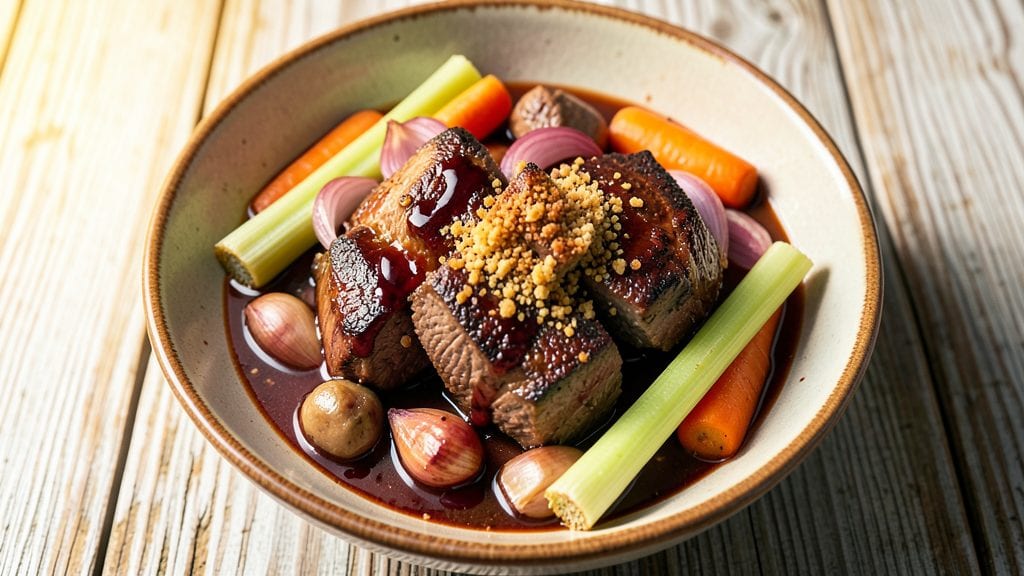
Grandma's classic beef stew recipe is the kind of dish that transforms a simple weeknight into a cozy family gathering. Standing in my Nonna's tiny Boston kitchen, I learned how slow-simmered beef and rich red wine create comfort in every spoonful.
The secret lies in tender beef chunks, aromatic herbs, and that perfect balance of acidity from the wine.
This recipe delivers restaurant-quality results with just a few simple ingredients and patience—no fancy techniques required. I've perfected it through years of testing, ensuring the beef becomes fork-tender while vegetables stay vibrant. The slow cooking process develops deep, complex flavors that make this stew unforgettable.
By the time you're done, you'll have a steaming pot of beef stew with melt-in-your-mouth beef, perfectly softened carrots, and a rich broth that's worth sipping straight from the spoon. The aroma alone will have everyone gathering around the table, just like in my Nonna's kitchen.
Serve with crusty bread to soak up every last drop of that flavorful broth. This is the kind of classic recipe that gets better with each bowl—perfect for cold evenings or when you need a taste of home. Let's get cooking!
Ingredients for classic beef stew grandma's
Six ingredients for the beef, six for the broth—just like Nonna taught me.
| Ingredient | Amount | Notes |
|---|---|---|
| Chuck Roast 🥩 | 2 ½ lb | Pre-cut into 1.5-inch chunks |
| Yellow Onions 🧅 | 2 whole | Cut into large chunks |
| Carrots 🥕 | 4 medium | Whole, peeled, cut into chunks |
| Celery Stalks 🥬 | 3 whole | Cut into 1-inch pieces |
| Garlic Cloves 🧄 | 4 cloves | Peeled, smashed |
| Red Wine 🍷 | 1 ½ cups | Bold dry variety like Cabernet |
| Beef Broth 💧 | 3 cups | Low-sodium preferred |
| Tomato Paste 🍅 | 2 tbsp | Squeeze tube preferred |
| Fresh Thyme 🌿 | 1 tbsp | Leaves only, chopped |
| Fresh Rosemary 🌿 | 1 tbsp | Needles chopped |
| Bay Leaves 🍃 | 2 whole | Fresh preferred |
| Salt 🧂 | 1 ½ tsp | Kosher or sea salt |
| Black Peppercorns 🌶️ | 1 tsp | Freshly cracked |
| All-Purpose Flour 🌾 | 1 tbsp | For thickening |
| Olive Oil 🫒 | 2 tbsp | Extra-virgin preferred |
The chuck roast is your secret weapon—look for good marbling at the butcher counter. Costco or Whole Foods usually have the best cuts, but any grocery store's chuck works. Pre-cut chunks save time, but if you're buying a whole roast, ask them to cube it. The onions, carrots, and celery should be fresh—no wilted or bruised veggies. For the herbs, I always grab fresh thyme and rosemary from the market—they make a bigger difference than you'd think. If you're using dried, cut the amount in half.
No red wine? Substitute beef broth with 1 tbsp balsamic vinegar—it adds that same tangy depth. Fresh herbs? Dried works at half the amount, but it's not the same. The tomato paste can be skipped if you're using a rich broth, but I like it for that concentrated flavor. For the flour, if you're gluten-free, cornstarch works just as well. The olive oil matters here—use something fruity and peppery, not that bland stuff. And trust me, don't skip the bay leaves—they're what makes this taste like Nonna's.
This stew tastes even better the next day, so make extra. Keeps for 5 days in the fridge or 6 months in the freezer. I portion mine into containers so I can grab a bowl whenever I need comfort. The broth thickens as it cools, so just add a splash of water or broth when reheating. And if you've got crusty bread? That's the only garnish you need—just tear it up and let everyone dip.
Why You'll Love This Recipe
- One-Pot Magic: I swear by this—just dump everything in one pot, walk away, and let it do its thing. No fancy layers, no stress. That chuck roast practically melts into tender perfection while you’re watching TV.
- Deep Flavor Payoff: Between the caramelized onions and celery, the garlic that clings to every bite, and the slow-braised beef—this isn’t just stew. It’s the kind of rich, savory depth that makes you forget takeout exists.
- Leftovers That Win: Honestly? The second day is often better. The flavors marry even more, and reheating a bowl feels like a cozy hug. I make it on Sundays just so I can enjoy it all week.
- Budget Hero: A chuck roast and a handful of veggies stretch into six servings without breaking the bank. It’s my go-to for feeding the family without guilt—plus, the leftovers freeze like a dream.
Step-by-step instructions for grandma's classic beef stew
Here's how to make your grandma's rich, hearty beef stew that simmers to perfection with deep flavors from red wine and herbs.
Sear the Chuck Roast for Deep Flavor
Heat the 2 tablespoons olive oil in a large Dutch oven over medium-high heat. Add the 2.5 lb chuck roast in chunks and sear on all sides until deep golden brown, about 5-6 minutes per side. This step creates a rich, caramelized crust that forms the flavor base for your stew.
While the meat browns, remove it from the pot and set it aside. You'll notice the oil will bubble vigorously—this is normal. If the oil starts to smoke excessively, reduce the heat slightly to maintain a steady sizzle without burning the meat.
Build the Vegetable and Herb Base
In the same Dutch oven, add the 2 whole yellow onions, 4 medium carrots, and 3 whole celery stalks, all cut into chunks. Cook for 5-7 minutes until the vegetables begin to soften and the onions turn translucent. Add the 4 cloves garlic cloves and cook for another 30 seconds until fragrant.
Stir in the 2 tablespoons tomato paste, 1 tablespoon fresh thyme, 1 tablespoon fresh rosemary, 2 whole bay leaves, 1.5 teaspoons salt, and 1 teaspoon black peppercorns. Cook for 1-2 minutes until the tomato paste darkens slightly and the spices are well incorporated. This aromatic base will infuse the stew with layers of flavor.
Deglaze and Simmer with Wine and Broth
Pour in the 1.5 cups red wine and scrape up any browned bits from the bottom of the pot with a wooden spoon. This deglazing step captures all the flavorful fond stuck to the bottom. Let the wine simmer for 3-4 minutes until it reduces by half and the alcohol cooks off.
Add the 3 cups beef broth and return the chuck roast to the pot. Bring the mixture to a gentle boil, then reduce the heat to low and cover. Let it simmer for 2 hours, stirring occasionally. The stew should bubble gently and the meat should become fork-tender. This slow cooking time is key to achieving that classic, melt-in-your-mouth texture.
Thicken and Finish the Stew
After 2 hours, remove the lid and increase the heat to medium. Sprinkle the 1 tablespoon all-purpose flour over the stew and stir gently to combine. Cook for 5-7 minutes until the stew thickens slightly and coats the back of a spoon. This step ensures a rich, velvety consistency without making the stew gluey.
Taste and adjust the seasoning if needed. The stew should be rich, savory, and well-balanced with the herbs and wine. If it's too acidic, a pinch of sugar can help balance the flavors. Let the stew sit off the heat for 5-10 minutes before serving to allow the flavors to meld together even more.
Pro Tips For Making Classic Beef Stew Grandma'S
- Sear the Chuck Hard: I learned this the hard way—skipping the sear means bland stew. Pat the roast very dry, then hit it with a hot cast-iron or heavy skillet until deep brown in spots (3-4 minutes per side). That crust locks in flavor when it braises later, and yes, even if you’re impatient like me, don’t rush this.
- Cut Onions Thinly: After burning three batches of onions that turned to mush, I finally figured out: slice them paper-thin (⅛-inch or less) and toss them in the pot before the meat. They’ll soften perfectly without disappearing into the sauce, and you’ll actually taste them—not just the carrots and celery.
- Deglaze with Beer or Wine: My grandmother swore by this, and she was right: after browning the meat, don’t just add water. Pour in ½ cup of beer (or dry white wine) and scrape up every last bit of fond from the bottom. It adds depth without overpowering, and it’s the easiest way to upgrade a basic recipe.
- Simmer Low and Long: Start hot, but finish slow—3-4 hours on low heat (or until the meat shreds easily). If the stew reduces too fast, add a splash of broth or water, but never let it boil after the first hour. I was skeptical until I tried it: the meat stays tender, and the sauce thickens naturally.
Troubleshooting this dish
Meat Too Tough
If your beef comes out tough instead of tender, it likely didn't simmer long enough. Chuck roast needs at least 2.5 hours of slow cooking to break down properly. I've learned the hard way—once I rushed it to 2 hours and ended up with chewy meat.
Use a meat thermometer to check for 205°F internal temperature—that's when it's truly fork-tender. 💡
Broth Too Thin
A watery stew usually means too much liquid was added. Start with 3 cups broth and reduce heat to low for simmering. For thickening, mix 1 tbsp flour with 1 tbsp cold water and whisk into the stew.
Simmer uncovered for 5 minutes to thicken naturally. I avoid instant thickeners—they can make the stew taste gluey.
Vegetables Mushy
Overcooked veggies happen when they simmer too long. Add carrots and celery only after the meat has cooked for 1.5 hours—this way they soften without turning to mush.
For extra crisp-tender results, blanch them in boiling water for 2 minutes before adding to the stew. I swear by this trick for keeping texture perfect. 🥕
Sour or Winey Taste
If your stew tastes too acidic, the wine didn't cook off enough. Always simmer wine uncovered for 5-7 minutes before adding broth. For balance, stir in ½ tsp sugar or 1 tsp beef broth powder to mellow the acidity.
A pinch of cream cheese at the end also works wonders—trust me, it's a Nonna-approved secret.
Burnt Onions or Fond
Dark brown, bitter onions mean you cooked them too long. Keep heat at medium-low when sautéing vegetables—just until softened (5-7 minutes). For fond (the flavorful brown bits), deglaze immediately with wine. I use a wooden spoon** to scrape up every bit—those bits are pure flavor gold. 🍷
Herbs Too Mild
Fresh herbs lose potency when simmered too long. Add thyme, rosemary, and bay leaves only after the meat has cooked for 1 hour.
For extra flavor, make an herb bundle with 1 sprig thyme, 1 sprig rosemary, and 1 bay leaf tied with kitchen twine—easy to remove before serving. Dried herbs work, but fresh is always better.
Nutrition facts
Frequently asked questions
Can I use a different cut of beef instead of chuck roast?
Chuck roast is ideal for its marbling and flavor, but you can substitute with stew meat or brisket. Avoid lean cuts like sirloin—they won't become tender. If using brisket, cut it into 1-inch cubes and simmer for 3 hours instead of 2. The key is fat content; the more marbling, the juicier the results.
How can I make this stew ahead of time?
This stew tastes even better the next day! After cooking, let it cool completely, then store in an airtight container in the fridge for up to 5 days. For freezing, portion into meal-sized containers and freeze for 6 months. Thaw overnight in the fridge—never at room temperature—and reheat gently on the stove with a splash of water or broth to restore thickness.
What's the best way to reheat leftover stew?
Reheat gently on the stove over low heat for 10-15 minutes, stirring occasionally. If it's too thick, add 1-2 tablespoons broth or water. Microwaving works in a pinch, but it can make the broth watery. For best results, cover with a lid and let it warm through slowly—this preserves the rich flavors and prevents the meat from drying out.
Can I make this stew in a slow cooker?
Brown the meat first in a skillet, then transfer everything to the slow cooker. Cook on low for 7-8 hours or high for 4-5 hours. The slow cooker's gentle heat works perfectly for tenderizing the beef. Just skip the final thickening step—slow cooking naturally reduces the liquid. The result will be just as comforting, with that same deep, developed flavor.
What's the secret to making the broth extra flavorful?
Start with a good-quality beef broth and don't skip the deglazing step—those browned bits (fond) are pure flavor. For extra depth, add 1 tsp Worcestershire sauce when you add the wine, or a parmesan rind during the last hour of cooking. A splash of red wine vinegar at the end also brightens the broth beautifully. These little tricks make a big difference!