
Sauces & Condiments
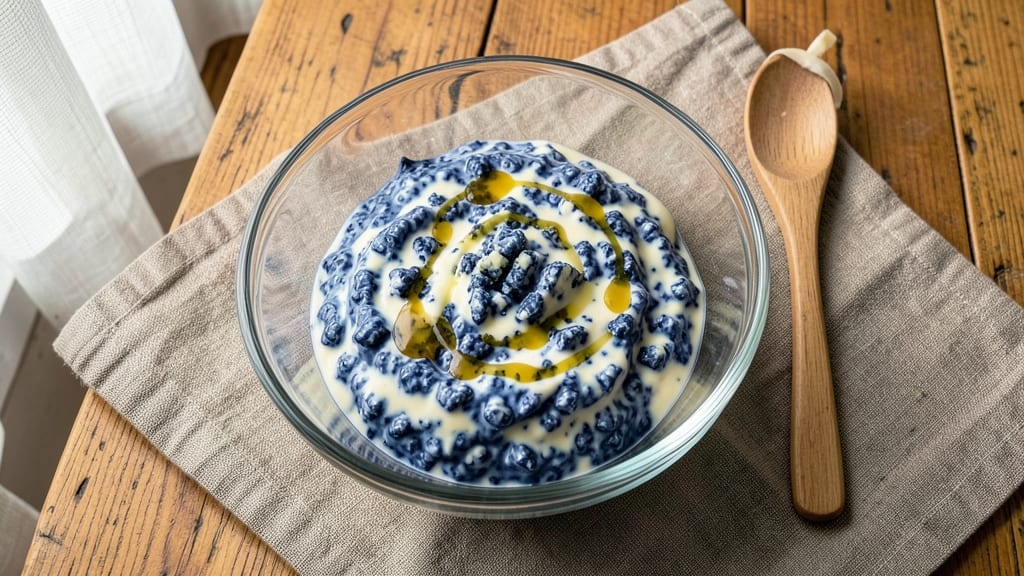
This copycat blue cheese dressing delivers the same bold tang and creamy richness you crave from your favorite restaurant. The secret lies in balancing sharp blue cheese with buttermilk and sour cream, stabilized with just a touch of mustard to prevent separation.
I’ve perfected this recipe over years of testing—no lumps, no curdling, just smooth, velvety perfection every time.
The foundation starts with high-quality blue cheese crumbled into buttermilk and sour cream, creating a base that’s tangy yet rich. A splash of vinegar brightens the flavor, while Dijon mustard acts as the emulsifier, ensuring the dressing stays silky and cohesive.
This isn’t just another blue cheese dressing—it’s a restaurant-quality condiment that elevates salads, dips, and even drizzled over steak or tacos.
What sets this apart is its versatility. Use it as a bold salad dressing, a creamy dip for wings or veggies, or even a finishing drizzle on burgers and grilled meats.
The flavor develops slightly after resting, so let it sit for at least 30 minutes before serving for the best results. It keeps well in the fridge for up to a week, making it perfect for meal prep.
For extra depth, stir in fresh herbs like thyme or chives, or add a drizzle of honey to balance the tang. The key is precision—measure ingredients carefully and whisk until fully combined. Once you try this, store-bought versions won’t compare. Let’s make dressing that stands out.
Ingredients for copycat blue cheese dressing
Eight simple ingredients transform into restaurant-quality blue cheese dressing.
| Ingredient | Amount | Notes |
|---|---|---|
| Blue Cheese 🧀 | 1 cup | Sharp, crumbled variety preferred |
| Buttermilk 🥛 | ½ cup | Full-fat for creaminess |
| Sour Cream 🥛 | ½ cup | Full-fat preferred |
| Extra-Virgin Olive Oil 🫒 | ½ cup | High-quality, fruity |
| White Wine Vinegar 🍷 | 1 tbsp | Brightens the tang |
| Dijon Mustard 🌶️ | 1 tsp | Stabilizes the emulsion |
| Fresh Thyme Leaves 🌿 | 1 tbsp | Chopped, optional |
| Honey 🍯 | 1 tsp | Balances tanginess |
| Salt 🧂 | ½ tsp | Adjust to taste |
| Black Pepper 🌶️ | ¼ tsp | Freshly ground |
The blue cheese is non-negotiable here. Gorgonzola or Stilton work beautifully, but Wisconsin Blue is my go-to—it’s sharp and crumbly, perfect for this. Grab a wedge from the deli counter if you can; pre-shredded gets clumpy. The buttermilk and sour cream should be full-fat for that rich, velvety texture. Trader Joe's has a great selection of organic buttermilk if you’re looking for a reliable brand. For the olive oil, California-based brands like Corto or Lucini add a nice fruity note that complements the cheese.
No buttermilk? Substitute with plain yogurt thinned with 1 tbsp milk. Sour cream can be swapped for Greek yogurt if you’re in a pinch, but it’ll be slightly tangier. Short on fresh thyme? Dried thyme at one-third the amount works, but fresh is worth the extra minute. The Dijon mustard is key—it keeps the dressing from separating. Maille or Amoy are my favorites, but any good-quality Dijon will do. If you want to skip the honey, a pinch of sugar or a splash of maple syrup can balance the tang too.
This dressing keeps beautifully. Pour it into a clean jar, cover with a lid, and store in the fridge for up to 1 week. Give it a shake before each use—it’ll thicken slightly over time. For extra flavor development, let it sit for 30 minutes before serving. I like to make a double batch because it disappears fast. If it gets too thick, just whisk in a splash of milk or water. The flavor only gets better with age, so don’t hesitate to make it ahead.
Why You'll Love This Recipe
- No Blender Needed: I’ll admit, I was skeptical at first—just whisking blue cheese into buttermilk and sour cream? But honestly, that tangy crumble blends right in, no pulverizing required. The texture’s creamy with just a whisper of grit, and it takes all of 5 minutes.
- Tangy Magic: That first bite of blue cheese crumbles melting into the buttermilk’s richness? It’s like a flavor bomb. The white wine vinegar cuts through the creaminess, and the olive oil ties it all together—sharp, rich, and impossible to resist.
- Wings & Beyond: I’ve drizzled this on everything—crispy fried chicken, cold salads, even as a dip for veggies. It’s the secret weapon for game day, potlucks, or when I’m too tired to cook. The best part? It’s just as good the next day.
- Budget-Friendly Luxury: This tastes like a fancy restaurant dish, but the ingredients cost next to nothing. A small wedge of blue cheese and a splash of vinegar go a long way, and the leftovers keep for days. My wallet and my taste buds thank me.
Step-by-step instructions for copycat blue cheese dressing
Here's how to recreate that signature creamy, tangy blue cheese dressing with perfect balance every time.
Crumble the Blue Cheese Thoroughly
Start by crumbling the 1 cup of blue cheese into small, even pieces using your fingers or a fork. I like to break it down as finely as possible—this ensures the cheese distributes smoothly throughout the dressing without any gritty bits. Place the crumbled cheese in a medium bowl and set aside. The sharper the cheese, the more complex flavor you'll get, so don't skip this step.
If you're using a particularly hard block of blue cheese, you might want to let it sit at room temperature for 10 minutes first. This makes it easier to crumble and helps it blend more smoothly with the other ingredients. The goal is to create a velvety texture, so take your time with this initial step.
Whisk Together the Base Ingredients
In a separate bowl, whisk together the 0.5 cup of buttermilk, 0.5 cup of sour cream, and the 1 tablespoon of white wine vinegar. This combination creates the perfect balance of tang and creaminess that makes this dressing so special. I like to whisk them together for about 30 seconds to ensure everything is fully combined and smooth.
Next, add the 0.5 cup of extra-virgin olive oil in a slow, steady stream while continuing to whisk. This gradual addition helps create a stable emulsion that won't separate. You want the dressing to be thick but pourable—like a rich, creamy sauce. If it starts to look too thick, you can add a splash of water or buttermilk later, but we'll get to that if needed.
Add the Dijon Mustard and Honey
Now it's time to add the 1 teaspoon of Dijon mustard and 1 teaspoon of honey. The mustard acts as an emulsifier, helping to bind all the ingredients together and prevent separation. The honey adds a touch of sweetness that balances out the sharpness of the blue cheese and the tang of the vinegar.
Whisk these ingredients into the buttermilk mixture until fully incorporated. This step is crucial for achieving that signature copycat flavor. The honey should dissolve completely, and the mustard should be evenly distributed. If you notice any lumps, strain the mixture through a fine-mesh sieve to ensure a silky-smooth texture.
Combine and Season
Now, gently fold the crumbled blue cheese into the buttermilk mixture using a spatula. Be careful not to overmix—you want to preserve the creamy texture while ensuring the cheese is evenly distributed. Once the cheese is incorporated, add the 0.5 teaspoon of salt and 0.25 teaspoon of freshly ground black pepper. The pepper adds a subtle heat that complements the rich, tangy flavors.
Finally, stir in the 1 tablespoon of chopped fresh thyme leaves. The thyme adds an aromatic depth that elevates the dressing from good to extraordinary. Taste the mixture and adjust the seasoning if needed—you might want to add a pinch more salt or a touch more honey to balance the flavors to your liking.
Chill and Serve
Transfer the dressing to an airtight container and refrigerate for at least 1 hour before serving. Chilling allows the flavors to meld together and the texture to thicken slightly, making it even more creamy and delicious. This step is non-negotiable—it's what transforms a good dressing into a restaurant-quality one.
Once chilled, give the dressing a good stir before serving. It should be thick but still pourable, with a velvety texture that coats every bite. This dressing pairs perfectly with crisp salads, grilled meats, or even as a dip for fresh vegetables. Enjoy it while it's fresh, as the flavors continue to develop over the next few hours.
Pro Tips For Making Copycat Blue Cheese Dressing
- Pulse, Don’t Blend: DESCRIPTION: Use a food processor or immersion blender to pulse the blue cheese in short bursts—2-3 seconds at a time—until just smooth enough to break it up. Over-blending turns it into a sad, gritty paste, and you’ll regret it when you taste it. Stop when it’s still slightly chunky; those little crumbles add texture that no one else’s dressing has.
- Chill the Cheese: DESCRIPTION: Take the blue cheese straight from the fridge and let it sit in its packaging for 10 minutes before using. Cold cheese releases moisture like a stubborn kid at a pool party, and you’ll end up with a watery dressing. Room temp = creamier, more stable results—no one wants to eat soup.
- Salt the Buttermilk: DESCRIPTION: Add a pinch of salt to the buttermilk before mixing it in. The recipe might not say it, but trust me: the buttermilk’s tang needs that little boost to hold its own against the blue cheese’s boldness. Skip this, and your dressing will taste flat, like someone forgot to season the main course.
- Thin Gradually: DESCRIPTION: Start with just the olive oil and vinegar called for, then add buttermilk and sour cream one tablespoon at a time while tasting. The dressing thickens differently every time—humidity, cheese brand, even the day of the week can change it. You’re aiming for a spoonable ribbon, not a gloppy mess or a drizzle that won’t stick.
Storing and reheating your leftovers
Refrigerator Storage
Store your homemade blue cheese dressing in an airtight glass container—I use Ball mason jars because they’re leak-proof and easy to shake. Keep it refrigerated at 40°F or below for up to 7 days.
The dressing will thicken slightly over time, so give it a good stir before each use. If it separates, whisk vigorously or add 1-2 teaspoons of buttermilk to restore its creamy texture. 🧀
Freezing for Later
This dressing isn’t ideal for long-term freezing, but you can store it for up to 1 month in a freezer-safe silicone mold or glass jar. Leave ½-inch headspace to prevent expansion cracks.
When ready to use, thaw overnight in the fridge and whisk thoroughly. The texture may be slightly grainier after freezing, so strain through a fine-mesh sieve if needed. 🥶
Reheating and Thinning
If your dressing thickens too much after refrigeration, thin it with 1-2 teaspoons of buttermilk or warm water while whisking. For a quick fix, microwave it for 10-15 seconds on low power to loosen the texture—just don’t overheat, or the cheese may curdle.
Always taste and adjust seasoning after reheating, as flavors intensify during storage. 🔥
Preventing Separation
The Dijon mustard is your secret weapon against separation, but even with it, the dressing may split if left sitting at room temperature too long. To avoid this, store it only in the fridge and never in warm environments.
If separation occurs, whisk in 1 teaspoon of mustard or a splash of vinegar to re-emulsify. A quick blend with an immersion blender also works wonders. ✨
Flavor Development
Let the dressing sit for 30 minutes before serving to allow flavors to meld. The longer it rests (up to 24 hours), the richer and more complex it becomes. I often make a batch on Sunday for the week—it’s worth the wait!
If the taste seems too sharp after storage, balance it with a drizzle of honey or a pinch of sugar before using. 💫
Portioning for Meal Prep
Divide the dressing into smaller airtight containers (like 4-ounce portion cups) to keep it fresh longer. This also makes it easier to grab for quick salads or dips without transferring the entire jar.
Label with the date—trust me, you’ll forget how long it’s been sitting there! For best results, use within 5-6 days of making it. 📅
Nutrition facts
Frequently asked questions
Can I make this dressing without buttermilk?
Swap the ½ cup buttermilk with ½ cup plain yogurt thinned with 1 tablespoon milk for a tangy alternative. Greek yogurt works too but will make the dressing slightly thicker. The key is maintaining the same acidity level to balance the blue cheese's sharpness.
Why does my dressing separate after sitting?
Separation happens when oil and liquid ingredients aren't properly emulsified. The Dijon mustard is your emulsifier—if you skipped it or used too little, whisk in ½ teaspoon more and stir vigorously. For stubborn separation, blend with an immersion blender or whisk in 1 teaspoon vinegar to re-combine. Always store it in the fridge to prevent this.
What's the best way to use leftover dressing?
This versatile dressing works beyond salads! Drizzle it over grilled steaks, tacos, or roasted potatoes for bold flavor. Use it as a dip for wings, veggies, or crostini. For extra richness, stir in 1 tablespoon heavy cream before serving. The flavor actually improves after 24 hours of resting!
Can I make this dressing dairy-free?
Yes, but you'll need substitutions. Replace the blue cheese with vegan blue cheese (like Violife), buttermilk with unsweetened almond milk + 1 tsp vinegar, and sour cream with cashew cream. The texture will be lighter, but the tangy flavor remains. For emulsification, add 1 extra teaspoon of mustard or 1 tablespoon nutritional yeast.
How do I adjust the flavor if it's too sharp?
Balance sharpness with 1 teaspoon honey, maple syrup, or a pinch of sugar. For a smoky twist, add ½ teaspoon smoked paprika. If it's too mild, increase the vinegar by ½ teaspoon or use a sharper blue cheese next time. Always taste as you go—flavor builds as it rests!