
Snacks
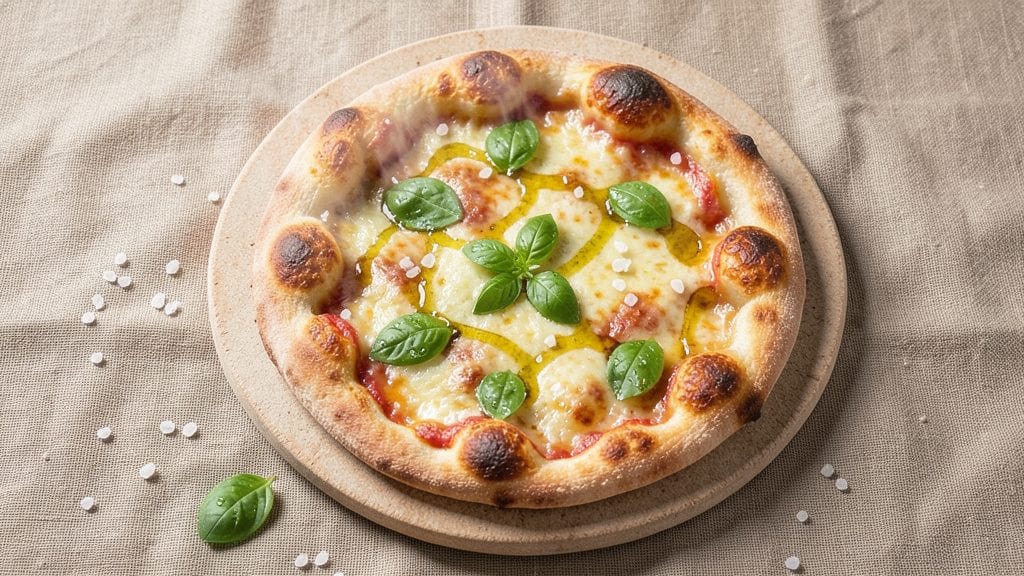
This copycat pizza crust recipe delivers the same air-crisped perfection you’d expect from your favorite delivery spot—right in your own oven. The secret lies in a precise dough formula, proper proofing, and a high-heat bake that creates that signature crispy-yet-chewy texture.
I’ve refined this method over years of testing, and it consistently replicates the results you crave without shortcuts.
What sets this recipe apart is the attention to detail at every stage—from activating the yeast properly to achieving the perfect dough consistency. The dough rests just long enough to develop flavor while remaining pliable enough to stretch without tearing.
When baked at the right temperature, it transforms into a golden, airy crust with a satisfying crunch that disappears the moment you take a bite.
By following these exact steps, you’ll end up with a pizza crust that’s light, crispy, and perfectly browned—just like the delivery versions you love. The dough handles toppings beautifully without becoming soggy, and the flavor is rich and slightly sweet, thanks to the right balance of ingredients.
This is the kind of crust that makes homemade pizza taste like a night out.
Whether you’re making a classic pepperoni pie or experimenting with gourmet toppings, this recipe ensures your crust will be the star of the show. Let’s get started on creating that delivery-quality experience at home.
Ingredients for copycat pizza crust
Pantry staples plus a few specialty touches—this is how delivery-quality crust starts.
| Ingredient | Amount | Notes |
|---|---|---|
| Active Dry Yeast 🍞 | 2 ¼ tsp | Freshly opened for best results |
| Granulated Sugar 🍚 | 1 tbsp | Activates yeast quickly |
| Warm Water 💧 | 1 cup | 105-110°F for yeast activation |
| All-Purpose Flour 🌾 | 3 ½ cups | King Arthur preferred for texture |
| Extra-Virgin Olive Oil 🫒 | ¼ cup | High-quality for flavor |
| Diamond Crystal Kosher Salt 🧂 | 1 ½ tsp | Fine grain preferred |
| Cornmeal 🌽 | ¼ cup | For dusting work surface |
| Semolina Flour 🌾 | ¼ cup | Optional for extra crisp |
| Garlic Powder 🧄 | ½ tsp | Enhances flavor depth |
| Dried Oregano 🍃 | ½ tsp | Italian blend preferred |
| Baking Powder 🍞 | ½ tsp | For slight lift |
| Pizza Sauce 🍅 | 1 ½ cups | Store-bought or homemade |
| Shredded Mozzarella Cheese 🧀 | 1 ½ cups | Part-skim for balance |
The yeast is non-negotiable—King Arthur or Bob’s Red Mill brands stay fresh longer. Active dry yeast needs to be fresh, so check the date on the package. For the flour, King Arthur gives that perfect airy texture, but Gold Medal works too. The olive oil should be extra-virgin—none of that light cooking oil nonsense. I grab mine from Trader Joe's or Whole Foods because their quality is consistent. The garlic powder and oregano? Penzeys has the best blends, but the regular grocery store stuff is fine if it's labeled 'Italian seasoning'—just make sure it's not ancient.
No yeast? Instant yeast at half the amount works in a pinch, but you'll need to adjust the water temperature. Short on olive oil? Avocado oil is a decent swap, but it won't have the same fruity depth. The baking powder is optional but helps with that signature crisp. For the toppings, part-skim mozzarella melts better than whole milk, and low-moisture shredded prevents a soggy crust. The pizza sauce can be store-bought—Rao's or Barilla are solid choices—but homemade always tastes fresher. No cornmeal? Semolina flour works just as well for dusting.
This dough keeps for 3 days in the fridge wrapped tightly in plastic. For longer storage, freeze portions for up to 3 months. Let it thaw overnight in the fridge before using. The crust reheats beautifully—just pop it in a 400°F oven for 5-7 minutes to refresh that crisp. I like to pre-portion the dough into golf-ball-sized pieces before freezing, so I can grab exactly what I need. The toppings go on right before baking—no prepping ahead unless you're freezing the whole pie.
Why You'll Love This Recipe
- No Yeast Fuss: I swear by this dough—just toss in the yeast with warm water and a pinch of sugar, let it bubble for five minutes, and you’re golden. No waiting hours for it to rise like some fancy sourdough.
- Crispy-Chewy Magic: That olive oil kneaded right into the flour? It’s what gives this crust that perfect snap while keeping the inside pillowy. Honestly, it’s the little things—like the way it holds sauce without getting soggy—that make it feel like a restaurant slice.
- Game for Any Night: Between us, this dough is my weeknight lifesaver. Double the batch, freeze half, and pull it out for lazy Tuesdays or game day. (Yes, even when I’m too tired to order delivery.)
- Pantry Staple Power: Five ingredients, all of which you already own. No specialty flour, no weird additives—just flour, yeast, oil, and a splash of water. If you can measure, you can make this. And if you can’t? The kids can “help.”
Step-by-step instructions for air-crisped pizza crust
Here's how to craft that signature delivery-style crust with a crispy exterior and airy center.
Activate the Yeast for Maximum Rise
In a small bowl, combine the 2.25 teaspoons of active dry yeast with the 1 tablespoon granulated sugar and the 1 cup warm water (about 105-110°F). Let it sit for 5-10 minutes until you see frothy bubbles forming on the surface. This indicates the yeast is alive and ready to work.
I always use freshly opened yeast for this recipe—it guarantees a vigorous rise. If the mixture doesn't bubble within 10 minutes, your yeast might be dead, and you'll need to start over. The sugar isn't just for sweetness; it jumpstarts the yeast activity, creating that perfect airy texture we're after.
Mix the Dough with Perfect Hydration
In a large mixing bowl, combine the 3.5 cups all-purpose flour with the 1.5 teaspoons diamond crystal kosher salt, 0.5 teaspoon garlic powder, 0.5 teaspoon dried oregano, and 0.5 teaspoon baking powder. Mix these dry ingredients thoroughly to distribute the seasonings evenly.
Make a well in the center and pour in the yeast mixture along with the 0.25 cup extra-virgin olive oil. Using a wooden spoon or your hands, mix until a shaggy dough forms. The olive oil adds richness and helps create that signature crispy texture—don't skip this step. The dough should be soft but not sticky at this stage.
Knead Until Silky and Elastic
Turn the dough onto a lightly floured surface and knead for 8-10 minutes until smooth and elastic. You'll know it's ready when it springs back slowly when poked. This kneading develops gluten, which gives the crust its signature chewiness and structure.
I like to work the dough in stages—knead for 2 minutes, then rest for 30 seconds to let the gluten relax. This prevents overworking, which can make the crust tough. The dough should feel slightly tacky but not wet. If it's too sticky, add just enough flour to make it manageable.
First Rise for Maximum Flavor Development
Place the dough in a lightly oiled bowl, cover with a damp towel, and let it rise in a warm place for 1-2 hours or until doubled in size. The warmth helps the yeast work efficiently, and the damp towel prevents a skin from forming. You'll see the dough puff up noticeably—this is when all the magic happens.
Here's the thing—this isn't just about rising. The longer the dough ferments, the more complex flavors develop. I often let it rise overnight in the fridge for even deeper flavor, but at minimum, 1 hour ensures proper development. Poke the dough gently; if it springs back slowly, it's ready for shaping.
Shape and Second Rise for Perfect Texture
Punch down the risen dough and divide it into 4 equal portions (about 1 pound each). On a floured surface, roll each portion into a 12-inch circle, about ¼-inch thick. The thinner edges will crisp up beautifully while the center stays tender. Dust with 0.25 cup cornmeal and 0.25 cup semolina flour for extra crispiness.
Let the shaped crusts rest for 30 minutes before baking. This final rise ensures they'll puff up slightly in the oven, giving that signature airy texture. I like to use a pizza stone or inverted baking sheet for even heat distribution—this creates that perfect crispy bottom we all love.
Bake to Golden Perfection
Preheat your oven to 475°F with the pizza stone or baking sheet inside for at least 30 minutes. This high heat is crucial for that signature crisp. Spread 1.5 cups pizza sauce evenly over each crust, then top with 1.5 cups shredded mozzarella cheese. Bake for 12-15 minutes until the cheese is bubbly and the crust edges are golden brown.
Here's where it gets fun—the crust should be crispy on the edges but still soft in the center. If it browns too quickly, tent with foil. The semolina flour gives that extra crunch, while the olive oil in the dough ensures a rich, flavorful bite. Serve immediately while the crust is at its peak texture—this isn't something that waits!
Pro Tips For Making Copycat Pizza Crust
- USE A THERMOMETER FOR WATER: I learned this the hard way—yeast hates surprises. Warm water should hit 105–110°F (40–43°C). Too hot and it kills the yeast; too cool and it won’t activate. If you don’t have a thermometer, dip your pinky finger in—if it’s uncomfortably warm (like a hot bath), it’s ready.
- STRETCH THE DOUGH BY HAND: Skip the rolling pin for that signature crispy-chewy texture. After kneading, let the dough rest for 10 minutes, then stretch it gently with your fingertips, working from the center outward. The gluten tightens just enough to hold toppings without tearing—no fancy tools needed.
- DON’T SKIP THE SECOND RISE: The dough’s second rise (after shaping) is where flavor develops. Place the stretched crust on a floured surface for 15–20 minutes in a warm spot (like a turned-off oven with the light on). This relaxes the gluten and guarantees a light, airy bite—no one likes a dense, sad pizza crust.
- SWAP OLIVE OIL FOR BUTTER (IF YOU DARE): Extra-virgin olive oil works, but unsalted butter adds a richer depth. Use 2 tablespoons melted butter instead of the oil for the dough—just don’t overdo it, or your crust will turn greasy. Brush the base lightly before baking for that golden, buttery finish. (Yes, it’s worth the extra step.)
Best sauces and condiments for this recipe
Classic Red Sauce
For that authentic delivery-style flavor, I reach for Rao’s Homemade Pizza Sauce—it’s the closest you’ll get to what you’d find in a frozen pizza box. Use about 1.5 cups per crust, spread evenly to avoid soggy spots.
If you prefer a smoother texture, blend your sauce for 30 seconds to eliminate any chunks. For extra depth, stir in 1 teaspoon Italian seasoning and ½ teaspoon garlic powder before spreading. 🍅
Garlic White Sauce
Swap the red sauce for a garlic white sauce by blending ½ cup sour cream, ½ cup mayonnaise, 2 cloves roasted garlic, 1 tablespoon lemon juice, and ½ teaspoon salt. This sauce pairs perfectly with chicken, spinach, and feta toppings.
Spread a thin layer to avoid sogginess—this sauce is rich, so less is more. For a tangy kick, add 1 teaspoon grated Parmesan to the mix.
Olive Oil & Herb Base
For a lighter option, skip the sauce entirely and brush the crust with 2 tablespoons extra-virgin olive oil mixed with 1 teaspoon dried oregano, ½ teaspoon garlic powder, and a pinch of red pepper flakes.
This works beautifully with grilled vegetables, prosciutto, and fresh mozzarella. The oil adds a subtle richness while keeping the crust crisp. I love this for a Mediterranean-inspired pizza with roasted eggplant and sun-dried tomatoes.
Alfredo Sauce Upgrade
Homemade Alfredo sauce elevates this crust to restaurant quality. Melt 4 tablespoons butter with ½ cup heavy cream, then whisk in ½ cup grated Parmesan and ½ teaspoon black pepper. For extra creaminess, add 1 tablespoon cornstarch to thicken.
This sauce pairs perfectly with shrimp, mushrooms, and spinach. Spread a thin layer to avoid a greasy crust—this sauce is decadent, so moderation is key.
Pesto Swap
For a bright, herby twist, use ½ cup basil pesto (store-bought or homemade) as your base. Thin it slightly with 1 tablespoon olive oil to make it easier to spread.
Top with cherry tomatoes, fresh mozzarella, and a sprinkle of pine nuts for a Tuscan-inspired pizza. The pesto’s vibrant flavor cuts through rich toppings beautifully. 🌿
Cheese Sauce Alternative
For a cheesy, indulgent crust, mix 1 cup shredded mozzarella with ¼ cup ricotta cheese, 1 tablespoon grated Parmesan, and ½ teaspoon Italian seasoning. Spread this blend over the crust before adding toppings.
It melts into a gooey, stretchy layer that’s perfect for pepperoni, sausage, and extra cheese lovers. Preheat your oven to 475°F to ensure the cheese melts evenly without burning.
Nutrition facts
Frequently asked questions
Why does my homemade pizza crust turn out dense instead of crispy?
Over-kneading or skipping the proofing steps most likely caused this. The dough needs 8-10 minutes of kneading to develop gluten properly, but don't overwork it—this makes the crust tough. Also, ensure your yeast is active (it should bubble within 5-10 minutes in warm water) and that you're using 475°F for baking. A pizza stone helps achieve that signature crisp.
Can I make this dough ahead of time?
This dough keeps for 3 days in the fridge wrapped tightly in plastic. For longer storage, freeze portions for up to 3 months. Let it thaw overnight in the fridge before using. The flavor actually improves with a longer rise—try letting it ferment in the fridge for 12-24 hours before shaping for deeper flavor.
What's the best way to reheat leftover pizza crust?
Pop slices in a 400°F oven for 5-7 minutes until crispy again. For extra crunch, place them on a baking sheet and broil for 1-2 minutes (watch closely!). Microwaving works in a pinch, but it makes the crust soggy. The key is high heat—this restores that air-crisped texture we all love.
How do I adjust this recipe for gluten-free crust?
Replace the all-purpose flour with a 1:1 gluten-free flour blend (like Bob's Red Mill) and add 1 teaspoon xanthan gum to improve elasticity. Use 1 extra tablespoon of water since gluten-free doughs tend to be drier. Let the dough rest 10 minutes longer between kneading and shaping to help the blend hydrate properly.
Can I use this dough for stuffed crust pizza?
Yes! Roll out the dough slightly thicker (½-inch thick) and fold in cheese or fillings before rolling into a circle. Seal the edges tightly and bake as directed. For extra gooeyness, stuff with ricotta mixed with garlic and herbs. The dough's elasticity makes it perfect for folding without tearing.