
Main Courses
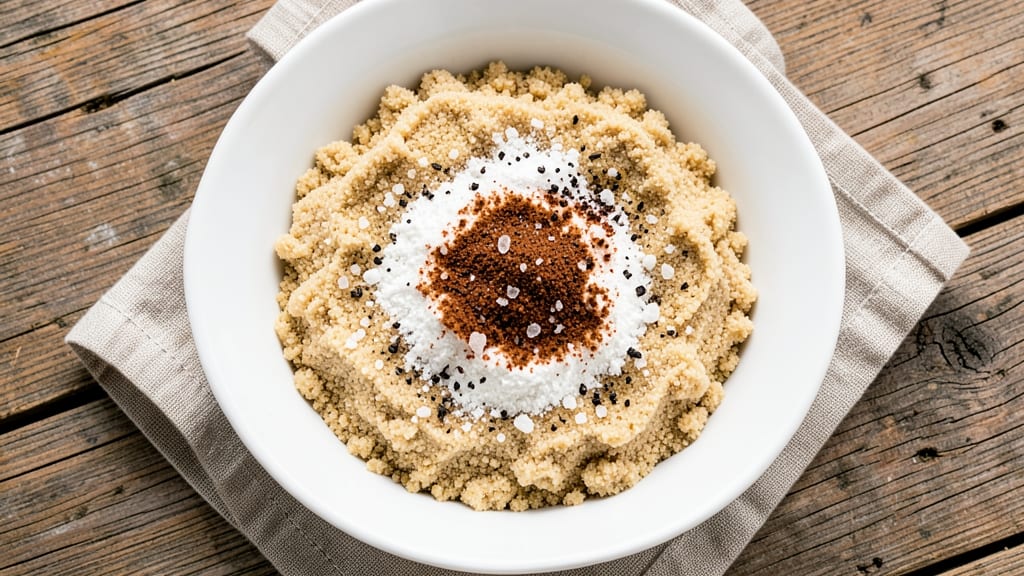
This cornmeal fish fry batter recipe delivers the golden, shatteringly crispy crust that makes every bite worth the wait—no soggy edges in sight. The secret lies in the right ratio of cornmeal to flour, combined with a precise frying technique that locks in that crunch.
I perfected this after years of testing, and it now consistently produces a batter so light yet sturdy it stays crispy even after dipping.
The beauty of this method is its versatility—whether you're frying cod, haddock, or even shrimp, the same batter delivers a crispy exterior that contrasts perfectly with tender, flaky fish inside.
The cornmeal gives it that signature Southern crunch, while a touch of baking powder ensures the batter rises just enough to create those coveted air pockets. This isn’t just a recipe; it’s a technique that transforms simple fish into a restaurant-worthy dish.
What sets this apart is the frying process: high heat, the right oil (peanut or vegetable), and careful timing to avoid overcrowding the pan. The result? A golden, crispy crust that stays crunchy even when served with tartar sauce or coleslaw.
The batter clings perfectly to the fish, creating a texture that’s both satisfying and impossible to resist. Once you try this, you’ll never go back to store-bought or bland, flimsy coatings.
Pair it with classic sides like creamy coleslaw or a zesty lemon wedge for the full Southern experience. The batter also works wonders with chicken tenders or even vegetables, making it a go-to for crispy, crowd-pleasing meals. Let’s get frying—your taste buds will thank you.
Ingredients for cornmeal fish fry batter
Nine simple ingredients for a batter that stays crispy even after dipping.
| Ingredient | Amount | Notes |
|---|---|---|
| White Cornmeal 🌽 | 1 cup | Fine grind for smooth batter |
| All-Purpose Flour 🌾 | ½ cup | Light flour preferred |
| Baking Powder 🍞 | 1 tsp | Ensures light, crispy texture |
| Salt 🧂 | 1 tsp | Kosher or sea salt |
| Ground Black Pepper 🌶️ | ½ tsp | Freshly ground for best flavor |
| Paprika 🌶️ | ½ tsp | Smoked or sweet variety |
| Vegetable Oil 🫒 | 3 cups | For deep frying (or peanut oil) |
| White Fish Fillets 🐟 | 1 ½ lb | Cod or haddock preferred |
| Lemon Wedges 🍋 | 4 whole | For serving (optional) |
| Tartar Sauce 🥫 | ½ cup | For dipping (optional) |
| Ice Cubes ❄️ | 1 cup | For chilling fish before frying |
The cornmeal is non-negotiable—it’s what gives that signature Southern crunch. Bob’s Red Mill or Martha White are my go-tos, but any fine grind works. The flour is just there to bind, so don’t skimp on the cornmeal. For the fish, cod or haddock are ideal—they stay flaky and soak up the batter perfectly. If you’re using shrimp, pat them dry first (they’re trickier to coat). The baking powder is key—it’s what makes the batter light and crispy, not heavy. I always grab Aluminum-free baking powder from the baking aisle, not the boxed stuff in the spice section.
No cornmeal? Self-rising flour at 1:1 ratio works in a pinch, but the texture won’t be quite the same. Short on fish? Chicken tenders or even zucchini slices take this batter like a champ. The oil matters—peanut oil has the highest smoke point, but vegetable oil is fine if that’s what you’ve got. Just make sure it’s fresh (old oil tastes stale). For the spices, smoked paprika adds depth, but sweet works too. The lemon wedges? Squeeze them fresh over the fish right before serving—trust me, it makes all the difference.
Keep the cornmeal in an airtight container in a cool, dark place for up to 6 months. The baking powder loses potency after 3 months, so check the date on the box. The batter itself can be prepped ahead and refrigerated for 24 hours—just give it a quick whisk before using. The fish? Use it within 2 days for best texture. If you’re frying ahead, keep the finished fish in a 200°F oven to stay warm and crispy.
Why You'll Love This Recipe
- Here’s what sold me: the cornmeal gives it that perfect crunch—crispy outside, tender inside. (Yes, even on a Tuesday night.) The baking powder lifts it just enough so it doesn’t turn into a greasy mess, and the pepper adds a subtle kick that makes it feel gourmet.
- Five-Ingredient Magic: I swear by this batter—just cornmeal, flour, baking powder, salt, and pepper. That’s it. No fancy mix-ins, no hunting for obscure spices, just pantry staples that transform whatever you fry into something golden and irresistible.
- Crunch You’ll Crave: Here’s what sold me: the cornmeal gives it that perfect crunch—crispy outside, tender inside. (Yes, even on a Tuesday night.) The baking powder lifts it just enough so it doesn’t turn into a greasy mess, and the pepper adds a subtle kick that makes it feel gourmet.
- Weeknight Wonder: Between us, this batter is my secret weapon for busy nights. Use it for fish, chicken, or even veggies—no one will guess it’s the same mix. Double the batch and freeze half; it’s that reliable. (My daughter picks out the best pieces, but still asks for seconds.)
Step-by-step instructions for crispy cornmeal fish fry
Here's how to get that legendary golden crust that stays crunchy the whole time.
Prepare the Fish for Frying
Start by patting the 1.5 lb white fish fillets completely dry with paper towels. Any moisture on the surface will prevent that perfect crispy crust. I like to work with the fish on a wire rack set over a plate to catch any drips.
Place the fish fillets in a bowl and add the 1 cup ice cubes. This chills the fish down to about 35°F—cold fish cooks faster and stays more tender. Let them sit for 15-20 minutes while you prepare the batter. The ice will melt, but that's okay; just drain any excess liquid before frying.
Mix the Perfect Crispy Batter
In a medium bowl, whisk together the 1 cup white cornmeal, 0.5 cup all-purpose flour, 1 tsp baking powder, 1 tsp salt, 0.5 tsp ground black pepper, and 0.5 tsp paprika. The cornmeal gives that signature texture, while the baking powder ensures a light, airy crust instead of something dense.
Gradually add about ½ cup cold water to the dry ingredients while whisking continuously. You want a thick batter that's similar to heavy cream—it should coat the back of a spoon but still hold its shape when you lift it. If it's too thick, add a splash more water; if too thin, stir in a little more cornmeal. This batter needs to be just right for that perfect crispy shell.
Heat the Oil and Fry the Fish
Fill a deep fryer or heavy pot with 3 cups vegetable oil and heat it to 375°F. Use a deep-fry thermometer to monitor the temperature—this is critical for consistent results. The oil should be hot enough that when you drop a small piece of batter in, it sizzles and floats immediately.
Working in batches to avoid overcrowding, dip each fish fillet into the batter, letting any excess drip off. Gently lower it into the hot oil using tongs. Fry for 3-4 minutes per side until the crust turns a deep golden brown. You'll know it's ready when the crust looks dry and crispy, not wet or glossy. Transfer the fried fish to a paper towel-lined plate to drain excess oil.
Serve Immediately with Lemon and Tartar
Serve the crispy fish fillets right away while they're piping hot. The crust will stay crunchy for about 5-7 minutes before it starts to soften, so don't wait. Arrange the fillets on a platter and place the 4 lemon wedges around them for squeezing.
Set out the 0.5 cup tartar sauce in a small bowl for dipping. The contrast of the cool, creamy sauce with the hot, crispy fish is what makes this dish so irresistible. If you want to keep the fish warm while serving, place them on a wire rack set over a baking sheet in a 200°F oven for up to 10 minutes—just be aware the crust may lose some crispness.
Pro Tips For Making Cornmeal Fish Fry Batter
- Whisk Like You Mean It: Don’t just stir the cornmeal and flour—whisk it vigorously for 30 seconds in the dry state first. This breaks up any lumps in the cornmeal and ensures the baking powder distributes evenly, so your batter doesn’t turn into a dense brick when fried. (Yes, even if it looks like overkill.)
- Toast the Cornmeal First: Heat your dry cornmeal in a dry skillet over medium-low for 2-3 minutes until it smells nutty and lightly golden. This step deepens the flavor and prevents that raw, chalky taste in the batter. I learned this the hard way—skipping it makes the whole dish taste flat.
- Don’t Crowd the Fryer: Fry your fish in batches, even if it means waiting. Overloading the oil lowers the temperature, so the batter absorbs oil instead of crisping. Two or three pieces at a time is the sweet spot—your future self will thank you when the crust stays golden, not soggy.
- Chill the Batter 10 Minutes: Let the mixed batter rest in the fridge for at least 10 minutes before dredging. The cornmeal absorbs moisture, making the coating lighter and less likely to slide off mid-fry. Sounds weird, but it works—your fish will stay intact, not falling apart in the oil.
Pro cooking tips for perfect results
Oil Temperature Control
Your oil needs to be at a precise 375°F—any lower, and your batter will absorb too much oil, turning greasy instead of crispy. I use a ThermoWorks Thermapen to monitor temperature, but even a candy thermometer will work.
The oil should sizzle audibly when you drop in a small piece of batter. If it bubbles gently, it’s too cool—wait another 2-3 minutes for it to reach the right heat. 🌡️
Batter Consistency Matters
The batter should be thick enough to coat the back of a spoon but still flow smoothly when whisked. I aim for a consistency similar to heavy cream. Too thin? The crust will be flimsy.
Too thick? It’ll be dense and chewy. If your batter separates, whisk in 1-2 tbsp cold water to bring it back together. The key is patience—don’t rush the mixing process.
Avoid Overcrowding the Pan
Fry your fish in batches of no more than 2 fillets at a time—overcrowding drops the oil temperature, causing the batter to steam instead of crisp. Use tongs to carefully lower and remove the fish to maintain that 375°F temperature.
If you’re frying shrimp, limit it to 6-8 pieces per batch to prevent the oil from cooling too quickly.
Double-Dip for Extra Crunch
For that extra-crispy crust, dip each piece of fish into the batter twice, letting excess drip off between dips. This creates a thicker, more durable coating that stays crispy longer. I like to give the second dip a quick shake over the bowl to remove any clumps.
The result? A shatteringly crisp shell that holds up even when dipped in tartar sauce.
Keep Fish Cold Before Frying
Cold fish cooks faster and stays tender, so I chill the fillets in ice for 15-20 minutes before frying. This also helps the batter adhere better. After draining the ice water, pat the fish dry one last time—any moisture will turn your crispy crust into a soggy mess.
Work quickly once the fish hits the oil to avoid warming it too much before cooking. ❄️
Post-Fry Resting Trick
Transfer fried fish to a wire rack instead of a paper towel-lined plate to let excess oil drip away. This keeps the crust crispy longer. If you must stack them, place parchment paper between layers to prevent sticking.
Serve immediately, but if you need to hold them, keep the oven at 200°F—just know the crust will soften slightly after 10 minutes.
Nutrition facts
Frequently asked questions
Why does my cornmeal batter turn out greasy instead of crispy?
The most common culprit is oil that's too cool (375°F is critical). Use a thermometer and wait for the oil to sizzle when you test it with a small batter piece. Also, overcrowding the pan drops the temperature—fry in batches of 2 fillets max and keep the oil hot between batches.
Can I make this batter ahead of time?
Yes! Mix the dry ingredients and store them in an airtight container for up to 3 days. When ready to fry, just whisk in ½ cup cold water until smooth. For best results, use the batter within 8 hours of mixing—freshness keeps that perfect crunch.
What fish works best with this cornmeal batter?
White, firm fish like cod, hadock, or tilapia are ideal—they stay tender while supporting the crispy crust. For thinner fillets (like flounder), fry for 2-3 minutes per side. Avoid delicate fish like sole—they can fall apart. Shrimp works too, but pat them very dry first!
How do I keep the crust from getting soggy?
Serve immediately after frying—the crust loses crispness after 5-7 minutes. For holding, place fish on a wire rack in a 200°F oven (no more than 10 minutes). Never stack them directly on paper towels—this traps steam. The secret? Hot oil + cold fish = perfect texture contrast.
Can I use self-rising flour instead of cornmeal?
You can substitute 1:1 self-rising flour for cornmeal, but the texture will be less crispy and more like traditional Southern fried fish. For a closer match, mix ¾ cup cornmeal + ¼ cup self-rising flour. The cornmeal is what creates that signature crunch—don't skip it if you want that authentic bite!