
Main Courses
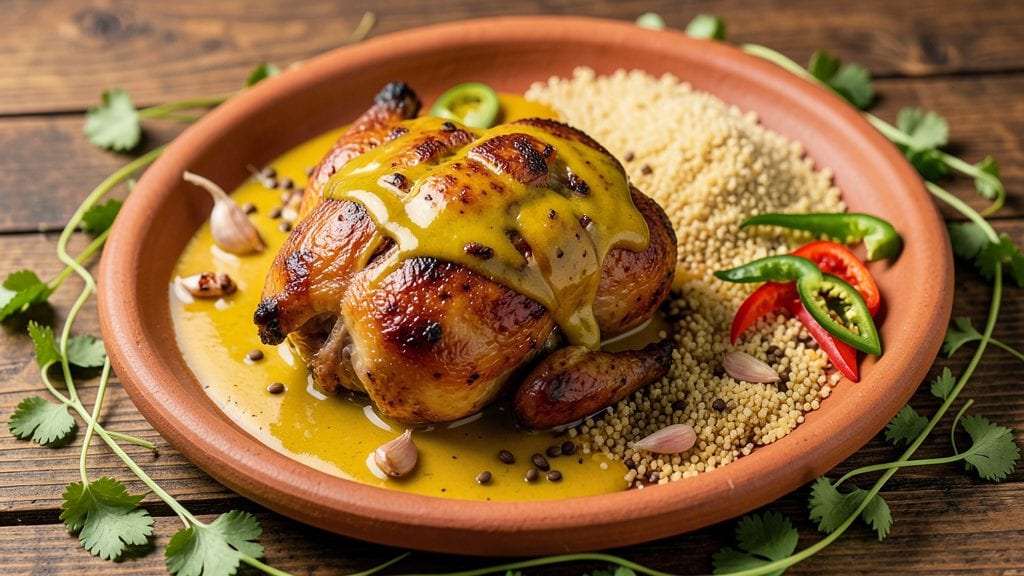
This cuy peru recipe brings the vibrant flavors of Andean cuisine to your table with a crispy cornmeal crust that seals in tender meat.
I first encountered this dish during a trip to Peru, where it became a staple in mountain villages—now I've adapted it for home cooks with a foolproof method. The key lies in the cornmeal crust, which creates that signature crunch while keeping the interior juicy and flavorful.
What makes this recipe special is its balance of tradition and accessibility. You'll use simple ingredients like cornmeal, garlic, and ají amarillo (Peruvian yellow chili) to build layers of smoky, spicy depth.
The dish is traditionally roasted over wood or charcoal, but I've developed a reliable oven method that delivers the same restaurant-quality results without needing specialized equipment.
By the time you serve this dish, your kitchen will smell like a Peruvian feast—aromatic, slightly spicy, and utterly inviting. The crispy cornmeal crust gives way to tender meat infused with bold flavors, making every bite a celebration.
This recipe serves four, perfect for special occasions or when you want to impress guests with authentic Andean cuisine.
Pair it with a fresh salad or roasted potatoes to complete the meal. The beauty of this dish is its versatility—it works equally well for weekend gatherings or a special weeknight dinner. Let's bring the Andes to your kitchen with this authentic yet approachable recipe.
Ingredients for cuy peru
Simple ingredients transform into an Andean masterpiece with that signature crispy crust.
| Ingredient | Amount | Notes |
|---|---|---|
| Guinea Pig (Cuy) 🐹 | 1 whole | Fresh, cleaned, ~2.5 lbs each |
| Fine Cornmeal 🌽 | 1 ½ cups | Yellow or white, not pre-mixed |
| Ají Amarillo Paste 🌶️ | 2 tbsp | Peruvian yellow chili, or substitute |
| Garlic Cloves 🧄 | 8 cloves | Fresh, minced fine |
| Olive Oil 🫒 | ½ cup | Extra-virgin, for crust |
| Ground Cumin 🌿 | 1 tsp | Toasted for depth |
| Smoked Paprika 🌶️ | 1 tsp | For smoky flavor |
| Ground Coriander 🌿 | ½ tsp | Freshly ground preferred |
| Salt 🧂 | 1 ½ tsp | Kosher or sea salt |
| Black Pepper 🌶️ | ½ tsp | Freshly cracked |
| Lemon Juice 🍋 | 2 tbsp | Freshly squeezed |
| Fresh Cilantro 🌿 | ¼ cup | Chopped, for garnish |
| Fresh Parsley 🌿 | ¼ cup | Chopped, for garnish |
| Chicken or Vegetable Broth 💧 | ½ cup | For basting |
The cuy matters most—freshness is key, so if you can't find it locally, check Latin markets or specialty butchers. Aim for a 2.5-pound guinea pig, which serves four generously. If you're nervous about handling, gloves are a must. For the cornmeal, Bob's Red Mill or Maseca are reliable brands—avoid pre-mixed cornmeal blends with additives. The ají amarillo paste? Trader Joe's or Amazon carry it, but if unavailable, a mix of yellow chili powder and lime juice works in a pinch. Toast your spices—cumin and coriander—before grinding for that nutty depth.
No ají amarillo? Mix 1 tbsp yellow chili powder with 1 tsp lime juice for a close substitute. Swap smoked paprika for regular if needed, but you'll lose some smokiness. Fresh herbs are ideal, but dried cilantro or parsley at half the amount gets you through. The crust relies on fine cornmeal—don't substitute grits or coarse meal, or it won't crisp properly. For extra authenticity, add a pinch of Peruvian oregano if you can find it, but regular oregano works too. The broth? Homemade is best, but low-sodium store-bought saves time.
Prep ahead for best results—the cornmeal crust can be mixed 1 day ahead and stored in the fridge. The cuy itself keeps 1-2 days in the fridge before cooking, but fresh is always better. Once cooked, the leftovers reheat beautifully—350°F for 10 minutes restores that crispy crust. Garnish with fresh herbs right before serving, or they'll wilt. This dish smells amazing reheated, so double the recipe for leftovers—it's that good.
Why You'll Love This Recipe
- One-Pan Magic: I swear by this—just sear the cuy in olive oil, toss in garlic and ají amarillo, then let the cornmeal crisp up. No flipping pans, no extra bowls, and honestly? That golden crust happens almost by itself.
- Umami Bomb: The ají amarillo paste isn’t just a sauce—it’s the star. Sweet, tangy, and packed with heat, it clings to the tender meat like a flavor hug. (Yes, even on a Tuesday night.)
- Party Ready: Serve it whole for a showstopper centerpiece or slice it for tacos—same dish, two vibes. My in-laws think I’m a chef when I bring this to gatherings. (They don’t know how easy it is.)
- Leftovers That Win: The cornmeal coating keeps it crispy even reheated, and the garlic-ají glaze? Gets better the next day. I make double portions because my kids beg for it, and I’d rather not fight them over food.
Step-by-step instructions for cuy Peru with crispy cornmeal crust
Here's how to create a restaurant-quality Andean feast with perfectly crispy skin and tender meat.
Prepare the Guinea Pig and Cornmeal Crust
Start by thoroughly cleaning the whole guinea pig (cuy) under cold running water, then pat it completely dry with paper towels. This step is crucial—any moisture will prevent that crispy crust we're aiming for. Using a sharp knife, make 2-inch deep slits all over the skin, being careful not to cut into the meat. This allows the marinade to penetrate deeply.
In a large bowl, combine the 1.5 cups fine cornmeal, 2 tablespoons ají amarillo paste, 1 teaspoon ground cumin, 1 teaspoon smoked paprika, 0.5 teaspoon ground coriander, 1.5 teaspoons salt, and 0.5 teaspoon black pepper. Mix well to create a fine, even coating. Rub this mixture all over the guinea pig, pressing it into the slits you made. Let it marinate uncovered in the refrigerator for at least 4 hours, or preferably overnight. This resting time ensures maximum flavor penetration.
Create the Garlic-Olive Oil Marinade
While the guinea pig marinates, prepare the garlic marinade by mincing the 8 cloves garlic cloves very finely. In a small bowl, combine the minced garlic with the 0.5 cup olive oil, 2 tablespoons lemon juice, and 0.5 cup chicken or vegetable broth. Mix thoroughly until the garlic is completely incorporated and the oil has an aromatic sheen.
After the initial marinating period, remove the guinea pig from the refrigerator and let it sit at room temperature for 30 minutes. This helps the meat cook more evenly. Brush the garlic-olive oil marinade all over the guinea pig, making sure to coat every inch of the skin. The lemon juice in this marinade will help tenderize the meat while adding brightness to the final dish.
Roast for Perfect Crispy Skin
Preheat your oven to 425°F. Place the guinea pig on a wire rack set inside a rimmed baking sheet. The rack allows heat to circulate around the entire bird, ensuring even cooking and that crispy skin all over. Roast for 45 minutes, then carefully flip the guinea pig over and continue roasting for another 45 minutes. You'll know it's ready when the skin is deep golden brown and crispy to the touch, and the internal temperature reaches 165°F when measured in the thickest part of the thigh.
During the last 15 minutes of roasting, baste the guinea pig with the accumulated juices from the baking sheet. This keeps the meat moist while enhancing the flavor. The crispy cornmeal crust should now be fully developed, with a satisfying crunch that gives way to tender meat underneath. If you notice the crust starting to darken too quickly, tent loosely with foil to prevent burning while still allowing the skin to crisp.
Rest and Garnish for Presentation
Transfer the roasted guinea pig to a cutting board and let it rest for 10 minutes before carving. This resting period is essential as it allows the juices to redistribute throughout the meat, ensuring each bite is moist and flavorful. While it rests, chop the 0.25 cup fresh cilantro and 0.25 cup fresh parsley separately, keeping them in separate piles for garnish.
To serve, cut the guinea pig into serving pieces, arranging them on a platter. Spoon any remaining juices from the baking sheet over the top, then sprinkle with the chopped cilantro and parsley. The contrast of the bright herbs against the deep golden crust creates a visually stunning presentation that's as appealing as it is delicious. Serve immediately with traditional Andean sides like roasted potatoes or fresh plantains.
Pro Tips For Making Cuy Peru
- Boil Cuy Until Fork-Tender: Guinea pig stays tough if you rush this—simmer it in salted water for at least 45 minutes after it boils, stirring occasionally. I learned this the hard way when my first batch turned out chewy; now I check doneness by piercing with a knife (it should slide in like butter).
- Toast Cornmeal for Depth: Skip the raw flour—dry-toast your fine cornmeal in olive oil over medium heat for 2-3 minutes until golden. This adds nutty flavor and thickens the sauce better than just mixing it in cold. (Yes, even if you’re impatient like me.)
- Blend Ají Amarillo with Garlic: Pulse the ají amarillo paste with raw garlic cloves in a food processor until smooth—this prevents clumps in your sauce. My grandmother swore by this, and she was right: the texture is silky, not grainy.
- Sear Cuy in Batches: Crowd the pan and you’ll steam instead of sear. Cook the guinea pig in two batches over high heat for 3-4 minutes per side until deeply browned. The crust makes all the difference—don’t skip this, even if it takes longer.
Wine and beer pairings for this recipe
Peruvian Pisco Sours
Nothing complements the bold, spicy-sweet flavors of cuy peru like a classic Peruvian pisco sour—the national cocktail of Peru. The citrusy, herbal notes of pisco cut through the richness of the cornmeal crust while the egg white adds a silky texture.
I reach for Macchu Pisco from Peru, which has a balanced sweetness and herbal complexity. Serve it in a chilled coupe glass with a twist of lemon peel to highlight its bright acidity. 🍋
Andean White Wine
For a more refined pairing, Torrontés from Argentina or Quebranta from Peru are excellent choices. These aromatic white wines have floral and citrus notes that complement the ají amarillo and garlic in the dish.
I love a crisp Torrontés from Salta—its floral aroma and light body make it a perfect match for the delicate yet spicy flavors of cuy peru. Chill it to 45-50°F for the best experience.
Local Craft Beer
If you prefer beer, a Peruvian lager like Cusqueña or a Mexican-style lager with a touch of citrus works beautifully. The crisp, clean profile balances the spiciness of the dish without overpowering it.
For something more adventurous, try a Peruvian IPA like Aguila IPA—its hoppy bitterness contrasts nicely with the smoky, spicy notes of the cuy. Serve it ice-cold to enhance its refreshing qualities.
Non-Alcoholic Options
For non-drinkers, a hibiscus-infused limeade is a refreshing choice. The tartness of hibiscus and lime complements the spicy, garlicky flavors of the dish. I make mine with hibiscus tea, fresh lime juice, and a touch of honey. Serve it chilled over ice for a vibrant, palate-cleansing sip. 🌸
Traditional Chicha de Jora
For an authentic Andean touch, serve chicha de jora, a fermented corn beer traditionally enjoyed with cuy. Its slightly sweet, earthy flavor pairs wonderfully with the dish’s smoky and spicy elements.
If you can’t find it locally, look for Peruvian chicha in specialty Latin markets or online. Serve it slightly chilled to enhance its unique taste.
Nutrition facts
Frequently asked questions
Where can I find fresh guinea pig (cuy) for this recipe?
Look for cuy at specialty Latin markets, Peruvian or Bolivian butchers, or through online exotic meat suppliers. In the U.S., check cities with large Latin communities like Miami, Los Angeles, or New York. Always ensure ethical sourcing—ask vendors about humane farming practices. If unavailable, some Peruvian restaurants may sell prepared cuy for special occasions.
Can I substitute guinea pig with another meat?
While cuy has a unique texture and flavor, you can adapt this technique for chicken thighs or duck legs (bone-in, skin-on). Use a 2.5-pound whole chicken or 4 duck legs and reduce roasting time by 15-20 minutes. The cornmeal crust will still crisp beautifully, though the meat won't have the same delicate tenderness as cuy.
How do I handle the strong smell during preparation?
Guinea pig has a distinct aroma—work near an open window or use an exhaust fan. Keep a bowl of vinegar nearby to neutralize odors, and wear gloves when handling. The smell dissipates completely once cooked, leaving only the delicious aroma of roasted garlic and spices. For extra freshness, sprinkle fresh herbs (like parsley) on the cutting board while prepping.
What if my cornmeal crust isn't crispy?
Check for excess moisture—the crust needs completely dry skin. Pat the cuy thoroughly before coating, and ensure your cornmeal is fine (not gritty). Roast at 425°F with the rack elevated for even airflow. If it's still soft, broil for 2-3 minutes at the end, watching closely to avoid burning.
Is this dish suitable for vegetarians?
Traditionally no, but you can create a vegetarian version using portobello mushrooms or eggplant as the base. Marinate them in the same garlic-olive oil mixture, coat with cornmeal, and roast until tender. While not identical, it captures the technique's essence with a plant-based twist.