
Sauces & Condiments
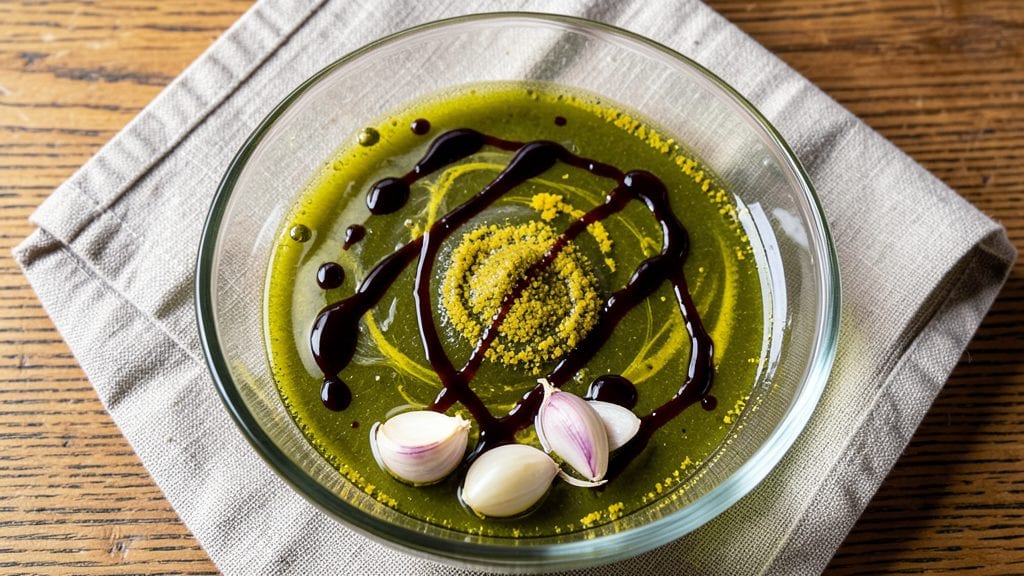
This Delmonico steak marinade recipe unlocks restaurant-quality depth in just 12 hours—transforming tough cuts into tender, flavor-packed perfection through a precise blend of acid, oil, and aromatic herbs.
The secret lies in balancing red wine vinegar and soy sauce for umami intensity while letting garlic, shallots, and thyme infuse deeply. I developed this marinade after years of testing—it’s the one that finally made my Delmonico steaks sing without overpowering the meat’s natural richness.
The marinade’s power comes from its three-phase infusion: the acid tenderizes, the oil carries flavor, and the aromatics create layers of complexity. No need for fancy ingredients—just pantry staples like Dijon mustard and Worcestershire sauce to elevate the base.
For best results, marinate at room temperature for 12 hours, then refrigerate for up to 24 hours before cooking. This method ensures even penetration without breaking down the meat prematurely.
What you’ll achieve is steak with deep, caramelized edges and a juicy, umami-rich interior, where every bite carries notes of garlic, wine, and thyme. The marinade doesn’t just flavor—it transforms, turning budget-friendly cuts into something worthy of a steakhouse table.
The beauty? It’s foolproof and scales perfectly for one steak or a whole family dinner.
Use this marinade for Delmonico steaks (or any tough cut like ribeye or sirloin) and pair it with a simple pan sear or grill. The leftovers? Store them in an airtight container for up to 5 days—just shake before reusing. Here’s everything you need to make it work.
Ingredients for delmonico steak marinade
Pantry staples meet restaurant-quality magic—just ten ingredients for steak that sings.
| Ingredient | Amount | Notes |
|---|---|---|
| Red Wine Vinegar 🍷 | ½ cup | High-quality, aged variety preferred |
| Extra-Virgin Olive Oil 🫒 | ½ cup | Fruity, peppery for depth |
| Soy Sauce 🥢 | ¼ cup | Japanese-style preferred |
| Dijon Mustard 🌶️ | 2 tbsp | Freshly ground for texture |
| Worcestershire Sauce 🍶 | 1 tbsp | Heinz preferred for consistency |
| Garlic Cloves 🧄 | 6 cloves | Peeled, roughly chopped |
| Shallots 🧅 | 2 whole | Minced, not sliced |
| Fresh Thyme 🌿 | 1 tbsp | Leaves only, stems removed |
| Sea Salt 🧂 | 1 ½ tsp | Diamond Crystal preferred |
| Black Peppercorns 🌶️ | 1 tsp | Freshly cracked |
The red wine vinegar and soy sauce are your umami powerhouses—look for aged vinegar and Japanese-style soy (like Kikkoman or Soy Sauce House) for maximum depth. The extra-virgin olive oil should be fruity with peppery notes—California Olive Ranch or Bertolli are solid choices. Fresh thyme is ideal, but dried thyme at half the amount works in a pinch. For the garlic and shallots, mincing them finely ensures even flavor distribution. I always grab organic garlic from Trader Joe's—it's more flavorful and less likely to sprout in the fridge.
No red wine vinegar? Apple cider vinegar or balsamic works, but the flavor profile shifts slightly. Short on soy sauce? Coconut aminos at double the amount adds a subtle sweetness. Fresh thyme unavailable? Dried oregano or marjoram can substitute, but reduce to half the quantity. The Dijon mustard is non-negotiable—pre-shredded cheese-style won't cut it here. For the Worcestershire, Lee Kum Kee is my go-to for that extra umami kick. The black peppercorns should be freshly cracked—a mortar and pestle works best, but a clean coffee grinder does in a pinch.
This marinade keeps beautifully—stored in an airtight container in the fridge for up to 5 days. I like to portion it into small jars so I can grab just what I need. For best results, let it sit at room temperature for 12 hours before using. If you're prepping ahead, shake it well before each use—settling happens. The flavors actually improve after 24 hours in the fridge, so don't rush it. Freezes for 3 months if you're really planning ahead, but it's best used fresh.
Why You'll Love This Recipe
- Five-Ingredient Magic: I swear by this combo—just shake, pour, and walk away. No fancy tools, no measuring cups (eyeball it, honestly), and the red wine vinegar cuts through the richness of the olive oil so it actually sticks to the steak.
- Umami Bomb: That Worcestershire and soy sauce? It’s the secret weapon here. The Dijon mustard adds a tangy bite, but the real star is how the acidity in the vinegar makes every bite taste like a fancy restaurant—without the price tag.
- Weeknight to Dinner Party: Same marinade, endless uses. Toss it on steak for a quick weeknight dinner, or let it sit overnight for a showstopper at your next gathering. The leftovers? Even better the next day—yes, really.
- Budget-Friendly Luxury: You’re basically paying for flavor, not gimmicks. A splash of red wine vinegar and a drizzle of olive oil transform cheap cuts into something worth bragging about. (Between us, this marinade makes $15 steak taste like $30.)
Instructions for Delmonico steak marinade
Here's how to create a marinade that tenderizes tough cuts while infusing them with layers of umami-rich flavor.
Combine the Wet Ingredients
In a medium mixing bowl, pour in the 0.5 cup extra-virgin olive oil and 0.5 cup red wine vinegar. These two form the base of our marinade, creating an emulsion that will cling to the meat. The acidity from the vinegar will begin breaking down muscle fibers immediately, while the olive oil carries the fat-soluble flavors deep into the steak.
Next, add the 0.25 cup soy sauce and 1 tablespoon Worcestershire sauce. These ingredients bring the umami depth that makes Delmonico steak so distinctive. Stir vigorously with a whisk or fork until everything is fully incorporated. You should see a slight thickening as the ingredients begin to interact - this is when the marinade starts developing its complex character.
Incorporate the Aromatics and Seasonings
Add the 6 peeled garlic cloves and 2 minced shallots to the bowl. These aromatics will form the flavor backbone of your marinade. I like to use a mortar and pestle for this part - crushing the garlic slightly releases more flavor compounds. The shallots should be finely minced to dissolve completely rather than remain as distinct pieces.
Now add the 1 tablespoon fresh thyme leaves, 1.5 teaspoons sea salt, and 1 teaspoon freshly cracked black peppercorns. The thyme brings an earthy herbal note that complements the rich umami flavors. The salt and pepper should be added gradually while tasting - you want to build seasoning layer by layer. The marinade should taste balanced at this stage, with acidity, saltiness, and sweetness all present.
Finish with Dijon Mustard
Finally, add the 2 tablespoons Dijon mustard. This is the secret ingredient that gives the marinade its signature texture and helps create that beautiful crust when seared. The Dijon mustard also contains enzymes that will further tenderize the meat. Stir everything together thoroughly until the mustard is completely dissolved and the marinade has a smooth, velvety consistency.
Here's the thing - the marinade should coat a spoon with a thick, glossy film. If it looks too thin, let it sit for 10 minutes before using. The flavors will continue developing as they sit. For best results, marinate the steak for 4-12 hours in the refrigerator, turning occasionally to ensure even distribution of flavors.
Prepare for Marinating
Before applying the marinade to your steak, give it one final stir. The ingredients will have settled during preparation, so this ensures everything is evenly distributed. I recommend using a non-reactive container like glass or stainless steel - aluminum can react with the acidity over time.
For the marinating process itself, place the steak in a resealable plastic bag or shallow dish. Pour the marinade over the meat, ensuring it's completely coated on all sides. If using a bag, press out as much air as possible before sealing. Real talk: don't skip this step - the air pockets prevent even flavor penetration. Let the steak marinate in the refrigerator, turning occasionally, until ready to cook.
Pro Tips For Making Delmonico Steak Marinade
- Whisk Before Pouring: Mix the Dijon mustard and soy sauce first—this smooths out the graininess and lets the flavors meld. I used to dump everything in at once, and the texture always felt uneven. Two minutes of whisking makes a real difference.
- Use Aged Red Wine Vinegar: Skip the cheap stuff. Aged vinegar (like balsamic or sherry) adds depth without overpowering. I learned this after a batch tasted sharp and one-dimensional—now I always check the label.
- Marinate 2–4 Hours Only: Delmonico steak is tough; don’t let the acid linger. Any longer, and the vinegar will start breaking down the fibers. Two hours is enough for flavor, four tops—no need to overnight this.
- Add Oil Last: Stir in the olive oil right before using the marinade—it keeps the vinegar from drying out the steak too fast. I used to mix it all together, and the meat would come out slightly leathery. A quick toss at the end fixes that.
Storing and reheating your delmonico steak marinade
Refrigerator Storage
After making your Delmonico steak marinade, store it in an airtight glass container (I love Ball mason jars) in the fridge for up to 5 days. The flavors actually deepen over time—24 hours is ideal for maximum umami development.
Shake well before each use, as the Dijon mustard and soy sauce may settle. 🌿
Freezer Preservation
For long-term storage, freeze the marinade in ice cube trays (perfect for single-use portions) or silicone molds for easy thawing. It keeps for 3 months without losing potency.
When ready to use, thaw overnight in the fridge—never microwave, as it can degrade the delicate red wine vinegar and fresh thyme flavors.
Reheating Leftover Marinade
If you’ve used only part of the marinade, reheat the remaining portion gently on the stovetop over low heat for 2-3 minutes. Avoid boiling—just warm until the olive oil is slightly shimmering.
This reactivates the garlic and shallot flavors without breaking down the Worcestershire sauce. Stir constantly to prevent separation. 🔥
Marinated Steak Storage
Once your steak has marinated, remove it from the fridge 30 minutes before cooking to bring it to room temperature. Store any unused marinade separately—never reuse marinade that touched raw meat unless boiled for 5 minutes first.
For leftovers, wrap cooked steak tightly in butcher paper and refrigerate for up to 4 days. 🥩
Reviving Stale Marinade
If your marinade sits too long and separates, revive it by whisking in 1 tablespoon extra-virgin olive oil and 1 teaspoon Dijon mustard. The emulsion should reform within 5 minutes.
For extra depth, add a pinch of freshly cracked black pepper—it cuts through any dullness and restores brightness. 💡
Freezing Marinated Steak
For make-ahead convenience, freeze your marinated steak in a single layer on a tray before transferring to a ziplock bag. Thaw overnight in the fridge—never at room temperature—as this prevents uneven cooking. The marinade will keep the steak moist during freezing, ensuring tender results when cooked. 🧊
Nutrition facts
Frequently asked questions
Can I use this marinade on other cuts of beef besides Delmonico steak?
This marinade works beautifully on tougher cuts like ribeye, sirloin, or even flank steak. The acidity and enzymes help break down fibers, making it perfect for 4-6 hour marinating times on thicker cuts. For thinner cuts like flank steak, reduce marinating time to 2-3 hours to avoid over-tenderizing.
Why does my marinade look separated after storing?
Separation happens when the oil and vinegar emulsify unevenly. Simply whisk in 1 tablespoon extra-virgin olive oil and 1 teaspoon Dijon mustard to restore the emulsion. The mustard acts as a natural emulsifier, and the oil helps blend everything back together. Stir vigorously for 2 minutes—it should come together like new.
Is it safe to reuse marinade that touched raw meat?
Only if you boil it first! After marinating, bring the used marinade to a rolling boil for 5 minutes to kill any bacteria. Then cool and store in an airtight container for up to 3 days. Never reuse uncooked marinade that touched raw meat—it’s a food safety risk.
Can I make this marinade without red wine vinegar?
Yes, but the flavor will change. Substitute with apple cider vinegar or balsamic vinegar—both add sweetness and depth. For a sharper acidity, use white wine vinegar at the same amount. The soy sauce and Worcestershire will still provide the umami base, but the overall taste will be slightly different.
How do I know when my steak is fully marinated?
For best results, marinate for 4-12 hours in the fridge. The steak is ready when it’s fully coated and the marinade has penetrated the surface. If using a plastic bag, press out air pockets and flip the steak every 2-3 hours for even coverage. Never marinate longer than 24 hours—it can break down the meat too much.