
Sauces & Condiments
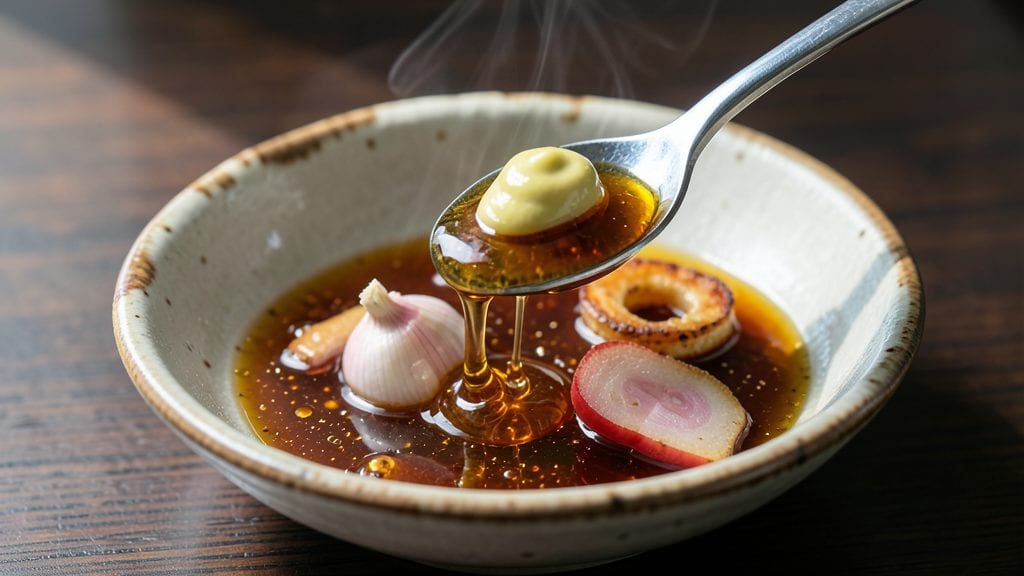
This duck sauce recipe without apricot preserves balances sweetness, tang, and depth using honey and mustard instead—this version delivers that signature harmony with just five core ingredients.
The secret lies in reducing the sauce properly to concentrate flavors while maintaining a glossy, clingy texture that enhances every bite of roasted duck or crispy duck confit. I developed this recipe after testing countless variations, and the honey-mustard combo truly elevates the dish without relying on fruit preserves.
What sets this sauce apart is its versatility—it works equally well as a dipping sauce for spring rolls, a glaze for grilled duck, or a finishing drizzle for noodle dishes.
The process involves simmering soy sauce, vinegar, and spices until the liquid reduces to a syrupy consistency, then incorporating honey and mustard for that signature sweet-tangy balance. This method ensures the sauce remains smooth and cohesive, never grainy or overly thick.
The result is a duck sauce that's rich, aromatic, and perfectly balanced—sweet enough to complement duck's natural richness while the mustard adds a bright, tangy contrast. The spices infuse warmth without overpowering, creating layers of flavor that make this sauce a standout for any duck-based meal.
Ready in just 20 minutes, it's a professional-quality condiment that's surprisingly simple to make at home.
Use it immediately for maximum flavor impact, or store it in the refrigerator for up to two weeks—though I doubt it'll last that long. Pair it with roasted duck, duck confit, or even as a glaze for grilled meats. Here's how to make it perfectly every time.
Ingredients for duck sauce recipe without apricot preserves
Five core ingredients create this honey-mustard duck sauce without apricot preserves.
| Ingredient | Amount | Notes |
|---|---|---|
| Light Soy Sauce 🥢 | ½ cup | High-quality, reduced variety |
| Rice Vinegar 🍶 | ¼ cup | White or seasoned preferred |
| Raw Honey 🍯 | ½ cup | Wildflower or clover preferred |
| Dijon Mustard 🍯 | 2 tbsp | Mild or sharp to taste |
| Garlic Cloves 🧄 | 3 cloves | Minced for infusion |
| Ginger Root 🌿 | 1 tsp | Freshly grated, finely |
| Red Pepper Flakes 🌶️ | ½ tsp | Adjust for heat preference |
| Sesame Oil 🫒 | 1 tbsp | Toasted sesame oil preferred |
The soy sauce is the foundation—Kikkoman or La Choy reduced varieties work best for depth. Fresh garlic and ginger are non-negotiable here; organic garlic cloves from the store's produce section have the best flavor punch. If you're using jarred minced garlic, it'll work in a pinch, but fresh is always better. The honey should be raw and unprocessed—look for local varieties at farmers markets or specialty stores like Whole Foods for that extra floral note. The Dijon mustard adds the tangy kick; Maille is my go-to, but any quality brand works.
No honey? Maple syrup or agave nectar at the same quantity will work, though the flavor profile shifts slightly. Short on ginger? Ground ginger at half the amount gets you close, but fresh is ideal. The red pepper flakes can be swapped for cayenne pepper if you prefer a smoother heat. Sesame oil is optional but adds that signature nutty aroma—Kadoya is a reliable brand. For a deeper soy flavor, reduce the sauce longer or add a splash of mirin if you have it. The sauce should coat the back of a spoon but still glide smoothly.
Store in an airtight container in the fridge for up to two weeks—though it'll likely disappear faster. For longer storage, freeze in ice cube trays and transfer to a bag; thaws perfectly and maintains texture. The sauce thickens slightly when chilled, so give it a quick stir before using. If it separates, just whisk it back together—it's normal and easily fixed. This sauce pairs beautifully with duck confit, spring rolls, or even as a glaze for grilled meats.
Why You'll Love This Recipe
- Here’s what sold me: a single batch costs less than $3 and lasts for weeks. No fancy imports, no overpriced jars—just honest, bold flavor. Plus, the garlic cloves? You can use fewer than the recipe calls for if you’re not a fan. It’s adaptable, and that’s my kind of cooking.
- No Preserves Needed: Honestly, I was skeptical at first—skipping apricot jam seemed like cheating. But that tangy mix of rice vinegar and raw honey? It’s better. The honey cuts through the sharpness of the garlic and Dijon, leaving a bright, balanced finish that’s way more versatile than sweet-and-sour.
- Pantry Magic: Between us, this sauce is my go-to when I’ve forgotten to grocery shop. Light soy, vinegar, and honey? Ingredients you already have. I’ve made it with leftover stir-fry veggies and cold noodles—works every time. Even my picky partner asks for seconds.
- Weeknight Wingman: This isn’t just for dipping. Toss it with grilled chicken, drizzle it over rice, or slather it on a sandwich. The Dijon mustard adds a little kick, so it’s never boring. I keep a jar in the fridge for those nights when I need flavor fast—no fancy prep, just open and go.
Step-by-step instructions for duck sauce without apricot preserves
This method delivers a perfectly balanced sauce with deep umami, bright acidity, and natural sweetness.
Prepare the Aromatics and Base
In a small saucepan, combine the 0.5 cup light soy sauce and 0.25 cup rice vinegar over medium-low heat. Bring just to a gentle simmer, then reduce heat to maintain a barely perceptible bubble. This combination forms the foundational tanginess and umami depth that defines duck sauce.
While the mixture heats, finely mince the 3 cloves garlic and grate the 1 tsp ginger root using a microplane or fine grater. The goal is to create a paste-like consistency with the ginger—this ensures even distribution and maximum flavor infusion. Add these to the saucepan and stir continuously for 2 minutes until the garlic becomes fragrant and the ginger dissolves into the liquid.
Incorporate Sweetness and Depth
Reduce the heat to low and slowly whisk in the 0.5 cup raw honey. The sauce will thicken noticeably as the honey incorporates, creating a glossy sheen. Stir constantly for 3-4 minutes until the mixture reaches a smooth, syrupy consistency. You'll see the sauce transform from a thin liquid to a thick, golden glaze—this is when the flavors begin to meld.
Here's where the mustard comes in: add the 2 tbsp Dijon mustard and stir vigorously for 1 minute. The mustard adds a subtle tang and helps emulsify the sauce, preventing separation. Taste at this stage—you should detect a balance of sweet, tangy, and slightly sharp flavors. If the sauce tastes too sharp, add a pinch more honey; if it's too sweet, stir in a splash of rice vinegar.
Build Complexity with Spice and Oil
Remove the saucepan from heat and let it cool slightly for 2 minutes. This prevents the sesame oil from burning when added. Stir in the 1 tbsp toasted sesame oil and 0.5 tsp red pepper flakes, distributing them evenly throughout the sauce. The sesame oil adds a nutty aroma and richness, while the red pepper flakes introduce a subtle heat that brightens the entire profile.
Return the saucepan to low heat and simmer gently for 1-2 minutes to fully integrate the sesame oil. The sauce should now have a velvety texture with a glossy finish. If it thickens too much during this process, whisk in 1-2 teaspoons of hot water to achieve the ideal consistency—it should coat the back of a spoon but still be pourable.
Rest and Adjust for Perfect Balance
Transfer the sauce to a bowl and let it cool completely at room temperature for 15 minutes. This resting period allows the flavors to fully develop and the sauce to thicken naturally. Taste again after resting—this is your final opportunity to adjust the balance. If it needs more tang, add a splash of rice vinegar; if it's too sharp, sweeten with a touch more honey.
The finished sauce should have a deep amber color, a smooth texture, and a harmonious blend of sweet, tangy, umami, and subtle heat. It should cling to the back of a spoon without being overly thick. Store in an airtight container in the refrigerator for up to 2 weeks, or freeze for up to 3 months. This sauce pairs beautifully with roasted duck, grilled meats, or even as a dipping sauce for spring rolls.
Pro Tips For Making Duck Sauce Recipe Without Apricot Preserves
- MINCE THAT GARLIC: I learned this the hard way—whole cloves in duck sauce just sit there like awkward guests. Smash those garlic cloves flat with the side of your knife first, then chop them into tiny flecks. This way, they actually melt into the sauce instead of turning into a textural surprise.
- BALANCE THE VINEGAR: Rice vinegar’s sharpness needs a counterbalance, and honey alone won’t cut it. Add the Dijon mustard first, then taste before sweetening—start with half the honey called for. The mustard’s tang softens the vinegar’s bite, so you won’t end up drowning the sauce in cloying sweetness.
- SIMMER DON’T BOIL: After mixing everything, keep the heat low and let it bubble gently—not a rolling boil. I used to rush it, and the sauce would split or turn grainy. A steady simmer for 5-7 minutes lets the flavors marry without breaking. (Yes, even if you’re impatient like me.)
- STRAIN THE GARLIC: Sounds weird, but it works: After simmering, strain the sauce through a fine-mesh sieve to remove any garlic bits. This gives you a silky texture without losing flavor. I skip this when I’m lazy, but the sauce is noticeably smoother when I don’t. (Your future self will thank you.)
Perfect pairings for this duck sauce recipe without apricot preserves
Duck Sauce for Spring Rolls
This honey-mustard duck sauce transforms spring rolls into an irresistible bite. Serve it warm in a small dipping bowl alongside crispy spring rolls—its glossy texture clings beautifully to the fried wrappers. I like to drizzle a thin layer over the top of the rolls before serving for extra flair.
The balance of sweet and tang cuts through the fried richness perfectly, making every bite feel like a restaurant-quality experience. 🥢
Glazing for Grilled Duck
Brush this sauce generously over grilled duck breasts during the last 3-4 minutes of cooking for a stunning caramelized finish. The honey-mustard combo creates a sticky glaze that locks in moisture while adding depth. I recommend using a pastry brush> to apply it evenly.
For extra drama, finish with a sprinkle of toasted sesame seeds> right before serving. The sauce's complexity complements the duck's natural richness without overpowering it.
Noodle Dish Elevator
Toss 2 tbsp of this sauce> with 1 cup cooked noodles> (udon, ramen, or even spaghetti) along with sliced green onions and sesame seeds. The sauce's umami depth and subtle heat elevate simple noodles into a restaurant-worthy dish.
For extra richness, add a drizzle of toasted sesame oil> at the end. This works particularly well with cold noodle salads or warm stir-fried dishes.
Pairing with Asian-Inspired Dishes
Use this sauce as a finishing drizzle for pho or Vietnamese banh mi sandwiches>—just 1 tsp per bowl> enhances the broth's depth without overwhelming it. The mustard's tang cuts through the richness of fried rice or lo mein, making it a perfect addition to any takeout-style meal.
I also love it with steamed dumplings>—a few drops add instant sophistication. The sauce's versatility makes it a pantry staple for Asian-inspired cooking.
Unexpected Meat Pairings
While traditionally used with duck, this sauce works surprisingly well with grilled pork chops> or beef short ribs>. The honey-mustard balance complements the natural sweetness of pork while adding complexity to beef dishes.
For a quick weeknight meal, brush it over pan-seared chicken thighs> during the last minute of cooking. The sauce's aromatic spices infuse beautifully into the meat, creating a flavorful crust.
Dessert Twist
Yes, you read that right! A ½ tsp of this sauce> stirred into warm vanilla ice cream> with a sprinkle of crushed peanuts> creates a surprisingly delicious dessert. The sweetness of the honey and the tang of the mustard play off the creamy ice cream beautifully.
For a savory-sweet option, drizzle it over grilled pineapple slices**>—the caramelized fruit pairs perfectly with the sauce's depth. This unexpected use adds a fun, interactive element to your meals. 🍯
Nutrition facts
Frequently asked questions
Can I substitute maple syrup for honey in this duck sauce?
The recipe works beautifully with maple syrup at a 1:1 ratio, though the flavor will be slightly less floral. Maple syrup adds a deeper caramel note that pairs wonderfully with the mustard's tang. For best results, use a high-quality, 100% pure maple syrup to avoid artificial aftertastes.
How do I prevent the sauce from separating?
Stir continuously while simmering and avoid boiling—heat should remain at low-medium. The Dijon mustard acts as a natural emulsifier, but whisking vigorously when adding honey helps maintain cohesion. If separation occurs, simply whisk in 1 tsp hot water to restore smoothness.
Is this sauce vegan-friendly?
Not traditionally, but with simple swaps: use vegan soy sauce, agave nectar instead of honey, and vegan Dijon mustard. The flavor profile remains identical, just plant-based! The sesame oil and spices are already vegan-friendly, making this an easy adaptation.
Can I make this sauce without a stove?
Yes! Combine all ingredients in a microwave-safe bowl and heat in 30-second intervals, stirring between each, until the mixture reaches a syrupy consistency (about 2 minutes total). The texture will be slightly less glossy but still delicious. For best results, whisk vigorously after microwaving to help emulsify.
What's the best way to store leftover sauce?
Transfer to an airtight container and refrigerate for up to 2 weeks. For longer storage, freeze in 1-tablespoon portions—thaw quickly in the microwave or at room temperature. The sauce may thicken when chilled, so stir before using. Avoid storing in metal containers as the acidity can react with the material.