
Breakfast & Brunch
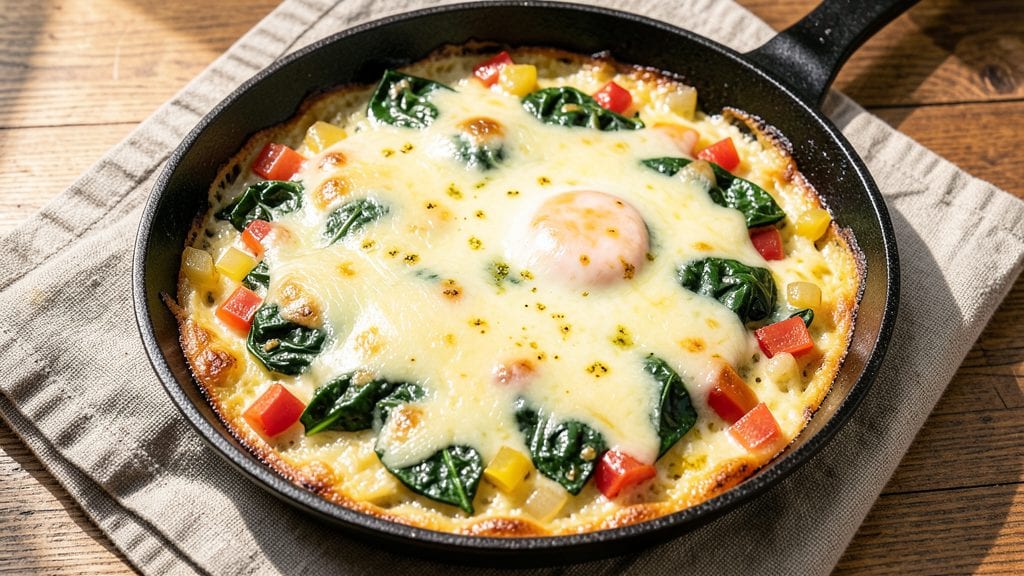
This egg fritata recipe delivers a restaurant-quality breakfast with a fluffy golden crust and cheesy pull-apart layers that make every bite satisfying. After years of testing variations, I’ve perfected a method that balances crispy edges with tender, custardy centers—no flipping required.
The secret lies in proper heat control and ingredient layering, which creates those signature pockets of melted cheese and perfectly set egg.
What makes this fritata stand out is its versatility—it works equally well for breakfast or dinner, and the technique is simple enough for weeknight cooking. You’ll start with a base of sautéed vegetables (like onions, peppers, or spinach) for flavor, then pour in beaten eggs mixed with cheese and seasonings.
The magic happens when you let it set on the stovetop before transferring to the oven for that signature golden finish.
The result is a dish that’s crispy on the outside, creamy inside, and packed with cheesy goodness that pulls apart cleanly. It’s heartier than scrambled eggs but quicker than a quiche, making it the ideal solution for busy mornings or lazy weekends.
Plus, you can customize it with your favorite fillings—bacon, mushrooms, or even black beans for a vegetarian twist.
Serve it warm with a side of fresh greens or crusty bread, or let it cool slightly and slice into wedges for easy grab-and-go meals. This fritata keeps well in the fridge for up to three days, so you can make a big batch and enjoy it all week.
Let’s get cooking!
Ingredients for egg fritata
Pantry staples plus a handful of fresh ingredients for that golden, cheesy fritata magic.
| Ingredient | Amount | Notes |
|---|---|---|
| Large Eggs 🥚 | 6 whole | Room temperature for best results |
| Shredded Sharp Cheddar Cheese 🧀 | 1 ½ cups | Freshly shredded from block |
| Fresh Spinach 🌿 | 2 cups | Chopped, packed tightly |
| Yellow Onion 🧅 | ½ cup | Diced small for even cooking |
| Bell Pepper 🍅 | ½ cup | Diced small, any color |
| Garlic Cloves 🧄 | 2 cloves | Minced finely for flavor |
| Extra-Virgin Olive Oil 🫒 | 2 tbsp | High quality for best flavor |
| All-Purpose Flour 🌾 | 1 tbsp | For crispy crust texture |
| Salt 🧂 | ½ tsp | Kosher or sea salt |
| Ground Black Pepper 🌶️ | ¼ tsp | Freshly ground preferred |
| Dried Oregano 🍃 | ¼ tsp | Or substitute fresh basil |
| Fresh Chives 🌱 | 2 tbsp | Chopped for garnish |
The cheese is non-negotiable here—sharp cheddar melts best for that pull-apart texture. Grab a block from the deli counter and shred it yourself (pre-shredded gets clumpy). Trader Joe's or Whole Foods have great options, but any good grocery store will do. The spinach should be fresh—wilting leaves won't cook down properly, so check the date. For the veggies, yellow onion and bell pepper are classic, but swap in mushrooms or zucchini if you prefer. Just make sure everything's diced small so it cooks evenly under the eggs.
No sharp cheddar? Monterey Jack or Gruyère work beautifully too. Fresh spinach wilting? Frozen chopped spinach works great—just thaw and drain it first. The olive oil matters—use something fruity and peppery, not the cheap stuff. For extra flavor, toast the flour in the pan for 30 seconds before adding veggies (trust me on this). The garlic can be pre-minced from a jar if you're in a rush, but fresh is always better. Need a veggie swap? Sun-dried tomatoes or roasted red peppers add a nice twist.
This fritata reheats beautifully—just pop it in the oven at 350°F for 10-15 minutes until warmed through. Keeps for 3-4 days in the fridge, wrapped tightly. For meal prep, slice into wedges and store in containers. Freezes well for up to 2 months—just reheat covered to prevent drying. The chives add freshness, but skip them if you're prepping ahead (they'll wilt).
Why You'll Love This Recipe
- One-Pan Magic: I swear by the simplicity of this—just crack, whisk, and toss. No fancy gadgets, no dirty dishes piling up. The onions and peppers soften while the eggs set, and that sharp cheddar melts into gooey perfection without a single extra pan.
- Cheesy Crispy Core: That first bite where the top’s golden and crispy but the inside stays creamy? It’s the spinach and cheese working their magic. Honestly, the sharp chedddar makes this taste like a hug for your taste buds—salty, rich, and just a little addictive.
- Meal Prep MVP: Between us, this is my go-to for lunches all week. Slice it up, pack it in containers, and reheat it—still tastes fresh. (Yes, even on a Tuesday night when you’re too tired to think.) Plus, it’s the kind of dish that works for breakfast, brunch, or a light dinner.
- Budget-Friendly Protein: Eggs and cheese stretch so far, and veggies like spinach and peppers are cheap but pack a flavor punch. I make this for four people for under $8, and everyone leaves happy. Not the prettiest, but the taste makes up for it every time.
Step-by-step instructions for fluffy golden crust fritata
Here's how to create a restaurant-quality fritata with crispy edges and cheesy layers that pull apart beautifully.
Prep and Sauté the Vegetable Base
Heat the 2 tablespoons extra-virgin olive oil in a 10-inch oven-safe skillet over medium heat. Add the ½ cup diced yellow onion and ½ cup diced bell pepper, cooking for 4-5 minutes until softened but still vibrant in color. You want them to release moisture but not turn mushy.
Add the 2 minced garlic cloves and cook for 30 seconds until fragrant—this prevents that bitter garlic taste that ruins everything. Immediately stir in the 2 cups chopped fresh spinach and cook just until wilted, about 1 minute. The spinach should be bright green with no visible stems remaining. Remove the skillet from heat and set aside.
Whisk Eggs and Season Perfectly
In a large bowl, whisk together the 6 whole large eggs until just combined. Add the 1 tablespoon all-purpose flour, ½ teaspoon salt, ¼ teaspoon ground black pepper, and ¼ teaspoon dried oregano, whisking until fully incorporated. The flour helps create that crispy crust we're after.
Gently fold in the 1½ cups freshly shredded sharp cheddar cheese using a spatula, being careful not to overmix. The cheese should be evenly distributed but still show some visible chunks. Here's the thing—don't worry if it looks slightly lumpy. The texture will be perfect once baked.
Cook the Fritata on Stovetop
Return the skillet with sautéed vegetables to medium-low heat. Pour in the egg mixture, tilting the skillet to spread evenly. Let it cook undisturbed for 3-4 minutes until the edges begin to set and the top looks slightly dry around the edges.
Sprinkle the 2 tablespoons chopped fresh chives evenly over the top. This is where the magic happens—gently shake the skillet occasionally for the next 2-3 minutes to help the cheese distribute and create those signature pull-apart layers. You'll see the bottom turn golden while the top remains slightly soft.
Finish in the Oven for Crispy Perfection
Transfer the skillet to a preheated 375°F oven and bake for 12-15 minutes until the top is golden brown and the center is just set. The key is to watch closely in the last few minutes—you want it to be fully cooked but still slightly custardy in the center.
Let the fritata rest for 5 minutes before serving. This resting time allows the cheese to fully melt and the structure to set properly. The result should be a crispy golden crust on the bottom, cheesy pull-apart layers in the middle, and a slightly soft top that's still rich and flavorful.
Pro Tips For Making Egg Fritata
- Prep Spinach Right: Dump raw spinach straight into the eggs, and you’ll end up with a sad, watery mess. Instead, blanch it first—drop the leaves into boiling water for 30 seconds, then shock in ice water. This wilts it down, removes bitterness, and keeps your fritata from turning into a spinach soup. Trust me, your future fritata will be firmer and tastier.
- Salt the Eggs: Seasoning the eggs before cooking is non-negotiable here. Whisk in 1 teaspoon of salt (and a crack of black pepper) with the eggs—this prevents a bland center and helps the cheese melt smoothly. I used to skip this, and the fritata always tasted flat, even with all the cheddar.
- Start Hot, Finish Foil: Get your pan screaming hot before adding the egg mixture—this guarantees a golden crust on the bottom. Once the edges set (about 3-4 minutes), lower the heat to medium and cover with foil to steam the center. After 5 minutes, peek and check for doneness; foil keeps the spinach from turning to mush while the top finishes.
- Dice Onions Small: Big onion chunks will sit like rocks in your fritata, refusing to soften. Pulse them in a food processor or finely dice them by hand—aim for 1/8-inch pieces. The same goes for bell peppers: smaller bits cook faster and blend into the texture instead of feeling like separate bites. I learned this after biting into a fritata with a chewy onion surprise.
Troubleshooting your egg fritata
Eggs Too Runny
If your fritata comes out undercooked with runny eggs, the issue is usually underbaking or too much liquid. First, check your oven temperature—it should be 375°F (not lower). I’ve found that using room-temperature eggs helps them cook more evenly.
For extra insurance, bake for 5-10 minutes longer if the center still looks jiggly. If the problem persists, reduce the spinach slightly (it releases moisture) or pat it very dry before adding. 🌡️
Cheese Not Melting
Cheese clumping or failing to melt properly usually means too much cheese or incorrect oven temperature. Stick to 1½ cups shredded cheese (as in the recipe) and avoid pre-shredded varieties—they contain anti-caking agents that prevent smooth melting.
Preheat your oven thoroughly and consider placing a small baking sheet under the skillet to ensure even heat distribution. For stubborn clumps, try Gruyère or Monterey Jack—they melt more smoothly than sharp cheddar.
Crust Too Soft
A soft crust happens when the flour isn’t toasted or the heat isn’t high enough. Always toast the 1 tablespoon flour in the skillet for 30 seconds before adding veggies to create a proper crust base. Use medium-high heat on the stovetop and ensure your oven is fully preheated.
If the crust still feels doughy, broil for 1-2 minutes at the end (watch closely to avoid burning). A 10-inch cast-iron skillet (like Lodge) conducts heat better than nonstick for crispy results.
Veggies Overcooked
Mushy vegetables ruin the texture, so cook them just until tender-crisp (about 4-5 minutes total). The key is high heat—never let them sit in the pan. Use a stainless steel or cast-iron skillet (not nonstick) for better heat control.
For spinach, add it last and cook for only 30-60 seconds until just wilted. If using mushrooms, slice them thin and cook until golden, not brown. Overcrowding the pan also steams the veggies—keep them in a single layer.
Fritata Sticking
Sticking happens when the pan isn’t hot enough or the eggs set too quickly. Always preheat your skillet over medium heat for 2 minutes before adding oil. Use extra-virgin olive oil (not butter) for high-heat stability.
If it still sticks, try this pro trick: After pouring the eggs, immediately place the skillet in the oven (no stovetop cooking) for 10 minutes before finishing. This prevents premature sticking while the eggs set evenly. A well-seasoned cast-iron skillet is your best friend here.
Uneven Cooking
Uneven doneness often means inconsistent heat distribution. Avoid placing your skillet on the middle rack—use the top rack for even oven heat. If your oven runs hot, reduce the temperature to 350°F. For stovetop issues, use medium-low heat and avoid moving the pan.
If the edges cook faster, try covering the skillet with a lid for the first 3 minutes of stovetop cooking to help the center set. A digital thermometer (like Thermoworks Smoke) ensures your oven is truly at the right temp.
Nutrition facts
Frequently asked questions
Can I make this fritata ahead of time?
This fritata reheats beautifully. Prepare it up to 3 days ahead and store it in an airtight container in the fridge. To serve, warm it in a 350°F oven for 10-15 minutes until heated through. For freezing, slice into wedges and freeze for up to 2 months—reheat covered to prevent drying.
What’s the secret to getting that crispy crust?
The golden crust comes from toasting the flour in the skillet for 30 seconds before adding veggies, plus using medium-high heat on the stovetop. A 10-inch cast-iron skillet (like Lodge) works best—it retains heat better than nonstick pans. Don’t skip the flour!
Can I make this fritata vegetarian?
This recipe is already vegetarian-friendly! Swap the cheese for vegan alternatives like Miyoko’s or add plant-based fillings like black beans, roasted sweet potatoes, or sautéed mushrooms. Just reduce any extra moisture (like from beans) to avoid a runny fritata.
Why does my fritata come out dry?
Overcooking is the usual culprit. Remove it from the oven when the center is just set (it’ll firm up while resting). Avoid high oven temps—stick to 375°F and bake for 12-15 minutes max. If using extra-moist veggies (like zucchini), pat them dry first or reduce quantity.
What’s the best way to serve leftover fritata?
Slice into wedges for easy grab-and-go meals! Serve warm with a side of avocado slices, roasted tomatoes, or a simple arugula salad. For breakfast, top with hot sauce or sriracha mayo. It also makes a great lunch when wrapped in tortillas with cilantro-lime rice.