
Breakfast & Brunch
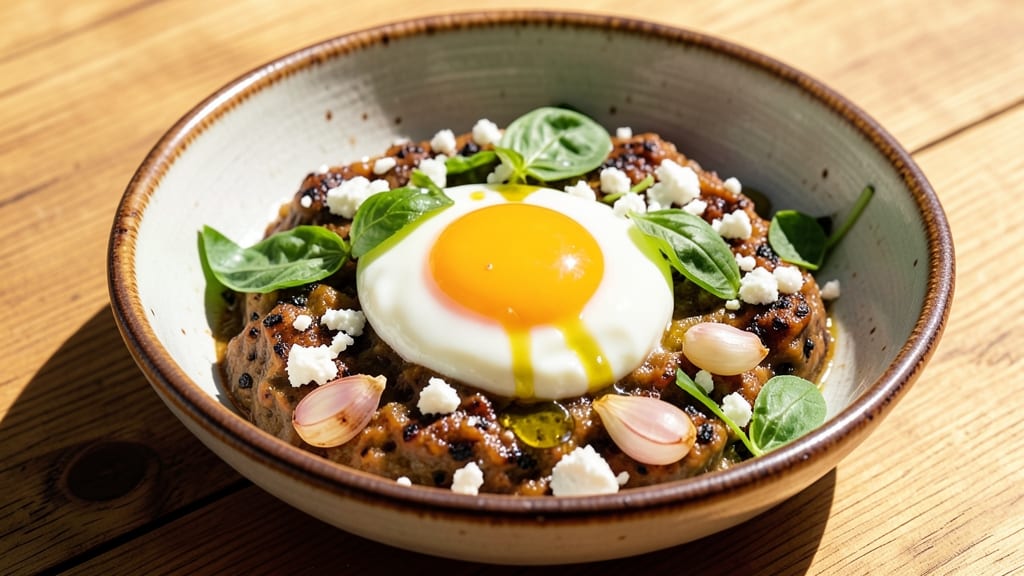
This eggplant egg recipe transforms a classic breakfast into a savory umami masterpiece that will redefine your morning routine. The secret lies in roasting eggplant until tender and caramelized, then combining it with eggs for a dish that's rich, satisfying, and packed with texture.
I developed this recipe after realizing how often we overlook eggplant in breakfast dishes—until now. ✨
The beauty of this dish is its balance: roasted eggplant adds a deep, earthy sweetness that pairs perfectly with the creamy, protein-rich eggs.
You'll start by roasting the eggplant until it's tender and slightly charred, then mix it with beaten eggs and seasonings for a one-pan meal that's ready in 20 minutes. The result is a dish that's hearty enough for brunch but simple enough for a quick breakfast.
What you'll end up with is a golden, fluffy eggplant-egg casserole with crispy edges and a velvety center—think of it as a cross between shakshuka and a frittata, but with a unique twist.
The eggplant absorbs the flavors beautifully, while the eggs bind everything together into a cohesive, protein-packed bite. This is the kind of breakfast that keeps you full and energized for hours.
Serve with a sprinkle of fresh herbs, a drizzle of olive oil, or a side of crusty bread to soak up every last bit. The possibilities for variations are endless—add feta for extra creaminess, red pepper flakes for heat, or fresh tomatoes for brightness. Let’s get cooking!
Ingredients for eggplant egg
Roasted eggplant meets fluffy eggs in this umami-packed breakfast that’s faster than takeout.
| Ingredient | Amount | Notes |
|---|---|---|
| Eggplant 🍆 | 1 lb | Japanese or Italian variety preferred |
| Large Eggs 🥚 | 6 whole | Room temperature for best binding |
| Extra-Virgin Olive Oil 🫒 | ½ cup | High quality, fruity variety |
| Garlic Cloves 🧄 | 4 cloves | Minced for depth of flavor |
| Fresh Basil Leaves 🌿 | ¼ cup | Chopped, for brightness |
| Feta Cheese 🧀 | ½ cup | Crumbled, for tangy contrast |
| Diamond Crystal Kosher Salt 🧂 | 1 ½ tsp | For seasoning and roasting |
| Ground Black Pepper 🌶️ | ½ tsp | Freshly ground for heat |
| Red Pepper Flakes 🔥 | ¼ tsp | Optional for subtle heat |
| Fresh Lemon Juice 🍋 | 1 tbsp | Brightens the dish |
| Crusty Bread 🍞 | 4 slices | For serving, optional |
| Fresh Parsley 🌿 | ⅛ cup | Chopped, for garnish |
The eggplant is the star—Japanese varieties like Hokkaido stay firm when roasted, but any globe eggplant works. Trader Joe's or Whole Foods carry the best cuts, but the regular grocery store stuff is fine if it's firm and heavy. Cut into 1-inch cubes, toss with olive oil, salt, and pepper, then roast at 400°F until caramelized—about 25 minutes. That deep, smoky sweetness is what transforms this into something special. I always roast mine in a single layer so they get crispy edges, not soggy centers. Skip the pre-cut bags—they’re waterlogged and won’t caramelize right.
No feta? Goat cheese or crumbled halloumi works just as well—both add that tangy richness. Short on basil? Fresh parsley or cilantro at the same amount keeps the brightness. The red pepper flakes are optional, but trust me, they elevate it—start with half and adjust to taste. Lemon juice is key here; if you’re using bottled, fresh-squeezed is worth the extra 30 seconds. For extra umami, add a dash of soy sauce to the eggplant before roasting. And if you’re feeling fancy, swap half the eggs for ricotta or mascarpone for a creamier texture.
Roasted eggplant keeps 3 days in the fridge, so make a batch ahead—it’s perfect for meal prep. Store the eggs separately until ready to scramble or bake. The whole dish reheats beautifully; just pop it in a skillet for a few minutes. I like to portion mine into small cast-iron skillets for easy grab-and-go breakfasts. Garnish with fresh herbs right before serving—they wilt fast, so don’t do it too early. Leftovers? Tuck them into a sandwich or wrap for lunch the next day.
Why You'll Love This Recipe
- No-Fuss Prep: I swear, this takes less time than deciding what to eat. Slice the eggplant, crack in the eggs, and let the oven do the rest—no chopping mountains of veggies or fussy techniques.
- Umami Bomb: That crispy eggplant meets runny egg yolk? It’s like a Mediterranean hug. The garlic and basil turn it from "dinner" to "I’d drive 20 minutes for this again."
- Leftover Hero: The flavors actually get better the next day. I pack it for lunch—cold eggplant stays sturdy, and the eggs? Still creamy perfection. (Yes, even on a Tuesday night.)
- Budget Flex: Eggplant’s dirt-cheap, eggs are a pantry staple, and olive oil stretches farther than you’d think. Here’s what sold me—this feeds four for under $10, and no one complains about seconds.
Step-by-step instructions for eggplant egg recipe
Transform humble ingredients into a bold breakfast with this umami-packed method—fast and flavorful.
🔥 Step 1: Roast the Eggplant for Rich Depth
Preheat your oven to 425°F and line a baking sheet with parchment paper. Cut the 1 lb eggplant into ½-inch thick slices and arrange them in a single layer on the sheet. Drizzle with 2 tablespoons of the 0.5 cup extra-virgin olive oil and sprinkle evenly with 1 teaspoon of the 1.5 tsp diamond crystal kosher salt and ¼ teaspoon of the 0.5 tsp ground black pepper.
Roast for 20-25 minutes until the edges are deep golden brown and the eggplant yields slightly when pressed. Flip the slices halfway through for even browning. The roasting caramelizes natural sugars, creating that irresistible umami flavor we're after. Here's the thing—don't overcrowd the pan or the eggplant will steam instead of crisp.
🍳 Step 2: Sauté Garlic and Basil for Aromatic Foundation
While the eggplant roasts, heat 1 tablespoon of the remaining 0.5 cup extra-virgin olive oil in a large skillet over medium heat. Add the 4 minced garlic cloves and sauté for 30-45 seconds until fragrant but not browned—you want to preserve that sweet garlic flavor, not burn it.
Add the 0.25 cup chopped fresh basil leaves and cook for another 30 seconds until just wilted. Remove from heat and stir in the 0.25 tsp red pepper flakes (if using) and 1 tablespoon fresh lemon juice. This aromatic base will infuse the eggs with bright, herbal notes that cut through the richness.
👨🍳 Step 3: Whisk Eggs with Feta for Creamy Texture
In a large bowl, crack the 6 whole large eggs and whisk vigorously for 30 seconds until the yolks and whites are fully combined. Add the 0.5 cup crumbled feta cheese and whisk again until evenly distributed. Season with the remaining ½ teaspoon of diamond crystal kosher salt and ¼ teaspoon of the 0.5 tsp ground black pepper.
Here's where it gets good—taste the mixture and adjust seasoning if needed. The feta adds a tangy contrast that balances the eggplant's richness. I like to add a pinch more salt at this stage because eggs can be bland on their own. Keep the mixture at room temperature—cold eggs won't incorporate as well.
🥘 Step 4: Combine and Cook the Eggplant Egg Mixture
Remove the roasted eggplant from the oven and let it cool for 5 minutes (this prevents the eggs from curdling when mixed). Transfer the eggplant to the skillet with the garlic-basil mixture and stir gently to combine. Pour the egg-feta mixture over the eggplant and stir once more to distribute evenly.
Cook on low heat for 2-3 minutes—just until the eggs are set but still slightly runny in the center. The residual heat from the eggplant will finish cooking the eggs gently. You'll know it's ready when the mixture holds its shape when you tilt the pan slightly but still has a custardy texture.
🍽️ Step 5: Serve with Crusty Bread and Fresh Parsley
Transfer the eggplant egg mixture to serving plates and let it rest for 2 minutes. Top with the remaining 0.125 cup chopped fresh parsley for a pop of color and freshness. Serve immediately with the 4 slices crusty bread on the side for dipping—it soaks up all that creamy goodness.
This dish is best enjoyed fresh when the eggplant is still warm and the eggs are just set. The combination of roasted eggplant, creamy eggs, and tangy feta creates a savory breakfast that's anything but ordinary. Don't skip the lemon juice—it brightens the whole dish and balances the richness beautifully.
Pro Tips For Making Eggplant Egg
- SALT THE EGGPANT FIRST: Toss sliced eggplant with 1 teaspoon of salt right after cutting—let it sit for 10 minutes, then pat very dry. I learned this the hard way when my eggplant turned mushy; the salt pulls out excess water, and drying it guarantees a crispy texture when it hits the pan later.
- CRACK EGGS INTO ICE WATER: Before whisking, crack eggs into a bowl of ice water—it keeps the whites from over-beating into foam. My grandmother swore by this, and she was right: the cold water also helps the eggs cook more evenly in the pan, giving you that silky, not rubbery, finish.
- LOW AND SLOW FOR GARLIC: Sauté minced garlic in olive oil over low heat until it’s golden, not brown—about 3-4 minutes. After burning three batches, I finally figured out that high heat torches the flavor; this way, the garlic infuses the oil without bitterness, making the whole dish taste richer.
- STACK BASIL LAST MINUTE: Tuck fresh basil leaves into the dish right before serving—no pre-chopping or wilting. Sounds weird, but it works: the heat kills the vibrant green color and the sharp aroma, so adding it last keeps the basil bright and pungent, not sad and limp.
Essential equipment for this recipe
Roasting Pan Essentials
Start with a rimmed baking sheet—I swear by All-Clad Stainless Steel for even heat distribution. The rim keeps juices contained, and stainless steel handles high temperatures without warping.
Avoid dark pans; they absorb too much heat, risking uneven cooking. For a budget-friendly option, Ozeri 18/10 Stainless Steel works perfectly. 🔥
Skillet Selection
A 10-inch cast iron skillet is my go-to for this recipe—it retains heat beautifully and creates those coveted crispy edges. If you don’t own cast iron, a well-seasoned carbon steel skillet or All-Clad Stainless Steel (with a glass lid) works too.
Avoid nonstick for this dish; the high heat can degrade coatings, and the texture suffers. Preheat your skillet for 2-3 minutes before use to ensure even cooking.
Whisk and Mixing Tools
Use a balloon whisk (like OXO Good Grips) for whisking eggs—it incorporates air efficiently, creating fluffy texture. For mixing eggplant and eggs, a heatproof silicone spatula (such as Epicurean) is ideal; it won’t melt or scratch your skillet.
If you’re prepping ahead, a stainless steel mixing bowl (like Le Creuset) keeps ingredients at room temperature for better binding.
Cheese Tools
For feta, a microplane or box grater (like Kuhn Rikon) gives you the perfect crumble without clumping. Avoid pre-shredded cheese—it’s coated with anti-caking agents that make the dish taste artificial.
If you’re using halloumi, a sharp chef’s knife works best for slicing thin pieces that crisp up beautifully. Store cheese in an airtight container in the fridge to maintain freshness.
Garnish and Serve
Fresh herbs like parsley or basil need a sharp pair of kitchen shears (like Mercer Culinary) for quick chopping. For serving, I love ceramic plates—they keep food warm longer and elevate presentation.
If you’re making this ahead, store garnishes separately and add them just before serving to preserve color and texture. A small squeeze bottle (like OXO Good Grips) makes drizzling olive oil or lemon juice effortless. 💫
Optional Upgrades
Invest in a digital instant-read thermometer (like ThermoWorks Thermapen) to check eggplant doneness—it should reach 185°F internally for perfect tenderness. For extra crispiness, a mandoline slicer (like OXO Good Grips) ensures uniform eggplant slices.
If you’re meal prepping, glass storage containers (like Pyrex) keep flavors intact for up to 3 days in the fridge. 💡
Nutrition facts
Frequently asked questions
Why does roasting eggplant first make this dish better?
Roasting caramelizes the eggplant's natural sugars, creating deep, smoky umami flavors that elevate the dish beyond basic scrambled eggs. This process also removes excess moisture, so the eggplant absorbs the egg mixture perfectly without making it soggy. The texture becomes tender yet slightly crispy, adding a satisfying contrast to the creamy eggs.
Can I make this recipe without feta cheese?
Swap feta for goat cheese, halloumi, or ricotta for a similar tangy richness. If you prefer no cheese, add 1 tablespoon nutritional yeast for a cheesy flavor without dairy. The key is balancing the eggplant's earthiness with something bright—lemon juice or fresh herbs work well too.
How do I fix rubbery eggplant?
Rubbery eggplant usually happens from overcooking or not salting properly. First, slice it 1/2-inch thick and salt generously—let it sit 20 minutes to draw out moisture before roasting. Roast at 425°F for 20-25 minutes until tender but not mushy. If already cooked, blend with eggs and cook on low heat to reabsorb moisture.
Can I prep this ahead of time?
Roast the eggplant 1 day ahead and store in an airtight container in the fridge. Keep eggs separate until ready to cook. Reheat eggplant in a skillet for 2 minutes, then mix with fresh eggs. For a make-ahead brunch, assemble everything (except eggs) the night before and cook fresh in the morning.
What’s the best way to reheat leftovers?
Leftovers keep 3 days in the fridge. Reheat gently in a skillet over low heat for 3-4 minutes, stirring occasionally, until warmed through. Avoid the microwave—it makes eggs rubbery. For extra crispiness, broil for 1-2 minutes after reheating. Add a splash of water to the pan to prevent sticking.