Desserts
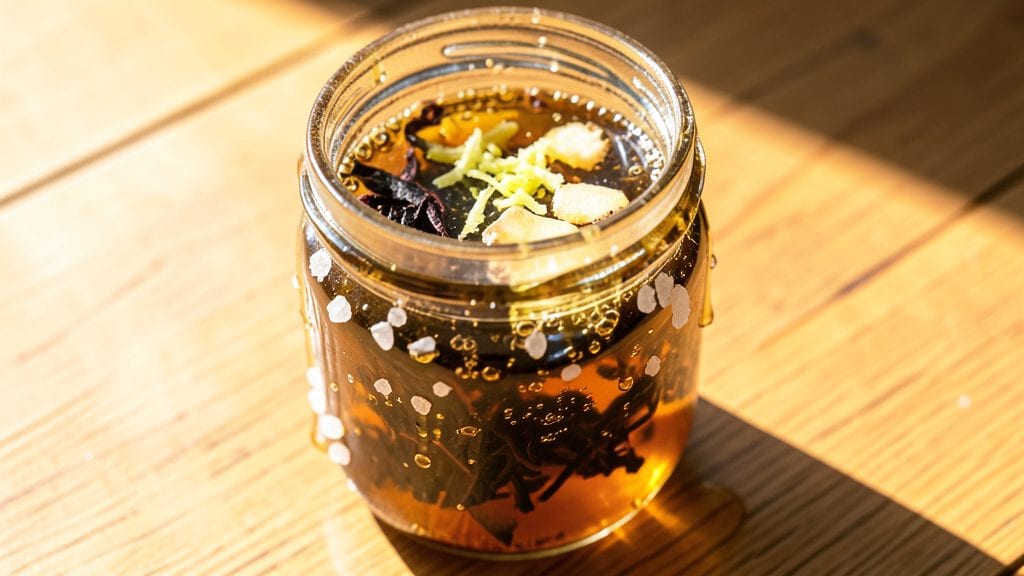
This fermented lemon sauce transforms ordinary desserts into vibrant, tangy masterpieces with just a few simple ingredients and patience. The process preserves the lemon’s bright acidity while developing complex, umami-rich notes that elevate everything from key lime pie to fruit salads.
I discovered this technique while experimenting with natural preservation methods, and it became my go-to for adding depth without overpowering sweetness.
The fermentation process is straightforward but requires attention to detail—sterilized jars, precise salt ratios, and a cool, dark space for development. Unlike fresh lemon juice, this sauce molds into a concentrated, probiotic-rich condiment that lasts for months, making it a versatile pantry staple.
The result is a sauce with a balanced tang that brightens both sweet and savory dishes equally.
Once fermented, this sauce can be used as a glaze for cakes, a marinade for grilled fish, or a sophisticated cocktail mixer. The texture becomes slightly syrupy, clinging beautifully to desserts while adding a sophisticated twist to savory applications.
With proper storage, it maintains its vibrant color and sharp flavor for up to six months.
For those new to fermentation, I’ve included clear safety guidelines and troubleshooting tips to ensure success. Whether you’re a seasoned home cook or a curious beginner, this recipe delivers professional-quality results with minimal effort. Let’s get started on creating your own batch of this versatile, tangy sauce.
Ingredients for fermented lemon
Eight ingredients, one jar, months of bright tangy magic.
| Ingredient | Amount | Notes |
|---|---|---|
| Lemon Juice 🍋 | 2 cups | Freshly squeezed from organic lemons |
| Diamond Crystal Kosher Salt 🧂 | ½ cup | Non-iodized, fine grain preferred |
| Raw Honey 🍯 | ¼ cup | Local, unprocessed preferred |
| Fresh Ginger Root 🧄 | 2 tbsp | Grated, organic preferred |
| Deionized Water 💧 | 1 cup | Filtered or distilled |
| Black Tea Bags ☕ | 2 whole | Caffeinated, high-quality |
| White Vinegar 🍶 | 1 tbsp | Distilled, 5% acidity |
| Fresh Lemon Zest 🍋 | 1 tbsp | From organic lemons |
The lemons are non-negotiable—organic, bright yellow ones with thick skins ferment best. I grab mine from Whole Foods or local farmers markets in summer, but regular grocery store lemons work too. The kosher salt needs to be non-iodized (iodine can prevent fermentation), and Diamond Crystal is my go-to because it dissolves perfectly. For honey, local raw varieties add subtle floral notes that elevate the sauce. Skip the processed stuff—it won't ferment as cleanly. The ginger should smell fresh and zesty, not musty. If it's old, toss it.
No organic lemons? Conventional is fine—just scrub the skins well. Running short on honey? Agave nectar at the same amount works, though it won't have the same depth. The tea bags add tannins that help balance the acidity—Earl Grey or black tea both work, but avoid herbal blends. Vinegar is just for insurance against bad bacteria, so if you're confident in your fermentation setup, you can skip it. The zest is optional but adds an extra layer of citrus aroma that makes this sauce sing—worth the extra minute to zest.
This sauce keeps for 6 months in the fridge, but it peaks at 2-3 months when the flavors are most complex. Store it in a sterilized mason jar with the lid submerged in the liquid to prevent mold. If the top gets moldy, just skim it off—the good stuff underneath stays perfectly safe. I like to portion it into small jars for gifts—everyone loves receiving fermented goodies. Freezing isn't recommended as it can alter the texture, but if you must, use ice cube trays for single servings.
Why You'll Love This Recipe
- Five-Minute Mix: I swear, this takes less time than waiting for the kettle to boil. Just toss in the lemon juice, salt, honey, and ginger—no peeling, no straining, no fuss. The honey and ginger blend right in while you wait, so you’re not stuck stirring for hours.
- Bright Tang Alert: That first sip? Pure sunshine in a jar. The honey softens the lemon’s sharpness just enough to make it silky, while the ginger adds this subtle, warming kick that lingers. It’s the kind of flavor that makes you reach for it again before you even finish your first glass.
- Pantry-to-Party Ready: I keep a batch in my fridge for when guests drop by unannounced. Drizzle it over grilled fish, mix it into dressings, or even stir it into sparkling water for a fancy (but effortless) drink. It’s my go-to for turning simple meals into something that feels special.
- Lasts All Week: Honestly, I’ve had this fermented lemon sitting in my fridge for nearly two weeks, and it’s still vibrant. No sad, watery leftovers here—the salt and honey preserve it beautifully. Plus, since it’s just a few cheap ingredients, you’re not breaking the bank for a backup stash.
Step-by-step instructions for fermented lemon sauce
This zesty, tangy sauce develops depth over time—here's how to craft it perfectly.
Prepare the Fermentation Base
In a clean, non-reactive glass jar with an airtight lid, combine the 2 cups of lemon juice, 0.5 cup of Diamond Crystal kosher salt, and the 2 tbsp of freshly grated ginger root. Stir thoroughly until the salt fully dissolves—the mixture should become cloudy with tiny salt crystals suspended. This salty brine is what kickstarts the fermentation process.
Add the 1 tbsp of white vinegar and 1 tbsp of fresh lemon zest, stirring again to distribute evenly. The vinegar helps balance the acidity while the zest adds aromatic layers. Leave the jar uncovered for now—this allows any potential contaminants to be excluded while still permitting airflow during the initial preparation.
Steep the Tea and Sweeten
In a separate small bowl, steep the 2 whole black tea bags in the 1 cup of deionized water for 5 minutes. Remove the tea bags and squeeze them gently to extract all the liquid—this tea infusion will add complexity to the final sauce. Let the tea cool completely before proceeding.
Once cooled, pour the tea into the jar with the lemon mixture. Then, slowly drizzle in the 0.25 cup of raw honey while stirring continuously. The honey should integrate smoothly, creating a syrupy consistency. This step is crucial—if the honey doesn't dissolve fully, the fermentation may become uneven. Seal the jar loosely with the lid (leave a small gap for gas release) and store at room temperature for 48 hours.
Ferment and Develop Flavor
After the initial 48-hour fermentation period, check the jar—you should see slight bubbling and a faint effervescence. This indicates that the beneficial bacteria are actively working. Tighten the lid completely and transfer the jar to the refrigerator to slow down fermentation while allowing flavors to mature for 7-10 days.
During this time, the sauce will develop a deeper, more complex tang with subtle notes of ginger and tea. Give it a gentle stir every few days to redistribute flavors. The texture should become slightly thickened, almost like a bright, citrusy syrup. If you notice excessive fizzing or an overly sour aroma, reduce the fermentation time slightly next batch.
Strain and Finish
Once the sauce has reached your desired level of tang (usually 7-10 days), strain it through a fine-mesh sieve into a clean bowl to remove any sediment or ginger particles. This step ensures a smooth, refined texture perfect for drizzling or folding into desserts. Discard the solids in the sieve.
The strained sauce should have a vibrant yellow hue and a balanced profile of citrus, tea, and ginger. Taste and adjust the sweetness if needed—add a touch more honey if it's too sharp, or a splash of water if it's too thick. Store in an airtight container in the refrigerator for up to 3 months, where it will continue to mellow and develop even more complex flavors over time.
Pro Tips For Making Fermented Lemon
- Use Cold Water for Ginger: Grate ginger straight from the fridge—it’s firmer and yields finer, more aromatic shreds. I learned this the hard way after trying to grate warm ginger and ending up with a mushy, bitter pulp that ruined two batches.
- Salt the Honey First: Dissolve the Diamond Crystal salt in the raw honey before adding lemon juice—it blends smoother and prevents grainy clumps later. Sounds weird, but it works: the honey stays silky even after weeks in the jar.
- Sterilize Jars Properly: Run your jars and lids through a quick dishwasher cycle (or boil for 10 minutes) to kill wild bacteria. I skipped this once and got a funky mold ring—now I make it a non-negotiable step, even if it’s extra work.
- Ferment at Room Temp: Keep the jar in a spot between 68–72°F (like a pantry or closed cabinet) for 5–7 days—warmer spots speed things up, but cooler spots can stall fermentation. I was skeptical until I tried it: consistent temps mean reliable tang without over-fermenting.
Storing and reheating this dish
Refrigerator Storage
Once your fermented lemon sauce is ready, transfer it to a sterilized glass jar with an airtight lid, ensuring the lid is submerged in the liquid to prevent mold growth. Store it in the refrigerator at 40°F or below—this slows fermentation while preserving its vibrant flavor.
The sauce will continue developing complexity over time, peaking at 2-3 months with a perfect balance of tang and sweetness. 💫
Freezing Considerations
While fermented lemon sauce isn’t ideal for freezing (texture can degrade), you can portion it into ice cube trays for small, single-use servings. Freeze for up to 3 months, then transfer cubes to a sealed bag.
Thaw in the fridge overnight before using—this method works best for cocktail applications where texture isn’t critical.
Reheating and Usage
This sauce doesn’t require reheating—simply scoop it straight from the fridge for drizzling over desserts, marinades, or cocktails. If you’ve stored it in the freezer, thaw overnight in the fridge to preserve its bright, tangy profile.
The sauce’s natural acidity makes it perfect for enhancing both sweet and savory dishes without cooking.
Shelf Life and Safety
Your fermented lemon sauce will stay fresh for up to 6 months in the refrigerator, though flavor peaks at 2-3 months. If mold appears on the surface (common in fermented foods), simply skim it off—the sauce beneath remains safe and flavorful.
For extra safety, keep the jar submerged in a bowl of water to maintain consistent pressure.
Portioning for Gifting
I love gifting this sauce in small, sterilized jars—it’s a unique and delicious homemade treat. Use 4-ounce mason jars for single servings or 8-ounce jars for larger portions. Label each jar with the date and storage instructions to ensure recipients know how to enjoy it.
The sauce’s long shelf life makes it perfect for holiday gifts! 🎁
Reviving Flavor
If your sauce tastes too sharp after long storage, balance it with a dash of honey or a splash of water to adjust consistency. For extra brightness, add a pinch of fresh lemon zest before using.
The sauce’s natural fermentation process means flavors evolve—don’t be afraid to experiment with how you use it to keep it exciting! 🍋
Nutrition facts
Frequently asked questions
Can I use bottled lemon juice instead of fresh?
Fresh lemon juice is ideal for fermentation because it contains natural enzymes and oils that enhance flavor development. Bottled juice often lacks these elements and may ferment unevenly. If you must use bottled, choose a high-quality, organic brand with no added preservatives. The taste won't be identical, but it will still work for basic applications.
How do I know when the fermentation is complete?
The sauce is ready when it develops a pleasant tang with subtle ginger and tea notes (usually 7-10 days). Look for gentle bubbling that has slowed significantly, and taste for balance—it should be bright but not overly sharp. If it smells overly sour or vinegary, reduce fermentation time next batch. The color should also deepen to a rich amber-yellow.
What can I do with leftover ginger or tea solids?
Don't discard them! The ginger solids can be composted or used in teas, while the tea leaves make excellent compost or a second infusion for herbal tea. For a creative twist, blend the ginger solids with honey to make a spicy-sweet spread for toast or oatmeal. Every part of this process deserves a second life.
Is this safe for people with yeast sensitivities?
This recipe uses natural fermentation without added yeast, so it's generally safe for most people with mild yeast sensitivities. However, the probiotics present may still affect some individuals. If you're concerned, try a small amount first or consult a healthcare provider. The vinegar also helps inhibit unwanted yeast growth during fermentation.
Can I make this without honey?
Yes, but the fermentation process may be less stable without honey's natural sugars to feed the beneficial bacteria. Substitute with agave nectar or maple syrup at the same ratio, but expect slightly different flavor development. The sauce will still work—just monitor fermentation more closely for signs of uneven activity.