
Sauces & Condiments
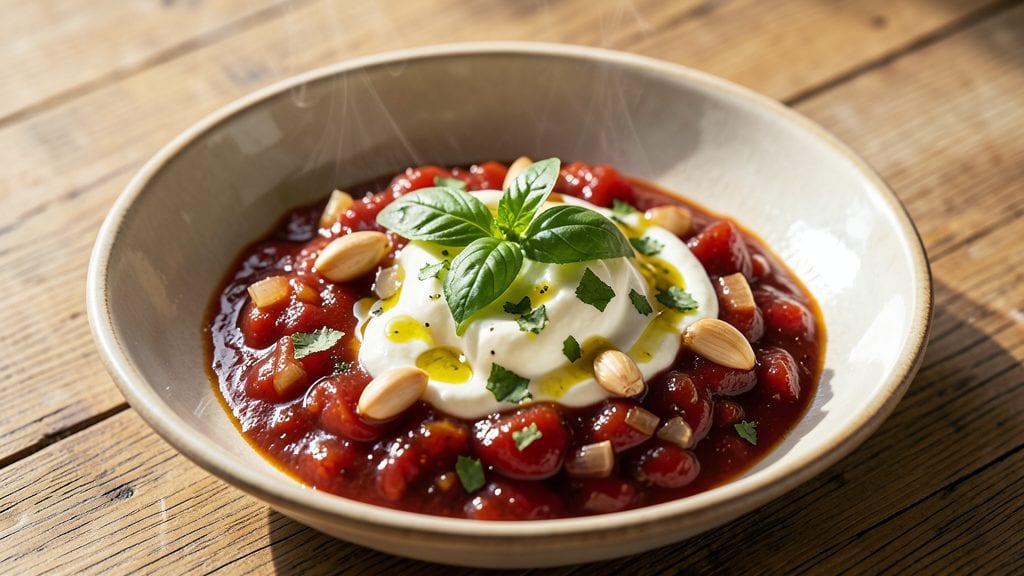
This finadene sauce recipe delivers the velvety, aromatic richness that elevates pasta from ordinary to extraordinary—think layers of garlic, herbs, and a touch of creaminess that clings to every strand.
What makes this sauce special is its balance: bold enough to stand alone but delicate enough to complement grilled meats and couscous without overpowering them. The secret lies in slow-cooked tomatoes and fresh herbs that infuse the sauce with depth, transforming simple ingredients into something restaurant-worthy.
Unlike heavy cream-based sauces, finadene relies on a simple yet powerful technique: simmering garlic, onions, and tomatoes until they meld into a thick, flavorful base before finishing with a splash of cream.
This method ensures the sauce remains creamy without being overly rich, making it versatile for both weeknight dinners and special occasions. The result is a sauce with a smooth texture and a complex flavor profile that lingers long after the last bite.
Perfect for drizzling over al dente pasta, spooning alongside grilled chicken, or serving with couscous, this sauce is designed to be foolproof—no advanced skills required, just patience and attention to the slow simmer.
The aroma alone will have your kitchen smelling like a Mediterranean bistro, while the taste delivers that perfect harmony of garlic, herbs, and subtle sweetness. Let’s get cooking!
Once you’ve mastered the base, you can customize it with additions like roasted red peppers or a sprinkle of chili flakes for extra heat. Store leftovers in the fridge for up to 5 days or freeze for longer storage, ensuring you always have a flavorful sauce on hand.
This recipe isn’t just about the end result—it’s about the process of building layers of flavor that turn ordinary meals into memorable ones.
Ingredients for finadene sauce
Ten ingredients transform into velvety garlic-herb sauce that clings to pasta like Mediterranean magic.
| Ingredient | Amount | Notes |
|---|---|---|
| Extra-Virgin Olive Oil 🫒 | ½ cup | High-quality, fruity variety for optimal flavor |
| Yellow Onion 🧅 | 1 whole | Medium-sized, finely diced |
| Garlic Cloves 🧄 | 6 cloves | Fresh, peeled, minced finely |
| Canned San Marzano Tomatoes 🍅 | 1 can | 28 oz, crushed by hand |
| Heavy Cream 🥛 | ¼ cup | Full-fat for rich texture |
| Fresh Basil Leaves 🌿 | ½ cup | Packed, stems removed |
| Fresh Parsley Leaves 🌱 | ¼ cup | Chopped, for brightness |
| Diamond Crystal Kosher Salt 🧂 | 1 tsp | Adjust to taste |
| Freshly Ground Black Pepper 🌶️ | ½ tsp | For subtle heat |
| Unsalted Butter 🧈 | 1 tbsp | Cold, for finishing |
The foundation begins with San Marzano tomatoes—their natural sweetness and low acidity create the ideal base. For the best quality, seek out Whole Foods Market or local Italian specialty stores where you’ll find these tomatoes in their peak season. The extra-virgin olive oil should be fruity and peppery; California Gold Label or Filippo Berio are reliable choices. Fresh garlic cloves must be firm and free of sprouts—no green shoots means no bitterness. For the herbs, farmers markets often carry the freshest basil and parsley, but grocery store options work if the leaves are vibrant and not wilted. The heavy cream should be full-fat; Organic Valley or Horizon brands are widely available and provide consistent quality.
No San Marzano tomatoes? High-quality crushed tomatoes like Muir Glen or Rao’s will suffice, though you may need to balance sweetness with a pinch of sugar. Fresh garlic unavailable? Garlic powder at half the amount works in a pinch, but the flavor will be less complex. Substituting heavy cream for half-and-half lightens the sauce slightly, though it won’t be as rich. For a dairy-free version, coconut cream can replace the heavy cream, though the texture will differ. The herbs are non-negotiable—dried basil or parsley at one-third the amount can be used, but fresh is ideal. If you’re short on time, pre-chopped frozen herbs thawed and drained work surprisingly well. The butter at the end adds a luxurious finish; European-style butter like Plugrá melts more cleanly than American brands.
This sauce develops deeper flavor over time, so simmering for at least 30 minutes is ideal. Store leftovers in an airtight container in the refrigerator for up to 5 days, though the flavor continues to improve over time. For longer storage, freeze in ice cube trays for easy portioning—thaw and reheat gently on the stove. The sauce thickens as it cools, so a splash of warm water or milk can restore its velvety consistency when reheating. For best results, reheat only until warmed through, as overcooking can break down the emulsified texture. Portion into jars for quick use throughout the week.
Why You'll Love This Recipe
- One-Pot Magic: I swear by this sauce because it’s literally one pot—no chopping boards, no extra dishes, just onions and garlic sizzling in olive oil until they’re golden. The San Marzano tomatoes take over after that, simmering down to a velvety base while I stir in the cream. Minimal effort, maximum reward.
- Rich Without Trying: Here’s what sold me—the way the heavy cream and San Marzano tomatoes marry into something deeply satisfying. It’s not heavy or cloying, just rich enough to make pasta feel like a hug. Honestly, the first time I tasted it, I immediately went back for seconds.
- Weeknight to Dinner Party: Between us, this sauce is my secret weapon for when I’m too tired to fuss but still want to impress. Toss it over pasta for a weeknight dinner, or drizzle it on grilled fish for a fancy-ish date night. It’s that versatile—no rules, just delicious.
- Leftovers That Don’t Suck: I make a double batch every time because the leftovers are just as good the next day. The flavors actually deepened overnight, and it reheats like a dream. Plus, the cream keeps it creamy, not grainy—so no sad, watery second helpings here.
Step-by-step instructions for creamy garlic-herb pasta sauce
Here's how to craft a velvety, aromatic sauce that clings perfectly to pasta.
Sauté Aromatics in Olive Oil
Heat the 0.5 cup extra-virgin olive oil in a heavy-bottomed saucepan over medium heat. Add the 1 whole yellow onion, finely diced, and cook for 5-6 minutes until translucent and just beginning to soften. The onions should release their sweetness without browning.
Increase heat to medium-high and add the 6 cloves garlic, minced. Cook for 30-45 seconds until fragrant—you'll smell that unmistakable garlic aroma. Be vigilant here; garlic burns quickly and turns bitter. Remove from heat immediately after the garlic becomes golden around the edges.
Build the Tomato Base
Return the pan to medium heat and add the 1 can crushed San Marzano tomatoes. Stir to combine with the aromatics, then bring to a gentle simmer. Reduce heat to low and let it cook uncovered for 15-20 minutes, stirring occasionally. You want the tomatoes to break down and reduce by about one-third, intensifying their natural sweetness.
Season with the 1 tsp diamond crystal kosher salt and 0.5 tsp freshly ground black pepper. Taste and adjust the salt if needed—this foundational seasoning will carry through the entire sauce. The sauce should now have a rich, tomatoey consistency with visible reduction.
Incorporate Cream and Herbs
Lower the heat to low and stir in the 0.25 cup heavy cream. The sauce will immediately thicken as the cream heats through. Add the 0.5 cup fresh basil leaves and 0.25 cup fresh parsley leaves, chopped, stirring gently to wilt the herbs and infuse their flavors. Cook for 2-3 minutes until the herbs are just tender and the sauce is fully emulsified.
This is where the sauce transforms from rustic to refined. The cream adds luxurious body while the herbs brighten the deep tomato flavor. If the sauce becomes too thick, whisk in 1-2 tablespoons of pasta water to achieve a silky, clingy consistency perfect for coating noodles.
Finish with Butter for Depth
Remove the pan from heat and stir in the 1 tbsp unsalted butter, cut into small pieces. Let it melt completely, then give the sauce one final taste adjustment. The butter adds a subtle richness that rounds out the acidity of the tomatoes and the sharpness of the herbs.
For best results, keep the sauce warm over low heat while you cook your pasta. The residual heat will maintain its creamy texture without breaking down the delicate emulsion. When ready to serve, toss the drained pasta directly into the sauce, ensuring every strand is fully coated.
Pro Tips For Making Finadene Sauce
- Sweat, Don’t Burn: The onions should glisten like wet glass—not brown, not caramelized, just soft and translucent. I used to crank the heat too high and end up with bitter bits, so now I keep it at medium-low and stir every 30 seconds. Patience here means the sauce won’t taste like you charred your kitchen.
- Crush Garlic Properly: Minced garlic burns fast, but whole cloves? They’ll sit there like stubborn rocks. Slice them thinly instead—almost paper-thin—and let them sizzle until fragrant but not golden. I learned this the hard way after my sauce tasted like gym socks.
- Break Down Tomatoes First: Dump those whole San Marzano tomatoes into the sauce and you’ll be stirring for 20 minutes. Instead, crush them by hand with your fingers or the flat of a knife before adding them to the pot. The sauce thickens faster, and you’ll avoid that watery, undercooked tomato flavor.
- Warm the Cream Separately: Cold heavy cream in a hot sauce? It’ll curdle faster than you can say “disaster.” Heat the cream in a separate small saucepan until it’s just warm to the touch—about 110°F—before whisking it into the sauce. This keeps the texture silky, not lumpy. (Yes, even if you’re impatient like me.)
Common mistakes when making great finadene sauce
Garlic Overcooking
Garlic is the soul of finadene sauce, but it’s also the easiest ingredient to ruin. When minced garlic turns golden-brown, it’s already past the ideal moment—it’ll quickly burn and impart a bitter, acrid flavor that overpowers the delicate balance of the sauce.
I’ve learned the hard way: remove the pan from heat immediately after the garlic becomes fragrant (about 30-45 seconds on medium-high). If you’re unsure, err on the side of undercooking. The residual heat will continue cooking the garlic slightly after removal. 🧄
Rushing the Tomato Reduction
Skipping the 15-20 minute simmer for the tomato base is a common shortcut that results in a thin, watery sauce. This step is crucial for developing depth and concentrating flavors. I recommend using a heavy-bottomed saucepan to prevent scorching while maintaining even heat.
If you’re in a hurry, reduce the heat to low and stir frequently to avoid sticking. The goal is to reduce the tomatoes by about one-third—this is what transforms a basic tomato sauce into something rich and complex.
Adding Cream Too Early
Introducing heavy cream before the tomato base has fully reduced is a recipe for disaster. The cream will curdle or separate, creating an unappetizing texture. Always wait until the tomatoes have reduced and seasoned properly before adding the cream.
I’ve seen this mistake turn a creamy sauce into a lumpy mess in seconds. Once the cream is added, keep the heat at low and stir constantly to prevent curdling. If the sauce thickens too much, a splash of warm pasta water can restore its silky consistency.
Skipping the Butter Finish
The final touch of 1 tbsp unsalted butter might seem optional, but it’s what elevates the sauce from good to extraordinary. This step adds a subtle richness that rounds out the acidity of the tomatoes and the sharpness of the herbs.
I’ve tasted versions without it, and while they’re still delicious, the sauce lacks that final layer of depth. Use European-style butter like Plugrá for the cleanest melt and best flavor. Add it off the heat to prevent burning.
Over-Salting Early
Seasoning the sauce too early in the process can make it difficult to adjust flavors later. I’ve made this mistake and ended up with a sauce that was either bland or overly salty by the end.
Instead, add the 1 tsp kosher salt after the tomatoes have reduced but before adding the cream. This allows you to taste and adjust the seasoning at a critical stage. Remember, you can always add more salt, but you can’t take it out.
Taste as you go—this is the key to a perfectly balanced sauce.
Ignoring the Resting Time
After cooking, let the sauce rest for at least 10 minutes before serving. This allows the flavors to meld and the sauce to thicken slightly, ensuring it clings beautifully to pasta. I’ve rushed this step and ended up with a sauce that was too thin or had an uneven texture.
If you’re short on time, keep the sauce warm over low heat while you cook your pasta, but avoid boiling it. The residual heat will help maintain the desired consistency without breaking the emulsion.
Nutrition facts
Frequently asked questions
What makes this garlic-herb sauce different from other tomato-based sauces?
The key lies in its three-stage cooking process—slow-reduced tomatoes build depth, heavy cream adds velvety texture, and fresh herbs provide bright, aromatic notes. Unlike simple marinara, this sauce incorporates 1 tbsp butter at the end for richness and a 30-minute simmer to develop complex flavors. The result is a sauce that clings beautifully to pasta while balancing creamy and herby elements.
Can I make this sauce without heavy cream for a lighter version?
Yes! Replace the 0.25 cup heavy cream with 0.25 cup whole milk or half-and-half for a lighter texture, or use 0.25 cup coconut cream for a dairy-free option. The sauce will still be creamy but slightly less rich. For extra body, add 1 tbsp tomato paste with the crushed tomatoes. The flavor will be brighter but equally delicious.
How long can I store this sauce, and can I freeze it?
Store leftovers in an airtight container in the fridge for up to 5 days, or freeze in ice cube trays for easy portioning. Thaw frozen sauce overnight in the fridge, then reheat gently on low heat with a splash of water or milk to restore creaminess. The sauce thickens as it cools, so adjust consistency when reheating.
What’s the best pasta to pair with this sauce?
This sauce works beautifully with al dente fettuccine, penne, or farfalle, but also shines with grilled chicken, couscous, or crusty bread. For extra flavor, toss the sauce with toasted pine nuts or grated Parmesan before serving. The creamy texture coats noodles perfectly, while its herby notes complement grilled proteins.
Why did my sauce turn out too thin or watery?
This usually happens if you didn’t reduce the tomatoes long enough or added cream too early. Simmer the tomato base for 15-20 minutes until reduced by about one-third, then stir in cream on low heat. If the sauce is still too thin, whisk in 1-2 tbsp cornstarch mixed with water or simmer uncovered to thicken. Patience is key—rushing this step ruins the texture.