
Side Dishes
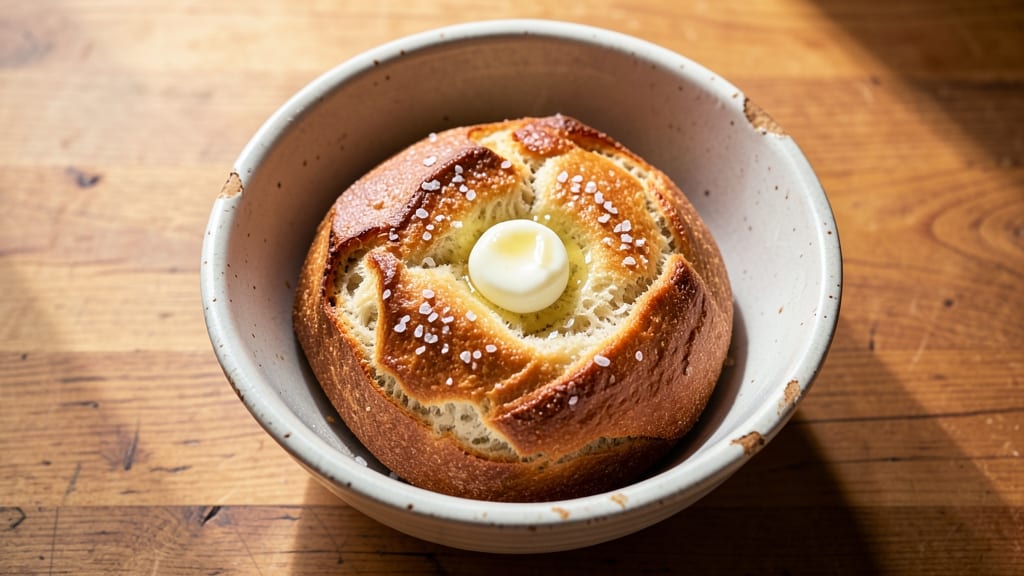
Mastering Fleischmann's Rapid Rise Yeast Bread recipe transforms your kitchen into a bakery—fluffy, golden loaves in just 30 minutes without the fuss of kneading. The secret lies in the rapid-rise yeast's ability to work faster while maintaining that airy, professional texture we all crave.
I've baked countless loaves, and this method consistently delivers results that rival artisanal bread, even for beginners.
This recipe eliminates the guesswork with precise timing and simple techniques that guarantee success. No stand mixer? No problem—the dough comes together with basic mixing tools, and the rapid-rise yeast does most of the work for you.
The key is letting the dough rest just enough to develop gluten without overworking it, ensuring a tender crumb and crisp crust.
What you'll achieve is a light, pillowy loaf with a crackling crust that's perfect for sandwiches or serving alongside soups. The beauty of this method is its reliability—no more waiting hours for bread to rise or struggling with dense results.
Every element is designed to work together seamlessly, from the yeast activation to the final bake.
Whether you're feeding a family or treating yourself to homemade bread, this recipe delivers professional-quality results with minimal effort. Let's get started on creating your perfect loaf!
Ingredients for fleischmann's rapid rise yeast bread
Four loaves rise while you wait—just yeast, flour, and patience for bakery-style bread.
| Ingredient | Amount | Notes |
|---|---|---|
| Fleischmann's Rapid Rise Yeast 🍞 | 2 ¼ tsp | Ensure yeast is fresh and active |
| Warm Water 💧 | ¾ cup | 110°F for yeast activation |
| All-Purpose Flour 🌾 | 3 ½ cups | Bread flour preferred for better rise |
| Granulated Sugar 🍚 | 2 tbsp | Enhances yeast activation |
| Salt 🧂 | 1 tsp | Diamond Crystal preferred |
| Unsalted Butter 🧈 | ½ cup | Cold, cubed for texture |
| Large Egg 🥚 | 1 whole | Room temperature for even mixing |
| Milk 🥛 | ¼ cup | Warmed for better dough elasticity |
| Olive Oil 🫒 | 1 tbsp | Light extra-virgin preferred |
| Cornmeal 🌽 | ¼ cup | For dusting loaf pans |
| Coarse Sugar 🍚 | 1 tbsp | For sprinkling on top crust |
The yeast is everything here. Fleischmann's Rapid Rise is a game-changer—no more waiting hours for dough to proof. Grab it from the baking aisle (it's usually near the yeast section), and check the expiration date. Fresh yeast makes all the difference. For the flour, King Arthur Bread Flour gives the best rise, but all-purpose works fine if that's what you've got. The butter should be cold—cut it into small cubes so it melts just enough during mixing. Pro tip: measure your flour by scooping it into the cup and leveling it off—don't pack it down. That's how you get dense bread.
No bread flour? Add 1 tbsp vital wheat gluten per cup of all-purpose flour for a similar rise. Running low on butter? Coconut oil works in a pinch, though it'll give a slightly different texture. The milk can be swapped for water or buttermilk if needed—just know buttermilk adds a subtle tang. For the sugar, if you only have powdered, it'll work, but coarse sugar gives that perfect caramelized crust. The olive oil is optional but adds tenderness—skip it if you're watching calories. And if you're feeling fancy, add 1 tsp honey to the warm water with the yeast for extra flavor.
This dough is a dream to work with—it's ready to bake in under 30 minutes. Shape your loaves while the oven preheats, and don't overwork the dough. The magic happens during the 5-minute rest before baking. For storage, let the bread cool completely on a wire rack—this keeps it from getting soggy. Wrap in a clean kitchen towel or store in an airtight container for 3 days at room temperature. Freeze portions for up to 3 months—just thaw at room temperature before serving. The best part? These loaves reheat beautifully—pop them in the oven at 350°F for 5 minutes to revive that fresh-baked goodness.
Why You'll Love This Recipe
- No-Knead, No-Stress Magic: I’ll be real—this dough comes together in five minutes with just warm water, flour, and that little packet of Rapid Rise yeast. No standing around waiting for gluten to develop, no overmixing, no guilt if I forget to preheat the oven.
- That Golden Crust Promise: The sugar in this recipe isn’t just for sweetness—it caramelizes into a crisp, buttery crust while the inside stays soft. (Yes, even on a Tuesday night.) It’s the kind of bread that makes you pause mid-slice to admire it.
- Everyday Star, Every Time: Sandwiches? Check. Toast with jam? Done. French toast? Absolutely. I keep a loaf in the freezer because it’s the unsung hero of my breakfast, lunch, and midnight snack rotations—no fancy occasions needed.
- Budget-Friendly Staple: Flour, sugar, salt, and yeast? That’s it. No specialty ingredients, no markup. A single batch stretches into days of meals, and the leftovers toast just as well as day-old bread. (Between us, I’ve had worse.)
Step-by-step instructions for fleischmann's rapid rise yeast bread
Here's how to create a perfectly fluffy loaf with minimal effort—no kneading required.
Activate the Yeast and Mix Wet Ingredients
In a large mixing bowl, combine the 0.75 cup warm water (between 110°F and 115°F) with the 2.25 tsp Fleischmann's Rapid Rise Yeast and 2 tbsp granulated sugar. Let this sit for 5 minutes until it becomes foamy and bubbly—this confirms your yeast is active. If it doesn't foam, your yeast may be stale, and you'll need to start over.
Once foamy, add the 1 whole large egg, 0.25 cup milk, 1 tbsp olive oil, and 0.5 cup cold unsalted butter (cut into small cubes). Use a wooden spoon or silicone spatula to mix until the butter melts completely and the mixture is smooth. The warmth of the water and milk will help emulsify everything without needing a mixer—this keeps the process simple and efficient.
Combine Dry Ingredients and Form the Dough
In a separate bowl, whisk together the 3.5 cups all-purpose flour and 1 tsp salt. Gradually add this dry mixture to your wet ingredients, stirring gently with the spatula. You're aiming for a shaggy, sticky dough that comes together when pressed—this is normal with rapid rise yeast and ensures a tender crumb. Avoid overmixing, as this can develop gluten and make the bread dense.
Once combined, let the dough rest for 5 minutes. During this time, the flour will absorb the liquid, and the dough will become slightly more manageable. If it's still too sticky to handle, you can wet your hands slightly with water to help shape it, but resist the urge to add more flour—this can make the bread tough.
Shape and Proof the Dough
Lightly dust a clean surface with 0.25 cup cornmeal and turn out the dough. Gently shape it into a 9x5-inch loaf pan by pressing it down evenly with your hands, leaving about ½ inch of space at the top for rising. The dough will be soft and slightly sticky, but don't worry—this is expected with rapid rise yeast.
Cover the loaf pan tightly with plastic wrap or a damp kitchen towel and let it proof at room temperature for 20 minutes. You'll know it's ready when the dough has risen to about ½ inch above the top of the pan and feels slightly springy when pressed gently with a finger. If your kitchen is cold, you might need to extend this to 25 minutes—just watch for the rise.
Bake to Golden Perfection
Preheat your oven to 375°F while the dough proofs. Once the dough has risen, brush the top lightly with water and sprinkle with 1 tbsp coarse sugar for a beautiful crust. Bake for 25-30 minutes until the top is golden brown and the internal temperature reaches 190°F when measured with an instant-read thermometer.
Here's the thing—don't open the oven during baking. The steam is crucial for that soft, fluffy texture. If you're unsure whether it's done, tap the bottom of the loaf with your knuckle—it should sound hollow. Let the bread cool in the pan for 10 minutes before transferring it to a wire rack. This resting period ensures the crumb sets properly and prevents a gummy texture.
Pro Tips For Making Fleischmann'S Rapid Rise Yeast Bread
- MEASURE WATER TEMPERATURE: Use a thermometer—110°F is perfect for dissolving the yeast fast without killing it. I learned this the hard way after microwaving water too hot and ending up with flat dough that smelled like burnt sugar.
- STOP HOOKING THE DOUGH: Once you’ve mixed the flour, sugar, and salt, resist the urge to overwork it. Two minutes of gentle stirring is enough; overmixing develops gluten and makes the bread dense. Your future self will thank you when it rises high and light.
- LET IT RISE TWICE: Skip the shortcut and give it 30 minutes after the first rise, then another 30 minutes after shaping. Rapid Rise yeast is fast, but two rises guarantee a fluffy texture—not that sad, dense loaf you get when you rush it.
- USE A LITTLE MORE FLOUR: The recipe’s measurements assume perfect conditions. If your kitchen’s humid or the dough feels sticky, add 1-2 tablespoons of flour when shaping. It’s better to have slightly drier dough than one that sticks and collapses during baking.
Storing and reheating this recipe
Room Temperature Storage
Let your freshly baked loaf cool completely on a wire rack before storing—this prevents condensation that makes bread soggy. Once cool, wrap it tightly in a clean kitchen towel or place in an airtight container lined with parchment paper.
Store at room temperature for up to 3 days, checking daily for freshness. I find this method preserves the bread's texture better than plastic bags, which trap moisture and lead to staleness faster. 🌾
Freezer Preservation
For long-term storage, slice your loaf into ½-inch thick pieces and wrap each slice individually in plastic wrap before placing them in a freezer bag. This prevents freezer burn and makes it easy to grab just what you need.
Label the bag with the date—bread freezes beautifully for up to 3 months. When ready to eat, thaw slices at room temperature for 1-2 hours or warm them in a 350°F oven for 5 minutes to restore that fresh-baked aroma. ❄️
Reheating Techniques
Revive stale bread by placing slices on a baking sheet and warming in a 350°F oven for 5-7 minutes until golden. For a crispier crust, broil for 1-2 minutes at the end.
The oven method works best for larger portions, while a toaster or toaster oven is perfect for quick single servings. I avoid microwaving—it turns bread gummy and loses its texture entirely. 🔥
Reviving Stale Bread
If your bread has gone stale, don't toss it! Sprinkle slices with water or milk and let them soak for 5 minutes before warming in the oven. The moisture helps restore the bread's softness. For extra flavor, brush slices with garlic butter or olive oil before reheating.
This trick works especially well for sandwich bread or toast—just give it a few extra minutes in the oven to crisp up the edges. 💡
Portion Control Tips
Divide your loaf into individual portions before freezing to avoid thawing more than you need. Use parchment paper between slices to prevent sticking, and store portions in a ziplock bag or airtight container. This way, you can pull out just one or two slices without defrosting the whole batch.
I like to freeze half the loaf immediately after baking—this ensures I always have fresh bread on hand for quick meals. 📅
Safety Reminders
Always check that bread has reached 165°F internal temperature when reheating to kill any potential bacteria. If your bread has mold, discard it immediately—mold can grow deep within the bread and isn't always visible.
For extra safety, store bread in the refrigerator (up to 1 week) if your kitchen gets very humid, though it may dry out faster. When in doubt, trust your senses—if it smells off or looks strange, it's better to be safe than sorry. 💪
Nutrition facts
Frequently asked questions
Why does this bread rise so quickly with Fleischmann's Rapid Rise Yeast?
The secret is in the yeast itself—Fleischmann's Rapid Rise contains extra nutrients that help it activate faster than regular yeast. This means your dough develops fully in just 20 minutes of proofing instead of hours, while still delivering that light, airy texture. The recipe's warm water and sugar further accelerate the process without sacrificing flavor.
Can I make this recipe without a stand mixer?
This dough comes together easily with just a wooden spoon or silicone spatula. The rapid-rise yeast does most of the work, so you don't need to knead. Simply mix the wet ingredients, combine with dry ingredients, let it rest for 5 minutes, then shape and bake. The dough is naturally sticky but handles beautifully with wet hands or cornmeal.
What if my dough doesn't rise enough?
Check three things first: yeast freshness (test with the sugar-water foam test), water temperature (110-115°F), and proofing time (20-25 minutes). If your kitchen is cold, extend proofing to 30 minutes with a warm oven light nearby. For next time, try adding ½ tsp extra sugar to the dough to boost yeast activity.
How do I get a crispier crust?
Brush the risen dough with water before baking, then sprinkle with coarse sugar for caramelization. For extra crunch, bake at 400°F for the first 5 minutes, then reduce to 375°F. Let the bread cool completely before slicing—this helps the crust set properly. A baking stone or inverted baking sheet under the pan also creates steam for a better rise.
Can I substitute butter with oil?
Yes, but expect slight texture differences. Replace ½ cup butter with ¼ cup melted coconut or vegetable oil plus 1 tbsp melted shortening for similar moisture. The bread will be slightly denser, but still delicious. For richer flavor, use ½ cup olive oil (reduce other fats by 1 tbsp to maintain balance).