Main Courses
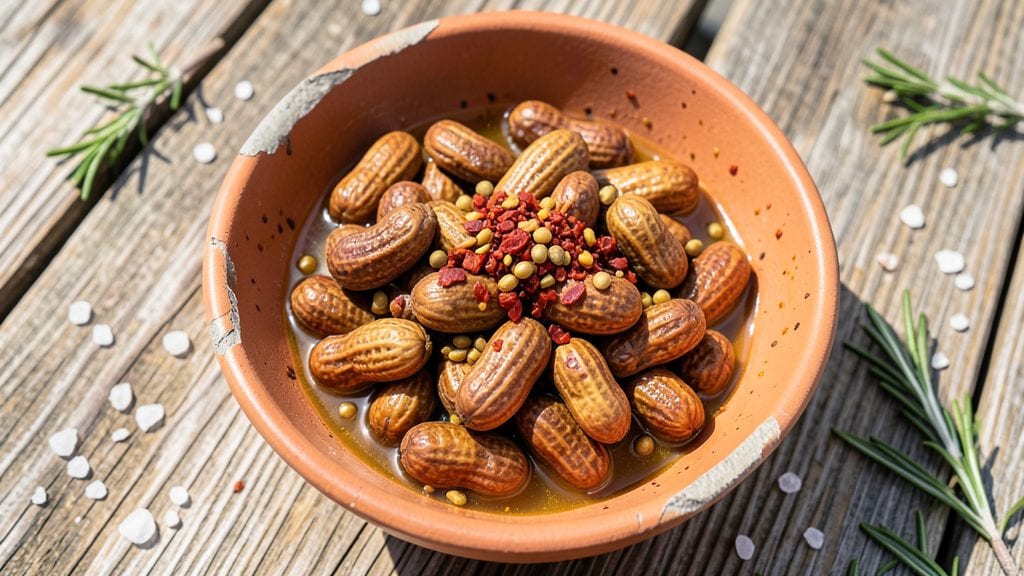
Florida boiled peanuts are the perfect marriage of sweet, tangy, and crunchy—transforming simple peanuts into a beloved Southern snack that takes just 15 minutes to make.
This recipe captures the traditional method: a bold spiced brine that infuses the peanuts with just the right balance of vinegar sharpness and subtle sweetness. I first discovered these at a roadside stand in Gainesville, where the aroma of simmering peanuts and vinegar drew me in like a magnet.
The secret lies in the brine—a mix of water, vinegar, and spices like mustard seeds and red pepper flakes—that creates that signature tangy crunch. You’ll start with raw peanuts, boil them in this flavorful liquid, then let them dry to achieve that addictive texture.
The process is straightforward, but the flavor transformation is nothing short of magical—turning humble peanuts into a snack that’s worth the effort.
By the time you’re done, you’ll have peanuts with a glossy sheen, a satisfying crunch, and a flavor profile that’s both sweet and tangy—a perfect balance that makes them irresistible.
These peanuts are ideal for snacking straight from the bag, pairing with a cold beer, or even tossing into salads for a savory crunch. The best part? They’re ready in under 15 minutes, making them a quick yet impressive dish.
This recipe is all about simplicity and bold flavor—no fancy ingredients, just the essentials to create a snack that tastes like a taste of Florida. Whether you’re making them for a crowd or just craving a classic Southern treat, these boiled peanuts deliver every time. Let’s get started!
Ingredients for florida boiled peanuts
Just 11 simple ingredients transform raw peanuts into Florida’s legendary tangy, crunchy snack—no fancy tools needed!
| Ingredient | Amount | Notes |
|---|---|---|
| Raw Peanuts 🥜 | 2 cups | Unsalted, in shell preferred |
| White Vinegar 💧 | 1 cup | Distilled white preferred |
| Water 💧 | 2 cups | Filtered or bottled |
| Granulated Sugar 🍚 | ½ cup | White or brown sugar |
| Mustard Seeds 🌶️ | 1 tbsp | Yellow or brown seeds |
| Red Pepper Flakes 🌶️ | 1 tsp | Adjust for heat preference |
| Salt 🧂 | 1 ½ tsp | Kosher or sea salt |
| Garlic Powder 🧄 | ½ tsp | Freshly ground preferred |
| Black Peppercorns 🌶️ | ½ tsp | Crushed lightly |
| Bay Leaves 🌿 | 2 whole | Dried or fresh |
| Vegetable Oil 🫒 | 2 tbsp | For coating peanuts |
The peanuts are the star, so grab raw, unsalted peanuts—the good stuff with shells on if you can find them. Costco or bulk bins at Whole Foods usually have the best quality. If you're using shelled peanuts, make sure they're not pre-boiled or pre-seasoned. The vinegar matters too—distilled white vinegar gives that classic sharpness, but apple cider vinegar works if you're feeling adventurous. I always double-check my spices: mustard seeds should be whole (not powdered) for that authentic crunch, and the red pepper flakes should be freshly ground if possible. The bay leaves add depth, so don’t skip them—just remove them before serving.
No mustard seeds? Substitute 1/4 tsp ground mustard—it won’t be identical, but it’ll get you close. Running out of red pepper flakes? Cayenne pepper at half the amount works in a pinch. The sugar is optional, but it’s what balances that vinegar tang—brown sugar adds a subtle caramel note if you want extra depth. For the oil, vegetable or canola oil works, but if you’ve got peanut oil, use that for maximum authenticity. And if you’re worried about the peanuts floating, just give them a quick rinse before boiling—helps them sink faster.
These peanuts are best fresh, but they’ll keep for 1 week in an airtight container at room temperature. The longer they sit, the more that tangy flavor develops—trust the process. For extra crunch, spread them on parchment paper and let them dry for an hour after boiling. Store them in a paper bag (not plastic) to keep that perfect crunch. Pro tip: Double the batch—they disappear faster than you’d think, especially when paired with a cold beer or tossed into salads.
Why You'll Love This Recipe
- I’ll be real: this is my go-to for game days, picnics, or even a lazy Sunday. Toss them in a cooler with a cold beer, and suddenly you’ve got a snack that’s way more impressive than store-bought chips. (Yes, even on a Tuesday night.)
- Five-Ingredient Magic: I swear, this recipe is the definition of "less is more." Just peanuts, vinegar, water, sugar, and a pinch of mustard seeds—no fancy gadgets, no last-minute grocery runs. Honestly, I’ve made it while waiting for a pot of beans to boil.
- That Vinegar Crunch: Between us, the tangy bite from the white vinegar is everything—it cuts through the sweetness like a bright summer breeze. The mustard seeds add this tiny, unexpected pop that makes every bite feel like a little celebration.
- Tailgate Ready: I’ll be real: this is my go-to for game days, picnics, or even a lazy Sunday. Toss them in a cooler with a cold beer, and suddenly you’ve got a snack that’s way more impressive than store-bought chips. (Yes, even on a Tuesday night.)
Instructions for Florida boiled peanuts: vinegar-infused crunch in 15 minutes
Here's how to make these iconic Southern peanuts with bold flavor and perfect texture.
Prepare the Peanuts for Boiling
First, give your raw peanuts a quick rinse under cold water to remove any dirt or debris. I like to use them in the shell for that authentic Florida touch, but if you prefer shelled peanuts, just skip this step. In a large bowl, toss the 2 cups of raw peanuts with the 2 tablespoons of vegetable oil until they're evenly coated. This oil creates a barrier that helps prevent the peanuts from absorbing too much of the boiling liquid all at once.
While the peanuts are still wet with oil, sprinkle them with the 1.5 teaspoons of salt, 0.5 teaspoon of garlic powder, and 0.5 teaspoon of crushed black peppercorns. Toss gently to distribute the seasoning evenly. The peanuts should look lightly coated but not clumpy. Here's the thing—don't overmix or you'll crush some of the peanuts, which ruins the texture. A few gentle tosses are all you need.
Create the Boiling Brine
In a large pot with a lid, combine the 1 cup of white vinegar, 2 cups of water, 0.5 cup of granulated sugar, 1 tablespoon of mustard seeds, 1 teaspoon of red pepper flakes, and the 2 whole bay leaves. Stir everything together until the sugar is completely dissolved. I use a wooden spoon for this because it won't scratch your pot like metal utensils might.
Place the pot over high heat and bring the mixture to a full rolling boil. You'll know it's ready when you see large, steady bubbles breaking the surface and the liquid is vigorously steaming. This boiling brine is what gives Florida boiled peanuts their signature tangy, slightly sweet flavor. Don't walk away—you want to maintain that vigorous boil throughout the cooking process.
Boil the Peanuts to Perfection
Once the brine is boiling vigorously, carefully add the seasoned peanuts to the pot. Stir gently just once to help them submerge. Then let them cook undisturbed for exactly 8 minutes. You might notice some peanuts float to the surface—that's normal. The key here is to maintain that rolling boil the entire time. If the heat drops and the liquid starts to simmer instead of boil, give it a quick stir and adjust the heat as needed.
After 8 minutes, use a slotted spoon to remove the peanuts and transfer them to a colander. Let them drain for 2 minutes while you prepare the next step. The peanuts should look plump and slightly translucent through the shells. If they're still hard after draining, give them another 1-2 minutes in the colander—they'll firm up as they cool.
Dry and Season the Peanuts
While the peanuts drain, return the pot with the cooking liquid to high heat. Bring it back to a boil and let it reduce for about 5 minutes until it's slightly syrupy. This concentrated liquid is packed with flavor—don't throw it away! Pour this reduced liquid over the drained peanuts in the colander. Toss them gently to coat them evenly with the flavorful syrup.
Spread the peanuts out on a clean kitchen towel or paper towels in a single layer. Let them air dry for 10-15 minutes at room temperature. This drying step is crucial—it removes excess moisture and helps develop that perfect crunch. You'll know they're ready when they're no longer slippery to the touch and have a slightly sticky sheen from the syrup.
Serve and Enjoy Immediately
Once the peanuts are dry, transfer them to a serving bowl. Toss them gently one final time to redistribute any remaining seasoning. These peanuts are best served warm straight from the pot, but they'll keep their crunch at room temperature for about 2 hours. For the ultimate experience, serve them in small paper cups with toothpicks—just like you'd find at a Florida roadside stand.
Each bite should deliver a perfect balance of sweet, tangy, and spicy flavors with that satisfying crunch. The vinegar gives them that signature tang, while the sugar and spices create a complex flavor profile that keeps people coming back for more. Real talk: these peanuts are so addictive, you might find yourself making a second batch before you even finish the first!
Pro Tips For Making Florida Boiled Peanuts
- BOIL FAST, THEN REST: Get that pot screaming hot—think rolling boil, not a lazy simmer—before dropping in the peanuts. I used to rush this, and the peanuts ended up mushy. After they boil for 10 minutes, turn off the heat and let them sit covered for 5 more. That resting time tightens the skins and keeps them from turning to paste.
- PEEL PEANUTS RIGHT: Skip the store-bought pre-peeled peanuts—they’re already half-cooked and taste dull. Use raw, in-shell peanuts, and peel them fresh after boiling. The skins slide off easier if you soak the boiled peanuts in ice water for 2 minutes first. (Yes, it’s messy, but worth it.)
- SWEETEN THE VINEGAR: Don’t just toss in sugar and vinegar like it’s a science experiment. Mix the sugar and vinegar into the water first—let it dissolve completely before adding peanuts. I learned this the hard way when I got grainy sugar settling at the bottom. Stir like you mean it.
- SEEDS OR SKIP: Mustard seeds are optional, but if you use them, toast them in a dry pan for 30 seconds first. That little step adds depth—no, it won’t make or break the dish, but it turns "good" into "remembered." (And if you forget, just crush them raw—they’ll still work, just less fancy.)
Troubleshooting this recipe
Peanuts Floating
If your peanuts keep floating during boiling, don’t panic—it’s normal! The oil coating helps, but some peanuts will still bob. To fix this, gently press them down with a wooden spoon for the first 30 seconds of boiling, then let them cook freely.
I’ve found that using slightly older peanuts (not fresh from the shell) sink better because their shells are less buoyant. For extra insurance, add 1 tablespoon of corn syrup to the brine before boiling—it increases density without altering flavor. 💡
Undercooked Peanuts
If your peanuts taste hard or uncooked after 8 minutes, they need more time. Return them to the boiling brine for an additional 1-2 minutes, then check again. The shells should look slightly translucent when held up to light.
Pro tip: I like to test one peanut by biting into it—if it’s still firm, give them another 30 seconds. Undercooked peanuts won’t develop that signature crunch or absorb the brine’s flavors properly.
Mushy Texture
Mushy peanuts usually mean overcooking or insufficient drying. First, reduce your boiling time to exactly 7 minutes instead of 8. After draining, spread them on a wire rack (not paper towels) to dry for 20 minutes—this prevents excess moisture absorption.
If they’re still soft, toss them in a dry skillet over medium heat for 2-3 minutes, shaking constantly until they crisp up. The key is balancing moisture and heat—don’t rush the drying step! ⚡
Bland Flavor
Bland peanuts often result from weak seasoning or insufficient reduction of the brine. Double-check your spices: use fresh mustard seeds (not powder) and 1 extra pinch of red pepper flakes. After boiling, reduce the cooking liquid to a syrupy consistency—this concentrated flavor is what coats the peanuts.
For extra depth, add ½ teaspoon of smoked paprika to the brine. I also like to finish with a quick toss of 1 teaspoon of apple cider vinegar after drying for that authentic tang.
Sticky Residue
Excessive stickiness usually means the peanuts weren’t dried long enough. After draining, spread them in a single layer on parchment paper and let them air dry for 15-20 minutes at room temperature.
For stubborn stickiness, toss the peanuts with 1 tablespoon of cornstarch while still warm—the starch absorbs moisture and adds a light crunch. If they’re still sticky, spread them on a baking sheet and bake at 200°F for 5 minutes to evaporate any remaining moisture. 🌟
Uneven Cooking
Uneven cooking often happens when peanuts clump together or aren’t submerged properly. Before boiling, ensure they’re coated in oil and seasoned evenly. Use a slotted spoon to stir them gently once during the first 30 seconds of boiling to separate any clusters.
For large batches, divide the peanuts into two pots to ensure even heat distribution. I’ve also found that using a heavy-bottomed pot** (like a Dutch oven) prevents hot spots that can lead to inconsistent cooking.
Nutrition facts
Frequently asked questions
Why do Florida boiled peanuts taste different from regular boiled peanuts?
The magic lies in the vinegar brine and mustard seeds—this combo creates that signature tangy-sweet flavor. Traditional Southern versions use white vinegar and whole mustard seeds for authentic crunch, while other boiled peanuts often rely on just salt or sugar. The 5-minute reduction of the cooking liquid also concentrates the flavors for that extra punch.
Can I make these peanuts without vinegar?
You can substitute with lemon juice (use ½ cup instead of vinegar) for a milder tang, but vinegar is key for that classic Florida flavor. For a sweeter version, reduce the vinegar to ½ cup and add 2 tablespoons of honey to the brine. The texture will still be great, but the tang will be less pronounced.
How do I store leftover Florida boiled peanuts?
Keep them in an airtight container at room temperature for up to 1 week, but they're best fresh. For extra crunch, store them in a paper bag instead of plastic—this prevents sogginess. If they lose their crunch after a few days, toss them in a dry skillet over medium heat for 1-2 minutes to revive the texture.
Are these peanuts spicy?
The recipe includes 1 teaspoon of red pepper flakes, which adds a mild heat. For less spice, reduce to ½ teaspoon, or omit entirely for a completely mild version. If you love heat, add an extra ¼ teaspoon of cayenne to the brine. The spice level builds as the peanuts dry, so taste one after boiling to adjust.
Can I use shelled peanuts instead of in-shell?
Shelled peanuts work perfectly—just skip the rinsing step. For best texture, use raw, unsalted peanuts (not roasted or pre-boiled). If you're concerned about floating, add 1 tablespoon of corn syrup to the brine to help them sink. The flavor and crunch will be identical to the in-shell version.