
Main Courses
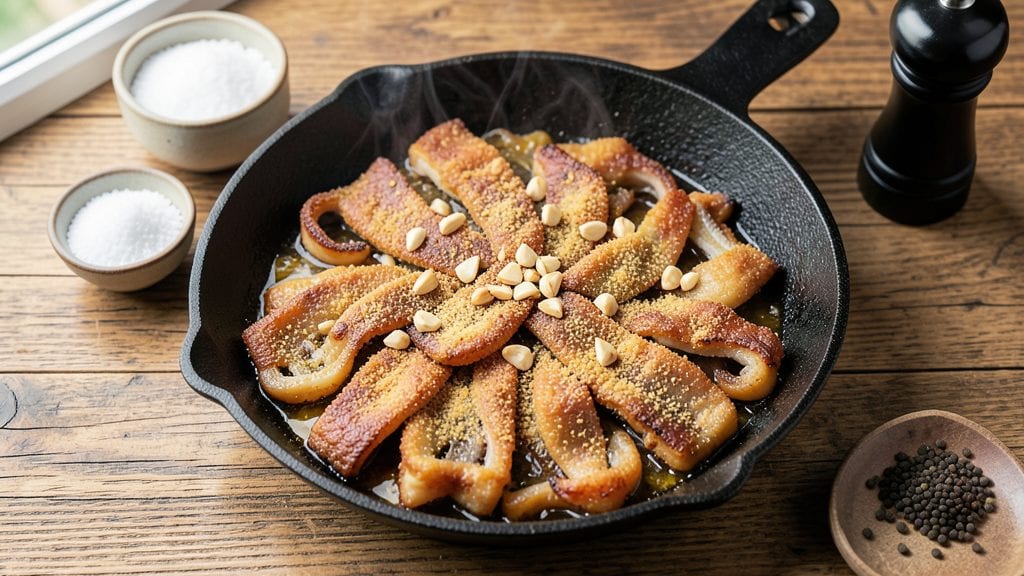
This fried beef tripe recipe delivers the perfect balance of crispy cornmeal crust and silky interior—transforming what many consider an offal into a restaurant-worthy dish.
The secret lies in thorough preparation: soaking the tripe to remove impurities, then seasoning it with a blend of garlic, salt, and pepper before coating it in cornmeal. This technique ensures every bite delivers that satisfying crunch while maintaining tender, melt-in-your-mouth texture.
Tripe may seem intimidating, but with the right method, it becomes a versatile and delicious protein, especially when fried to golden perfection. The key is maintaining consistent oil temperature—around 350°F—to achieve that crispy exterior without overcooking the inside.
This recipe draws from traditional techniques used in Filipino kare-kare and Mexican callos, where tripe is elevated into a star ingredient.
By the time you’re done, you’ll have a dish that’s crispy on the outside and tender on the inside, ready to be served with steamed white rice, black beans, or pickled vegetables for a complete meal.
The cornmeal crust adds a satisfying crunch, while the silky tripe ensures every bite is rich and flavorful. This is the kind of recipe that turns a simple ingredient into something extraordinary.
Safety is critical when handling tripe—always wear gloves and rinse thoroughly before cooking. The frying process requires caution, so keep a fire extinguisher nearby and avoid overcrowding the pan. With these precautions, you’ll achieve restaurant-quality results that impress even the most skeptical eaters.
Ingredients for fried beef tripe
The essential ingredients for transforming tough tripe into crispy, silky perfection—where texture meets tradition.
| Ingredient | Amount | Notes |
|---|---|---|
| Beef Tripe 🥩 | 1 ½ lb | Honeycomb or flat-cut, rinsed thoroughly |
| Yellow Cornmeal 🌽 | 1 cup | Fine grind for even coating |
| Garlic Cloves 🧄 | 8 cloves | Minced, for marinade |
| Kosher Salt 🧂 | 2 tbsp | Diamond Crystal preferred |
| Ground Black Pepper 🌶️ | 1 tbsp | Freshly cracked for intensity |
| Vegetable Oil 🫒 | 3 cups | High smoke point, 350°F |
| Lemon Juice 🍋 | ½ cup | Freshly squeezed for brightness |
| White Vinegar 🍶 | ½ cup | For soaking tripe |
| Bay Leaves 🍃 | 2 whole | Dried, for soaking |
| Ground Cumin 🌿 | 1 tsp | Toasted for depth |
| Paprika 🌶️ | 1 tsp | Smoked variety for color |
| All-Purpose Flour 🌾 | ½ cup | For dredging before cornmeal |
The tripe is the foundation, so source it from a trusted butcher or Whole Foods meat counter. Look for honeycomb or flat-cut varieties—they hold up best to frying. Rinse thoroughly under cold water before soaking to remove any impurities. Costco often carries pre-cut tripe in bulk, which saves time. For optimal texture, choose pieces that are roughly uniform in thickness. The cornmeal should be fine-ground yellow—coarse varieties won’t adhere as well, and the crust will be uneven. Toast the cornmeal lightly in a dry pan before using to enhance its nutty flavor.
No yellow cornmeal? White cornmeal or fine-ground polenta works in a pinch, though the texture will be slightly denser. Substitute the vinegar in the soak with white wine or lemon juice if needed, but the acidity is key to tenderizing. For the garlic, garlic powder at half the amount can be used, but fresh minced garlic delivers that unmistakable depth. The oil temperature is non-negotiable—use a deep-fry thermometer to maintain 350°F. If you don’t have one, test with a small piece of cornmeal: it should sizzle and float immediately. For the spices, Penzeys or McCormick ground cumin and paprika ensure consistent quality, but store-bought brands work fine if they’re fresh.
Soak the tripe in the vinegar-lemon mixture with bay leaves for at least 4 hours, preferably overnight in the fridge. This step is critical—it removes impurities and begins the tenderizing process. The cornmeal coating can be pre-mixed with spices and stored in an airtight container for 2 weeks in a cool, dry place. Once fried, serve immediately for maximum crispiness, but leftovers reheat beautifully in a 350°F oven for 10-12 minutes. For a restaurant-worthy presentation, garnish with extra smoked paprika and a squeeze of lemon right before serving.
Why You'll Love This Recipe
- One-Pot Magic: I swear by this—just the tripe, cornmeal, and garlic in a hot pan, no flipping or fussing. The tripe renders its own juices, so you’re basically hands-off until the crispy crust forms.
- Garlic-Corn Crunch: That first bite? The cornmeal’s got this addictive crunch while the tripe stays tender inside—like a hug from a Southern grandma. The garlic cloves? They caramelize into little flavor bombs.
- Lunchbox Hero: Between us, this reheats like a dream. Pack it cold in a container, and it’s still crispy enough to fool your coworkers. (Or sneak a piece before lunch—no judgment.)
- Budget Win: Tripe’s the secret weapon here—cheap as chips but packed with protein. A single pound feeds four, and leftovers? They disappear faster than my willpower on Taco Tuesday.
Step-by-step instructions for crispy fried beef tripe
A perfect balance of texture and flavor requires precise preparation and technique.
Prepare the Tripe for Soaking
Rinse the 1.5 lb beef tripe thoroughly under cold water to remove any impurities. Place it in a large bowl and cover completely with the 0.5 cup white vinegar and 0.5 cup lemon juice. Add the 2 whole bay leaves and let it soak for at least 4 hours (or overnight for best results). This step tenderizes the tripe and removes any lingering odors. You'll know it's ready when the tripe feels noticeably softer and the liquid takes on a pale yellow hue.
After soaking, drain the tripe and rinse it again under cold water. Pat it completely dry with paper towels—this ensures a better crust adherence later. The tripe should be bone-dry to the touch before proceeding. If you notice any particularly tough sections, use a sharp knife to score them lightly, which helps the marinade penetrate more evenly.
Create the Marinade and Season the Tripe
In a small bowl, combine the 8 cloves minced garlic, 2 tbsp kosher salt, 1 tbsp ground black pepper, 1 tsp ground cumin, and 1 tsp paprika. Mix well to form a coarse paste. Rub this mixture evenly over the entire surface of the tripe, pressing it into the meat so it adheres completely. This seasoning blend is crucial for both flavor and texture—it creates a flavorful crust while helping to tenderize the tripe further.
Let the seasoned tripe rest uncovered in the refrigerator for at least 1 hour. This allows the marinade to penetrate the meat and develop deeper flavor. The tripe should be at room temperature when you're ready to fry, so take it out 30 minutes before cooking. This step ensures even cooking and prevents the tripe from becoming tough.
Set Up the Double-Dredge for Crispy Texture
In a shallow bowl, combine the 0.5 cup all-purpose flour with an additional 1 tbsp kosher salt and 1 tsp ground black pepper. This first dredge creates a fine base layer that helps the cornmeal adhere better. In another bowl, place the 1 cup yellow cornmeal. The cornmeal will provide the signature crispy texture that sets this recipe apart from other tripe preparations.
Heat 3 cups vegetable oil in a deep, heavy-bottomed skillet or Dutch oven to 350°F. Use a thermometer to monitor the temperature—this is critical for achieving the perfect crispy crust without burning. The oil should be shimmering but not smoking. Have a wire rack and paper towels ready for draining, as the fried tripe will be extremely hot.
Fry the Tripe to Golden Perfection
Working in batches if needed, dredge each piece of tripe first in the flour mixture, shaking off any excess. Then dip it into the cornmeal, pressing gently to ensure an even coating. Carefully lower the coated tripe into the hot oil, being mindful not to splash. Fry for 3-4 minutes per side until it reaches a deep golden brown color. The cornmeal crust should be crispy to the touch, and the tripe should feel firm when pressed with tongs.
Remove the fried tripe and place it on the prepared wire rack to drain for 2-3 minutes. This draining step is essential—it prevents the crust from becoming soggy. The tripe should maintain its crispy texture while the interior remains tender. If you notice any pieces losing crispiness too quickly, return them briefly to the oven at 200°F for 1-2 minutes to restore the crunch.
Pro Tips For Making Fried Beef Tripe
- TRIM THE TRIPE THIN: Beef tripe’s tough texture demands patience—slice it no thicker than ¼-inch, or you’ll end up chewing leather. I learned this the hard way after biting into a stubborn slab that refused to crisp, no matter how long I fried it.
- SALT THE TRIPE TWICE: Generously salt the tripe before blanching, then again after drying. The first round draws out impurities; the second ensures seasoning sticks. Skip this, and your crust will taste flat—like forgetting garlic in a dish.
- USE A HOT PAN: Cold oil = soggy tripe. Heat your skillet until it shimmers—smoke point, not burning—then add the tripe. If you rush this, the cornmeal will steam instead of crisp, and you’ll be left with a sad, greasy mess.
- REST THE TRIPE: After frying, pile the tripe on a paper towel and tent loosely with foil for 5 minutes. This traps heat, finishes the crust, and keeps it from turning greasy when you plate it. (Yes, even if you’re impatient like me.)
Storing and reheating this dish
Refrigerator Storage
Store fried tripe in an airtight container with a paper towel pressed on top to absorb excess moisture. Keep it refrigerated for up to 3 days—the cornmeal crust stays crispy longer when sealed properly.
I use Glasslock 16-ounce containers for this because they prevent sogginess better than plastic. Refrigerated tripe reheats best in the oven rather than the microwave to maintain texture. 🥫
Freezer Preservation
For longer storage, freeze fried tripe in a single layer on a tray for 1 hour before transferring to freezer bags. This prevents clumping. Label bags with the date—it stays fresh for up to 3 months.
When ready to eat, thaw overnight in the fridge and reheat in a 350°F oven for 10-12 minutes to restore crispiness. 🧊
Oven Reheating
Preheat oven to 350°F and place tripe on a wire rack over a baking sheet. Bake for 10-12 minutes until heated through and the crust is crisp again.
For extra crunch, broil for 1-2 minutes at the end. I like to sprinkle a little water spray before reheating—it helps the cornmeal crisp up faster. 🔥
Air Fryer Option
If you prefer a quicker method, use an air fryer at 375°F for 5-6 minutes, shaking halfway. This works best for smaller pieces and maintains some crispiness, though not as perfectly as oven reheating. The air fryer is ideal for single servings or when you're short on time. 💨
Safety Reminders
Always reheat tripe to an internal temperature of 165°F to ensure food safety. Never reheat in the microwave without covering—it makes the crust soggy and can create steam burns.
If tripe smells off or looks discolored after reheating, discard it immediately. Proper storage and reheating keep this dish safe and delicious. ⚠️
Serving Suggestions
Serve reheated tripe immediately with classic sides like steamed white rice, black beans, or pickled jicama. The acidity from pickled veggies cuts through the richness beautifully. For a complete meal, add a simple garlic aioli or spicy salsa on the side. 🍽️
Nutrition facts
Frequently asked questions
Why do I need to soak the tripe before cooking?
Soaking removes impurities and tough membranes that can make tripe chewy. The vinegar-lemon mixture tenderizes the meat while the bay leaves add subtle flavor. Skipping this step results in a less tender, less flavorful final dish.
Can I use a different flour instead of all-purpose for dredging?
Yes, but texture may vary. Rice flour creates a lighter crust, while cornstarch makes it extra crispy. For best results, stick with all-purpose—it balances adhesion and crunch. Gluten-free options like chickpea flour work too, but expect a denser texture.
What's the best way to handle tripe if I'm squeamish about offal?
Wear gloves when handling raw tripe and work in a well-ventilated area. The soaking process removes most odors, and thorough rinsing eliminates surface impurities. If the texture still concerns you, focus on the crispy cornmeal crust—it masks any "gamey" flavors.
How do I know when the oil is ready for frying?
Use a deep-fry thermometer to confirm 350°F. If you don't have one, drop a small piece of cornmeal into the oil—it should sizzle and float immediately. Oil should shimmer but not smoke. Overheating causes burning, while underheated oil makes the crust greasy.
What if my tripe turns out rubbery instead of tender?
Overcooking is the most likely cause. Fry in 3-4 minute batches and check for internal doneness with a thermometer (165°F). If tripe feels tough, try simmering it in broth for 20 minutes before frying next time. Always soak thoroughly—this is the key to tenderness.