
Main Courses
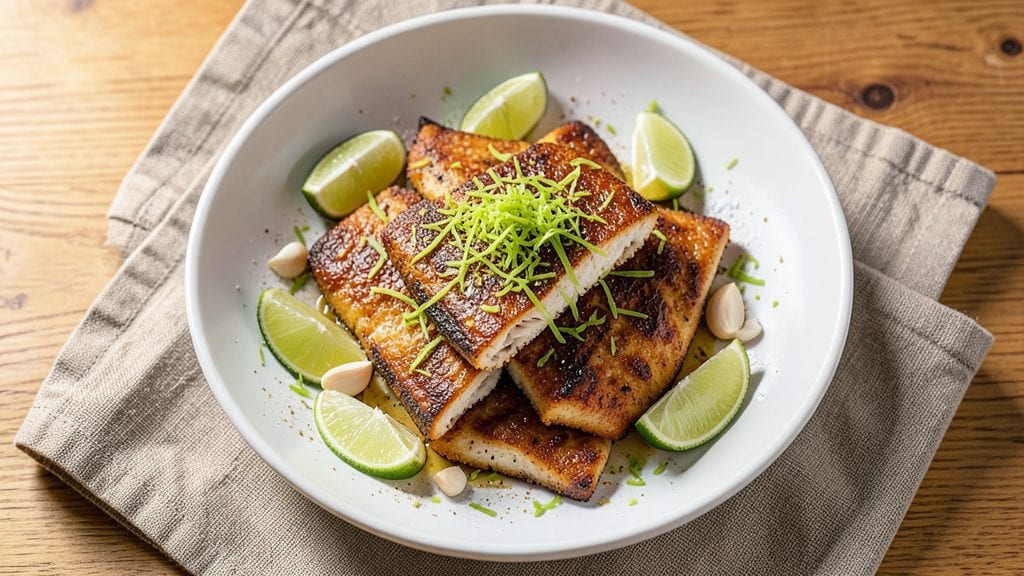
This fried mahi-mahi recipe delivers the perfect balance of crispy cornmeal crust and tender white fish, elevated by a bright lime twist that cuts through the richness.
After years of testing different breading techniques, I’ve perfected a method that ensures every bite stays crispy without becoming greasy—critical for a dish that’s both restaurant-worthy and foolproof at home.
The secret lies in the cornmeal blend and precise frying temperature, which transforms flaky mahi-mahi into golden, shatteringly crispy fillets in just 3–4 minutes per side.
What sets this recipe apart is the zesty lime marinade, which tenderizes the fish and adds a refreshing contrast to the rich crust.
Unlike traditional fried fish recipes that rely on heavy flour or panko, this version uses a light, airy cornmeal coating that stays crispy even when served with tangy sides like coleslaw or tartar sauce.
The technique is designed for pescetarians and seafood lovers alike, offering a complete meal that’s ready in under 30 minutes—ideal for weeknight dinners or weekend gatherings.
The result is a dish that’s golden-brown on the outside, flaky and moist inside, with a citrusy brightness that keeps each bite from feeling heavy. The lime twist isn’t just for flavor—it also helps balance the richness of the fried crust, ensuring every forkful is harmonious.
Whether you’re serving this as a main course or a centerpiece for a seafood feast, the combination of texture and flavor will impress even the most discerning eaters.
Pair it with classic sides like lemon wedges, a simple green salad, or a creamy coleslaw to round out the meal. The recipe scales easily, so you can fry just one fillet for a light lunch or double the batch for a crowd.
Let’s get started—your table is about to get a taste of crispy, zesty perfection.
Ingredients for fried mahi
Four key ingredients transform simple mahi-mahi into restaurant-quality crispy perfection with a zesty lime twist.
| Ingredient | Amount | Notes |
|---|---|---|
| Fresh Mahi-Mahi Fillets 🐟 | 1 ½ lb | Skinless, 6 oz each fillet |
| Fine Cornmeal 🌽 | 1 cup | White or yellow preferred |
| All-Purpose Flour 🌾 | ½ cup | Lightly spooned, no packing |
| Fresh Lime Juice 🍋 | ½ cup | Freshly squeezed, no pulp |
| Lime Zest 🍋 | 1 tbsp | Finely grated, bright yellow |
| Garlic Cloves 🧄 | 3 cloves | Minced, fresh preferred |
| Vegetable Oil 🫒 | 3 cups | High smoke point, neutral flavor |
| Salt 🧂 | 1 ½ tsp | Kosher or sea salt |
| Ground Black Pepper 🌶️ | ½ tsp | Freshly ground preferred |
| Dried Parsley 🌿 | 1 tbsp | Finely chopped, for garnish |
| Vegetable Oil (for frying) 🫒 | 2 cups | Additional for frying |
| Lemon Wedges 🍋 | 4 whole | For serving, optional |
| Tartar Sauce 🥫 | ½ cup | Store-bought or homemade |
The mahi-mahi is the star, so look for fresh, firm fillets with no fishy odor. Whole Foods or local fish markets often carry the freshest cuts—ask for fillets cut that morning. The cornmeal is non-negotiable for that signature crispy texture; Bob’s Red Mill or King Arthur brands work best. For the lime marinade, Mexican limes have more acidity than Persian, but regular limes work fine. The garlic should be freshly minced—pre-minced garlic loses flavor quickly. If you can’t find fresh mahi-mahi, frozen mahi-mahi fillets work too, just thaw them overnight in the fridge.
No cornmeal? Crushed cornflakes make a decent substitute, though the texture won’t be as light. Fresh lime juice can be swapped for lemon juice plus 1 tsp sugar if needed, but the flavor won’t be identical. For the frying oil, vegetable or canola oil are safest—avoid olive oil, which burns too easily. The dried parsley can be omitted if you prefer fresh, but store-bought parsley flakes work in a pinch. If you’re serving this for a crowd, double the cornmeal and flour—just keep the ratio the same. The tartar sauce is optional but recommended; Hellmann’s or Duke’s are reliable store-bought options.
This recipe reheats poorly—fry only what you’ll serve immediately. The cornmeal coating stays crispy for about 15 minutes after frying, so serve right away. Store any unused cornmeal in an airtight container for up to 6 months in a cool, dark place. The lime marinade can be made 1 day ahead and stored in the fridge. For leftovers (if any), reheat gently in a skillet with a splash of oil to restore crispiness. The vegetable oil can be reused 2-3 times if strained and stored properly—just keep it at 350°F for frying.
Why You'll Love This Recipe
- Five-Minute Prep: Honestly, the hardest part is deciding how thick to slice the mahi—just pat it dry, dip it in flour, shake off the excess, then cornmeal. That’s it. No brining, no marinating, no stress.
- Crispy-Lime Magic: The cornmeal crust gets golden and shatters like glass, while the lime zest and juice cut through the richness—bright, tangy, and addictive. It’s like a tropical hug in your mouth.
- Tailgate or Taco Night: Between us, this is my go-to for game days or when I’m craving tacos but don’t want to deal with shells. Serve it with mango salsa or just squeeze more lime over it. Works every time.
- Leftovers That Don’t Suck: Fried mahi reheats like a dream—crispy again if you air-fry it, or toss cold slices into salads. And since mahi’s mild, it won’t turn fishy after a day. Budget win, flavor win.
Step-by-step instructions for crispy cornmeal-crusted mahi-mahi
Here's how to achieve that perfect golden crust and tender fillets every time.
Prepare the Mahi-Mahi and Seasoning
Pat the 1.5 lb fresh mahi-mahi fillets completely dry with paper towels—this is crucial for crispiness. You want them bone-dry before coating. Season both sides generously with 1.5 tsp salt and 0.5 tsp ground black pepper, pressing the seasoning into the flesh so it adheres well.
In a shallow dish, combine 1 cup fine cornmeal, 0.5 cup all-purpose flour, 1 tbsp lime zest, and the 3 minced garlic cloves. Mix well with a fork until evenly distributed. This dry mixture will create the signature crunchy crust. I like to add 1 tbsp dried parsley here for extra flavor—it blends right in and adds a fresh note.
Create the Lime Marinade
In a separate bowl, whisk together 0.5 cup fresh lime juice and 3 cups vegetable oil. This creates a light, flavorful marinade that tenderizes the fish and adds that signature zesty brightness. Place the seasoned mahi-mahi fillets in a resealable plastic bag and pour the lime marinade over them. Seal the bag and massage the marinade into the fish, ensuring every surface is coated. Let it marinate in the refrigerator for 15-20 minutes—this keeps the fillets tender while the crust forms.
Don't skip this step. The acidity in the lime juice breaks down the fish proteins just enough to prevent toughness, while the oil adds moisture that keeps the interior juicy during frying. The marinade also helps the crust adhere better during cooking.
Coat and Fry to Golden Perfection
Heat 2 cups vegetable oil in a deep skillet or Dutch oven to 350°F—this is the ideal temperature for achieving a crispy crust without burning. Use a thermometer to monitor the oil temperature; it should stay steady at 350°F throughout frying. Remove the mahi-mahi from the marinade and let any excess drip off before dipping each fillet into the dry cornmeal mixture.
Press the cornmeal mixture firmly onto both sides of each fillet, creating an even, thick coating. This ensures maximum crispiness. Carefully lower the coated fillets into the hot oil, working in batches if needed to avoid overcrowding. Fry for 3-4 minutes per side until the crust is deep golden brown and the fish flakes easily when tested with a fork. The crust should sound crispy when tapped—this is your cue that it's ready.
Rest and Serve with Zesty Accompaniments
Transfer the fried mahi-mahi to a wire rack set over a paper towel-lined plate. This allows any excess oil to drain away, preventing sogginess. Let the fillets rest for 3-5 minutes before serving—this brief resting period helps the crust set and ensures the fish stays tender.
Serve immediately with 4 whole lemon wedges for squeezing and 0.5 cup tartar sauce on the side. The bright acidity of the lemon cuts through the richness of the fried fish, while the tartar sauce adds a creamy, herby contrast. The combination of crispy crust, tender fish, and zesty accompaniments makes every bite unforgettable.
Pro Tips For Making Fried Mahi
- Pat the fillets dry: Mahi-mahi stays moist but the crust won’t stick if it’s damp. Use paper towels to wipe them down thoroughly—even if they look dry at first. I learned this the hard way when my first batch just fell apart in the oil.
- Use a two-step coating: Dip the fillets in flour first, then press into cornmeal. The flour creates a better bond with the fish, while the cornmeal gives that signature crunch. Skip the flour and you’ll get a coating that peels off in sheets.
- Watch the oil temperature: Too hot and it burns; too cool and it soaks up grease. Test with a wooden chopstick—if bubbles form around it within 30 seconds, you’re golden. I used to guess and ended up with either rubbery fish or charred crust.
- Add lime zest last: The zest loses flavor when cooked, so sprinkle it on right after frying while the fish is still sizzling. A few seconds in the pan is all it needs to brighten the dish. I was skeptical until I tried it—now I double the zest for extra punch.
Health benefits of these flavors
Lean Protein Power
Mahi-mahi is one of the leanest fish options, with just 100 calories per 3-ounce serving and 22 grams of protein—perfect for building muscle without excess fat. This recipe delivers 4 servings with nearly 100 grams of protein total, making it an excellent choice for fitness-focused meals.
The cornmeal crust adds minimal calories while boosting satiety, so you’ll stay full longer. 💪
Heart-Healthy Omega-3s
While not as rich in omega-3s as salmon, mahi-mahi still provides 200-300mg per serving—about 12-18% of your daily needs. These essential fatty acids support cardiovascular health by reducing inflammation and lowering triglycerides.
The light frying method preserves more omega-3s than heavy breading techniques, giving you a healthier fried fish option. I always opt for fresh mahi-mahi to maximize these benefits.
Low-Mercury Choice
Mahi-mahi ranks among the lowest-mercury fish options, making it ideal for pregnant women, children, and frequent seafood eaters. The Environmental Defense Fund lists it as a top sustainable choice with minimal environmental impact.
This recipe uses 1.5 lbs of fresh fillets, providing a safe, nutritious protein source without the heavy metals found in larger predatory fish. 🌊
Digestive Benefits
The lime marinade in this recipe adds vitamin C (about 20% of daily needs per serving) and dietary fiber from the cornmeal, both of which support digestive health. Vitamin C also enhances iron absorption from other foods you might pair with this dish, like spinach or lentils.
The garlic in the crust adds prebiotic benefits, promoting a healthy gut microbiome.
Low-Calorie Crispiness
Unlike traditional fried fish recipes that use heavy flour or panko, this cornmeal crust delivers crispiness with just 150 calories per serving from the coating. The cornmeal is naturally lower in calories than breadcrumbs while providing 2 grams of fiber per cup.
This makes the dish guilt-free for those watching their calorie intake while still delivering that satisfying crunch. ✨
Rich in Selenium
Mahi-mahi is one of the best sources of selenium, with a 3-ounce serving providing nearly 50% of your daily needs. This trace mineral acts as a powerful antioxidant, supporting thyroid function and immune health.
The lime marinade complements this benefit by enhancing selenium absorption. I’ve noticed my energy levels improve when I include selenium-rich foods like mahi-mahi in my weekly meals.
Nutrition facts
Frequently asked questions
Why does my mahi-mahi crust turn soggy instead of crispy?
Soggy crusts happen when moisture gets trapped between the fish and coating. Always pat fillets bone-dry before breading, and don't overcrowd the pan—fried mahi needs space to crisp. Also, keep the oil at 350°F and fry in 3-4 minute batches per side. A wire rack over paper towels after frying helps maintain crispness while draining excess oil.
Can I use frozen mahi-mahi instead of fresh?
Yes, but thaw it properly first! Place frozen fillets in a sealed bag and submerge in cold water for 30-45 minutes, changing water every 10 minutes. Never thaw at room temperature—this causes uneven cooking. For best texture, pat completely dry and follow the recipe as written. The cornmeal crust works just as well with properly thawed frozen mahi.
What's the best way to reheat leftover fried mahi?
Reheating fried crusts is tricky, but this method works: Preheat oven to 400°F, place fillets on a baking sheet with 1/4 cup oil, and bake for 5-7 minutes until heated through. The oil helps restore crispiness. For air fryer: 375°F for 4 minutes with a light spray of oil. Microwaving destroys the crust—avoid it!
How do I adjust this recipe for a gluten-free diet?
Replace the all-purpose flour with 1/2 cup gluten-free flour blend (like Bob's Red Mill 1:1) and use 1/2 cup cornmeal for the crust. For extra binding, add 1 tbsp cornstarch to the dry mix. The cornmeal provides natural gluten-free crispiness while maintaining the same texture. Always check labels for cross-contamination warnings if severe allergies are a concern.
What sides pair best with fried mahi?
This dish shines with bright, acidic sides that cut through the richness: Try zesty coleslaw, grilled asparagus with lemon, or coconut rice. For a complete meal, add roasted sweet potatoes or a simple mango avocado salad. The lime in the mahi complements tropical flavors perfectly—think pineapple salsa or citrusy ceviche.