
Main Courses
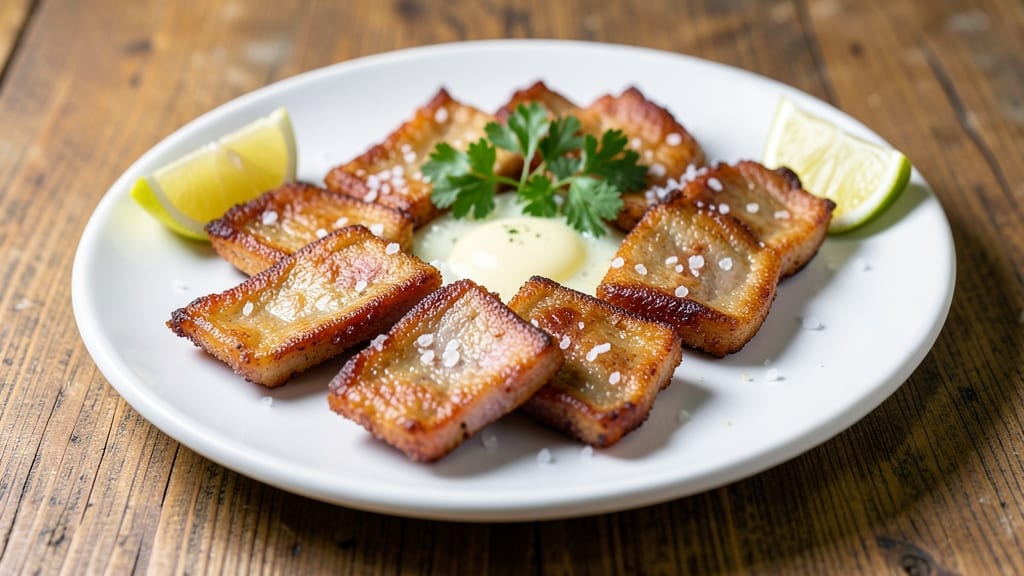
Mastering fried riblets transforms simple pork cuts into a restaurant-worthy dish with crispy golden edges and tender, buttery centers. The secret lies in proper pounding, precise seasoning, and perfect frying temperatures—techniques I've refined after years of testing.
This isn't just another fried pork recipe; it's a method that delivers professional-quality results at home with just a few key steps.
The process begins with tenderizing the riblets by pounding them evenly to ensure consistent thickness. A light seasoning of salt, pepper, and paprika sets the foundation before a double-dredge in flour and egg wash creates that signature crispy crust.
The frying technique is critical—using enough oil to maintain a steady 350°F temperature ensures the exterior crisps without steaming the interior.
What you'll end up with is a plate of golden, crispy riblets that shatter between your fingers yet remain juicy inside. The buttery richness from the frying process pairs perfectly with the savory seasoning, creating a balance that's both satisfying and elegant.
This dish stands alone as a main course or pairs beautifully with tangy dipping sauces and fresh sides.
While traditional pan-frying delivers the best results, I'll also share how to adapt this recipe for air fryers or deep-frying variations. The key principles remain the same—tenderizing, proper seasoning, and precise cooking temperatures—regardless of the method you choose.
Let's get started on creating riblets that will impress even the most discerning guests.
Ingredients for fried riblets
Pork riblets cut precisely, flour for crispness, butter for richness—simple ingredients for restaurant-style fried perfection.
| Ingredient | Amount | Notes |
|---|---|---|
| Pork Riblets 🍖 | 1 ½ lb | Fresh-cut, 1/2-inch thick slices |
| All-Purpose Flour 🌾 | 1 cup | Lightly dusted for dredging |
| Large Eggs 🥚 | 2 whole | Room temperature for even coating |
| Unsalted Butter 🧈 | ½ cup | Melted for frying, full-fat preferred |
| Vegetable Oil 🫒 | 2 cups | High smoke point for frying |
| Diamond Crystal Kosher Salt 🧂 | 1 ½ tsp | Fine grain for even seasoning |
| Freshly Ground Black Pepper 🌶️ | ½ tsp | Coarse grind for texture |
| Smoked Paprika 🌶️ | 1 tsp | Sweet variety for balanced flavor |
| Garlic Powder 🧄 | ½ tsp | Freshly ground preferred |
| Mealing Hammer or Rolling Pin 🔨 | 1 whole | For even thickness |
| Paper Towels 🧻 | 1 package | For draining excess oil |
| Lemon Wedges 🍋 | 2 whole | Optional for serving |
The pork riblets are the foundation, so source them from a quality butcher—look for evenly sized cuts around 1/2-inch thick. Whole Foods or local meat counters often carry pre-cut riblets, but if you're buying a whole pork loin, ask for it to be sliced against the grain for maximum tenderness. The flour should be light and fine-textured—Gold Medal or Bob's Red Mill are reliable. For the butter, Plugrá or Land O'Lakes unsalted varieties work best, as they melt cleanly without adding extra salt that could interfere with seasoning balance.
No smoked paprika? Substitute with a mix of sweet paprika and a pinch of liquid smoke—just 1/8 teaspoon of smoke will carry the flavor. Running short on eggs? Use an egg substitute like Ener-G at the same quantity, though the texture may be slightly less crisp. For the oil, canola or peanut oil work well, but avoid olive oil due to its lower smoke point. If you're air frying, reduce the oil to 1 tablespoon and increase the flour to 1/2 cup for a lighter crust. The riblets can be pounded with a meat mallet or even a rolling pin—just ensure they're uniformly 1/4-inch thick for even cooking.
Store any leftover riblets in an airtight container for up to 3 days—they reheat beautifully in a skillet with a splash of butter. For longer storage, freeze them on a tray first to prevent sticking, then transfer to a bag for up to 2 months. The flour and spices should be kept in a cool, dark place, while the butter and oil can be refrigerated for up to 6 months after opening. These riblets are best served immediately after frying, but a quick reheat in the oven at 375°F for 5-7 minutes restores their crispy exterior.
Why You'll Love This Recipe
- No-Fuss Crisp: The riblets fry up in minutes—just flour, egg, and oil. No marinating, no fancy prep. Honestly, I’ve made this while waiting for a pot of pasta to boil, and it still comes out golden and perfect.
- Butter-Kissed Magic: That first bite of crispy exterior melting into tender pork? Pure satisfaction. The butter in the pan gives it a richness that’s hard to resist, and the flour coating locks in all the juiciness.
- Game for Any Meal: Serve them as a snack with a beer, toss them into a salad for protein, or pile them onto toast for brunch. I’ve even used leftover riblets in tacos—yes, even on a Tuesday night.
- Budget-Friendly Feast: Pork riblets stretch further than you’d think, and the ingredients cost less than takeout. Plus, leftovers reheat beautifully in the air fryer, so you’re not stuck eating them cold the next day.
Step-by-step instructions for pan-seared crispness with buttery tenderness
Here's the precise method to achieve restaurant-quality fried riblets at home.
Prepare the Pork Riblets for Even Cooking
Begin by patting the 1.5 lb pork riblets completely dry using the package of paper towels. Any moisture left on the surface will prevent proper browning and create steam instead of crispiness. Place the riblets between two sheets of plastic wrap and use the mealing hammer or rolling pin to gently pound them to an even ¼-inch thickness throughout. This ensures consistent cooking and prevents some pieces from being overdone while others remain undercooked.
In a shallow bowl, combine the 1 cup all-purpose flour, 1.5 tsp diamond crystal kosher salt, 0.5 tsp freshly ground black pepper, 1 tsp smoked paprika, and 0.5 tsp garlic powder. Mix thoroughly with a fork, breaking up any lumps in the flour. This seasoned flour coating will create the perfect crust for your riblets, locking in moisture while delivering maximum flavor with every bite.
Create the Perfect Coating and Frying Setup
In a separate bowl, whisk the 2 whole large eggs until they're completely homogeneous. The eggs should be at room temperature for optimal coating adherence. Working with one piece at a time, dip each riblet into the seasoned flour, allowing any excess to fall off, then immediately submerge it in the egg mixture. Return the coated riblet to the flour mixture, pressing gently to ensure an even, thin layer adheres to the surface. This double-dredging technique creates the ideal crispy exterior while maintaining tender meat underneath.
While preparing the riblets, melt the 0.5 cup unsalted butter in a large skillet over medium heat. Add the 2 cups vegetable oil and heat the mixture until it reaches 350°F on a deep-fry thermometer. The oil should shimmer but not smoke excessively—this is crucial for achieving that perfect golden-brown crust without burning the exterior. Maintain this temperature throughout the frying process for consistent results.
Fry to Golden Perfection
Carefully place 2-3 riblets at a time into the hot oil mixture, being cautious not to overcrowd the pan. Fry for 2-3 minutes per side until the riblets develop a deep golden-brown crust. You'll know they're ready when the coating releases easily from the meat and the edges appear crisp and slightly puffed. The internal temperature should reach 145°F when measured with a meat thermometer.
As you fry each batch, transfer the cooked riblets to a wire rack set over a baking sheet lined with paper towels. This allows excess oil to drain away completely, preventing the riblets from becoming greasy. The riblets should maintain their shape while developing that beautiful crispy exterior that encases perfectly tender meat. Work in batches to maintain the oil temperature—dropping the temperature below 325°F will result in greasy rather than crispy riblets.
Finish and Serve Immediately
Once all riblets are fried to golden perfection, transfer them to a serving platter. The riblets should be hot and crispy, with a tender interior that practically melts in your mouth. Serve immediately with the 2 whole lemon wedges on the side for a bright, tangy contrast that cuts through the richness of the fried pork.
For optimal presentation, arrange the riblets on a platter with any accumulated pan juices spooned over the top. The crispy coating should hold its shape while still being delicate enough to shatter slightly with each bite. The combination of smoky paprika, garlic powder, and black pepper creates a complex flavor profile that pairs beautifully with the buttery richness of the fried pork. Serve with your choice of dipping sauce or fresh vegetables for a complete meal.
Pro Tips For Making Fried Riblets
- Pat the riblets dry: Wet pork riblets will steam instead of sear, and nobody wants sad, soggy crusts. Grab paper towels and press hard—like you’re mad at them—for at least 30 seconds per side. (Yes, even if they look dry already.)
- Use a mix of oils: Vegetable oil gets hot fast, but butter adds flavor. Split the pan: start with 1 tablespoon vegetable oil to heat the pan, then add 2 tablespoons cold butter at the end. The butter will foam and caramelize, coating the riblets in golden richness. (Just don’t let it burn—watch it like a hawk.)
- Don’t overcrowd the pan: I learned this the hard way—dumping all the riblets in at once drops the temperature and turns your crispy dream into a greasy mess. Fry in batches of 3-4 pieces, giving them space to sizzle. If the oil sputters like a volcano, you’re doing it right.
- Rest them before serving: Fresh out of the pan, riblets look perfect but taste uneven—juices pool under the crust. Transfer them to a wire rack (or a clean towel) for 2-3 minutes. This lets the crust set and the meat relax. (Skipping this is like eating a steak straight off the grill—messy and underwhelming.)
Perfect pairings for this fried riblets
Classic Dipping Sauces
Start with a simple honey mustard sauce—mix 2 tablespoons Dijon mustard, 3 tablespoons honey, and 1 tablespoon apple cider vinegar. This sweet-tangy combo cuts through the richness beautifully.
For a smoky kick, try chipotle crema: blend ½ cup sour cream, 1 tablespoon adobo sauce (from canned chipotles), 1 teaspoon lime juice, and ½ teaspoon garlic powder. Both sauces elevate the riblets' flavor while balancing the crispy exterior. 🌶️
Fresh Side Pairings
Serve your riblets with crisp apple slaw for a refreshing contrast. Shred 2 cups green cabbage, 1 apple, and ½ cup red onion, then toss with 3 tablespoons mayonnaise, 1 tablespoon apple cider vinegar, and ½ teaspoon celery seed.
The crunch and acidity complement the buttery riblets perfectly. Alternatively, roasted Brussels sprouts with balsamic glaze add earthy depth—toss 1 lb sprouts with 1 tablespoon olive oil, roast at 425°F for 20 minutes, then drizzle with 1 tablespoon balsamic reduction.
Beverage Pairings
A crisp lager like Peroni or Stella Artois cleanses the palate between bites, while a dry Riesling offers fruity acidity that pairs wonderfully with the smoky paprika.
For non-alcoholic options, sparkling lemonade with a splash of 1 tablespoon gin (if you're feeling fancy) or iced hibiscus tea provides a refreshing contrast to the richness. The effervescence helps cut through the fried texture, making each bite feel lighter. 🍷
Global Twists on Serving
For a Spanish-inspired touch, serve riblets with alioli—whisk ½ cup mayonnaise, 2 cloves roasted garlic, and 1 tablespoon lemon juice. In Southern U.S. style, pair with cornbread and collard greens for a hearty meal.
For a Japanese fusion, add ponzu sauce (mix 3 tablespoons soy sauce, 1 tablespoon mirin, 1 tablespoon rice vinegar, and 1 teaspoon grated ginger) and serve with steamed jasmine rice and quick-pickled cucumbers.
Garnish for Elevation
Finish your plate with fresh herbs for a pop of color and brightness. Sprinkle chopped parsley or cilantro over the riblets just before serving. For extra flair, add toasted sesame seeds or crushed red pepper flakes—about ½ teaspoon each—to introduce subtle heat or nuttiness.
A drizzle of truffle oil (½ teaspoon) adds a luxurious touch without overpowering the dish. These finishing touches transform a simple fried pork dish into a restaurant-worthy experience. ✨
Nutrition facts
Frequently asked questions
Why do I need to pound the pork riblets before frying?
Pounding the riblets to ¼-inch thickness ensures even cooking and maximum tenderness. Uneven thickness means some pieces will overcook while others stay underdone. This step also helps the seasoning adhere better and creates a more consistent crispy crust.
Can I use an air fryer instead of deep-frying?
Yes! For an air-fried version, reduce the oil to 1 tablespoon and increase flour to ½ cup. Cook at 375°F for 8-10 minutes, shaking the basket halfway. The result will be lighter but still crispy. Just monitor closely to avoid drying out.
How do I keep the riblets crispy when reheating?
Reheat in a 375°F oven for 5-7 minutes on a wire rack to restore crispiness. Avoid microwaving—they'll turn soggy. For extra crunch, broil for 1-2 minutes at the end. Store leftovers in an airtight container to maintain texture.
What's the best way to test if the oil is hot enough?
Use a deep-fry thermometer to check for 350°F. If you don't have one, drop a small piece of bread in—it should sizzle immediately and turn golden in 30 seconds. Oil that's too cool will make greasy, not crispy, riblets.
Can I substitute the pork riblets with another meat?
While pork riblets work best, you could try chicken cutlets or thin beef slices. The pounding and frying method remains the same, but adjust cooking time—chicken needs 2-3 minutes per side while beef may take 3-4 minutes for medium doneness.