
Beverages
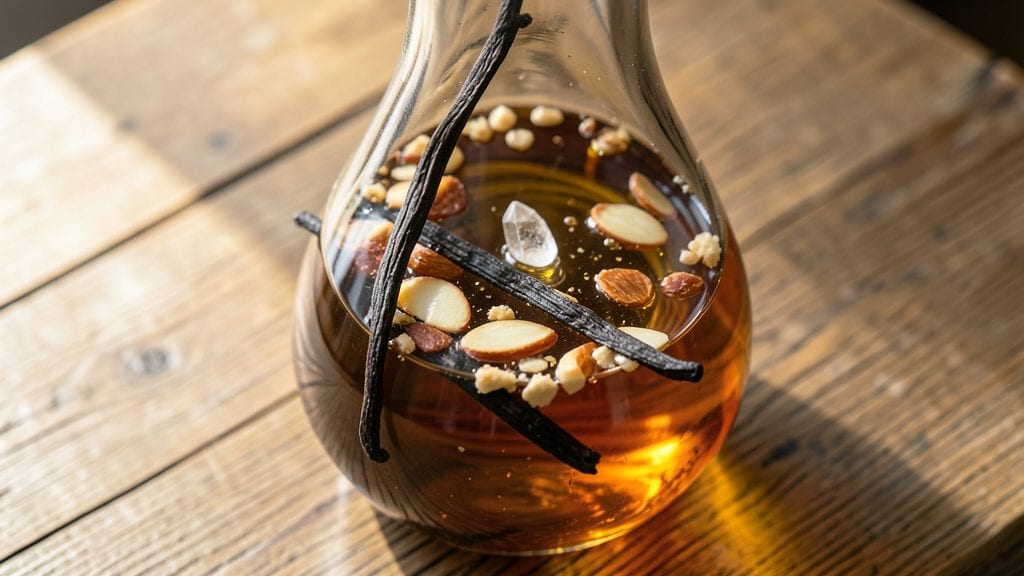
Creating homemade amaretto transforms a simple liqueur into a velvety-smooth almond-infused spirit with professional depth. The key lies in balancing almond extract, sugar, and high-proof alcohol while steeping just long enough to capture that signature nutty richness without bitterness.
I perfected this method after years of experimenting with infusion times and sugar ratios—now you can achieve restaurant-quality results in your own kitchen.
The process begins with a simple yet precise combination of vodka, almond extract, and sugar syrup, all combined in a clean glass container. What sets this recipe apart is the controlled steeping method—neither too short (which leaves it flat) nor too long (which risks over-extraction).
The result? A liqueur with that authentic almond-forward sweetness and smooth finish you’d expect from a premium bottle, but made entirely at home.
By the time you’re done, you’ll have a golden-hued liqueur with layers of toasted almond flavor and a velvety texture that works perfectly in cocktails, desserts, or sipped neat. The aging process—just a few weeks—enhances the flavor, ensuring every sip delivers that professional-quality depth without requiring advanced techniques.
Whether you’re crafting amaretto sours, drizzling it over tiramisu, or enjoying it as a digestif, this recipe delivers restaurant-quality results with minimal effort. Let’s get started on your homemade liqueur journey.
Ingredients for homemade amaretto
Eight simple components transform into velvety almond liqueur with restaurant-quality depth.
| Ingredient | Amount | Notes |
|---|---|---|
| High-Proof Vodka 🍸 | 1 cup | 80-proof minimum, like Tito's or Ketel One |
| Pure Almond Extract 🌰 | 2 tbsp | Not imitation, 100% natural almond extract |
| Granulated Sugar 🍚 | 1 cup | White or raw, no substitutes |
| Water 💧 | ¼ cup | Filtered or distilled preferred |
| Toasted Almonds 🌰 | ½ cup | Lightly toasted, whole or slivered |
| Vanilla Bean 🍫 | 1 whole | Split lengthwise for seeds |
| Cinnamon Stick 🌿 | 1 whole | Optional, for depth |
| Activated Charcoal ⚫ | ½ tsp | Food-grade, for clarity |
The vodka is your foundation—80-proof minimum ensures proper extraction without overpowering the almond flavor. I always grab Tito's Handmade Vodka from Total Wine or Ketel One from Costco—they’re consistent and neutral enough to let the almond shine. The almond extract must be pure, not imitation—McCormick Pure Almond Extract is my go-to, but check the label for '100% natural.' Toast your almonds lightly in a dry pan (just until fragrant) to deepen their flavor, then let them cool completely before adding. The vanilla bean adds subtle complexity—Madagascar Bourbon beans from Penzeys deliver the best aroma, but a good-quality grocery store vanilla works too.
No almond extract? Almond butter or toasted almonds alone can work, but the flavor will be less refined. Short on sugar? Honey or agave at a 1:1 ratio adds floral notes, though it may alter the final texture slightly. The charcoal is optional but makes a noticeable difference in clarity—Amazon or health food stores carry food-grade versions. Want extra depth? Swap the cinnamon stick for a star anise pod or cardamom pods. The key is balance: if you add extra spices, reduce the vanilla slightly to avoid overpowering the almond. For a smoother finish, strain through a coffee filter after steeping.
Store your amaretto in a dark glass bottle (amber or cobalt) in a cool, dark place—2-3 weeks for basic flavor, up to 6 weeks for deeper complexity. The longer it ages, the smoother it becomes. If you notice any sediment after aging, simply strain it again through a fine-mesh sieve. This liqueur keeps indefinitely in the fridge once opened, but the flavor peaks within 6 months. For cocktails, use it within 3 months of aging for the freshest taste. Freeze any extra in ice cube trays for easy portioning.
Why You'll Love This Recipe
- Five-Ingredient Magic: I swear, this is the kind of recipe where you measure, mix, and forget about it. Just vodka, almond extract, sugar, water, and toasted almonds—no fancy techniques, no waiting for hours. Honestly, my first batch sat for a week while I "forgot" about it, and it turned out better for the wait.
- Nutty Luxury: That balance of smooth almond warmth and just a hint of vodka bite? It’s like dessert in a bottle without the guilt. The toasted almonds add a subtle crunch that makes it feel indulgent, but the pure almond extract keeps it from tasting like a candy store. I’ll be real: I’ve used it in coffee, cocktails, and even drizzled it over vanilla ice cream.
- Cocktail Game-Changer: This isn’t just for sipping—it’s my go-to for amaretto sours, espresso martinis, or even a simple soda. The depth of flavor cuts through citrus and coffee like a knife. Between us, I’ve had people ask for the recipe after one taste, and I always just smile and say, "You’ll have to make it yourself now."
- Zero-Waste Goldmine: A single batch makes enough for months, and it only gets better with age. I keep a bottle in my freezer for last-minute cocktails, and the leftovers? Perfect for gifting—just slap a ribbon on it. Plus, the ingredients are cheap, so you’re basically making liquid gold for pennies. My friend’s birthday gift last year? A bottle of this. She still texts me thank-you notes.
Step-by-step instructions for homemade amaretto recipe
Here's how to craft a rich, nutty liqueur with professional depth using simple techniques.
Prepare the Almond Infusion Base
In a clean glass jar with a tight-sealing lid, combine the 1 cup high-proof vodka, 0.5 cup toasted almonds, and 1 whole vanilla bean (split lengthwise). Seal the jar and let it infuse at room temperature for 7 days, shaking gently once daily. The almonds will release their oils and the vanilla will add subtle floral notes—this foundational infusion creates the signature nutty character.
I like to use a jar with at least 16 ounces capacity to allow room for shaking. The toasted almonds should be completely submerged in the vodka. If you notice any mold developing after 3-4 days, discard and start fresh—this infusion requires pristine conditions for optimal flavor development.
Create the Sugar Syrup and Charcoal Mixture
In a separate saucepan, combine the 1 cup granulated sugar and 0.25 cup water over medium heat. Stir constantly until the sugar completely dissolves, then bring to a gentle boil for 2-3 minutes until slightly thickened. Remove from heat and let cool to room temperature—this creates a clean, neutral sweetener base.
While the syrup cools, whisk the 0.5 tsp activated charcoal into the 2 tbsp pure almond extract in a small bowl. The charcoal will help clarify the final liqueur, removing any impurities while preserving the almond flavor. This step is crucial for achieving that professional clarity you'd expect from commercial amaretto.
Combine All Components for Fermentation
Strain the almond-vodka mixture through a fine-mesh sieve lined with cheesecloth into a clean glass bottle, pressing gently on the solids to extract all flavor. Add the cooled sugar syrup and charcoal-almond extract mixture, along with the 1 whole cinnamon stick. Seal tightly and store in a dark, cool place for 10 days, shaking gently every other day.
The cinnamon adds subtle warmth that complements the almond flavor without overpowering it. During this period, the flavors meld together while the charcoal continues to work its magic, creating a beautifully clear liqueur. I recommend using a glass bottle that can handle the shaking—amber glass helps protect from light exposure.
Final Clarification and Bottling
After the 10-day infusion, strain the mixture through a coffee filter into another clean bottle, pressing gently on the solids. This final filtration removes any remaining particulates, giving you that crystal-clear appearance. Taste and adjust sweetness if needed—you can add a bit more simple syrup if it tastes too dry.
Bottle your homemade amaretto in clean, sterilized bottles and store in a cool, dark place. The liqueur will continue to develop flavor over time, but it's ready to enjoy immediately. For best results, let it age for at least 2 weeks before serving—this allows all the flavors to fully integrate and mature.
Pro Tips For Making Homemade Amaretto
- Simmer Slow and Low: After burning the first batch by rushing the heat, I learned to keep the mixture at a gentle boil—just enough to see small bubbles, not a rolling frenzy. Too much heat turns sugar into syrup fast, and you’ll end up with a sticky mess instead of smooth liqueur.
- Toast Almonds Darker: Lightly toasted almonds won’t infuse flavor—go for a deep, golden-brown color, almost verging on dark. Crush them coarsely (not powder) so they steep properly without turning the vodka gritty. (Yes, even if you’re impatient like me.)
- Measure Extract Precisely: That tiny almond extract bottle lies—1 teaspoon isn’t always 1 teaspoon. Use a scale or a dedicated measuring spoon (not your kitchen’s “eyeball” method), or your amaretto will taste either bland or like a candy store explosion. I learned this the hard way after a batch tasted like “almond syrup.”
- Strain Twice, Patience Once: Don’t skip the second straining through a coffee filter after the cheesecloth—it catches residual almond grit that ruins the texture. Let the liquid sit in the fridge overnight before final filtering; the sugar will settle, making the second strain cleaner. (Your future self will thank you.)
Perfect pairings for this recipe
Cocktail Creations
Start with the classic Amaretto Sour, which highlights your homemade liqueur’s nutty depth. Mix 1.5 oz amaretto, 0.75 oz fresh lemon juice, and 0.5 oz simple syrup in a shaker with ice.
Shake well and strain into a chilled coupe glass. Garnish with a lemon twist for that restaurant-quality touch. 🍹
For a sophisticated twist, try the Amaretto Martini. Combine 2 oz amaretto with 1 oz vodka and 0.5 oz dry vermouth in a cocktail shaker. Stir with ice and strain into a chilled martini glass. Garnish with three toasted almonds for an elegant presentation.
Dessert Delights
Drizzle your homemade amaretto over tiramisu for a nutty, boozy upgrade. Mix 1 oz amaretto with 1 tbsp coffee liqueur and brush it lightly on ladyfingers before layering. The almond flavor complements the coffee perfectly, creating a balanced dessert. 🍰
For a quick dessert, make Amaretto Affogato. Spoon vanilla gelato into a small cup, then pour 1 oz chilled amaretto over the top. The warm gelato and nutty liqueur create a decadent contrast that’s easy to prepare but feels luxurious.
Non-Alcoholic Options
Create a non-alcoholic amaretto syrup by simmering 1 cup sugar, 0.5 cup water, and 1 tbsp almond extract until dissolved. Use it to sweeten iced tea or drizzle over pancakes for a nutty twist. This works perfectly for kids or those avoiding alcohol. 🥤
For a festive drink, mix 1 oz amaretto syrup with 0.5 oz lemon juice and 4 oz sparkling water over ice. Garnish with a lemon wheel and a sprinkle of toasted almonds for a refreshing, alcohol-free treat.
Nutrition facts
Frequently asked questions
Can I use almond butter instead of almond extract?
Yes, but the flavor will be less refined. For a 1:1 substitution, mix 1 tbsp almond butter with 2 tbsp water to create a paste, then strain before adding to your liqueur. The texture may be slightly cloudier, and you'll need to adjust sweetness since almond butter is naturally sweeter. For best results, stick with pure almond extract for that authentic, smooth almond flavor.
How do I know when my homemade amaretto is ready?
The minimum aging time is 2 weeks, but it continues improving for up to 6 weeks. Taste it after 2 weeks—it should have a balanced almond sweetness with no harsh alcohol bite. If it tastes too strong, let it age longer or dilute slightly with simple syrup. The color should be a rich golden hue, and the aroma should be predominantly almond with subtle vanilla notes.
Why does my amaretto look cloudy?
Cloudiness usually means unfiltered solids or yeast activity. Strain through a coffee filter for crystal clarity. If it's still cloudy after filtering, your infusion may have developed yeast—discard and start fresh with sterilized equipment. For extra clarity, add 0.5 tsp activated charcoal during the final straining step. Proper storage in a cool, dark place also helps prevent cloudiness.
Can I make this without alcohol?
Yes! Replace the vodka with 1 cup apple juice or white grape juice and reduce the almond extract to 1 tbsp. Simmer the juice with sugar and almond extract for 10 minutes, then strain and chill. This creates a non-alcoholic amaretto syrup perfect for desserts or cocktails. For a sparkling version, mix with 4 oz soda water and serve over ice with toasted almonds.
How should I store my homemade amaretto?
Store in a clean, airtight glass bottle (amber or cobalt) in a cool, dark place like a pantry. Once opened, refrigerate and use within 6 months for peak flavor. For long-term storage, freeze in ice cube trays—each cube equals 1 oz. Avoid metal containers, as they can react with the alcohol over time. The liqueur will keep indefinitely if stored properly, though flavor peaks within 3-6 months of aging.