
Desserts
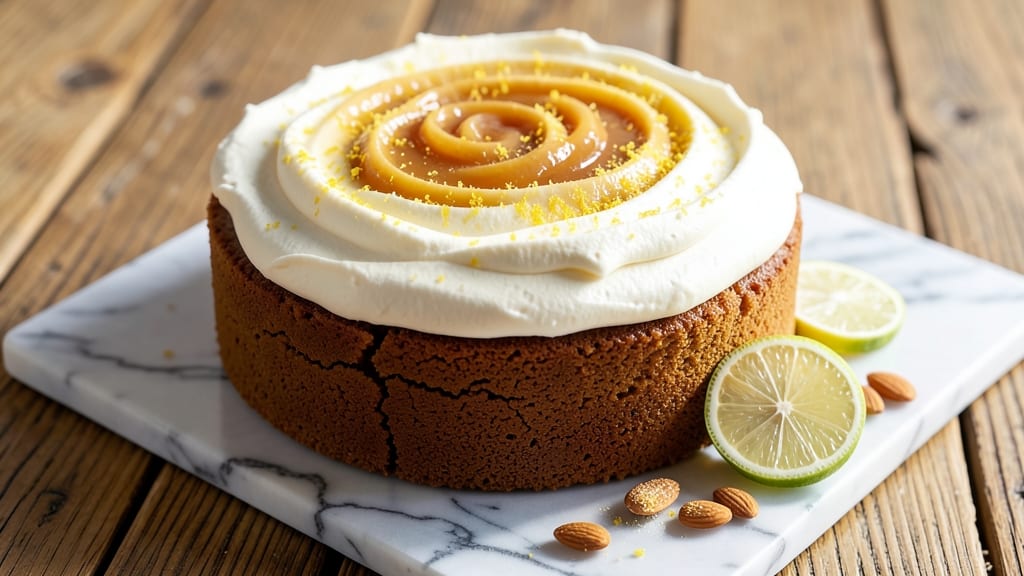
Ina Garten's lemon cake recipe delivers the perfect balance of bright citrus and buttery richness, a dessert that feels both elegant and approachable. The secret lies in her signature technique of layering tender lemon cake with a velvety lemon curd filling and a delicate buttery crust.
I first tried this recipe during a spring brunch when I wanted something light yet impressive—it became an instant favorite.
What sets this cake apart is the precision in every step, from measuring ingredients to baking times. The cake itself is moist and tender, infused with real lemon juice and zest, while the curd filling adds a layer of tangy sweetness that cuts through the richness.
The buttery crust provides just the right contrast, making each bite feel special without being overly heavy.
By the time you pull this cake from the oven, you'll have a dessert that looks as good as it tastes—golden layers with a glossy finish that practically begs for a slice.
The aroma alone will have your guests anticipating dessert before it's even served. This recipe proves that homemade desserts can be both foolproof and extraordinary.
The best part? It's versatile enough for any occasion—whether you're serving it at a holiday brunch or enjoying a quiet afternoon treat. Let's get started on creating this timeless classic.
Ingredients for ina garten lemon cake
Bright citrus meets buttery perfection with these 14 simple ingredients.
| Ingredient | Amount | Notes |
|---|---|---|
| All-Purpose Flour 🌾 | 2 ½ cups | Sifted for light texture |
| Granulated Sugar 🍚 | 2 cups | White or light brown |
| Unsalted Butter 🧈 | 1 ½ cups | Room temperature, cubed |
| Fresh Lemon Juice 🍋 | ¾ cup | From 3-4 lemons, freshly squeezed |
| Lemon Zest 🍋 | ¼ cup | Fine, from 2-3 lemons |
| Large Eggs 🥚 | 4 whole | Room temperature |
| Baking Powder 🍞 | 2 tsp | Not baking soda |
| Salt 🧂 | ½ tsp | Fine sea salt |
| Vanilla Extract 🌸 | 1 tbsp | Pure vanilla |
| Heavy Cream 🥛 | 1 cup | Full-fat for best texture |
| Egg Yolks 🥚 | 2 whole | Separated from whites |
| Powdered Sugar 🍚 | 1 ½ cups | For lemon curd |
| All-Butter Shortening 🧈 | ½ cup | For crust (optional) |
| Almond Flour 🌰 | ½ cup | For crust texture |
The lemons are everything here. Use Meyer lemons if available—they're sweeter and more fragrant, but regular lemons work too. Roll them on the counter first to soften the zest, then squeeze them over an ice bath to strain out the pulp. Whole Foods or local farmers markets usually have the juiciest lemons. For the butter, Plugrá or Land O'Lakes are reliable brands, but any unsalted works as long as it's room temperature. The almond flour for the crust? Bob's Red Mill is my go-to—it's finely ground and makes the best crumbly texture. If you can't find almond flour, finely ground almonds work too, but pulse them in a food processor first.
No Meyer lemons? Double the regular lemon juice and add 1 tbsp honey to mimic that sweetness. Short on almond flour? Substitute 1/4 cup extra almond flour for the same amount of flour in the cake batter—it keeps the cake tender. For the lemon curd, if you don't have powdered sugar, granulated sugar works at 1:1 ratio, but it won't be as smooth. The vanilla extract is non-negotiable here—imitation vanilla won't give that same depth of flavor. And if you're feeling fancy, infuse the butter with lemon zest before creaming it with the sugar for an extra layer of citrus flavor.
The cake layers keep beautifully wrapped in plastic for 3 days at room temperature. The lemon curd can be made a day ahead and stored in the fridge for 5 days—it actually tastes better after the flavors meld. For the crust, make it 2 days ahead and store in the freezer—it's perfect for pie crusts too. When assembling, let everything come to room temperature first. Use a serrated knife to level the cake layers, and don't overfill with curd or it'll leak out when sliced. The best part? Leftovers reheat perfectly in the microwave for 10 seconds to bring back that fresh-from-the-oven warmth.
Why You'll Love This Recipe
- No Mixer Needed: I’ll be real—this cake only asks for a bowl and a whisk. No stand mixer, no fancy tools, just creaming butter and sugar until it’s light enough to spread on toast. That lemon zest? You can grate it with a box grater or even a cheese grater—no precision required.
- Bright & Simple: The flavor is where this cake shines: buttery, tender crumb with that pop of fresh lemon juice cutting through the sweetness. Honestly, the first time I made it, I thought, "This could be my new default cake." The zest adds this bright, citrusy aroma that lingers—no artificial flavors, just real lemon.
- Weeknight or Celebration: Here’s what sold me—this cake works anywhere. Need a quick dessert after dinner? Done. Bringing something to a potluck? Perfect. Even my picky teenage nephew asked for seconds at a birthday party. The frosting (if you use it) is optional, but the cake stands alone beautifully.
- Leftovers? Even Better: Between us, this cake tastes better the next day. The flavors meld, and the texture stays moist without drying out. I’ve wrapped slices in parchment and stashed them in the fridge for up to five days—no one ever complains. Plus, it’s budget-friendly: a single lemon gives you enough zest and juice for a whole batch.
Instructions for Ina Garten's lemon cake recipe
Here's how to create this bright, citrusy masterpiece with layers of lemon flavor and a buttery crust.
Prepare the Lemon Curd Filling
In a medium saucepan, combine the 1.5 cups unsalted butter, 2 cups granulated sugar, 0.75 cup fresh lemon juice, and 0.25 cup lemon zest. Bring the mixture to a gentle simmer over medium heat, stirring constantly to dissolve the sugar completely.
Once simmering, reduce the heat to low and cook for 10-12 minutes, stirring frequently, until the mixture thickens enough to coat the back of a spoon. This is your lemon curd—it should be silky and vibrant yellow. Remove from heat and let it cool completely before using. I like to press plastic wrap directly on the surface to prevent a skin from forming.
Make the Buttery Crust
In a food processor, combine the 0.5 cup all-butter shortening, 0.5 cup almond flour, and 1.5 cups powdered sugar. Pulse until the mixture resembles coarse crumbs. Add the 2 whole egg yolks and pulse again until fully incorporated. The dough should hold together when pressed.
Press the dough evenly into a 9-inch springform pan, creating a thin, even layer. Bake at 350°F for 15-18 minutes until the edges are lightly golden. Let it cool completely before adding the cake layers—this prevents sogginess. I like to chill the crust in the fridge for 10 minutes to set it up nicely.
Bake the Lemon Cake Layers
Preheat your oven to 350°F. In a large mixing bowl, sift together the 2.5 cups all-purpose flour, 2 tsp baking powder, and 0.5 tsp salt. Set aside. In a separate bowl, beat the 4 whole large eggs until frothy, then gradually add the 2 cups granulated sugar, beating until the mixture is light and pale.
Add the 1.5 cups unsalted butter (softened) and mix until fully incorporated. Stir in the 1 tbsp vanilla extract. Gradually add the dry ingredients, mixing just until combined—don't overmix. Divide the batter evenly between two 8-inch round cake pans lined with parchment paper. Bake for 25-30 minutes, until a toothpick inserted in the center comes out clean. Let the layers cool in the pans for 10 minutes, then transfer to a wire rack to cool completely.
Assemble the Lemon Cake
Once the cake layers and crust are completely cool, spread a thin layer of the cooled lemon curd over the crust. Place the first cake layer on top, then spread another layer of lemon curd. Add the second cake layer and repeat with the remaining lemon curd. The curd should be visible between the layers for that classic Ina Garten look.
Chill the assembled cake in the refrigerator for at least 4 hours, or preferably overnight. This ensures the layers set properly and the flavors meld beautifully. Before serving, dust the top with a light layer of powdered sugar for a finishing touch. The cake keeps well in the fridge for up to 5 days—just let it sit at room temperature for 30 minutes before slicing to enjoy it at its best.
Whip the Heavy Cream Filling
In a separate bowl, whip the 1 cup heavy cream until soft peaks form. Fold in the remaining 1.5 cups powdered sugar until fully incorporated. This light, airy cream filling adds the perfect contrast to the dense, citrusy cake layers.
To serve, slice the cake into wedges and spoon the whipped cream filling over the top. The combination of the tangy lemon curd, buttery crust, and creamy filling creates a harmonious balance of flavors and textures that's pure Ina Garten magic.
Pro Tips For Making Ina Garten Lemon Cake
- Cream Butter Properly: I learned this the hard way—cold butter in flour makes a dry, crumbly mess. Whip the butter and sugar together until light and fluffy (about 3-5 minutes), then alternate adding flour and lemon juice in thirds. This ensures a tender crumb that doesn’t turn into sand.
- Measure Lemon Juice Precisely: Fresh lemon juice varies wildly in acidity. Use a kitchen scale or measure it right after juicing—don’t let it sit, or the flavor mellows. For Ina’s recipe, stick to the exact amount called for; too much juice makes the cake bitter, too little dulls the lemon kick.
- Don’t Overbake the Cake: The moment the top springs back when pressed is not the moment to pull it. Oven temps run hot, so bake until just golden (about 2-3 minutes past the recipe’s time), then let it cool in the pan for 10 minutes. Overbaking turns the crumb dense and dry—trust the toothpick test, not the timer.
- Zest Before Juicing: Sounds weird, but zesting the lemons first gives you brighter, more aromatic zest. The tiny oil glands burst easier when the peel is fresh, and you’ll get twice as much flavor. Plus, it’s one less step later—just juice the lemons after you’ve scraped them clean.
Creative variations of these flavors
Lavender Lemon Twist
Infuse the lemon curd with 1 tsp culinary lavender buds (steeped in the warm butter mixture for 10 minutes before straining). This floral note pairs beautifully with the citrus, creating a sophisticated twist that feels springtime in a bite.
I use Herb Pharm lavender buds because they're food-grade and potent. Add ½ tsp edible lavender flowers as a garnish on top for an elegant presentation. 🌸
White Chocolate Swirl
Melt ½ cup white chocolate chips (I prefer Ghirardelli for smoothness) and swirl it through the lemon curd before assembling the cake. The creamy white chocolate contrasts perfectly with the bright lemon flavor.
For extra decadence, fold ¼ cup white chocolate chunks into the whipped cream filling. This variation works especially well for holidays when you want something festive yet light.
Spiced Rum Soak
Brush the cake layers with a mixture of 2 tbsp spiced rum (like Captain Morgan) and 1 tbsp lemon juice before assembling. The warm spices in the rum complement the lemon beautifully.
Let the soaked layers sit for 5 minutes before adding the curd to allow the flavors to meld. This works wonderfully with the buttery crust, creating a warm, boozy note that's perfect for evening desserts. 🍹
Berry Compote Layers
Replace one of the lemon curd layers with a raspberry or strawberry compote made by simmering 1 cup berries, 2 tbsp sugar, and 1 tsp lemon juice until thickened. Spread a thin layer between the cake and curd for a fruity surprise in every bite.
I love using Trader Joe's frozen berries for convenience—they're just as flavorful as fresh. This variation adds vibrant color and a jammy texture.
Matcha Lemon Fusion
Add 1 tsp matcha powder to the cake batter for a subtle earthy note that pairs surprisingly well with lemon. Use Ippodo Tea ceremonial-grade matcha for the best flavor. The green tea enhances the citrus while adding a beautiful color contrast.
This fusion works especially well when paired with a white chocolate swirl—the matcha's bitterness balances the sweetness perfectly. 💚
Citrus Glaze Finish
Drizzle the assembled cake with a simple citrus glaze made by mixing ½ cup powdered sugar, 2 tbsp lemon juice, and 1 tbsp orange juice. Thin with 1 tsp water if needed, then strain through a fine-mesh sieve for a silky finish.
This adds a glossy sheen and an extra burst of citrus flavor. I like to pipe the glaze in decorative swirls using a Wilton squeeze bottle for a restaurant-quality touch.
Nutrition facts
Frequently asked questions
Can I make this lemon cake without a springform pan?
If you don't have a springform pan, use two 8-inch round cake pans for the cake layers and a 9-inch pie dish for the crust. Just press the crust dough into the pie dish and bake it directly. The cake layers will still create that beautiful layered effect when assembled.
How do I know when the lemon curd is done?
The curd is ready when it coats the back of a spoon and leaves a clean trail when you run your finger through it. It should be thick enough to hold its shape but still glossy and vibrant yellow. If it's too thin, cook it for another 2-3 minutes—just don't let it boil or it'll curdle.
Can I substitute fresh lemon juice with bottled?
Fresh lemon juice is ideal for that bright, authentic flavor, but you can use bottled lemon juice in a pinch. Look for 100% pure lemon juice with no added water or preservatives. For extra tang, add 1/2 tsp lemon zest to compensate for the difference in flavor.
Why did my cake layers sink in the middle?
This usually happens if the oven wasn't hot enough or the batter was overmixed. Make sure your oven is fully preheated to 350°F and use an oven thermometer to confirm accuracy. Also, avoid overmixing the batter—just combine the ingredients until just combined. A toothpick inserted in the center should come out with a few moist crumbs, not wet batter.
How can I make this cake gluten-free?
Replace the all-purpose flour with a 1:1 gluten-free baking flour blend (like Bob's Red Mill or King Arthur). For the crust, use a gluten-free almond flour blend or substitute with 1/2 cup gluten-free oat flour plus 1/4 cup cornstarch. Keep the baking powder and salt amounts the same, but you may need to add 1/4 tsp xanthan gum if your blend doesn't contain it.