
Sauces & Condiments
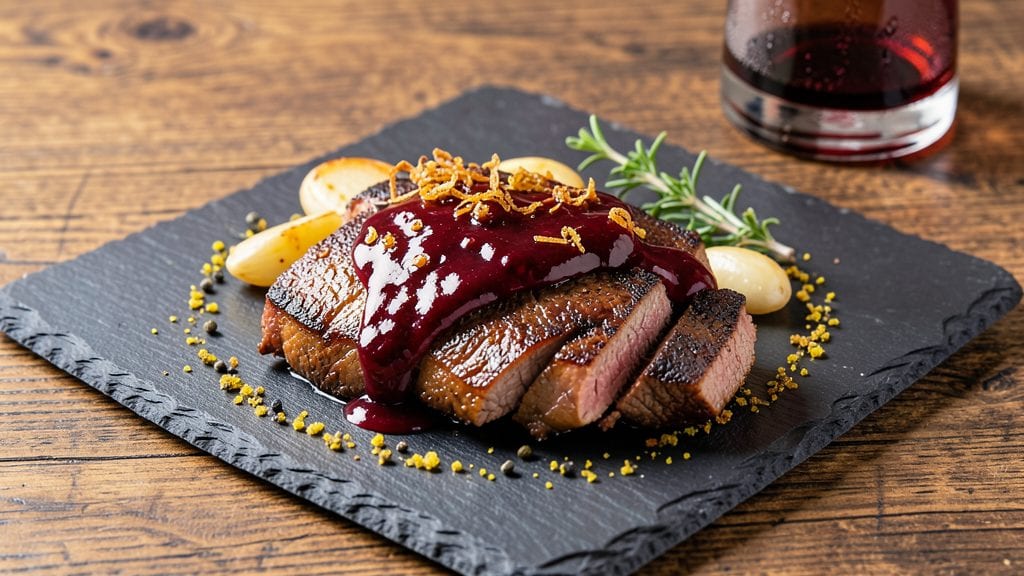
This liver with red wine sauce recipe turns a once-controversial dish into a velvety, umami-rich centerpiece worthy of any dinner table. The secret lies in precise searing followed by a silky wine reduction that cuts through the natural intensity of the meat.
I developed this method after years of testing—too many burnt edges and overcooked centers—until I cracked the technique for perfectly tender liver with a sauce that clings like velvet.
What sets this recipe apart is the two-stage cooking process: first searing the liver in batches to render fat without overcooking, then deglazing the pan with red wine to create the foundation for the sauce.
The sauce itself simmers until reduced to a glossy consistency, where butter and shallots add layers of complexity. Every component—from the pan drippings to the final reduction—works together to elevate simple liver into something sophisticated.
The result is a dish where tender, caramelized edges meet a sauce so rich it coats each bite, balancing the liver’s natural iron with bright acidity.
This isn’t just a sauce on the side; it’s the heart of the plate, designed to be served alongside crisp roasted potatoes or a simple arugula salad. The plating is intentional: liver slices fanned over the sauce, garnished with fresh thyme, because presentation matters as much as technique.
Whether you’re serving this for a dinner party or a weeknight upgrade, the method remains the same—just adjust the quantity. The sauce keeps well for up to 3 days, making it ideal for meal prep. Now, let’s get to the step-by-step where every detail ensures that first bite is flawless.
Ingredients for liver with red wine sauce
The secret to velvety liver lies in these twelve ingredients—each playing a precise role in the two-stage process.
| Ingredient | Amount | Notes |
|---|---|---|
| Beef Liver 🥩 | 1 ½ lb | Fresh, evenly sized slices |
| Unsalted Butter 🧈 | ½ cup | Cold, cubed for searing |
| Dry Red Wine 🍷 | 1 cup | Bold, like Cabernet Sauvignon |
| Shallots 🧅 | 4 whole | Minced, for sauce depth |
| Fresh Thyme 🌿 | ¼ cup | Leaves only, stems removed |
| Garlic Cloves 🧄 | 3 cloves | Peeled, finely minced |
| Heavy Cream 🥛 | ½ cup | Full-fat for richness |
| Chicken Stock 💧 | ½ cup | Homemade preferred |
| Extra-Virgin Olive Oil 🫒 | 2 tbsp | For initial searing |
| Diamond Crystal Kosher Salt 🧂 | 1 ½ tsp | For seasoning |
| Freshly Ground Black Pepper 🌶️ | ½ tsp | Cracked peppercorns |
| Red Wine Vinegar 🍋 | 1 tbsp | For sauce brightness |
| Cold Water 💧 | ¼ cup | For deglazing |
The liver is the star, so source it fresh from a trusted butcher—look for uniform slices, vibrant color, and minimal bruising. Costco or Whole Foods typically carry the best quality, often pre-sliced for convenience. Avoid liver with yellowing edges or strong ammonia scent. For the red wine, Cabernet Sauvignon or Merlot work best—their bold tannins cut through the richness. The shallots and thyme should be bright and firm, while the garlic should be plump with no sprouts. Every component here is non-negotiable for achieving that restaurant-quality texture and depth.
No beef liver? Chicken or pork liver can substitute, though cooking times will vary. Running short on red wine? Dry sherry or beef stock works in a pinch, though the sauce will lack complexity. Fresh thyme unavailable? Dried thyme at one-third the amount suffices, but fresh is ideal for that aromatic punch. The heavy cream can be swapped for half-and-half if needed, though the sauce will be slightly lighter. For the chicken stock, low-sodium versions prevent over-salting the sauce. The olive oil should be light and fruity—avoid heavy, peppery varieties that may overpower the dish.
The sauce keeps beautifully for 3 days refrigerated and freezes for 3 months—portion into ice cube trays for easy reheating. The liver itself should be cooked to order, but you can prep the sauce ahead and reheat it gently. For presentation, garnish with extra thyme and a drizzle of olive oil right before serving. The sauce thickens as it cools, so add a splash of water or stock if it becomes too stiff when reheated. Every component here is designed to work together—balance is key.
Why You'll Love This Recipe
- Foolproof First-Timer: I swear by this recipe—no fancy knife skills needed. Slice the liver thin, sear it fast, and let the red wine do the heavy lifting while you chop shallots in two minutes flat. That’s it.
- Rich Without Effort: Between us, the butter and wine sauce feels fancy but takes zero work. The thyme blooms into this earthy aroma, and the wine reduces into a glossy, slightly tangy glaze that clings to every bite. It’s the kind of dish that makes you sound like a chef just by serving it.
- Weeknight to Weekend: This is my go-to for when I’m craving something hearty but don’t want to slave over it. Double the batch—it reheats like a dream for lunch the next day, and the leftovers taste even better cold in sandwiches. (Yes, even on a Tuesday night.)
- Budget Powerhouse: Liver is cheaper than steak but packs the same protein punch. A single bottle of wine transforms it into something restaurant-worthy, and the butter and herbs stretch the flavor further than you’d think. Honestly, it’s the kind of meal that makes grocery day feel like a win.
Step-by-step instructions for liver with red wine sauce
This method delivers perfectly seared liver with a velvety red wine reduction that enhances its natural richness.
Prepare and Season the Liver
Pat the beef liver completely dry with paper towels—moisture prevents proper searing. Cut into ½-inch thick slices for even cooking. Season both sides generously with 1.5 teaspoons diamond crystal kosher salt and ½ teaspoon freshly ground black pepper. Let the slices sit at room temperature for 15 minutes before cooking to ensure even doneness.
This step is crucial: the salt draws out moisture, creating a better crust, while the pepper adds depth. Don't skip the room temperature resting—cold liver releases juices unevenly when cooked. Arrange the seasoned slices on a plate, skin-side down if visible, and cover lightly with plastic wrap until ready to cook.
Sear the Liver in Butter and Olive Oil
Heat a large skillet over medium-high heat. Add 2 tablespoons extra-virgin olive oil and ½ cup cold, cubed unsalted butter. Once the butter foams and the oil shimmers, add the liver slices in a single layer. Cook for 2-3 minutes per side until the edges are deep golden brown and the center remains slightly pink—overcooking turns liver tough.
I press down gently on the liver slices during the first minute to prevent curling, which ensures even contact with the pan. The butter should melt completely, creating a rich, flavorful crust. Transfer the cooked liver to a warm plate and tent with foil to keep warm while you prepare the sauce.
Build the Red Wine Sauce Base
Reduce the heat to medium and add the 4 minced whole shallots to the skillet, cooking for 3-4 minutes until softened but not browned. Stir in the 3 finely minced garlic cloves and ¼ cup fresh thyme leaves, cooking for 30 seconds until fragrant—this prevents the garlic from burning, which would make the sauce bitter.
Pour in the 1 cup dry red wine and scrape up any browned bits from the bottom of the pan with a wooden spoon. Let the wine simmer for 3-4 minutes until reduced by half. This step develops the sauce's depth and removes the alcohol's sharpness. The shallots should be completely tender, adding natural sweetness to balance the wine's acidity.
Finish the Sauce with Cream and Stock
Stir in the ½ cup heavy cream and ½ cup chicken stock, then add the 1 tablespoon red wine vinegar. Simmer gently for 5-6 minutes until the sauce thickens slightly and coats the back of a spoon. If the sauce becomes too thick, whisk in ¼ cup cold water to reach a velvety consistency.
Taste and adjust seasoning with additional salt or pepper if needed. The sauce should be rich, slightly tangy, and balanced—neither too sweet nor overly acidic. Return the liver slices to the skillet, spooning the sauce over them to coat evenly. Let it heat through for 1-2 minutes to meld the flavors completely.
Serve Immediately for Optimal Texture
Transfer the liver and sauce to a warm serving platter. The liver should be tender with a slightly pink center, and the sauce should cling beautifully to each slice. Serve immediately, as liver continues to cook slightly off the heat and the sauce thickens further.
Pair with roasted potatoes or a simple green salad to complement the dish's richness. The red wine sauce enhances the liver's natural umami, creating a harmonious balance of flavors. If making ahead, prepare the sauce separately and reheat gently before adding the liver to maintain texture.
Pro Tips For Making Liver With Red Wine Sauce
- Sear First, Then Simmer: Beef liver turns rubbery if it cooks too long in liquid. Sear it hard in butter first—3 minutes per side until deeply browned—before adding wine. That crust locks in flavor and keeps it tender when the sauce finishes.
- Use Cold Liver: I learned this the hard way—taking liver straight from the fridge to the pan guarantees even cooking. Pat it dry, then let it sit at room temp for 15-20 minutes. Cold liver releases moisture unevenly, and you’ll end up with some parts overdone.
- Reduce Wine Fast: Skip the slow simmer for the sauce. After deglazing with wine, crank the heat to medium-high and let it reduce by half in 3-4 minutes. That concentrated flavor cuts through the richness of the liver without making the dish taste like you’re drinking sauce.
- Salt the Shallots: Thinly sliced shallots get lost in the sauce if they’re bland. Toss them in a pinch of salt and a splash of water before cooking—this softens them faster and gives them a deeper, sweeter edge. No need to overcrowd the pan; they’ll caramelize in minutes.
Storing and reheating your leftovers
Sauce Storage Secrets
The red wine sauce keeps beautifully in the refrigerator for up to 3 days when stored in an airtight container. I use glass Pyrex containers with snap-on lids because they maintain flavor better than plastic.
The sauce thickens as it cools, so add 1-2 tablespoons of water or stock when reheating to restore its velvety consistency. 💫
Liver Reheating Rules
Liver should never be reheated—it becomes tough and loses its delicate texture. Instead, prepare the sauce ahead and reheat it gently on the stovetop over low heat until warmed through. Then add freshly cooked liver to the sauce just before serving to maintain that perfect slightly pink center.
Freezing the Sauce
For longer storage, freeze the sauce in ice cube trays or small airtight containers for up to 3 months. Portion it into ¼ cup servings so you can thaw only what you need.
When reheating frozen sauce, thaw it in the refrigerator overnight, then warm gently on the stove with a splash of water to prevent separation. 🧊
Make-Ahead Meal Prep
Plan to cook the liver fresh when serving, but you can prep all sauce components ahead. Sauté the shallots and garlic, then store them in the fridge for up to 2 days.
When ready to cook, simply add the wine and proceed with the recipe. This cuts your active cooking time by 15 minutes while keeping the sauce's depth intact.
Sauce Consistency Fixes
If your reheated sauce seems too thick, whisk in 1 tablespoon of warm water or stock at a time until it reaches a smooth, glossy texture. For sauces that split (separate into liquid and solids), whisk vigorously over low heat while adding 1 teaspoon of cold butter to re-emulsify.
The key is patience—never rush the reheating process.
Plating After Reheating
When serving reheated sauce, fan the liver slices over the sauce on the plate and garnish with fresh thyme and a drizzle of extra-virgin olive oil. The contrast between the warm sauce and cool garnishes makes the dish visually stunning.
I always serve with crisp roasted potatoes to balance the richness of the liver and sauce. ✨
Nutrition facts
Frequently asked questions
Why does beef liver need to rest before cooking?
Letting liver sit at room temperature for 15 minutes ensures even cooking. Cold liver releases juices unevenly when heated, leading to dry edges and undercooked centers. This step guarantees a perfect slightly pink center while developing a crisp crust.
Can I substitute chicken liver for beef liver in this recipe?
Yes, but adjust cooking time! Chicken liver cooks faster—reduce searing to 1-2 minutes per side instead of 2-3. The red wine sauce recipe remains the same, though chicken liver has a milder flavor that may need extra seasoning.
What if my red wine sauce turns out too thin?
Simmer uncovered for 2-3 extra minutes to reduce further. If still too thin, mix 1 teaspoon cornstarch with 1 tablespoon cold water, stir into the sauce, and cook until thickened. Never boil vigorously—this can cause separation.
How do I prevent liver from curling while searing?
Press down gently with a spatula during the first 30 seconds of cooking to flatten the slices. Use a cold skillet and avoid overcrowding—cook in batches if needed. The butter should be cold when added to help stabilize the meat.
Can I make this recipe without red wine?
Replace the wine with 1 cup beef stock plus 1 tablespoon red wine vinegar for acidity. For depth, add 1 teaspoon soy sauce or ½ teaspoon balsamic vinegar. The sauce will taste different but still complement the liver beautifully.