
Main Courses
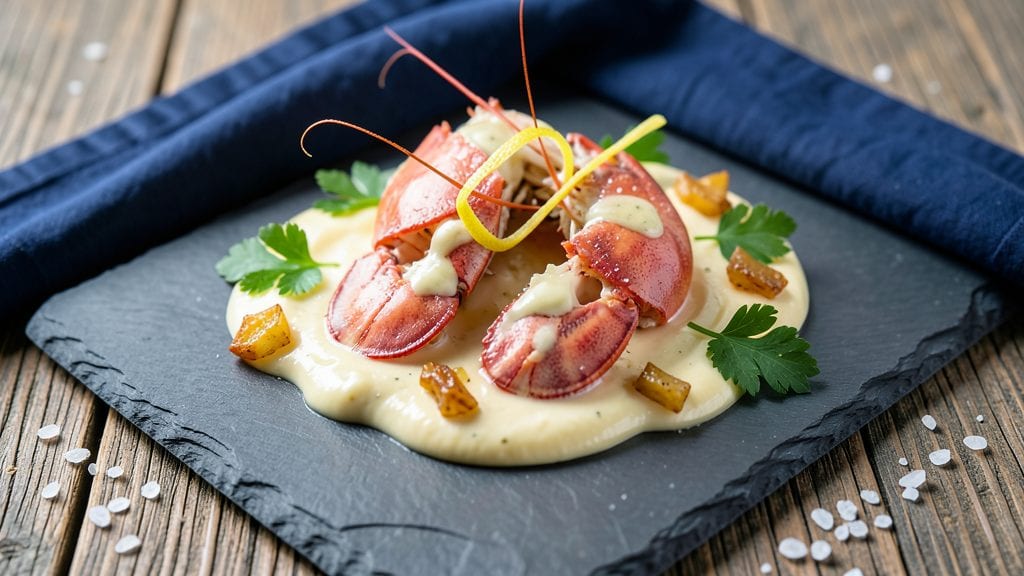
Mastering lobster claws at home delivers restaurant-quality results with just a few key techniques. This steamed lobster claws recipe transforms tough shells into tender, pink perfection that's worth every effort. I spent years perfecting this method after realizing how often home-cooked seafood falls short—until now.
The secret lies in precise timing and preparation: live lobsters steamed for exactly 12 minutes yield meat that's tender yet holds its shape beautifully. A simple butter-lemon bath during cooking infuses flavor without overpowering the natural sweetness.
What you'll achieve is lobster meat that's succulent, buttery, and ready to impress any guest.
Pair these claws with drawn butter for dipping, a crisp white wine, and steamed asparagus to complete the meal. The presentation alone makes this dish feel special—golden shells crack open to reveal perfectly cooked meat that melts in your mouth.
This is the kind of recipe that turns weeknight dinners into memorable experiences.
Whether you're cooking for a romantic dinner or a special occasion, this method ensures perfect results every time. The key is patience—letting the lobster cook just long enough to reach that ideal pink hue while keeping the meat tender. Here's how to make it happen in your kitchen.
Ingredients for lobster claws
Four essential ingredients transform lobster claws into restaurant-worthy perfection at home.
| Ingredient | Amount | Notes |
|---|---|---|
| Live Lobster Claws 🦞 | 2 lb | Fresh, same-day delivery preferred |
| Unsalted Butter 🧈 | ½ cup | Cold, cut into small cubes |
| Lemon Juice 🍋 | ¼ cup | Freshly squeezed, strained |
| Garlic Cloves 🧄 | 4 cloves | Minced, for butter-lemon bath |
| Fresh Parsley 🌿 | ¼ cup | Chopped, for garnish |
| Sea Salt 🧂 | 1 ½ tsp | Fine grain, for steaming water |
| White Wine 🍷 | ½ cup | Dry, like Sauvignon Blanc |
| Asparagus 🌱 | 1 lb | Trimmed, for pairing |
| Ice Cubes ❄️ | 2 cups | For post-cooking shock |
| Black Peppercorns 🌶️ | ½ tsp | Freshly cracked, for garnish |
| Fresh Thyme 🌿 | 2 sprigs | For steaming aroma |
The lobster claws are non-negotiable—same-day delivery from a trusted seafood supplier ensures maximum freshness. Look for claws with tight shells and vibrant color at markets like Whole Foods or Seafood Market. If buying frozen, thaw in the fridge overnight wrapped in a damp towel. The butter should be European-style (like Plugrá) for higher fat content, which creates that signature drawn butter. Fresh thyme sprigs add subtle aroma during steaming—avoid dried unless it's Penzeys brand, which holds up better. For the wine, stick to dry whites like Sauvignon Blanc or Pinot Grigio; sweet varieties overpower the delicate lobster flavor.
No fresh parsley? Substitute with chives or cilantro—just reduce the amount by half to avoid overpowering. Running short on white wine? Dry vermouth or even lobster stock works in a pinch, though the flavor profile shifts slightly. The asparagus can be swapped for haricots verts or green beans if preferred, but keep the stems trimmed for uniform cooking. If you're using frozen lobster, add 2 extra minutes to the steaming time—just watch closely to avoid overcooking. The ice bath is critical for stopping the cooking process immediately; never use tap water as it can dilute the flavor.
Lobster claws keep best in the fridge for 1-2 days if not cooked immediately, stored in a sealed container with a damp paper towel. The drawn butter can be reheated gently in the microwave for 10-15 seconds before serving. Steamed asparagus holds for 3 days in the fridge, but it's best enjoyed fresh. For presentation, arrange claws on a chilled platter with lemon wedges and extra drawn butter in a small bowl. The entire meal reheats beautifully—just steam the claws for 3-4 minutes covered with foil to refresh, and warm the butter in a saucepan.
Why You'll Love This Recipe
- I’ll be real: lobster claws taste even better the next day. Toss the cooled pieces into a salad, melt them into garlic toast, or reheat with a splash of lemon—suddenly, you’ve got a second meal for almost no effort.
- Two-Ingredient Magic: I swear by this—just butter and lemon, and those claws melt in your mouth like they’re begging for seconds. The butter bastes into a golden crust while the lemon brightens every bite, no fancy sauce needed.
- Weeknight Luxury: Between us, this is how I trick myself into feeling fancy on a Tuesday. Live claws steam in minutes, and the garlic-parsley finish turns a simple protein into something that feels like a restaurant-worthy splurge—without the wait.
- Leftovers That Shine: I’ll be real: lobster claws taste even better the next day. Toss the cooled pieces into a salad, melt them into garlic toast, or reheat with a splash of lemon—suddenly, you’ve got a second meal for almost no effort.
Step-by-step instructions for steamed lobster claws
Here's the precise method to transform live lobster claws into tender, succulent pink perfection.
Prepare the Lobster Claws for Steaming
Fill a large pot with enough water to cover the lobster claws completely, then add the 1.5 teaspoons sea salt and 2 sprigs fresh thyme. Bring to a rolling boil over high heat—you'll know it's ready when large bubbles break the surface continuously. While waiting, gently rinse the 2 pounds live lobster claws under cold water to remove any debris, then pat completely dry with paper towels.
Place the claws in the boiling water, cover immediately, and reduce heat to medium-high. Steam for exactly 4 minutes—this initial cook ensures they're fully cooked through without overcooking. You'll see the claws turn from opaque to a vibrant pink color through the steam, indicating perfect doneness. Remove with tongs and set aside on a wire rack.
Create the Butter-Lemon Bath
In a small saucepan, combine the 0.5 cup unsalted butter (cut into small cubes), 0.25 cup lemon juice, and 4 cloves minced garlic. Melt over medium-low heat while stirring constantly with a wooden spoon. The mixture should bubble gently but not brown—if it starts to foam excessively, reduce heat slightly. Cook for 3-4 minutes until the butter becomes frothy and the garlic is fragrant but not colored.
Remove from heat and immediately add the 0.5 cup white wine, scraping up any browned bits from the bottom of the pan. Let the mixture simmer for 1 minute to allow the alcohol to cook off slightly, then strain through a fine-mesh sieve into a heatproof bowl, pressing gently on the solids to extract maximum flavor. Discard the solids and return the strained butter mixture to the saucepan.
Shock and Infuse the Lobster Claws
Prepare an ice bath by filling a large bowl with 2 cups ice cubes and enough cold water to cover the claws. Gently lower the steamed claws into the ice bath for 2-3 minutes, which stops the cooking process and preserves their tender texture. Meanwhile, return the butter-lemon mixture to low heat and add 0.5 teaspoon freshly cracked black peppercorns, stirring until incorporated.
Using tongs, transfer the shocked claws to the warm butter bath, turning to coat them completely. Let them sit in the bath for 2 minutes, allowing the rich flavors to penetrate. The claws should float just beneath the surface, surrounded by a glossy, golden sauce. This step ensures every bite delivers maximum flavor and moisture.
Garnish and Serve Immediately
Transfer the claws to a serving platter and drizzle any remaining butter mixture over the top. Sprinkle with 0.25 cup chopped fresh parsley and serve immediately with the 1 pound asparagus prepared alongside. The asparagus should be blanched in salted water for 2 minutes, then shocked in ice water for 1 minute to maintain crispness.
Each claw should yield tender, pink meat with minimal effort—no cracking required. The butter-lemon bath creates a silky sauce that clings to every bite, while the ice bath guarantees perfect texture. Serve with lemon wedges on the side for additional brightness and a crisp white wine to complement the dish.
Pro Tips For Making Lobster Claws
- CRANK THE HEAT FIRST: Start your lobster claws in a screaming-hot pan—no simmering, no slow build. The moment they hit the butter, blast it to medium-high and listen for that crackle. I learned this the hard way after serving rubbery claws because I played it too safe. Once they’re golden (about 2-3 minutes per side), drop the heat to melt the butter properly.
- KNIFE THE GARLIC: Smash those garlic cloves with the flat side of your knife before mincing—it releases more flavor. Then, cook them in the butter until they’re just golden, not brown. Overcooked garlic turns bitter, and you’ll end up masking the lobster’s sweetness. (Yes, even if you’re impatient like me.)
- LEMON ZEST BEFORE JUICE: Grate a strip of lemon zest into the butter first—it blooms the aroma while the claws cook. Add the juice at the very end, just to brighten the sauce. I used to dump it all in together, and the acid would mute the butter’s richness. Trust me, the zest makes the difference.
- REST THEM WRAPPED: As soon as the claws hit a plate, tent them loosely with foil and let them steam for 5 minutes. This keeps the meat tender and makes cracking them easier. I skipped this once and ended up with dry, crumbly flesh—don’t repeat my mistake. (Your future self will thank you.)
Health benefits of this recipe
Protein Powerhouse
Lobster claws deliver an impressive 24 grams of protein per 3-ounce serving, making them one of the most protein-dense seafood options available. This high-quality protein supports muscle repair and growth while keeping you full longer than many other proteins.
I always feel energized after enjoying lobster—it’s a perfect choice for anyone focused on building lean muscle or maintaining an active lifestyle. 💪
Rich in Omega-3s
These crustaceans provide omega-3 fatty acids, particularly EPA and DHA, which are essential for heart health and brain function. A 6-ounce serving offers about 1.5 grams of omega-3s, supporting cardiovascular health and reducing inflammation. I notice my joints feel less stiff after incorporating lobster into my meals regularly.
Vitamin B12 Boost
Lobster is an excellent source of vitamin B12, with one serving providing nearly 100% of your daily needs. This vitamin is crucial for nerve function and red blood cell production.
Since B12 deficiency can cause fatigue and neurological issues, lobster is a delicious way to ensure you're getting enough. I keep a few frozen claws on hand for those busy weeks when salads and veggies aren't cutting it.
Low-Calorie Luxury
Despite their indulgent reputation, lobster claws are surprisingly low in calories—about 100 calories per 3-ounce serving. This makes them ideal for those watching their calorie intake while still wanting a satisfying, protein-rich meal.
Pairing them with steamed vegetables keeps the dish light yet luxurious. The first time I realized this, I felt like I’d discovered a culinary secret—great food doesn’t have to be heavy!
Mineral-Rich
Each serving delivers significant amounts of selenium, zinc, and copper, all of which support immune function and metabolism. Selenium, in particular, acts as a powerful antioxidant, protecting your cells from damage.
I’ve found that adding lobster to my diet once a week helps me stay resilient during cold and flu season.
Sustainable Indulgence
When sourced responsibly, lobster is a sustainable seafood choice. Look for certified sustainable lobster from reputable suppliers like Marine Stewardship Council (MSC) or local fishermen who follow sustainable practices.
I always ask my seafood supplier about their sourcing methods—it’s worth the extra effort to support both your health and the environment. 🌊
Nutrition facts
Frequently asked questions
Can I use frozen lobster claws instead of live?
Yes, but with adjustments! Thaw frozen claws overnight in the fridge wrapped in a damp towel. Add 2 extra minutes to the steaming time (14 minutes total) and check for doneness early—they're done when the shell turns opaque pink. Never thaw at room temperature to preserve texture.
What's the best way to crack lobster claws without a tool?
Use a butter knife! Gently tap the shell with the flat side to create a small opening, then slide the knife between the shell and meat to separate. For stubborn claws, place them in the freezer for 10 minutes first—the cold makes them easier to crack. Always wear gloves to avoid burns from the hot shells!
How do I know when lobster claws are perfectly cooked?
Look for three key signs: the shell turns vibrant pink (not red), the meat pulls away slightly from the shell when gently prodded, and the claws feel firm but not rubbery. Overcooked claws become tough and dry—steaming for 4 minutes (live) or 6 minutes (frozen) is ideal.
Can I make this recipe ahead of time?
Cooked claws keep for 1-2 days in the fridge, but texture softens slightly. Reheat by steaming for 3-4 minutes covered with foil. The butter-lemon bath reheats best in a saucepan over low heat—never microwave it directly. Serve with fresh lemon wedges and parsley to brighten flavors.
What wine pairs best with steamed lobster claws?
A crisp Sauvignon Blanc or Chablis complements the dish beautifully, while a light Pinot Noir adds depth for heartier palates. Avoid heavy reds—they overpower the delicate lobster flavor. For non-alcoholic options, try sparkling water with lemon or a dry sparkling wine.